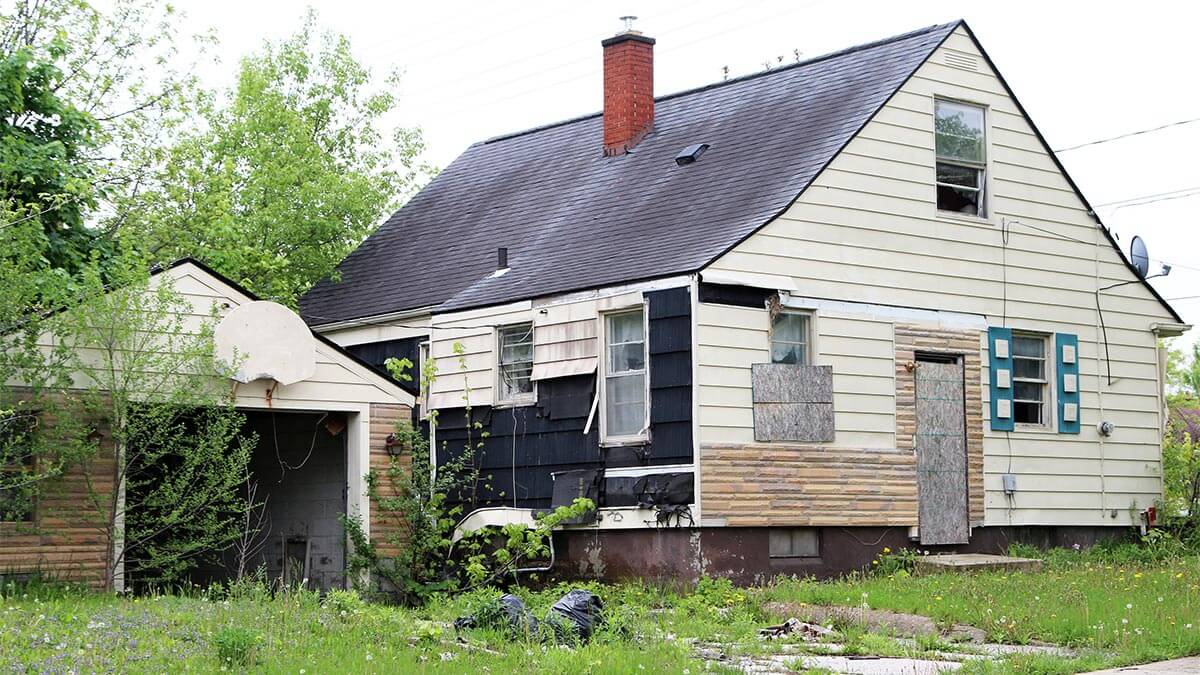
Yes, you can sell your Virginia Beach home to avoid foreclosure, as long as the sale closes before the foreclosure auction date. You retain legal ownership throughout the preforeclosure period, and a cash buyer can close in as few as 7 days, giving you a real path to stop foreclosure even after receiving a notice letter. The number to know first: federal law gives you at least 120 calendar days from your first missed payment before any foreclosure filing can begin.
Virginia’s non-judicial foreclosure process moves faster than most states, but the total window from first missed payment to auction typically runs 5 to 7 months. Homeowners who need to sell house to avoid foreclosure Virginia Beach have more time and more options than most realize. A cash sale can close inside that window. A traditional listing usually cannot, once the auction is scheduled within 14 days.
This guide covers how Virginia’s foreclosure process works, the federal 120-day rule, how to avoid foreclosure in Virginia with a step-by-step sale process, all eight Virginia Beach foreclosure options compared side by side, and the most common questions sellers face when the clock is running.
Sell to Avoid Foreclosure
- Can I sell my home after a foreclosure notice in Virginia?
- How long does Virginia’s foreclosure process take?
- What is the 120-day foreclosure rule?
- Options to stop foreclosure in Virginia Beach
- How to sell your Virginia Beach home before foreclosure
- Cash sale vs. short sale in Virginia Beach
- Why homeowners don’t sell before foreclosure
- Foreclosure vs. selling: credit and financial impact
- Frequently asked questions
Facing Foreclosure in Virginia Beach? Get competing cash offers and close in 7-30 days, no repairs required.
No repairs, no commissions, no single lowball offer.
Can I sell my home after a foreclosure notice in Virginia?
Yes, you can sell your Virginia Beach home to avoid foreclosure, as long as the sale closes before the foreclosure auction date. Receiving a notice does not mean you have lost the home. You remain the legal owner until the auction completes and title transfers to the winning bidder.
Virginia’s non-judicial foreclosure process
Virginia uses a non-judicial foreclosure Virginia process, meaning your lender does not need a court order to proceed. Once the servicer meets federal requirements and appoints a trustee, the sale moves forward without a judge’s involvement. This makes Virginia faster than judicial states, but it also provides less automatic court oversight protecting you along the way. According to the Virginia foreclosure law overview from Merna Law, Virginia lenders exercise a “power of sale” through the deed of trust, bypassing the courts entirely.
Because no court filing publicly signals the process has started, many Virginia Beach homeowners do not realize the foreclosure timeline Virginia law sets is already running. A preforeclosure sale Virginia sellers complete before the auction date stops the process completely.
Your legal right to sell before the auction
You retain the right to sell your property independently throughout the preforeclosure period. The lender cannot block that sale as long as proceeds satisfy the full mortgage balance, accrued interest, missed payments, and applicable fees. Virginia law does not require you to get your lender’s permission when the sale covers everything owed. Lender approval is only required for a short sale Virginia Beach, where the sale price falls short of the outstanding debt.
Once the foreclosure auction completes and title transfers, the right to sell independently ends. That auction date is the hard deadline every distressed Virginia Beach seller is working against.
The 14-day notice requirement in Virginia
Under Code of Virginia § 55.1-321, your lender must publish notice of the foreclosure sale at least 14 days before the auction date. If you receive this notice, you are in the final window for a preforeclosure sale Virginia. A cash buyer who closes in 7 to 14 days may still allow you to complete the sale in time. A traditional financed buyer takes 30 to 60 days or longer, which does not fit a 14-day window. (Verify the current statute wording at the Virginia Legislative Information System before relying on this for legal decisions.)
How long does Virginia’s foreclosure process take?
The foreclosure timeline Virginia homeowners face combines a federal waiting period with Virginia’s own state-level process. Understanding both layers tells you exactly how much time you have to act. Because the federal 120-day waiting period is your largest single protection, knowing how it works determines which options remain available to you.
Federal waiting period: the first 120 days
Federal law bars servicers from making any foreclosure filing until a homeowner is more than 120 calendar days delinquent. The 120-day foreclosure rule gives you roughly four months from your first missed payment before the servicer can initiate any part of the process. During this period, you can apply for loss mitigation, list the home, or request competing cash offers without the foreclosure auction moving forward.
The clock starts the day after your first missed due date. If your payment was due on the 1st and you missed it, day one of the federal protection period is the 2nd.
Virginia’s state process after the notice
After the 120-day federal period expires, the servicer can appoint a trustee and begin advertising the sale under Virginia law. This state-level process adds additional time before the auction can occur. For current processing timelines, contact Virginia Housing foreclosure prevention resources or a Virginia-licensed real estate attorney. Servicer backlogs and pending loss-mitigation reviews can extend the period beyond the minimum.
Your total window to sell
Most Virginia Beach homeowners have a combined window of 5 to 7 months from the first missed payment to the auction, though individual cases vary significantly by servicer and loan type. (Verify this estimate against current Virginia SCC data before relying on it for planning.) A cash home buyer Virginia Beach sellers work with can close in 7 to 14 days, which fits inside the foreclosure timeline Virginia most homeowners face, provided they act before the 14-day notice window arrives.
What is the 120-day foreclosure rule?
The 120-day foreclosure rule, established under the Dodd-Frank Act and enforced by the Consumer Financial Protection Bureau (CFPB) under CFPB Regulation X (12 C.F.R. § 1024.41(f)), prohibits mortgage servicers from making the first legal filing required to start any foreclosure until the homeowner is more than 120 calendar days delinquent. For Virginia Beach homeowners, this federal protection applies on top of Virginia’s own state notice requirements, giving you a combined window of several months from your first missed payment to the auction date.
The federal rule under Dodd-Frank and CFPB
The CFPB Regulation X mortgage servicing rules define “first notice or filing” as the first legal step required under applicable state law to begin foreclosure. In non-judicial foreclosure Virginia, this means the servicer cannot appoint a trustee or begin advertising the sale until the 120 days have passed. The rule applies whether you hold a conventional loan, an FHA loan, or a VA-backed mortgage in a VA loan foreclosure situation.
Regulation X also requires servicers to acknowledge a complete loss-mitigation application within five business days. This gives you an additional procedural protection during the review period.
How the 120-day period is counted
The period starts the day after your first missed contractual due date. Each calendar day counts, including weekends and holidays. Your loan’s grace period does not reset the clock. If your payment was contractually due on the 1st of the month, the clock starts on the 2nd regardless of any grace period extending to the 15th. Contact your servicer in writing to confirm the exact delinquency date they are using, since this determines when the protection expires.
Limits and exceptions to the rule
The 120-day protection has two primary exceptions. First, if the property is vacant or abandoned, the servicer may proceed without waiting for the full period. Second, if the borrower has surrendered the property in writing, the wait may not apply. The rule covers both monetary defaults such as missed payments and non-monetary defaults such as lapsed homeowners insurance or property maintenance violations. A Virginia real estate attorney can advise you whether any exception applies to your situation.
Options to stop foreclosure in Virginia Beach
How to avoid foreclosure in Virginia depends on your equity position, how much time remains before the auction, and whether your lender will cooperate. For a detailed look at the statewide legal framework, see how to stop foreclosure in Virginia. The table below compares all eight Virginia Beach foreclosure options by timeline, equity outcome, and credit impact.
| Option | Timeline | Equity kept? | Lender approval? | Credit impact |
|---|---|---|---|---|
| Cash buyer sale | 7 to 14 days | Yes (if positive) | No | Least, best before notice |
| Traditional sale | 30 to 60+ days | Yes (if positive) | No | Moderate, time risk |
| Short sale | 90 to 120+ days | No | Yes | Moderate |
| Deed in lieu | 30 to 90 days | No | Yes | Moderate |
| Reinstatement | Immediate | Yes | No | Stops further damage |
| Forbearance | Immediate | Yes | Usually yes | Stops further damage |
| Loan modification | 30 to 90+ days | Yes | Yes | Stops further damage |
| Bankruptcy (Ch. 13) | Immediate stay | Possible | Court order | Significant |
Based on CFPB mortgage servicing guidance and Virginia Housing data, 2026. Verify current timelines with a licensed Virginia real estate attorney before transacting.
Sell the home: cash buyer or traditional sale
Selling is often the fastest path to a complete equity exit and a permanent stop to the foreclosure. A cash home buyer Virginia Beach sellers work with purchases the home as-is, requires no repairs, and can close in 7 to 30 days without financing contingencies.
Virginia Beach has a notably high concentration of VA loan holders due to its proximity to Naval Station Norfolk, the world’s largest naval station. If you hold a VA-backed mortgage, review the VA Partial Claim program for VA loan holders before deciding to sell. The program is currently open for submissions and allows missed payments to be deferred through a subordinate loan, which may let you keep the home if your income has recovered. (Verify current availability at va.gov before acting on this information.)
Reinstatement: pay all missed amounts
Reinstatement mortgage means paying the lender the full amount of all missed payments, accrued interest, late fees, and foreclosure costs in a single lump sum. Once accepted, the foreclosure stops and your loan returns to current status. This option requires access to a large sum quickly, through savings, family support, or a short-term bridge loan. Get written servicer confirmation that the foreclosure action has been withdrawn after the payment clears.
Forbearance and loan modification
A forbearance agreement pauses or reduces your mortgage payments for a set period while you recover from a temporary hardship. A loan modification permanently changes one or more loan terms, such as the interest rate or repayment period, to make the payment sustainable long-term.
Both require servicer cooperation and a formal application with income documentation. Contact a free HUD-approved housing counselor at (800) 569-4287 for no-cost help. A HUD housing counselor can help you gather documents and communicate with your servicer at no charge to you. For conforming loans, review Fannie Mae loss mitigation options for Flex Modification and repayment plan details.
Short sale with lender approval
A short sale Virginia Beach means the lender agrees to accept a sale price below the full balance owed. The lender must approve both the price and the buyer. Short sale timelines run 90 to 120+ days, which often exceeds the time remaining before a Virginia foreclosure auction, making this option less viable the closer you are to the auction date.
Short sales also carry deficiency judgment Virginia risk. Unless the short sale agreement explicitly waives deficiency in writing, the lender may pursue a court judgment for the difference between the sale price and the remaining balance. A Virginia-licensed real estate attorney should review any short sale agreement before you sign.
Deed in lieu of foreclosure
A deed in lieu of foreclosure Virginia means you voluntarily transfer the property deed back to the lender to avoid formal foreclosure. The lender must agree to accept it. Confirm in writing whether the agreement includes a waiver of the remaining balance before signing. A deed in lieu typically takes 30 to 90 days and leaves a mark on your credit report, though less severe than a completed foreclosure.
Bankruptcy: the automatic stay
Filing for Chapter 13 bankruptcy triggers an automatic stay that immediately halts all collection activity, including the foreclosure auction. This is a last-resort option with significant long-term credit consequences and requires a court-supervised repayment plan. Chapter 13 can allow you to catch up on missed mortgage payments over three to five years while keeping the home, but only if your income supports the plan payments. Consult a Virginia bankruptcy attorney before filing.
How to sell your Virginia Beach home before foreclosure
To sell my house to avoid foreclosure in Virginia Beach, you need a plan that gets you to closing before the auction date. The six steps below give you the fastest and most certain path forward. For anyone looking to sell house to avoid foreclosure Virginia Beach, completing each step in order is critical to meeting the auction deadline.
- Contact your mortgage servicer first. Call your servicer and request a loss-mitigation review in writing. Under CFPB Regulation X, the servicer must acknowledge your complete application within five business days. This contact activates your right to all available loss-mitigation options and may pause additional foreclosure steps while the review is pending.
-
Determine your equity position. Subtract your outstanding mortgage balance, accrued interest, missed payment total, and estimated fees from your home’s current Virginia Beach market value. Use current local sales data, such as the Virginia Beach investor market data, for an accurate figure. Per pre-foreclosure home sale steps guidance from Nolo, this equity calculation is the pivotal first decision point. Positive equity means a cash or traditional sale is viable. Negative equity points toward a short sale or deed in lieu of foreclosure Virginia.
-
Choose your sale method. Positive equity with time pressure: a cash buyer is the only option that reliably closes inside a 14-day pre-auction window. Positive equity with more time remaining: a traditional listing is possible but carries financing contingency risk. Negative equity: pursue a short sale Virginia Beach or deed in lieu of foreclosure Virginia with lender approval. If time has run out for all of these, consult a Virginia bankruptcy attorney about an automatic stay.
-
Request competing cash offers. Submit your Virginia Beach address and property details to iBuyer.com. Competing buyers return initial offers within 24 to 48 hours. You compare multiple offers rather than negotiating with a single buyer. To see vetted Virginia cash buyers in one place, review cash home buyers in Virginia.
-
Accept an offer and set a closing date. Choose the offer that closes before your foreclosure auction date. Confirm in writing that the closing date precedes any scheduled sale date. In urgent cases, such as an auction within 14 days, a 7-day cash close is achievable. Do not accept an offer with a closing date on or after the auction date.
-
Close and satisfy the mortgage. At closing, the title company pays the full mortgage principal, accrued interest, missed payments, and foreclosure-related fees from the sale proceeds. Any surplus after payoff belongs to you as the seller. Request written confirmation from your servicer that the foreclosure action has been formally stopped, and keep that document for your records. :::
Cash sale vs. short sale in Virginia Beach
The two most common paths for a distressed Virginia Beach seller are a cash buyer sale and a short sale Virginia Beach. The right choice depends on your equity position.
When a cash sale is your best move
A cash sale is your best option when your home is worth more than you owe. You keep any equity above the payoff amount, the lender does not need to approve the transaction, and a cash buyer closes in 7 to 14 days without financing contingencies. For sellers who need to sell my house to avoid foreclosure and whose property also needs significant repairs, see selling a distressed home in Virginia for guidance on how as-is sales work when deferred maintenance is a factor.
When a short sale makes sense
A short sale becomes necessary when your home is worth less than the outstanding mortgage balance. A standard cash sale cannot cover the full payoff, so you need lender approval to sell for the lower amount. The lender may accept the short sale to avoid the time and cost of a full foreclosure. However, the 90-to-120-plus-day short sale timeline often exceeds the time remaining before a Virginia foreclosure auction. If you are already inside the final 14-day notice window, a short sale is unlikely to close in time.
What lenders require for short sale approval
Lenders typically require a formal hardship letter, recent bank statements and tax returns, a comparative market analysis showing the home cannot sell for the full balance, and a qualified purchase offer. The lender reviews all of this before approving or denying the proposed sale price. Approval can take weeks and may be denied. Unlike a cash sale, you have no guarantee the lender will agree to the terms.
| Factor | Cash buyer sale | Short sale |
|---|---|---|
| Home worth more than owed | Best fit | Not needed |
| Home worth less than owed | Not applicable | Required |
| Timeline | 7 to 14 days | 90 to 120+ days |
| Lender approval required | No | Yes |
| Repairs required | No | No |
| Seller keeps equity | Yes (if positive) | No |
| Deficiency judgment risk | None | Possible unless waived in writing |
| Credit impact | Least (pre-foreclosure) | Moderate |
| Agent commission | Optional | Usually required |
Based on CFPB mortgage servicing guidance and Virginia Housing data, 2026. Verify deficiency judgment rules with a Virginia-licensed real estate attorney.
Deficiency judgment Virginia risk is the most overlooked difference between these two options. A cash sale where proceeds cover the full balance leaves no deficiency. A short sale may leave a gap between the sale price and the amount owed, and Virginia lenders can pursue a court judgment for that gap unless the written short sale agreement explicitly waives it.
Why homeowners don’t sell before foreclosure
Homeowners who need to sell house to avoid foreclosure Virginia Beach often delay action for three predictable reasons. According to why homeowners delay selling before foreclosure analysis from ActiveRain, these barriers follow consistent psychological, financial, and informational patterns across markets.
Emotional denial and attachment
Emotional denial is the most common barrier. Many homeowners believe the lender will offer a workable solution, or that the situation will resolve without action. The foreclosure timeline Virginia law sets keeps advancing while they wait. By the time most homeowners accept that a sale is necessary, the 30-to-60-day traditional listing window has closed and only a cash buyer can stop the auction.
Attachment to the home also delays action. But completing a preforeclosure sale Virginia today preserves significantly more of your financial position than losing the home to a foreclosure auction and facing a potential deficiency judgment Virginia afterward.
Being underwater on the mortgage
Being underwater means owing more on the mortgage than the home is worth. This makes a standard sale impossible without lender approval for a short sale. Many sellers in this position assume they have no options, when in fact several remain: a short sale Virginia Beach, a deed in lieu of foreclosure Virginia, or a bankruptcy automatic stay can each address the shortfall. The barrier is not a lack of options; it is not knowing which ones apply to your situation.
Not knowing how fast a sale can close
The third barrier is an information gap: most homeowners have never sold to a cash buyer and assume all sales take 30 to 60 days. A cash home buyer Virginia Beach sellers work with can close in 7 to 14 days. Many who want to sell my house to avoid foreclosure realize, once they understand that timeline, that they still have time to act. The Virginia Beach foreclosure options available through a cash buyer move faster than most sellers realize, and that knowledge alone changes the decision calculus for sellers with positive equity.
Foreclosure vs. selling: credit and financial impact
Understanding the long-term financial consequences of a completed foreclosure, compared to a preforeclosure sale Virginia, makes the decision to act clearly worth the effort. The damage from foreclosure extends years beyond the auction date.
How a foreclosure damages your credit
A completed foreclosure typically causes a 100 to 150 point drop in your credit score, according to CFPB and FICO guidance. (Verify the current estimate at myFICO.com or consumerfinance.gov before relying on it, as scoring models update periodically.) The foreclosure notation stays on your credit report for seven years. Post-foreclosure waiting periods before purchasing a new home are also significant: FHA typically requires a three-year wait, and conventional lenders typically require seven years. (Verify current thresholds against the FHA Handbook and Fannie Mae Selling Guide before acting on these figures.)
Deficiency judgments in Virginia
A deficiency judgment Virginia situation arises when the foreclosure auction sale price does not cover the full mortgage balance. The lender can then file a lawsuit to recover the difference. Whether a lender pursues this depends on the loan type, the size of the deficiency, and lender policy. A VA loan foreclosure carries an additional consequence: it can reduce or eliminate the seller’s remaining VA loan entitlement, which limits future home purchases with VA financing. Consult a Virginia real estate attorney about your specific deficiency exposure before assuming the auction eliminates all remaining debt.
What selling before foreclosure preserves
Selling before foreclosure stops the foreclosure notation from appearing on your credit report. Your report reflects the missed payments that led to the sale, which is significantly less damaging than a completed foreclosure mark. Positive equity preserved through a timely sale may also fund a rental deposit, bridge expenses to a smaller purchase, or pay off other debts. To estimate what you would net after payoff costs, use the net proceeds from your Virginia sale calculator before committing to a specific sale method.
If your Virginia Beach home is facing foreclosure, the window to act is measured in weeks, not months. A cash offer through iBuyer.com closes in 7 to 30 days, faster than a traditional listing and fast enough to beat most auction timelines. You sell as-is, with no repairs, no agent commission, and no single buyer to negotiate with. Multiple cash buyers compete for your home, so you compare offers rather than accepting the first one. Enter your address to see competing offers within 24 to 48 hours.
Facing Foreclosure in Virginia Beach? Get competing cash offers and close in 7-30 days, no repairs required.
No repairs, no commissions, no single lowball offer.
Frequently asked questions
Yes, you can sell your house to avoid foreclosure as long as the sale closes before the foreclosure auction date. You remain the legal owner throughout the preforeclosure and early foreclosure process. If sale proceeds cover the full mortgage balance, accrued interest, missed payments, and fees, the foreclosure stops entirely and does not appear on your credit report as a completed foreclosure. Acting before you receive a notice letter gives you the most time and the most options.
Yes, receiving a foreclosure notice in Virginia does not prevent you from selling; you can sell until the foreclosure auction is completed. Virginia requires at least 14 days’ published notice before a foreclosure sale under Code of Virginia § 55.1-321. A cash buyer who closes in 7 to 14 days may allow you to complete the sale before the auction date. A traditional listing with a financed buyer is unlikely to close fast enough once you are inside the 14-day notice period.
The 120-day foreclosure rule bars mortgage servicers from starting any foreclosure filing until a homeowner is more than 120 calendar days past due. This federal protection comes from the Dodd-Frank Act and is codified under CFPB Regulation X (12 C.F.R. § 1024.41(f)). The period begins the day after your first missed due date and applies in Virginia as a non-judicial foreclosure state. The rule also covers non-monetary defaults such as lapsed homeowners insurance.
Virginia’s foreclosure process typically takes 5 to 7 months from the first missed payment to auction, though timelines vary by servicer. The federal 120-day waiting period accounts for approximately the first four months. Virginia then requires the trustee to advertise the sale and provide at least 14 days’ notice before the auction. The non-judicial process moves faster than in states requiring a court judgment.
To avoid foreclosure in Virginia, contact your mortgage servicer immediately, request a loss-mitigation review, and evaluate whether selling, modifying, or reinstating your loan fits your timeline. Virginia Beach foreclosure options include reinstatement, loan modification, forbearance, a cash sale, a short sale Virginia Beach, a deed in lieu of foreclosure, and bankruptcy. VA loan holders should review the VA Partial Claim program. HUD housing counselors offer free guidance at (800) 569-4287.
Most homeowners miss the window to sell before foreclosure due to denial, negative equity, or not knowing a cash sale can close in 7 days. Denial leads many to wait for the bank to offer a solution while the auction date approaches. Being underwater creates the false belief that no sale is possible. Many sellers also do not know that a cash home buyer Virginia Beach sellers work with can close faster than the 14-day notice window.
A completed Virginia foreclosure transfers title at auction, removes you from the property, and stays on your credit report for seven years. After the auction, you lose any equity that existed in the home. If the auction price does not cover the full mortgage balance, the lender may pursue a deficiency judgment Virginia for the shortfall. A VA loan foreclosure can also reduce or eliminate your remaining VA loan entitlement.
Possibly; Virginia lenders may pursue a deficiency judgment for the difference between the auction sale price and your full mortgage balance. Whether a lender pursues this depends on the loan type, lender policies, and the size of the deficiency. VA loans carry specific rules about deficiency pursuit. A short sale agreement that explicitly waives deficiency in writing is one way to limit this exposure, but must be reviewed by a Virginia real estate attorney before signing.
A short sale is generally less damaging to your credit than a completed foreclosure, though both leave negative marks on your report. A foreclosure typically causes a 100 to 150 point credit score drop and stays on your report for seven years. A short sale is recorded as “settled for less than owed” and may result in a smaller score drop. A pre-foreclosure cash sale is the least damaging outcome, reflecting only missed payment history without a foreclosure notation.
No; the lender cannot legally prevent you from selling your Virginia Beach home as long as the foreclosure auction has not yet been completed. You retain legal title throughout the preforeclosure process. The lender does not need to approve a standard sale if proceeds cover the full amount owed. Lender approval is only required for a short sale Virginia Beach, where proceeds fall short of the full mortgage balance.
Preforeclosure is the period after your first missed payment but before the foreclosure auction, when you still own and can sell the home. In Virginia, this period begins when the servicer issues a breach letter, typically after 30 to 60 days of delinquency. The formal foreclosure process starts after the 120-day federal waiting period expires. The auction date is the hard boundary; once title transfers, the preforeclosure period ends and your options are extinguished.
A cash buyer can close on your Virginia Beach home in as few as 7 days, fast enough to beat most foreclosure auction timelines. Traditional buyers using mortgage financing typically take 30 to 60 days to close, which is not fast enough once you are inside Virginia’s 14-day pre-auction notice window. iBuyer.com delivers competing initial offers within 24 to 48 hours after submission; from accepted offer to close, 7 to 14 days is achievable. All timelines depend on title search, lien resolution, and scheduling.
No; cash buyers purchase Virginia Beach homes as-is, with no repairs, cleaning, or staging required. A traditional buyer using financing may require repairs as a condition of the appraisal or purchase contract, adding weeks and costs you may not have. Cash buyers price the home in its current condition without repair contingencies. This is especially valuable for sellers who have deferred maintenance while struggling with mortgage payments.
Call your mortgage servicer as soon as you anticipate missing a payment, before you miss it if possible, and request all loss-mitigation options in writing. The CFPB requires servicers to provide information about all available options upon request. Acting early preserves the most Virginia Beach foreclosure options and prevents the servicer from initiating any filing. Also contact a HUD housing counselor at (800) 569-4287 for free guidance, and request competing cash offers to understand your equity position before deciding how to proceed.

Reilly Dzurick is a licensed real estate agent with over six years of experience and a member of the iBuyer.com Market Insights Team, covering national trends in home selling and the evolving iBuyer landscape. Her firsthand experience working with buyers and sellers gives her a practical perspective on how these platforms impact real homeowners. She holds a degree in Public Relations, Advertising, and Applied Communication.