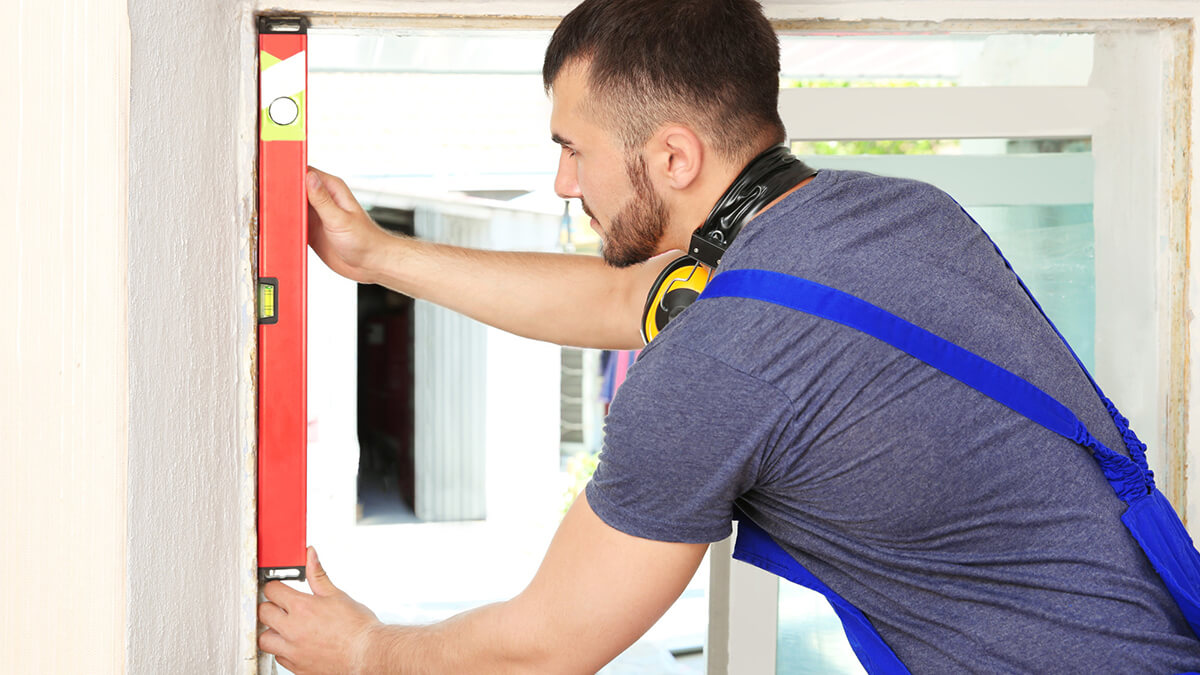
New windows increase home value, typically returning 67 to 72 percent of their cost at resale, according to Zonda’s 2025 Cost vs. Value Report. On a full vinyl replacement project averaging $21,000, that works out to roughly $14,270 in added resale value. The return is real, but so is the gap between what you spend and what you recover at closing.
Understanding replacement windows ROI requires weighing several factors together: window condition, material choice, local market comparables, and whether your timeline actually supports a pre-sale upgrade. Home resale value benefits most when the existing windows are failing rather than just aging cosmetically.
This guide covers how much new windows add to home value, what window replacement cost looks like in 2026, how vinyl, wood, and fiberglass compare by ROI, whether replacing windows before selling makes financial sense, how 20-year-old windows perform, and how energy-efficient windows affect what buyers and appraisers think your home is worth.
Table of contents
- How much do new windows add to home value?
- What does window replacement cost in 2026?
- Vinyl vs. wood vs. fiberglass: ROI compared
- Do new windows increase appraisal value?
- Is it worth replacing windows before selling?
- Is it worth replacing 20-year-old windows?
- How energy-efficient windows affect resale value
- What increases a house’s value the most?
- Mistakes to avoid when replacing windows
- Frequently Asked Questions
Skip the $21K Window Bill Cash buyers purchase your home as-is — no upgrades, no repair negotiations required.
Multiple cash offers, no repairs needed, close in 7-30 days.
How much do new windows add to home value?
Vinyl window replacement adds roughly $14,270 in resale value on a project costing about $21,000, for a return of 67 to 72 percent, per Zonda’s 2025 Cost vs. Value Report. Wood replacement windows return approximately 63 percent on a higher project cost near $26,000.
The dollar lift varies by material, number of windows replaced, and your local real estate market. In regions where buyer expectations run toward modern, energy-efficient windows, the return tends toward the higher end. In softer markets where comparable sales don’t yet support a premium for new windows, the return settles closer to 60 percent.
What the 2025 Cost vs. Value Report says
The replacement windows ROI figures below come from the Cost vs. Value Report, which Zonda publishes annually using contractor and real estate professional surveys across more than 100 U.S. markets. It is the most widely cited benchmark for home improvement ROI in real estate.
| Window Type | Avg. Project Cost (10 windows) | Resale Value Added | ROI % |
|---|---|---|---|
| Vinyl replacement | $21,000 | $14,270 | 67, 72% |
| Wood replacement | $26,000 | $16,380 | ~63% |
| Fiberglass | $22,000, $30,000 | Not separately tracked | Est. 60, 70% |
| Single- to double-pane upgrade | $18,000, $24,000 | $12,000, $16,000 | 65, 70% |
| Partial replacement (3, 4 windows) | $3,000, $6,000 | $2,000, $4,000 | ~65, 67% |
Based on Zonda 2025 Cost vs. Value Report data. Fiberglass and partial-replacement figures are estimates. Verify current values before budgeting.
The NAR Remodeling Impact Report corroborates these ranges, noting that window replacement ranks among the projects buyers consistently recognize and factor into offers.
Why you typically won’t recoup the full cost
Appraisers and buyers benchmark window value against comparable sales, not against your project receipts. If homes in your neighborhood don’t command a premium for new windows, your appraisal won’t reflect the full project cost regardless of what you spent.
Market timing is the second factor. In a balanced or buyer-favoring market, buyers negotiate more aggressively and are less likely to pay a full premium for recent upgrades. On a $21,000 vinyl project, the net cost after the roughly $14,270 recovery is $6,730 out of pocket. That number belongs in your pre-sale math before you sign a contract with a window contractor.
What does window replacement cost in 2026?
Window replacement cost ranges from $300 to $800 per window installed for standard vinyl and from $500 to $1,500 per window for fiberglass, per Angi’s cost guide. Full-house window replacement for a 10-window home averages about $21,000 for vinyl and $26,000 for wood.
For context on how window replacement fits within broader home renovation budgets, see this guide on home renovation costs to understand what improvement projects typically run relative to home value.
Cost per window vs. full-house replacement
The window replacement cost per unit is higher for individual replacements than for full-house projects because contractors apply volume pricing to multi-window jobs. Replacing one window runs $300 to $800 for vinyl. A full 10-window project brings the per-window cost down in practice, though the total reaches $21,000 on average.
Labor accounts for 30 to 50 percent of total window installation cost. When comparing contractor bids, confirm that each quote covers removal of old frames, flashing, and interior trim finishing. Bids that exclude those items can appear 20 to 30 percent cheaper upfront while producing a substantially higher final invoice.
What drives the price difference
Four variables move the price most: window frame material, window size, story height, and geographic region. Oversized or custom windows require more material and more labor time. Second-story windows add scaffolding or extended ladder time. Northeast and West Coast markets typically run 15 to 25 percent higher than Midwest and Southeast markets on equivalent window types.
Long-term costs also differ by material. Vinyl requires minimal upkeep. Wood window replacement carries ongoing costs for painting and sealing, which reduce net return if deferred by future owners.
Vinyl vs. wood vs. fiberglass: ROI compared
Vinyl windows deliver the highest replacement windows ROI at 67 to 72 percent for most sellers. Wood returns approximately 63 percent on a higher base cost. Fiberglass offers stronger thermal performance but costs as much as or more than wood, and its ROI is not tracked separately in the Cost vs. Value Report.
The table below compares all three materials on the dimensions that matter most to a seller evaluating pre-sale upgrades.
| Window Material | Avg. Project Cost (10 windows) | Resale Value Added | ROI % | Best Application |
|---|---|---|---|---|
| Vinyl | $21,000 | $14,270 | 67, 72% | Most resale sellers; pre-sale sprints |
| Wood | $26,000 | $16,380 | ~63% | Historic districts; luxury markets |
| Fiberglass | $22,000, $30,000 | Est. $14,000, $18,000 | Est. 60, 70% | Long-term holds; extreme climates |
Vinyl and wood ROI from Zonda 2025 Cost vs. Value Report. Fiberglass figures are estimates; not separately tracked in the report.
Vinyl: highest ROI for most sellers
Vinyl windows resale value performance consistently leads other materials because vinyl carries the lowest upfront cost among quality options and meets ENERGY STAR certification thresholds in most climate zones. Buyers recognize vinyl window replacement as the market-standard choice, which means you’re not over-investing for your neighborhood in most cases.
Vinyl also benefits from the highest contractor availability, which keeps installation costs competitive. For a seller on a 60-to-90-day pre-sale timeline, vinyl is the practical default in most U.S. markets.
Wood: better aesthetics, lower return
Wood window replacement returns approximately 63 percent, which is lower than vinyl despite adding more absolute dollars ($16,380 versus $14,270) because the higher project cost absorbs the advantage. Wood makes clear sense in historic districts where vinyl is architecturally discouraged, or in luxury markets where buyers expect premium materials throughout the home.
Existing wood frames in good condition sometimes don’t need replacing at all. Preserving and repainting sound wood frames can look better on disclosure documents than a recent replacement that reveals how deteriorated they had become.
Fiberglass: durability at a price
Fiberglass windows run $500 to $1,500 per window installed and outperform vinyl on thermal efficiency and long-term durability. That performance premium is difficult to recover at resale because most buyers cannot distinguish fiberglass from premium vinyl by visual inspection alone.
Fiberglass windows are most defensible for long-term owners in extreme climates, where energy savings compound significantly over time. For sellers listing within 12 months, the cost-recovery math rarely favors fiberglass over vinyl.
Do new windows increase appraisal value?
Yes, new windows increase appraisal value, though appraisers typically credit 60 to 72 percent of the replacement cost rather than the full amount. The NAR Remodeling Impact Report documents how appraisers factor home condition and improvements into overall property assessments, confirming that window replacement registers in the final adjusted value without delivering a dollar-for-dollar credit.
How appraisers evaluate window condition
Appraisers evaluate window type, frame material, insulation value, condition, and size as part of their overall property condition rating. The home appraisal process compares your home against three to five similar homes that recently sold, then adjusts for differences, including window quality. If comparable homes already have new windows, you receive no relative credit for matching that standard.
A home with failed seals, rotting frames, or single-pane glass in a neighborhood where double-pane windows are the norm receives a condition deduction from that baseline, not a neutral score. New windows remove the deduction rather than add a bonus premium on top of market value.
What appraisers won’t give full credit for
Over-improving for your neighborhood is the most common way to lose return on window replacement. Installing fiberglass windows in a market where vinyl represents the ceiling on comparable sales means the appraiser will not credit the cost difference. Appraisers are constrained by what the market will actually pay, not by what you spent.
Unpermitted window installation is a separate risk. If your replacement work was completed without a permit, an appraiser may flag it as a deficiency. A buyer who discovers unpermitted work later may request a credit or add a buyer contingency at closing, eroding your net proceeds further.
Is it worth replacing windows before selling?
The decision to replace windows before selling is more condition-driven than cosmetic. A full vinyl replacement project costs $15,000 to $21,000 and returns only 67 to 72 percent at resale. Per seller appraisal guidance from Realtor.com, that math only works when specific failure conditions make the alternative (buyer credits or price reductions) equally expensive.
5 signs replacement pencils out before listing
Replace windows before selling if three or more of the following apply:
- Seal failure is visible. Fogging or condensation between double-pane glass means the insulating gas has escaped. Buyers and inspectors flag this reliably, and a credit request for a full-house seal failure typically runs $5,000 to $10,000.
- Drafts are detectable indoors. Air movement near closed windows in cold weather signals functional failure, not a style complaint. Buyers notice it on walkthroughs and use it in negotiations.
- Wood frames show visible rot or warping. Rotting frames are a disclosure item in most states. A buyer contingency for window repair in this scenario is nearly certain.
- Your market expects double-pane windows. If comparable sales all feature double-pane windows and yours are single-pane, the absence reads as deferred maintenance rather than a style choice.
- Replacement cost is less than an expected buyer credit. If you anticipate a buyer credit request of $15,000 or more for window condition, deciding to replace windows before selling may produce a better net outcome. The math works when the credit you avoid is within $6,000 to $7,000 of the full project cost.
When to skip the upgrade and sell as-is
Skip window replacement when your listing timeline is under 30 days, when windows are functionally sound but cosmetically dated, or when project cost would exceed $20,000 in a market where comparable sales don’t support the premium. In those scenarios, the net $6,730 cost on a $21,000 vinyl project rarely recovers at resale.
Cash buyers are the clearest case for skipping the upgrade. Understanding what a cash offer covers helps clarify that cash buyers typically purchase in current condition, without requiring window replacement or issuing a credit for aging windows. If your windows are aging but not catastrophically failed, selling as-is may preserve more equity than spending $21,000 to recover $14,000 of it.
Is it worth replacing 20-year-old windows?
Yes, replacing 20-year-old windows is usually worth it. Most residential windows reach the end of their useful life between 15 and 25 years, and 20-year-old units fall squarely into the zone where seal failures, thermal degradation, and frame wear make replacement cost-effective.
Five reasons to act at the 20-year mark:
- Seal breakdown is common. The insulating gas fill in double-pane windows depletes over time. By 20 years, foggy panes are the norm rather than the exception in most climates.
- Energy loss is measurable. Windows and doors account for 25 to 30 percent of residential HVAC energy loss. Twenty-year-old units rarely perform near modern insulation standards.
- Resale impact is real. Buyers who see 20-year-old windows flagged in a home inspection are more likely to request a credit than buyers who see recently replaced units.
- Comfort and noise reduction. Modern double-pane and triple-pane glass with low-E coatings reduces exterior noise and temperature variation near windows noticeably.
- Inspection and disclosure. Window condition is a disclosure item in most markets. Visible failure at the 20-year mark creates a paper trail that buyers and agents reference in offers.
Signs your 20-year-old windows are failing
Watch for condensation or fogging between panes (a failed seal), sticking or difficult-to-open sashes, visible water infiltration at the sill, and audible air noise around frames at wind speeds that don’t affect newer windows. Any one of these warrants a contractor evaluation. Three or more mean replacement is overdue.
Energy loss from aging windows
According to the DOE’s window guide, inefficient windows account for 10 to 20 percent of a home’s total heat loss. ENERGY STAR certified windows reduce energy bills by 7 to 15 percent annually compared to non-certified single-pane or older double-pane units. At average U.S. energy costs, those energy savings translate to $100 to $400 per year, depending on home size and climate zone.
How energy-efficient windows affect resale value
Energy efficient windows home value benefits work through two channels: lower utility bills make the home cheaper to own, and ENERGY STAR certification signals a well-maintained property to buyers. Both factors influence buyer demand and, in some markets, appraisal outcomes.
ENERGY STAR windows and buyer demand
Buyers in extreme climates, including the Sun Belt and the Northeast, assign a measurable premium to ENERGY STAR windows because the energy savings compound over years of ownership. In mild climates, the premium is smaller but still present as a tie-breaker between otherwise comparable homes.
Listing descriptions that note ENERGY STAR certified windows attract buyers specifically searching for move-in-ready, low-operating-cost homes. In energy-conscious markets such as the Pacific Northwest and the Northeast, the absence of energy-efficient windows can become a negotiating point even when windows are otherwise functional. New windows also improve curb appeal by eliminating the yellowed seals and degraded frames that signal deferred maintenance from the street.
The Section 25C tax credit (up to $600/year)
The Section 25C tax credit, established under the Inflation Reduction Act, covers 30 percent of the cost of ENERGY STAR certified windows, up to $600 per year for windows and skylights combined. Per the IRS Section 25C rules, the credit applies to the tax year in which the windows are installed and reduces your federal income tax owed dollar-for-dollar, not just your taxable income.
Homeowners who replace windows in phases across multiple tax years can claim up to $600 per year in each qualifying year. This makes phased replacement across two tax years more tax-efficient than a single full-house project if the annual $600 cap would otherwise go unused.
Consult a tax professional to confirm your eligibility and verify the credit has not been modified by 2026 budget legislation before filing.
Energy savings in dollar terms
Standard ENERGY STAR double-pane windows with low-E glass block 40 to 70 percent of solar heat gain depending on your climate zone. That performance level reduces cooling loads in summer and heating loads in winter. Over a 10-year ownership horizon, cumulative energy savings on a full-house replacement can reach $1,000 to $4,000, depending on utility rates and climate.
The energy savings argument is strongest when paired with the resale case. Replacing with ENERGY STAR certified windows improves your home’s energy efficient windows home value profile while reducing your monthly carrying cost in the months before you list.
What increases a house’s value the most?
For sellers making improvement decisions in the next 90 days, project-level ROI data is what matters, not the non-actionable fundamentals of location and square footage. Exterior upgrades dominate the top of the cost vs. value report rankings, driven by curb appeal and buyer first impression.
Here are the top five projects by ROI from Zonda’s 2025 data:
- Garage door replacement: approximately 268% ROI. The single highest-return improvement project in the 2025 report.
- Steel entry door replacement: approximately 188% ROI.
- Manufactured stone veneer: approximately 153% ROI.
- Minor kitchen remodel: approximately 96% ROI.
- Vinyl window replacement: 67 to 72% ROI. A solid mid-tier home improvement ROI, not the top-return option if pure return is your only criterion.
The structural pattern is notable. Exterior projects dominate the top rankings because they shape the buyer’s first impression before the front door opens. Garage doors, entry doors, and stone veneer all land in that first-impression window.
Economic conditions also shape whether improvement projects recover their full cost at resale. For context on how market cycles influence buyer willingness to pay for upgrades, see recession impact on real estate.
Windows at 67 to 72 percent ROI represent a meaningful investment when the windows are failing. If they’re cosmetically dated but functional, a garage door replacement or steel entry door upgrade will likely produce a stronger return on the same budget.
Mistakes to avoid when replacing windows
-
Over-investing for the neighborhood. Installing premium fiberglass windows in a market where vinyl windows resale value is the ceiling for comparable sales means paying more with no additional recovery at resale. Check what materials appear in recent comps before choosing a material tier.
-
DIY installation without permits. Unpermitted window installation is a disclosure risk and an appraisal risk. Appraisers flag unpermitted work; buyers may request a credit or add a buyer contingency at closing. Pull the permit regardless of local enforcement norms.
-
Replacing only the most visible windows. Mismatched windows (new in front, 20-year-old in back) read worse to buyers than consistent aging throughout. If your budget covers four to five windows, prioritize the most functionally failed units, not the most photographically visible ones.
-
Skipping ENERGY STAR certification. Non-certified windows forfeit the Section 25C tax credit and eliminate energy savings as a listing marketing angle. The cost difference between ENERGY STAR certified and non-certified ENERGY STAR windows in vinyl is typically minimal; the tax and marketing upside is not.
-
Timing replacement less than 30 days before listing. Buyers can’t verify quality from a fresh installation. Installation dust shows in listing photos. Contractor scheduling delays can push your listing date. A 60-to-90-day lead before listing allows for delays without disrupting your timeline.
-
Choosing wood over vinyl for ROI reasons. Wood window replacement photographs well and fits premium aesthetics, but it returns approximately 9 to 10 percentage points less ROI than vinyl at a higher base project cost. Unless a historic district requirement or a luxury market demands it, the ROI math favors vinyl for pre-sale replacements.
Before you commit $21,000 to new windows, consider what that money looks like from a different angle. Cash buyers on iBuyer.com purchase homes in their current condition, with no window replacement required and no repair negotiations. You submit your property, receive competing cash offers from vetted buyers, and choose the timeline that works for you. If your windows are aging but not catastrophically failed, selling as-is may net you more than spending $21,000 to recover $14,000 of it at resale. Get your offer range and compare it against the cost of the upgrade.
Sell As-Is, Keep the Upgrade Budget Compare competing cash offers and skip the window replacement cost entirely.
No repairs, no listings, no agent fees.
Frequently Asked Questions
Yes, new windows increase home value, typically returning 67 to 72 percent of their cost at resale, per the 2025 Cost vs. Value Report. The return varies by material, region, and the condition of your existing windows. Vinyl returns the highest percentage; wood returns slightly less. Replacing failed or visibly damaged windows in a market where comps support the premium produces a stronger lift than cosmetic-only upgrades.
A full vinyl window replacement adds roughly $14,270 in resale value on a project costing about $21,000, for a 67 to 72 percent ROI. Wood replacements add proportionally less relative to their higher cost (approximately $26,000 project, about 63 percent return). The absolute dollar lift varies by number of windows replaced and local market conditions.
Yes, new windows can increase appraisal value, though appraisers typically credit 60 to 72 percent of the replacement cost, not the full amount. Appraisers evaluate window type, condition, frame material, and insulation value as part of overall property condition. They benchmark against comparable sales rather than project receipts, so the appraisal lift is smaller in markets where comps don’t support a premium for new windows.
Replacing 20-year-old windows is usually worth it, since most residential windows reach the end of their useful life between 15 and 25 years. Common failure signs include fogging between panes, visible frame rot, and drafts detectable indoors. Windows and doors account for 25 to 30 percent of residential HVAC energy loss, and 20-year-old units rarely perform near modern insulation standards.
Location, square footage, and major exterior upgrades drive home value most, with garage door replacement returning approximately 268 percent ROI in 2025. For sellers making active improvement decisions, exterior projects dominate: steel entry door (~188%), manufactured stone veneer (~153%), and vinyl window replacement (67 to 72%) follow in order.
Vinyl window replacement returns 67 to 72 percent of its cost at resale, according to Zonda’s 2025 Cost vs. Value Report. Wood windows return approximately 63 percent. The ROI range across all materials and regions runs 60 to 85 percent, depending on local market conditions and installation quality.
Whether to replace windows before selling depends on window condition; a full replacement project costs $15,000 to $21,000 and returns only 67 to 72 percent. Seal failures, rotting frames, or single-pane glass in a double-pane market make replacement defensible. Cosmetically dated but functional windows rarely justify the net $6,700-plus outlay in a soft market.
Window replacement costs range from $300 to $800 per window installed for vinyl, with a full-house replacement averaging about $21,000 for 10 windows. Wood and fiberglass windows run $500 to $1,500 per window installed. Labor accounts for 30 to 50 percent of total project cost, and Northeast and West Coast markets trend higher than the national average.
Most replacement windows last 15 to 25 years, though vinyl and fiberglass frames often exceed 20 years with proper installation and maintenance. Wood frames can last longer with consistent upkeep but are more vulnerable to rot and moisture damage. Installation quality affects longevity significantly; improperly flashed windows can develop water intrusion within five years regardless of frame material.
Energy-efficient windows help sell a house by cutting utility costs 7 to 15 percent annually, strengthening the energy efficient windows home value case and signaling a well-maintained home to buyers. Buyers in hot or cold climates assign higher value to ENERGY STAR certified windows than buyers in mild climates. In energy-conscious markets, the absence of efficient windows can become a negotiating point even when existing windows are functionally sound.
Vinyl windows offer the best ROI, returning 67 to 72 percent of their cost, compared to roughly 63 percent for wood and an estimated 60 to 70 percent for fiberglass. Vinyl windows resale value performance leads consistently in the Cost vs. Value Report year after year. Wood is preferable in historic districts and luxury markets despite the lower percentage return.
Yes, the IRS Section 25C credit covers 30 percent of the cost of ENERGY STAR certified windows, up to $600 per year for windows and skylights combined. The credit applies only to windows that meet ENERGY STAR certification standards for your climate zone and reduces your federal income tax owed dollar-for-dollar. Homeowners replacing windows across multiple tax years can claim up to $600 per year in each qualifying year.
Window replacement rarely triggers a property tax reassessment because it is considered maintenance rather than a structural addition to the home. Adding square footage or a new structure typically triggers reassessment; replacing existing windows in kind generally does not. Confirm your local assessor’s policy before pulling a permit on a high-cost project.
Replace windows at least 60 days before listing so buyers can see them during showings and the improvement appears in listing photos. Replacing within 30 days of listing creates installation dust, scheduling risk, and limited buyer verification time. A 60-to-90-day lead also allows for contractor delays without pushing your listing date.

Reilly Dzurick is a licensed real estate agent with over six years of experience and a member of the iBuyer.com Market Insights Team, covering national trends in home selling and the evolving iBuyer landscape. Her firsthand experience working with buyers and sellers gives her a practical perspective on how these platforms impact real homeowners. She holds a degree in Public Relations, Advertising, and Applied Communication.