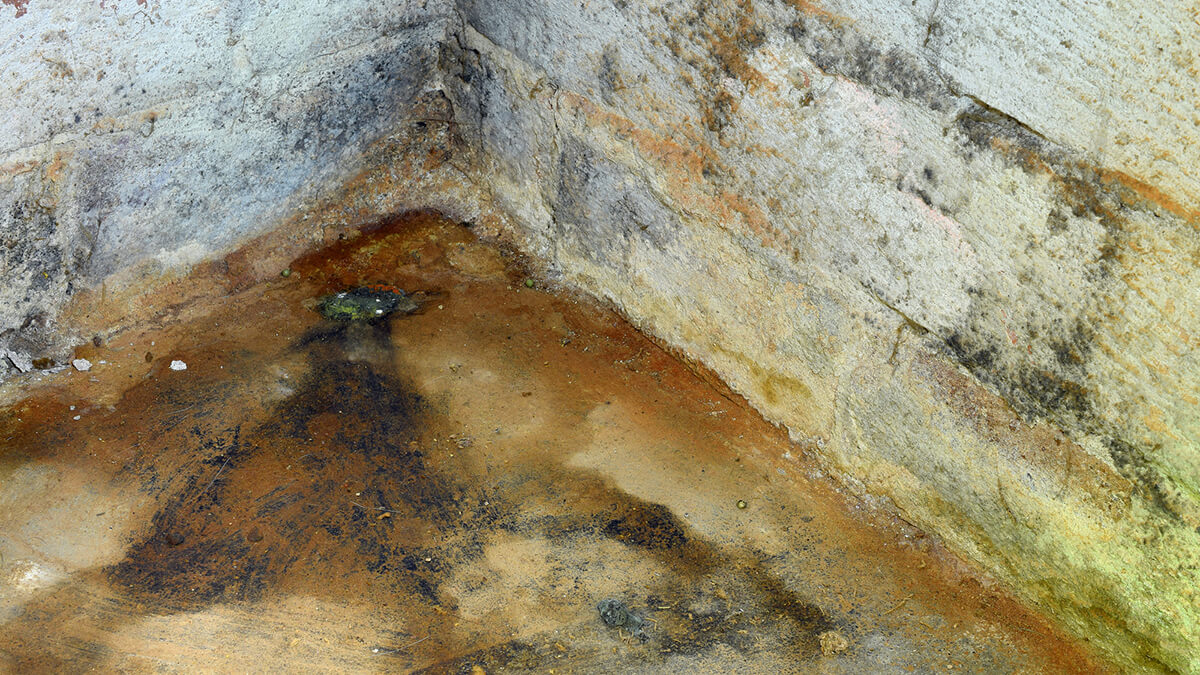
Crawl space issues commonly involve excess moisture, mold growth, and pest infestations, damaging your home’s wood structure and making indoor air unhealthy. Left untreated, these problems escalate from a musty smell into rotted floor joists, shifted foundation piers, and five-figure repair bills. Repair costs range from $1,200 for a basic vapor barrier to $15,000 for full crawl space encapsulation, depending on the severity and scope.
If you’re a homeowner, the good news is that most crawl space problems follow recognizable patterns and have known fixes. If you’re a seller, the stakes are higher: disclosed crawl space defects cause financed buyers to walk more often than almost any other inspection finding.
This guide covers the seven most common crawl space problems, signs of poor ventilation, 2026 repair costs, insurance coverage rules, encapsulation pros and cons, foundation lifespan, and how to decide whether to repair or sell as-is.
Crawl Space Issues
- What Is a Crawl Space? (And Why It Causes Problems)
- The 7 Most Common Crawl Space Problems
- Signs of Poor Crawl Space Ventilation
- Crawl Space Repair Costs in 2026
- Does Homeowners Insurance Cover Crawl Space Repair?
- Crawl Space Encapsulation: Pros, Negatives, and Costs
- Crawl Space Foundation Lifespan
- When to Sell a Home with Crawl Space Problems As-Is
- How to Inspect Your Crawl Space for Moisture Problems
- Sell As-Is if Crawl Space Repairs Don’t Pencil Out
- Frequently Asked Questions
Sell As-Is — Crawl Space Problems Included Cash buyers price in the damage so you skip the repair bill
No repairs, no commissions, close in 7-30 days.
What Is a Crawl Space? (And Why It Causes Problems)
A crawl space is the shallow, unfinished area between a home’s ground floor and the soil below, typically 1 to 3 feet in height. It provides access to plumbing, wiring, and ductwork without the excavation cost of a full basement. About 15% to 25% of U.S. homes are built on crawl space foundations, particularly in the Southeast and parts of the Mid-Atlantic where full basements are impractical.
The problem is structural: a crawl space sits directly above bare earth or a dirt floor, which releases moisture continuously. That moisture has to go somewhere.
How crawl spaces differ from basements and slabs
A basement is fully excavated, usually 7 to 8 feet tall, and conditioned as part of the living space. A slab foundation pours concrete directly on grade, eliminating the below-floor cavity entirely. A crawl space is the middle option: elevated enough for access, shallow enough to skip full excavation, and open enough to accumulate every problem that comes with trapped humidity.
Slabs have no crawl space moisture risk. Basements have moisture risk but also ventilation and conditioning options. Crawl spaces combine the worst of both: confined, dark, and often vented in ways that make moisture worse rather than better.
Why the stack effect pushes crawl space air into your home
The stack effect is the mechanism that turns a damp crawl space into a whole-home problem. As warm air rises through your living space, it creates slight negative pressure at the lowest point of the house. That pressure draws air upward from the crawl space through gaps in the subfloor, around plumbing penetrations, and through ductwork joints.
According to why homes have crawl spaces, up to 50% of first-floor air originates in the crawl space. That means mold spores, humidity, musty odors, and radon gas travel into living areas whether you can see the damage below or not.
The 7 Most Common Crawl Space Problems
Crawl space problems almost always start with one root cause: uncontrolled moisture. The seven issues below are the most common findings in crawl space inspections, ordered from highest frequency to most severe consequence.
Excess moisture and standing water
Standing water or persistent dampness is the single most common crawl space finding. After heavy rain, water can pool on a dirt floor if drainage is inadequate or if no vapor barrier is present. Even without visible puddles, soil moisture constantly evaporates into the crawl space air.
Cause: poor site grading, missing or torn vapor barrier, blocked vents, or a high water table. Fix: regrade the soil around the foundation so water drains away, install or replace the vapor barrier, and address any drainage failures before applying other solutions.
Mold and mildew growth
Visible mold on joists, rim boards, or insulation indicates humidity has exceeded the threshold where fungi thrive. Mold grows when relative humidity exceeds 60% consistently, which is common in unencapsulated crawl spaces in humid climates.
Cause: crawl space moisture with no active drying mechanism. Fix: professional mold remediation ($1,500 to $4,000), followed by a dehumidifier installation and vapor barrier upgrade to prevent recurrence.
Pest and rodent infestations
Droppings, gnawed insulation, or visible entry holes signal a pest infestation. Rodents, termites, carpenter ants, and spiders are all common in the dark, damp environment a crawl space provides.
Cause: gaps in the foundation wall, open vents without screens, and the moisture that makes the space hospitable. Fix: pest treatment runs $300 to $800 initially, plus $50 to $100 per month for maintenance contracts. Termite damage repair averages $3,000 according to Angi. Sealing entry points and controlling moisture reduces reinfection.
Sagging or soft floors (wood rot)
Bouncy, soft, or visibly uneven floors above the crawl space indicate wood rot in the floor joists or subfloor. Sagging floors are a structural finding, not a cosmetic one.
Cause: wood rot begins when moisture content in wood exceeds 20% for extended periods. Joists lose structural integrity progressively. Fix: sistering (reinforcing) affected joists at $100 to $300 per joist, or full joist replacement for severe cases. Shifting foundation piers require separate structural repair.
Poor ventilation and high indoor humidity
Elevated indoor humidity, condensation on windows, and high HVAC costs can all trace back to crawl space ventilation failure. The International Residential Code (IRC) requires 1 square foot of vent opening per 150 square feet of crawl space floor area, or 1:1,500 with a ground-cover vapor barrier. Many older homes fall short of that standard.
Cause: blocked, undersized, or too-few vents; in humid climates, traditional venting can actually worsen the problem by pulling moist outdoor air inside when outdoor dew point exceeds crawl space temperature. Fix: consult a building scientist about whether to improve traditional crawl space ventilation or switch to an encapsulated, conditioned crawl space model.
Structural decay and shifting foundation piers
Cracks in foundation walls, settling floors, or doors that stick can indicate that structural supports in the crawl space have shifted or deteriorated. Foundation piers made of wood or unreinforced block are most vulnerable.
Cause: long-term moisture exposure weakens both wood posts and the soil beneath concrete piers, allowing settling. Fix: professional structural repair or pier replacement, which varies widely in cost from $1,000 to $10,000+ depending on the number of piers affected.
Radon gas infiltration
No visible symptom reliably indicates radon. It is an odorless, colorless gas that seeps from soil and rock into the crawl space, and then rises into the home via the stack effect.
According to radon in crawl spaces, radon is the second-leading cause of lung cancer in the United States, responsible for approximately 21,000 deaths annually. Fix: radon testing ($15 to $30 DIY kit) followed by sub-slab or sub-membrane depressurization if levels exceed 4 pCi/L. Encapsulation without a radon mitigation system can trap radon and worsen exposure.
Crawl Space Diagnostic Summary
| Problem | Likely Cause | Urgency | Homeowner Check |
|---|---|---|---|
| Standing water | Drainage failure, no vapor barrier | High | Look for puddles or mud after heavy rain |
| Musty odors | Mold or mildew colonies | High | Smell at floor vents; inspect joists with flashlight |
| Visible mold on joists | Humidity above 60% RH consistently | High | Look for black, green, or white fuzzy growth on wood |
| Sagging floors | Wood rot in floor joists | High | Walk floors; press screwdriver into joists |
| Pest activity | Open vents, entry gaps, moisture | Medium | Check for droppings, gnawed insulation, entry holes |
| Condensation on pipes | Excess crawl space humidity | Medium | Check pipes after a warm day following cool nights |
| High indoor humidity | Stack effect pulling crawl space air up | Medium | Use a hygrometer; reading above 55% RH warrants inspection |
| Radon presence | Soil gas infiltration | Medium (test first) | Use a DIY radon test kit; retest every 2 years |
Based on EPA and building science guidance, 2026. Verify urgency with a licensed inspector before deciding on remediation scope.
Signs of Poor Crawl Space Ventilation
Poor crawl space ventilation shows up as musty odors, visible mold on joists, condensation on pipes, and wet insulation, usually before any structural damage is visible.
Traditional vented crawl spaces pull exterior air inside continuously. In humid climates, that means the crawl space humidity rises rather than drops on warm, humid days, because the incoming air carries more moisture than the space already holds. Per crawl space ventilation standards at the Pacific Northwest National Laboratory Building America Solution Center, venting works in dry climates but is counterproductive in hot-humid regions.
Musty odors reaching living areas
Persistent musty smell at floor level or from HVAC vents is the most common first sign homeowners notice. The odor is volatile organic compounds (VOCs) produced by mold and mildew. Because the stack effect pulls crawl space air into living areas, the smell often appears well before any visible damage.
Condensation on pipes and ductwork
Visible water droplets on cold-water pipes or metal ductwork indicate that the crawl space air is humid enough to condense on cooler surfaces. This is most common in late spring and summer, when warm outdoor air enters the crawl space and meets cooler pipe surfaces. Condensation drips back onto insulation and the subfloor, accelerating wood rot.
Wet or fallen insulation
Batt insulation hanging down from between joists or visibly wet is a reliable sign that crawl space moisture has exceeded the insulation’s capacity to stay in place. Wet fiberglass loses most of its R-value and becomes a reservoir for mold growth.
Pest activity spikes
Sudden increases in rodent or insect activity inside the home can trace to crawl space ventilation failure: as moisture rises, the space becomes more hospitable to pests, which then migrate upward through the stack effect pathways. Poor ventilation is often the precondition that enables a pest infestation to establish itself.
Crawl Space Repair Costs in 2026
Crawl space repair costs range widely depending on the specific problem, the size of the crawl space, and your region’s labor market. The table below shows 2026 cost ranges for the most common repairs.
| Repair Type | Typical 2026 Cost Range | What It Covers |
|---|---|---|
| Vapor barrier (DIY) | $0.15 to $0.50 per sq ft | Materials only; 6-mil poly sheeting for dirt floor |
| Vapor barrier (installed) | $1,200 to $4,000 | Professional installation of 6- to 12-mil sheeting |
| Crawl space encapsulation | $5,000 to $15,000 | Full liner, sealed vents, wall insulation, dehumidifier |
| Mold remediation | $1,500 to $4,000 | Professional cleaning, treatment, and source control |
| Joist sister repair | $100 to $300 per joist | Reinforcing rotted floor joists with new lumber |
| Pest treatment | $300 to $800 (initial) | Extermination plus entry-point sealing |
| Pest maintenance contract | $50 to $100 per month | Quarterly inspections and retreatment |
| Sell as-is to a cash buyer | No repair cost | Buyer prices in existing condition; seller skips repair bill |
Based on Angi 2026 national averages. Costs vary by region and crawl space size. Verify current rates with local contractors before committing.
Vapor barrier installation cost
A vapor barrier is the minimum intervention for a dirt-floor crawl space. DIY installation uses 6-mil polyethylene sheeting, which costs $0.15 to $0.50 per square foot in materials. Professional installation of a heavier 12-mil liner, with seams taped and edges sealed to foundation walls, runs $1,200 to $4,000 for a typical 1,000 to 1,500 square foot crawl space.
A vapor barrier alone does not seal the crawl space. It reduces ground moisture evaporation but leaves vents open, so humid outdoor air can still enter.
Crawl space encapsulation cost
Full crawl space encapsulation averages $5,500 with a range of $5,000 to $15,000 according to 2026 crawl space repair cost data from Angi. The wide range reflects crawl space size, liner thickness (typically 12 to 20 mil polyethylene), whether wall insulation is included, and whether a dedicated dehumidifier is part of the system.
Encapsulation is a complete system: sealed liner on the floor and walls, closed vents, conditioned air or a standalone dehumidifier, and ideally a radon mitigation component if testing warrants it.
Mold remediation cost
Mold remediation costs $1,500 to $4,000 for a typical crawl space. The range depends on the extent of the colony, whether joists need surface treatment only or partial replacement, and regional labor rates. Consumer-grade sprays do not address the root moisture cause and are not a substitute for professional remediation.
Structural repair (joists, piers) cost
Sistering a rotted floor joist costs $100 to $300 per joist for labor and materials. A crawl space with widespread wood rot affecting 10 to 20 joists can reach $2,000 to $6,000 in structural repair costs before any encapsulation work begins. Shifting foundation piers add further cost depending on whether they need shimming, replacement, or underpinning.
Pest treatment cost
Initial pest treatment runs $300 to $800. Termite-specific treatment and repair averages $3,000 when structural damage is involved. Ongoing maintenance contracts run $50 to $100 per month and are worth the cost in high-risk regions.
Does Homeowners Insurance Cover Crawl Space Repair?
Homeowners insurance generally does not cover crawl space repair, unless the damage was caused by a sudden, accidental covered event like a burst pipe or storm impact.
This is the answer that matters before you file a claim or defer a repair hoping insurance will pay. The categorical exclusions are broad.
What insurance typically covers (sudden, accidental events)
A standard HO-3 policy covers damage from sudden, accidental, covered perils: a burst pipe that floods the crawl space, a windstorm that damages a foundation vent, or a vehicle that strikes the foundation. If a pipe bursts and water saturates floor joists, the resulting structural damage may be covered, but only if the homeowner took prompt action to mitigate further damage.
Even covered events carry deductibles, coverage limits, and the requirement that damage was not pre-existing.
What insurance excludes (moisture, wear and tear, neglect)
Per standard homeowners insurance exclusions from the Insurance Information Institute, the following are explicitly excluded under standard HO-3 policies:
- Long-term moisture intrusion or seepage
- Mold resulting from ongoing humidity rather than a sudden covered event
- Wood rot from gradual moisture accumulation
- Pest damage (termites, rodents, carpenter ants)
- Flood damage (requires a separate NFIP policy)
- Wear and tear, deferred maintenance, and neglect
Most crawl space problems fall into these excluded categories because they develop slowly over months or years.
How to check your policy before filing a claim
Read the “Perils Insured Against” section and the exclusions list before calling your insurer. Look for language about “sudden and accidental” versus “gradual” damage. If you’re unsure whether a specific event qualifies, request a written coverage determination rather than a verbal one. Check your specific policy language before assuming coverage applies, this article provides general guidance only.
Crawl Space Encapsulation: Pros, Negatives, and Costs
Crawl space encapsulation costs $5,000 to $15,000 and is the most comprehensive solution for chronic moisture problems. Before committing, weigh these six drawbacks alongside the benefits.
What encapsulation involves
Encapsulation seals the crawl space floor and walls with a heavy-duty polyethylene liner (typically 12 to 20 mil), closes all foundation vents, insulates the walls, and installs a conditioned air supply or a dedicated dehumidifier to maintain humidity below 55% relative humidity. A complete system may also include a sump pump and a radon mitigation component.
The liner has a typical lifespan of 25 years when installed correctly and not punctured during maintenance visits.
The main drawbacks of encapsulation
- High upfront cost. Full encapsulation averages $5,500 and can reach $15,000 for large or complex crawl spaces, a significant outlay with no guaranteed return at resale.
- Ongoing electricity cost. A crawl space dehumidifier adds $30 to $80 per month to energy bills, depending on climate and unit size.
- Radon risk if mitigation is omitted. Sealing the crawl space without a sub-membrane depressurization system can concentrate radon gas rather than allowing it to disperse. Per radon and crawl space encapsulation guidance from the EPA, test for radon before and after encapsulation.
- Existing problems get sealed in. If mold, rot, or pest activity is not fully remediated before encapsulation, sealing the space traps those conditions inside with reduced air exchange.
- Reduced fresh-air exchange. A sealed crawl space no longer exchanges air with the outdoors, which is the intent, but it requires the mechanical system (dehumidifier or conditioned air) to work reliably. Equipment failure means humidity spikes with no natural relief valve.
- Maintenance access becomes more disruptive. Any plumbing or HVAC work in an encapsulated crawl space requires cutting and resealing the liner, adding cost and complexity to routine repairs.
When encapsulation is worth it
Encapsulation earns its cost when you have persistent crawl space moisture that has already caused mold or wood rot, when you live in a hot-humid climate where traditional venting makes moisture worse, or when you plan to stay in the home long enough to recoup the investment in lower repair costs and better indoor air quality. For sellers with a short timeline, the math often favors disclosing and pricing accordingly rather than spending $5,000 to $15,000 weeks before listing.
Crawl Space Foundation Lifespan
A crawl space foundation typically lasts 40 to 80 years, with well-maintained or encapsulated foundations reaching 50 to 100+ years in favorable conditions.
| Crawl Space Type | Typical Lifespan | Key Determining Factor |
|---|---|---|
| Ventilated, high-humidity region | 30 to 50 years | Wood rot and pest damage accelerate deterioration |
| Ventilated, dry region | 50 to 70 years | Lower moisture exposure preserves structural wood |
| Encapsulated, any region | 50 to 100+ years | Controlled humidity dramatically slows decay |
Ranges based on expected lifespan of home foundation systems per NAHB guidance and building science consensus, 2026.
Ventilated vs. encapsulated: lifespan comparison
The gap between ventilated and encapsulated crawl space lifespan is driven almost entirely by wood moisture content. A ventilated crawl space in Georgia or Louisiana exposes floor joists to 70% to 90% relative humidity for six or more months per year. Even treated lumber eventually reaches the moisture content threshold where rot fungi activate. An encapsulated crawl space maintains humidity below 55% year-round, keeping wood moisture content well below the 20% rot threshold.
Concrete piers and poured concrete walls are less sensitive to humidity than wood framing, but they are affected by freeze-thaw cycles and soil movement, which encapsulation does not fully address.
Factors that shorten lifespan
- Chronic standing water or flooding
- Missing or degraded vapor barrier allowing direct soil contact with wood
- Pest infestation left untreated (termites hollow structural members in 2 to 5 years)
- Blocked or absent crawl space ventilation in vented-system designs
- Deferred maintenance allowing minor rot to spread to adjacent members
- Soil settlement undermining pier footings
When to Sell a Home with Crawl Space Problems As-Is
Sellers who discover crawl space moisture, mold, or structural damage face a decision that is both a financial question and a transaction strategy question. Repairing before listing can recover value, but it comes with cost, time, and no guarantee the buyer’s inspector won’t find something else.
Disclosure requirements for crawl space defects
Seller disclosure laws require written disclosure of known material defects in all 50 states. Crawl space moisture, mold growth, structural damage, and pest infestation all qualify as material defects in every jurisdiction that has addressed the question. Failure to disclose known defects creates post-closing liability.
Per seller disclosure requirements, federal law adds lead-based paint disclosure requirements for pre-1978 homes, but state law governs most structural and moisture defect disclosures. Check your state’s specific disclosure form before listing.
Sellers in high-humidity states face this question regularly. If you’re in a moisture-prone market, see the distressed home sale in North Carolina guide or the distressed home sale in Louisiana guide for state-specific context.
Repair vs. sell as-is: the math
| Seller Situation | Recommended Path | Why |
|---|---|---|
| Repair cost under 5% of home value, strong market | Repair and list traditionally | Repair cost likely recovered in higher sale price; financed buyers qualify |
| Repair cost above 5% or scope is uncertain | Sell as-is, disclose, price accordingly | Risk of cost overrun and extended timeline outweighs likely price gain |
| Timeline pressure or high financed-buyer walk risk | Cash buyer marketplace | Cash buyers price in conditions; no inspection contingency walking |
The repair-vs-sell decision is similar to other pre-sale investment questions. If you’re weighing crawl space repair alongside other items, the replacing windows before selling guide covers a comparable repair-or-skip framework for another common pre-sale decision.
For the full range of options available to sellers with known structural or moisture issues, the selling a house in poor condition guide covers as-is pricing, iBuyer offers, cash buyer networks, and traditional agent strategies in one place.
How to Inspect Your Crawl Space for Moisture Problems
How to Inspect Your Crawl Space for Moisture Problems
-
Gather the Necessary Tools
Prepare a flashlight, a pin-type moisture meter, knee pads, disposable coveralls, and an N95 mask. Do not enter the crawl space without respiratory protection if you suspect mold or other airborne contaminants.
-
Enter the Crawl Space Safely
Locate the access hatch and confirm that there is no standing water near the entrance. Make sure the crawl space is large enough to move through safely without contacting exposed wiring, ducts, or damaged structural components. If you see pooled water at the entry point, stop and contact a qualified professional.
-
Inspect the Vapor Barrier
Check the plastic sheeting covering the soil for tears, gaps, missing sections, or displacement. Pay particular attention to exposed soil near foundation walls, support posts, and corners, where moisture may enter more easily.
-
Check the Joists and Beams
Inspect floor joists, beams, and support posts for staining, visible mold, softness, or decay. If you use a flathead screwdriver to test suspicious wood, apply light pressure only. Wood that feels soft or is easily penetrated may indicate rot and should be evaluated by a qualified contractor or structural professional.
-
Measure the Wood Moisture Content
Use the moisture meter on joists in at least three areas of the crawl space. Record each reading and its location. Elevated readings, especially those above 19%, may indicate an active moisture problem that requires professional assessment rather than simple monitoring.
-
Document and Prioritize the Problems
Photograph damaged vapor barriers, moisture stains, standing water, visible mold, and softened wood. Record the location of each issue and determine whether it requires immediate professional attention or a scheduled inspection within the next several weeks.
Sell As-Is if Crawl Space Repairs Don’t Pencil Out
If your crawl space inspection turned up moisture damage, mold, or rotting joists, you already know what a financed buyer’s inspector will find. Rather than spend $5,000 to $15,000 on encapsulation and remediation with no guarantee the deal closes, you can submit your address to iBuyer.com and receive competing cash offers from buyers who price in existing conditions. No repairs required, no agent commission, and most sellers close within 7 to 30 days. Compare your offers and decide with no obligation to accept.
Skip the $5,000–$15,000 Repair Bill Get competing cash offers that account for crawl space conditions
Compare offers, no obligation, close on your timeline.
Frequently Asked Questions
Crawl space issues most commonly include excess moisture, mold growth, pest infestations, sagging floors, and poor ventilation, all worsened by an unencapsulated dirt floor. Moisture is the root cause of the other four: it feeds mold, attracts pests, rots floor joists, and drives the humidity spikes that degrade indoor air quality throughout the home.
Homeowners insurance generally does not cover crawl space repair unless a sudden, accidental covered event like a burst pipe or storm caused the damage. Long-term moisture, mold from gradual seepage, pest damage, and wear and tear are explicitly excluded under standard HO-3 policies. Flood damage requires a separate NFIP policy. Check your specific policy language before filing a claim.
Signs of poor crawl space ventilation include persistent musty odors, visible mold on joists, condensation on pipes, wet or fallen insulation, and higher-than-normal humidity in living spaces. These signs typically appear before structural damage. The stack effect pulls crawl space air upward into living areas, so symptoms often show up in the home before a homeowner inspects the space directly.
Crawl space encapsulation costs $5,000 to $15,000 upfront, requires ongoing dehumidifier maintenance, and can trap radon gas if sub-slab depressurization is not included. Additional drawbacks include $30 to $80 per month in electricity for the dehumidifier, risk that existing moisture problems get sealed inside if not remediated first, reduced fresh-air exchange, and more disruptive maintenance access to plumbing and HVAC in the sealed space.
A crawl space foundation typically lasts 40 to 80 years, and can reach 50 to 100+ years with proper moisture control and encapsulation. Ventilated crawl spaces in high-humidity climates often fall at the lower end due to wood rot and pest damage. Regular inspections every 2 to 3 years extend useful life.
A musty smell in the home, soft or bouncy floors, condensation on pipes, or visible water stains on foundation walls all indicate a crawl space moisture problem. A pin-type moisture meter costing $20 to $40 can confirm: readings above 19% in wood joists indicate active risk. A flashlight inspection after heavy rain revealing puddles or mud confirms drainage failure.
Crawl space repair costs range from $1,200 for vapor barrier installation to $15,000 for full encapsulation, depending on the size and severity of the problem. Mold remediation adds $1,500 to $4,000. Structural joist repairs run $100 to $300 per joist. Pest treatment costs $300 to $800 initially. Full encapsulation averages $5,500 per Angi’s 2026 data.
Yes, you can sell a house with crawl space problems, but you must disclose known material defects in writing in all 50 states. Financed buyers often walk when inspection reveals crawl space moisture or mold. Cash buyers typically price in repair costs and purchase as-is, making them a practical option for sellers who want to skip the repair process.
Crawl space encapsulation seals the crawl space floor and walls with a heavy-duty vapor barrier, typically 12 to 20 mil polyethylene, to block ground moisture from entering the home. A complete system includes sealing vents, insulating walls, and installing a dehumidifier. It differs from a basic vapor barrier, which only covers the floor. Encapsulation is recommended over traditional venting in humid climates.
A damp crawl space is urgent when you see standing water, visible mold, or soft floors, because those conditions cause thousands of dollars in structural damage within months. Mild condensation on pipes can wait for a scheduled inspection. Standing water, active mold on joists, or bouncy floors warrant a professional assessment within 30 days.
Yes, mold spores in the crawl space enter living areas through the stack effect and can cause respiratory symptoms, allergies, and worsened asthma. Because up to 50% of first-floor air originates in the crawl space, mold colonies below can affect the entire home’s indoor air quality. Professional remediation is required; consumer-grade sprays do not address the root moisture cause.
Sagging floors above a crawl space are caused by wood rot in the floor joists, damaged or shifted foundation piers, or both, typically from long-term moisture exposure. Wood joists begin to lose structural integrity when moisture content exceeds 20% for extended periods. Affected joists must be sistered or replaced; shifting piers require professional structural repair.
The stack effect is the process by which warm air rising through a home draws cooler, damper crawl space air upward into living areas through gaps in the subfloor. This makes crawl space air quality directly relevant to the whole home. Musty odors, humidity spikes, and mold spores travel upward via the stack effect, which is why crawl space ventilation problems manifest in the living space before a homeowner inspects below.

Reilly Dzurick is a licensed real estate agent with over six years of experience and a member of the iBuyer.com Market Insights Team, covering national trends in home selling and the evolving iBuyer landscape. Her firsthand experience working with buyers and sellers gives her a practical perspective on how these platforms impact real homeowners. She holds a degree in Public Relations, Advertising, and Applied Communication.