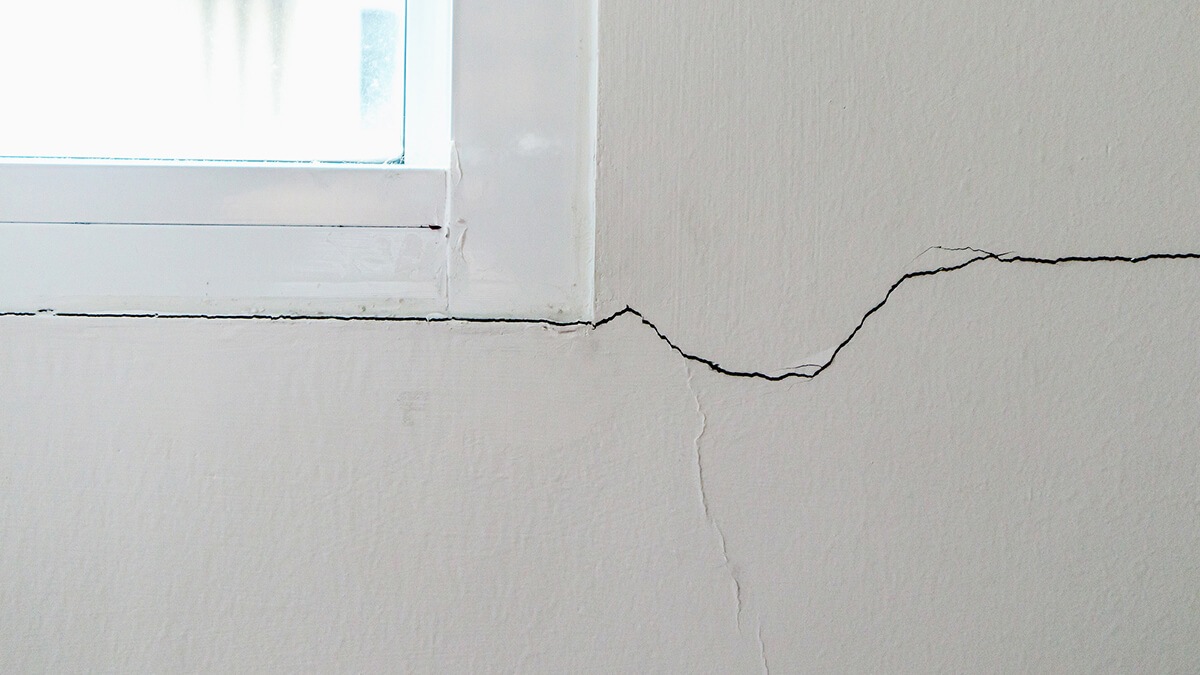
A home foundation inspection costs $300 to $1,000, with most homeowners paying around $600 for a standard evaluation. The wide range reflects a real difference in what you’re buying: a general home inspector doing a visual foundation check charges $300 to $500, while a licensed structural engineer providing a stamped report typically charges $500 to $1,500.
That gap also explains why you’ll see different numbers cited in different places. A quote-based analysis of 462 inspector bids returns an average closer to $306, because those quotes reflect home inspector add-ons, not standalone structural evaluations. ChatGPT cites $350 to $500 for the same reason. The $600 consensus from organic sources reflects full-scope evaluations, including foundation specialists and structural engineers. Both figures are correct; they just describe different services.
This guide covers what a foundation inspection includes, what drives the cost up or down, when to upgrade to a structural engineer, what insurance covers (and doesn’t), and the five decisions you need to make after an inspection reveals problems.
Foundation Inspection Cost
- What does a foundation inspection include?
- How much does a foundation inspection cost in 2026?
- What factors affect foundation inspection cost?
- Structural engineer vs. home inspector for foundations
- Is it worth fixing foundation problems?
- Will homeowners insurance cover foundation repair?
- What to do after a foundation inspection
- Warning signs your foundation needs an inspection
- Warning signs: Is it a slab or pier-and-beam issue?
- How to find a qualified foundation inspector
- Selling a home with foundation issues? Skip the repair timeline
- Frequently Asked Questions
Foundation Issues? Skip the Repair Timeline Cash buyers purchase homes as-is — no lender repair requirements
No repairs required, no agent fees, no obligations.
What does a foundation inspection include?
What a home inspector examines
Yes, standard home inspections include a foundation check, but only at a visual, non-invasive level. Per the ASHI Standards of Practice, inspectors must examine visible foundation surfaces for signs of deterioration, movement, and moisture intrusion as part of every general home inspection.
A home inspector foundation check covers these seven observable indicators, per InterNACHI standards:
- Foundation wall cracks, location, width, and orientation
- Slab surface cracking, including pattern (map cracking vs. linear)
- Bowing or bulging walls, indicates lateral soil pressure
- Water staining or efflorescence, white mineral deposits signal recurring moisture
- Uneven floor surfaces, detected visually or with a level
- Gaps at structural connections, where walls meet floors or ceilings
- Crawl space conditions, moisture, wood rot, pier integrity
Limitations of a standard inspection
A general home inspector cannot assess structural load capacity, soil composition, or the root cause of cracking. Their report identifies symptoms; it does not diagnose the structural problem or estimate repair costs. Inspectors are not licensed structural engineers and cannot issue a stamped structural opinion (ASHI Standards of Practice, Section 2).
This is the most common source of confusion after a home inspector foundation check: the report says “cracks present, recommend evaluation” without telling you whether those cracks are cosmetic or structural.
When a structural engineer inspection is needed
Upgrade from a general inspection to a structural engineer foundation inspection when any of these conditions apply:
- Active cracks wider than 1/4 inch
- Horizontal cracks in block or poured concrete walls
- Stair-step cracking in brick or masonry
- Visible wall bowing or inward lean
- Water intrusion through foundation walls
- Settlement greater than 1 inch as measured at floor level
- A lender (FHA or VA) flagging foundation concerns before loan approval
- Permit applications requiring a stamped engineer’s report
How much does a foundation inspection cost in 2026?
Average foundation inspection cost
The foundation inspection cost national average is $600, with a standard range of $300 to $1,000 for residential properties. The outer range extends to $230 on the low end (basic visual add-on during a general home inspection) and $3,000 on the high end (full stamped structural engineer report for permitting or legal use).
The apparent contradiction between the $306 quote-analysis figure and the $600 consensus is a scope problem, not a data problem. Quotes averaging $306 reflect general home inspectors adding a foundation observation to an existing inspection appointment. Standalone evaluations by foundation specialists or structural engineers consistently come back at $400 to $1,500. Both are valid; they answer different needs.
Cost by inspection type
| Inspector type | Typical cost | Scope | When to use |
|---|---|---|---|
| General home inspector (foundation add-on) | $271 to $500 | Visual only, no stamped report | Routine purchase inspection |
| Foundation specialist | $400 to $800 | Visual plus moisture testing | Suspected settling or cracking |
| Structural engineer | $500 to $1,500 | Structural analysis, stamped report | Active movement, permit required, litigation |
Based on published cost data from multiple licensed inspector sources, 2026. Verify current rates in your market before scheduling.
Per InterNACHI inspection cost benchmarks, the scope of the written deliverable is the single largest cost driver within each inspector type.
Cost by home size
Most inspectors price a foundation inspection on a base fee covering homes up to 2,000 square feet, then add roughly $25 per additional 500 square feet. A 3,500-square-foot home would add $75 to the base price. Homes over 3,000 square feet typically add $50 to $150 beyond the base in most markets.
What factors affect foundation inspection cost?
The four foundation inspection cost factors that move your quote up or down most significantly are home size, foundation type, geographic location, and report scope.
Home size and foundation footprint
Larger slab or pier and beam foundation inspection systems take more time to walk and document. A pier-and-beam or basement foundation adds 30 to 60 minutes of inspection time compared to a slab-on-grade, which translates directly to a higher labor charge on hourly-rate engagements.
Foundation type
- Slab foundation inspection: fastest to complete, typically at the lower end of the range
- Crawl space foundation: inspector must physically enter and move through the space; adds time and complexity
- Pier and beam foundation inspection: multiple piers, beams, and connection points to document
- Basement: most complex; additional wall surfaces, drainage systems, and waterproofing details
Geographic location
Labor markets drive meaningful regional variation. Texas, Louisiana, Oklahoma, and Mississippi have above-average inspection demand due to expansive clay soil, which causes more frequent foundation settling events. Higher demand keeps pricing in the $500 to $800 range in those states. Rural areas with fewer licensed inspectors may see lower base fees but longer travel surcharges.
Scope of the written report
A verbal summary costs less than a written assessment, which costs less than a stamped structural engineer report with repair recommendations. A stamped report adds $200 to $500 to the base inspection fee and is the only deliverable a lender or building permit office will accept.
Structural engineer vs. home inspector for foundations
What a structural engineer does differently
A structural engineer foundation inspection goes beyond symptom documentation. The engineer evaluates load paths, measures deflection, assesses soil bearing capacity based on visible evidence, and issues a report with a Professional Engineer (PE) stamp. That stamp is what lenders and permit offices require. A general home inspector cannot produce this document regardless of experience.
Structural engineer inspection cost
A structural engineer inspection costs $500 to $1,500 for most residential properties. Hourly rates run $100 to $500 per hour, per structural engineer wage and employment data from the Bureau of Labor Statistics. Most residential foundation evaluations take 1 to 2 hours for a general assessment and 2 to 4 hours for a full stamped report with repair specifications.
For litigation or insurance purposes, a full engineering report with drawings can reach $2,000 to $3,000. This is the upper end of the $230 to $3,000 outer range cited by some sources and explains why the range looks so wide.
When to request a structural engineer
Specific triggers that warrant a structural engineer rather than a general inspector:
- Any crack wider than 1/4 inch
- Horizontal cracks in block or poured concrete walls (these indicate lateral soil pressure, not normal settling)
- Stair-step cracking in brick mortar
- Any crack that has visibly widened over 30 to 60 days
- Bowing or inward lean in a foundation wall
- FHA or VA lender flagging foundation concerns during underwriting
- Permit applications for structural repairs
- Pre-litigation documentation
InterNACHI’s crack-severity standards identify horizontal cracks in block walls and active crack widening as the two highest-priority triggers for immediate structural engineer referral.
Is it worth fixing foundation problems?
Unrepaired foundation problems home value impact is significant: documented issues reduce market value by 10 to 25% on average. That range comes from multiple appraisal and repair-industry sources and represents the discount buyers and their agents typically demand on as-is disclosed properties.
Here is the five-point framework for evaluating whether to act:
-
Cost of inaction. Foundation problems compound over years, not months. Soil settlement and seasonal clay expansion continue stressing the structure with every wet-dry cycle. A minor crack today is a widening crack in 18 months.
-
Early intervention savings. A hairline crack repaired today costs $500 to $2,000. The same crack left for 3 to 5 years can become pier replacement or underpinning work at $10,000 to $40,000 or more. The math strongly favors acting early.
-
Market value protection. The 10 to 25% value reduction for unaddressed issues exceeds the cost of most moderate repairs. On a $350,000 home, a 15% discount is $52,500, which is more than most pier-and-beam leveling jobs cost.
-
Buyer confidence. Documented repairs, contractor invoices, and a follow-up structural engineer clearance letter address the buyer’s risk concern directly. This package typically allows sellers to price at or near market value rather than absorbing a negotiated discount.
-
Safety and livability. Active structural movement affects doors, windows, plumbing penetrations, and in advanced cases, load-bearing members. The livability impact compounds alongside the repair cost.
Foundation repair cost ranges by repair type for reference:
| Repair type | Typical cost range |
|---|---|
| Hairline crack (cosmetic) | $500 to $2,000 |
| Pier-and-beam leveling | $3,000 to $8,000 |
| Piering or underpinning | $10,000 to $40,000 |
| Full foundation replacement | $20,000 to $100,000+ |
Ranges reflect 2026 licensed contractor estimates. Costs vary by region, soil conditions, and foundation access.
Homeowners in the Midwest facing basement or pier-and-beam foundation costs may find the repair-vs-sell decision particularly complex. Selling a distressed home in Indiana covers the regional context for sellers weighing repair costs against market prices in that area.
Will homeowners insurance cover foundation repair?
Homeowners insurance typically does not cover foundation repair unless a sudden, covered peril caused the damage. This is the first sentence every insurer’s adjuster will reference when you file a claim.
What standard policies cover
Standard policies cover sudden and accidental damage from named covered peril events, including:
- Burst or leaking pipe (sudden, not gradual)
- Fire or explosion
- Vehicle or aircraft impact
- Falling objects (a tree limb through the foundation wall, for example)
- Severe windstorm causing structural collapse
If one of these events caused your foundation damage, document the cause thoroughly before any repairs begin. The burden of proof is on the policyholder.
What standard policies exclude
Per the Insurance Information Institute on homeowners coverage, standard homeowners insurance exclusions for foundation damage include:
- Gradual soil settlement (the most common cause)
- Expansive clay soil movement from seasonal moisture changes
- Tree root intrusion
- Poor drainage or surface water infiltration
- Earthquakes
- Flooding (including storm surge)
- Normal wear and tear
- Pest damage (termites undermining a pier, for example)
The homeowners insurance foundation exclusion for gradual causes is nearly universal across carriers. If your foundation damage resulted from any of the excluded causes, a standard claim will be denied.
Flood and earthquake coverage
Flood damage requires a separate policy through the National Flood Insurance Program (NFIP). Standard homeowners policies do not cover rising water from any source. Earthquake damage requires a standalone rider or a separate earthquake insurance policy. Neither is included in a standard HO-3 policy. Home warranties may cover systems connected to the foundation (plumbing, HVAC), but they do not cover the structural foundation itself.
What to do after a foundation inspection
When an inspection report flags foundation problems, you have a defined set of decisions to make. Here are the five steps in order.
What to Do After a Foundation Inspection Reveals Problems
-
Review the Inspection Report and Prioritize the Findings
Read the entire inspection report and organize the flagged items by severity. The report may document visible symptoms without providing a final structural diagnosis, so give the highest priority to any issue that requires follow-up from a structural engineer. Review the summary section carefully because inspectors often highlight the most urgent concerns there.
-
Hire a Licensed Structural Engineer
If the inspector identified active cracking, structural movement, settlement, or moisture intrusion, hire a licensed structural engineer for a detailed evaluation. A structural engineer can provide a written report that helps define the problem, establish an appropriate repair scope, support disclosure, and give contractors a consistent basis for preparing estimates.
-
Request Multiple Foundation Repair Estimates
Obtain two to three written estimates from licensed foundation repair contractors. Ask each contractor to base the estimate on the structural engineer’s report so the proposed scopes can be compared accurately. Request itemized pricing for labor, materials, permits, warranties, drainage work, and any additional repairs rather than accepting a single lump-sum figure.
-
Choose Whether to Repair, Reduce the Price, or Sell As-Is
Compare the cost and timeline of repairing the foundation before listing with the likely effect of offering a price reduction or selling the property as-is. Repairs may make the home accessible to more financed buyers, while an as-is sale can avoid the repair timeline and reduce the risk that a lender requires work before closing. For a detailed comparison, review selling a home in poor condition. Sellers in high-clay-soil markets can also review selling a distressed home in Louisiana for additional regional context.
-
Disclose Known Foundation Problems in Writing
Disclose all known foundation conditions to prospective buyers according to applicable state law. Once an inspection or engineering report documents a material defect, withholding that information may expose the seller to legal claims after closing. Include the relevant inspection report, engineering findings, repair records, and contractor estimates with the seller’s disclosure documents when appropriate.
North Carolina sellers seeing stair-step cracks in brick exteriors may also want to review selling a distressed home in North Carolina, which covers the regional clay-soil context and buyer expectations in that market.
Warning signs your foundation needs an inspection
Per the InterNACHI foundation inspection checklist, severity indicators fall into three action tiers: monitor, schedule an inspection, or call a structural engineer immediately.
Interior warning signs
| Symptom | Severity | Action |
|---|---|---|
| Hairline cracks (under 1/16 inch) in drywall or concrete | Low | Monitor for 6 months |
| Diagonal cracks from door or window corners, 1/16 to 1/8 inch | Moderate | Schedule inspection within 60 days |
| Diagonal cracks wider than 1/8 inch | High | Schedule inspection within 30 days |
| Sticking or hard-to-open doors and windows (new onset) | Moderate | Schedule inspection within 30 days |
| Floors sloping more than 1 inch per 10 feet | High | Schedule structural engineer evaluation |
| Gaps between wall and ceiling or wall and floor | High | Schedule structural engineer evaluation |
| Any crack that has visibly widened over 30 to 60 days | Urgent | Call structural engineer within 1 to 2 weeks |
Foundation cracks that run diagonally from door and window corners are among the most consistent early indicators of differential foundation settling and deserve prompt attention even when narrow.
Exterior warning signs
| Symptom | Severity | Action |
|---|---|---|
| Stair-step cracking in brick mortar | Moderate to High | Schedule inspection within 30 days |
| Gaps between siding and foundation | Moderate | Schedule inspection within 60 days |
| Bowing or inward lean in foundation wall | Urgent | Call structural engineer immediately |
| Horizontal cracks in block or poured concrete walls | Urgent | Call structural engineer immediately |
| Soil visibly pulling away from foundation | Moderate | Schedule inspection; review drainage |
| Efflorescence (white mineral deposits) on foundation walls | Low to Moderate | Monitor; address drainage if recurring |
Horizontal cracks in block walls are the most serious exterior indicator. They signal lateral soil pressure against the wall rather than normal foundation settling, and they require structural engineer evaluation, not just a general inspection.
Warning signs: Is it a slab or pier-and-beam issue?
Foundation type shapes both the inspection process and the symptoms you’ll see. A slab foundation inspection focuses on surface cracking patterns, perimeter gaps, and interior floor levelness. A pier and beam foundation inspection adds the crawl space: pier condition, beam deterioration, moisture levels, and wood rot at connection points. Knowing which foundation type you have helps you describe symptoms accurately when calling an inspector.
A crawl space foundation can conceal significant problems from the interior. Sagging floors, localized soft spots, and unusual odors (mold, rot) are the surface signs that something is wrong below. These symptoms warrant a dedicated pier and beam foundation inspection rather than a general add-on.
How to find a qualified foundation inspector
Certifications to look for
Per ASHI Standards of Practice, ASHI members must complete 250 paid home inspections and pass a written examination before achieving membership. InterNACHI Certified Professional Inspectors (CPI) are required to complete 24 hours of continuing education annually.
For a structural engineer foundation inspection, verify that the engineer holds a Professional Engineer (PE) license in your state. You can confirm licensure through your state’s engineering licensing board website. The PE license is not optional for a stamped report; no other credential substitutes.
A foundation specialist who is not a structural engineer can conduct a thorough visual inspection with moisture testing, but cannot issue a stamped report. They are appropriate for identifying likely problems and scoping repair estimates, but not for lender, permit, or legal use.
Questions to ask before hiring
Before scheduling any structural engineer inspection or foundation specialist appointment, ask:
- Does the inspection include a written report, or a verbal summary only?
- Do you carry errors and omissions (E&O) insurance?
- Are you a licensed PE, or a certified home inspector with foundation specialization?
- Will you recommend specific foundation repair contractors, or refer to a structural engineer if you’re a general inspector?
The most important red flag: any inspector who also owns or is affiliated with a foundation repair company. The financial interest in finding a problem is a direct conflict. Separate the inspection from any repair referral.
Selling a home with foundation issues? Skip the repair timeline
A foundation inspection report changes the transaction. If a financed buyer’s lender flags structural concerns, they can require repairs before closing. If you can’t or won’t make those repairs, the deal falls apart weeks before closing.
Cash buyers don’t face that constraint. Through iBuyer.com, you can request competing cash offers from vetted buyers who purchase homes in their current condition, foundation repair needs included. No repair timeline, no lender repair requirements, no guessing whether a buyer will hold after their inspector’s report. Compare offers and choose the close date that works for you.
Get competing cash offers for your home
Foundation Issues? Skip the Repair Timeline Cash buyers purchase homes as-is — no lender repair requirements
No repairs required, no agent fees, no obligations.
Frequently Asked Questions
A home foundation inspection costs $300 to $1,000, with most homeowners paying around $600 for a standard evaluation. The range reflects differences in inspection scope, home size, and inspector type. A general home inspector doing a visual foundation check often falls at the lower end ($300 to $500), while a structural engineer providing a stamped report typically charges $500 to $1,500.
A fair price for a foundation inspection is $400 to $700 for most single-family homes, based on a 2026 national sample of licensed inspector quotes. Quotes below $300 often reflect a home inspector adding a brief foundation observation to a general inspection, not a standalone evaluation. Quotes above $1,000 typically indicate a structural engineer with E&O insurance and a stamped written report, which lenders and permit offices sometimes require.
A foundation inspection includes a visual examination of the foundation walls, slab surface, crawl space, drainage patterns, and any visible cracking, settlement, or moisture signs. A general home inspector conducts a non-invasive visual check and cannot assess structural load capacity or soil conditions. A structural engineer goes further, evaluating load paths, measuring deflection, and issuing a report usable for permitting or legal purposes.
Yes, standard home inspections include a visual foundation check, but inspectors assess only observable symptoms and cannot determine structural integrity or the cause of damage. ASHI’s Standards of Practice require inspectors to examine visible foundation surfaces and note signs of deterioration, moisture, or movement. If a home inspector flags foundation concerns, a follow-up structural engineer evaluation is the appropriate next step.
Yes, fixing foundation problems is almost always worth it; unrepaired issues can reduce a home’s market value by 10 to 25% and worsen over time. Early-stage crack repair typically costs $500 to $2,000. Waiting until settlement progresses can push repair costs to $10,000 to $40,000 or more, and documented repairs allow sellers to list closer to market value.
Homeowners insurance typically does not cover foundation repair unless a sudden, covered peril such as a burst pipe, fire, or vehicle impact caused the damage. Gradual causes including soil settling, expansive clay, tree roots, and poor drainage are excluded under virtually all standard policies. Flood damage requires a separate NFIP policy; earthquake damage requires a standalone rider.
A structural engineer foundation inspection costs $500 to $1,500 for most residential properties, with hourly rates of $100 to $500 per hour. Most residential foundation evaluations take 1 to 4 hours depending on foundation complexity and report scope. For litigation or insurance purposes, a full engineering report with drawings can reach $2,000 to $3,000.
Get a foundation inspection when you notice cracked walls, sticking doors, uneven floors, or gaps at ceilings and walls, or before buying any home. Routine inspections every 3 to 5 years are appropriate for homes in high-risk expansive clay soil regions such as Texas, Louisiana, Oklahoma, and Mississippi. Immediate inspection is warranted after major weather events or when any crack widens visibly over 30 to 60 days.
If a home inspector finds foundation problems, they document the visible symptoms in the inspection report and typically recommend a structural engineer for a follow-up evaluation. The inspection report identifies symptoms only; it does not provide repair costs or confirm the structural cause. Once the inspection is in writing, the identified issues become known material defects that state disclosure laws typically require you to disclose to future buyers.
Yes, you can sell a house with foundation issues by repairing them before listing, reducing the asking price, or selling as-is to a cash buyer who accepts the property’s current condition. Financed buyers using FHA, VA, or conventional loans may face lender-required repairs before loan approval, which can collapse the deal late in escrow. Cash buyers are not subject to lender underwriting conditions and can close regardless of foundation status.
A standard foundation inspection takes 1 to 2 hours for an average-sized home; a structural engineer evaluation typically takes 2 to 4 hours. Homes with crawl spaces or basements take longer than slab-on-grade foundations because the inspector must physically access and move through the space. Structural engineers typically deliver their written report 3 to 7 business days after the inspection visit.
A home inspection covers the entire property at a visual level; a foundation inspection focuses specifically on structural elements, settlement patterns, and signs of soil movement. A general home inspector will note obvious foundation concerns as part of the full-home inspection without additional cost. A dedicated foundation inspection by a foundation specialist or structural engineer examines crack patterns, measures floor levelness, and in some cases uses moisture meters or soil probes.
Foundations typically need inspection every 3 to 5 years, or immediately after a major weather event, significant soil shift, or new visible cracking. Homes in expansive clay soil regions benefit from annual monitoring of crack width and floor levelness even without a full inspection. Any crack that widens by more than 1/8 inch over 6 months warrants a professional evaluation before the next routine inspection interval.
Documented, properly repaired foundation work typically does not reduce resale value; unrepaired or undisclosed foundation issues reduce value by 10 to 25%. Buyers and their agents respond well to a complete repair history with contractor invoices and a follow-up structural engineer clearance letter. Sellers who disclose active foundation issues without repairs typically absorb a larger discount than the repair would have cost.

Reilly Dzurick is a licensed real estate agent with over six years of experience and a member of the iBuyer.com Market Insights Team, covering national trends in home selling and the evolving iBuyer landscape. Her firsthand experience working with buyers and sellers gives her a practical perspective on how these platforms impact real homeowners. She holds a degree in Public Relations, Advertising, and Applied Communication.