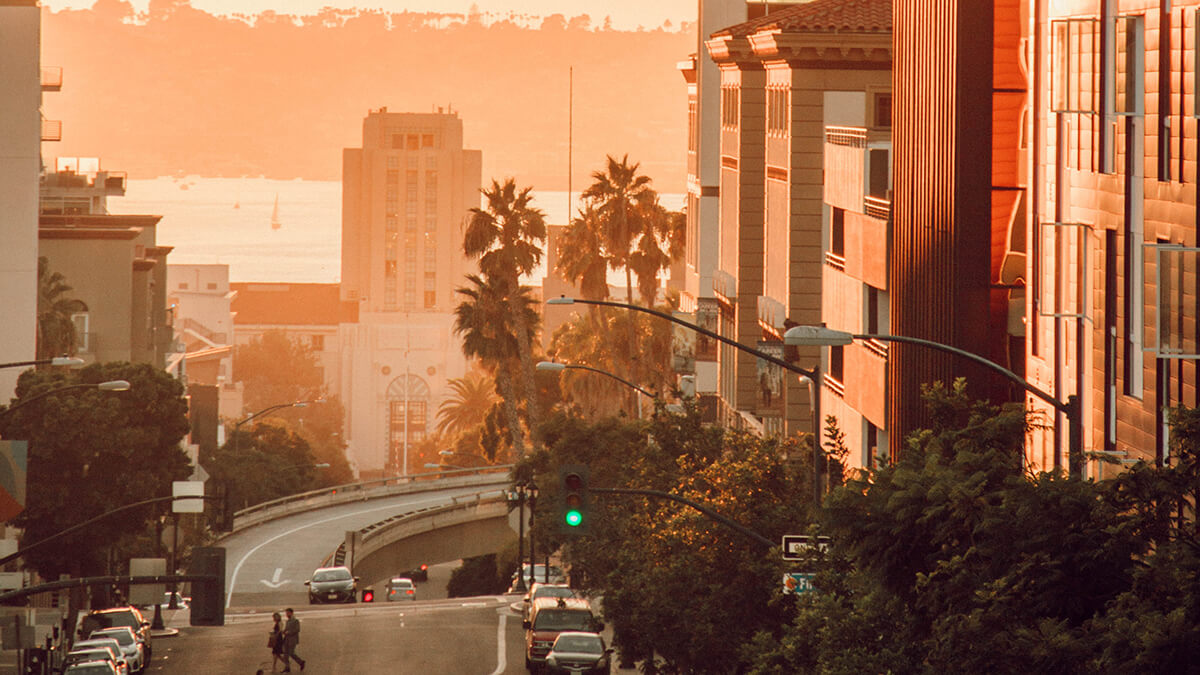
The best neighborhood in San Diego depends on your lifestyle and budget. San Diego has more than 100 distinct neighborhoods, a population of roughly 1.4 million, and a median home price of approximately $840,000 citywide as of early 2026 (Zillow). Costs and character vary widely across those neighborhoods.
The best neighborhoods in San Diego include coastal luxury in La Jolla ($2.5M median), urban walkability in North Park and Little Italy, family suburbs in Carmel Valley and Rancho Bernardo, beach energy in Pacific Beach, and high-end enclaves in Del Mar, Coronado, and Rancho Santa Fe. Prices range from $750K in Hillcrest to $4.5M in Rancho Santa Fe depending on location.
This guide covers 12 neighborhoods by lifestyle category, the safest areas by crime data, the best suburbs near San Diego, where wealthy buyers concentrate, and a direct answer on whether $70,000 is enough to live here in 2026. For broader SoCal pricing context, see LA housing market trends.
Ready to Make Your San Diego Move? Sell your current home fast and close before your target neighborhood fills up.
Multiple offers, no repairs, close in 7-30 days.
Live in San Diego
- San Diego neighborhoods at a glance
- Best coastal neighborhoods in San Diego
- Best urban neighborhoods in San Diego
- Best family neighborhoods in San Diego
- Safest neighborhoods in San Diego
- Best suburbs near San Diego
- Where do wealthy people live in San Diego?
- Can you live in San Diego on $70,000?
- How to choose the right San Diego neighborhood
- Frequently Asked Questions
San Diego neighborhoods at a glance
The table below summarizes the best neighborhoods in San Diego by lifestyle fit, current pricing, and school quality. The median home price San Diego buyers encounter varies from approximately $750,000 in Hillcrest to over $4.5 million in Rancho Santa Fe. Median home prices draw from Zillow 2026 data; school ratings draw from Niche 2026 neighborhood rankings.
| Neighborhood | Best For | Median Home Price | Avg 1BR Rent | School Rating (Niche 2026) |
|---|---|---|---|---|
| La Jolla | Coastal luxury | ~$2.5M | ~$3,000+ | A+ |
| Carmel Valley | Families, top schools | ~$1.4M | ~$2,500 | A+ |
| Rancho Bernardo | Safety, suburban living | ~$900K | ~$2,100 | A |
| North Park | Young professionals, arts | ~$850K | ~$2,300 | B+ |
| Pacific Beach | Beach lifestyle, nightlife | ~$900K | ~$2,200 | B |
| Little Italy | Walkability, urban dining | ~$750K | ~$2,400 | B |
| Coronado | Resort feel, island living | ~$2.4M | ~$2,800 | A |
| Del Mar | Upscale suburb, families | ~$2.66M | ~$3,000+ | A |
| Rancho Santa Fe | Ultra-luxury, estates | ~$4.5M | Mostly owner-occupied | A |
| Scripps Ranch | Safety, outdoor access | ~$1.0M | ~$2,200 | A |
| Mission Hills | Historic homes, views | ~$1.1M | ~$2,400 | B+ |
| Hillcrest | Walkable, diverse, urban | ~$780K | ~$2,200 | B+ |
Based on Zillow San Diego home prices and Niche 2026 neighborhood rankings. Verify current pricing before transacting.
Best coastal neighborhoods in San Diego
San Diego’s coastline stretches more than 70 miles, and the neighborhoods along it differ sharply in price, energy, and demographic character. Whether you want cliffside luxury, surf culture and nightlife, a laid-back community, or island seclusion, the four neighborhoods below are the strongest options for buyers and renters focused on beach access.
La Jolla: coastal luxury living
La Jolla commands the highest price per square foot in San Diego County at $1,215+, with a median home price of approximately $2.5 million and year-over-year appreciation of 10.3% in 2026. The neighborhood offers cliffside architecture, top-rated public and private schools, direct ocean access at La Jolla Cove, and a walkable village with high-end retail and dining. Niche places La Jolla in the top tier of all San Diego area neighborhoods for school quality and overall livability.
Buyers often compare La Jolla to Carmel Valley, which offers comparable school ratings at roughly $1 million less in median price. For buyers who prioritize prestige and coastal access above all else, La Jolla has no real peer in San Diego County.
Pacific Beach: active beachside living
Pacific Beach San Diego draws a younger, high-energy demographic with direct ocean access, a dense bar and restaurant scene along the Garnet Avenue corridor, and some of the county’s best surfing. One-bedroom apartments average approximately $2,200 per month in 2026. The neighborhood trades a relatively modest median home price (around $900K) for a lifestyle built around the beach rather than career networking.
Pacific Beach ranks among the top San Diego neighborhoods for young professionals San Diego wide who want outdoor access and nightlife within walking distance. The trade-off is seasonal noise and limited parking on summer weekends.
Ocean Beach: bohemian community living
Ocean Beach takes a slower pace than Pacific Beach, built around independent shops, a weekly Newport Avenue farmers market, and OB Dog Beach, one of the few off-leash ocean beaches in the county. Median home prices typically fall between $800K and $1.1M, below the coastal average. Per the official San Diego neighborhood guide, Ocean Beach is one of the city’s most distinctive residential communities, with a genuine neighborhood-first identity.
The area suits buyers or renters who want beach access without the spring break atmosphere of Pacific Beach. Inventory is limited and turnover is low, reflecting how strongly long-term residents identify with the community.
Coronado: island living near downtown
Coronado San Diego sits on a peninsula connected to downtown by the iconic Coronado Bridge, with a median home price of approximately $2.4 million and a resort-town character shaped by wide, walkable streets and the historic Hotel del Coronado. Niche consistently places Coronado in the county’s top 10 neighborhoods for quality of life, and it appears in multiple AI engine answers for both the “best neighborhood” and “nicest suburb” queries.
The island’s constrained land supply keeps inventory tight and prices stable. Coronado is an especially strong fit for buyers relocating from suburban markets who want city proximity without urban density.
Best urban neighborhoods in San Diego
San Diego’s urban core does not have the density of Los Angeles or San Francisco, but its inner neighborhoods offer genuine walkability, diverse dining, and transit options that most of the suburban ring cannot match. The four neighborhoods below lead every major ranking for urban livability in the city.
North Park: arts, dining, and craft beer
North Park San Diego is the city’s top urban neighborhood for residents who prioritize walkability, independent dining, and a dense cultural scene. The neighborhood borders Balboa Park, a 1,200-acre urban park with 17 museums, and sits at the center of San Diego’s craft brewery culture (the city has more than 150 craft breweries, and North Park is a primary hub). One-bedroom rents average approximately $2,300 per month.
North Park consistently ranks first among San Diego neighborhoods for young professionals and urban-minded renters, according to both Niche 2026 data and multiple AI engine answers to the primary neighborhood query. Median home prices sit around $850K, making it more accessible than coastal alternatives, though the San Diego cost of living still demands careful budgeting.
Little Italy: walkable cultural hub
Little Italy San Diego is a 48-block neighborhood in downtown San Diego described by the Google AI Overview as “a highly walkable cultural hub…offering an upscale urban feel with world-class dining, boutiques, and farmer’s markets.” The Saturday Little Italy Mercato is one of the largest farmers markets in Southern California. Median home prices sit around $750K, making it one of the more accessible downtown options for buyers.
The neighborhood’s compact footprint and street-level density give it walk scores among the highest of any San Diego address. For residents who want to live car-light, Little Italy is the strongest option among the city’s walkable neighborhoods.
Hillcrest: diverse and walkable
Hillcrest borders Balboa Park to the north and earns high Walk Scores for daily errands, transit access, and dining density. The neighborhood blends residential streets, a concentrated restaurant and nightlife corridor, and an established arts scene. Median home prices track around $780K, above the city median but well below coastal neighborhoods.
AMSI’s San Diego neighborhood guide describes Hillcrest as offering a “mix of dining, nightlife, green space” that positions it as a close competitor to North Park for urban-minded buyers. The two neighborhoods share a border and broadly similar character, with Hillcrest carrying a slightly older, more established demographic.
Mission Hills: historic homes and upscale living
Mission Hills sits northwest of Balboa Park and is known for its concentration of Craftsman bungalows, Victorian homes, and canyon views. Median prices hover around $1.1 million, reflecting the premium buyers pay for historic architecture and scenic outlooks rare in newer San Diego developments. Niche rates Mission Hills highly for housing quality and neighborhood character.
The neighborhood is quieter than North Park or Hillcrest despite sitting less than two miles from both. It suits buyers who want urban proximity with a more established residential feel and are willing to pay above mid-city prices for it.
Best family neighborhoods in San Diego
Family-friendly neighborhoods San Diego buyers prioritize most often cluster in the northeastern planned communities, where newer schools, lower traffic density, and master-planned street grids create safe, suburban environments. The two neighborhoods below lead every major ranking for families with children.
Carmel Valley: top schools and planned living
Carmel Valley San Diego ranks number one on Niche’s 2026 San Diego area rankings, with schools rated 9 out of 10 and a master-planned suburban layout that includes parks, community centers, and low-crime residential streets. The median home price sits at approximately $1.4 million. Families relocating from other California markets frequently target Carmel Valley for top-tier public schools without paying La Jolla prices.
The planned community design means newer infrastructure, well-maintained common areas, and more consistent zoning compared to San Diego’s older urban neighborhoods. The main trade-offs are lower walkability and longer commutes to downtown versus North Park or Little Italy.
Rancho Bernardo: safe and suburban
Rancho Bernardo is described in the Google AI Overview as “one of the safest communities in the county,” with excellent public school ratings, community centers, and a suburban layout that keeps daily needs within short driving distance. Median home prices range from approximately $800K to $1 million, making it meaningfully more affordable than Carmel Valley while offering a comparable suburban lifestyle.
Rancho Bernardo is a strong choice for families who want safety and suburban amenities at a lower price than the county’s top-ranked planned communities. It also offers shorter commutes to major North County tech employers than neighborhoods closer to the downtown core.
Safest neighborhoods in San Diego
The safest neighborhoods in San Diego, based on current crime data, are Scripps Ranch, Rancho Encantada, Carmel Valley, Rancho Peñasquitos, and Rancho Bernardo. All five sit in the northeastern quadrant of the city, share master-planned suburban layouts, and record crime rates well below both the San Diego city average and the national average. Per San Diego neighborhood crime grades from CrimeGrade.org:
- Scripps Ranch records crime rates 75% below the national average, making it the top-ranked neighborhood in San Diego for safety by most crime analytics measures.
- Rancho Encantada reports extremely low violent crime and appears consistently in safety rankings from multiple independent research sources.
- Carmel Valley combines its number one school ranking with crime rates significantly below the city average, per Gemini’s 2026 analysis of San Diego neighborhood data.
- Rancho Peñasquitos ranks in the top two San Diego neighborhoods on 2025 FBI crime data analysis, alongside Kearny Mesa.
- Rancho Bernardo is called “one of the safest communities in the county” in the Google AI Overview, supported by suburban layout, community center density, and low population turnover.
Honorable mentions: Sabre Springs and Tierrasanta, both in the northeastern corridor, also record crime rates below the San Diego city average and appear regularly in safety rankings alongside the five leaders.
The common thread across the safest neighborhoods in San Diego is geography and planning. Northeastern San Diego’s communities were built on a post-WWII suburban model with lower housing density per acre and fewer commercial corridors that typically drive opportunistic crime. Families who prioritize safety should start their search in this corridor before expanding to coastal or urban alternatives.
For homeowners weighing East County options in the greater San Diego area, cash buyers in El Cajon can help you sell quickly to fund a move into one of the safer northeastern neighborhoods.
Best suburbs near San Diego
The nicest suburbs near San Diego vary by lifestyle preference, but Del Mar, Coronado, Encinitas, Solana Beach, and Carlsbad consistently rank as the best suburbs near San Diego across real estate data and quality-of-life surveys. Each offers a distinct character for buyers who want San Diego access without living inside the city limits.
- Del Mar San Diego posts a median household income of $192,845 and a median home price near $2.66 million, per Claude’s 2026 data analysis. The Del Mar Racetrack, boutique coastal retail, and an unemployment rate of 2.5% make it the most consistently cited top suburb by multiple ranking sources.
- Coronado earns a top-5 suburb ranking for its resort-town feel, walkable streets, and consistent safety record. Median prices sit near $2.4 million (detailed further in the coastal neighborhoods section above).
- Encinitas ranks first on Movoto’s Best San Diego Suburbs list for surf culture, botanical gardens (the San Diego Botanic Garden), and a walkable downtown village. It sits adjacent to Carlsbad and offers slightly lower prices than Del Mar.
- Solana Beach offers coastal views and a walkable community with a median home price near $2.1 million. It is smaller and quieter than both Del Mar and Encinitas but draws similar demographics and school quality.
- Carlsbad combines beaches, top-rated schools, and Legoland with consistent top-tier quality-of-life rankings. It is the most family-oriented of the five and the most accessible by price relative to Del Mar and Coronado.
For buyers considering the more affordable South Bay corridor, cash buyers in Chula Vista covers that market. Chula Vista offers San Diego County proximity at a significantly lower price point than the coastal suburbs listed above. See the guide to San Diego’s best suburbs for additional community profiles across North County and South Bay.
Where do wealthy people live in San Diego?
Wealthy residents of San Diego concentrate in five neighborhoods: Rancho Santa Fe, Del Mar, La Jolla, Coronado, and Solana Beach. Each combines estate-scale land or oceanfront access with high-performing schools and the kind of privacy that sustained wealth typically demands.
Rancho Santa Fe occupies the top of the list by price. Its ZIP code 92067 ranks among the most expensive in the entire United States, with a median home price near $4.5 million as of April 2026, anchored by multi-million-dollar equestrian estates and gated roads that see minimal public traffic. Per San Diego median home prices by neighborhood from Axios, a significant share of San Diego’s highest-value transactions concentrate in Rancho Santa Fe and the adjacent North County coastal corridor.
Del Mar median prices range from $2.66 million to $3.6 million depending on the source and which ZIP segments are measured. La Jolla runs $2.3 million to $2.5 million at the median, with a price per square foot of $1,215+ marking it the county’s most expensive on a per-foot basis. Coronado holds near $2.4 million to $2.5 million, sustained by island scarcity and resort character.
Beyond the top five, the gated communities of Fairbanks Ranch and Santaluz attract high-net-worth buyers seeking additional privacy and security infrastructure. Both sit within the Rancho Santa Fe zip code corridor and appear in Gemini’s 2026 analysis of San Diego’s wealthiest residential concentrations.
Can you live in San Diego on $70,000?
$70,000 is technically above the minimum survivable threshold for a single adult in San Diego, but it falls short of comfortable. The MIT living wage data for San Diego County pegs the living wage for one adult with no children in San Diego County at $68,389 per year pretax. That means $70,000 clears the floor by only $1,600 before any unexpected expenses.
The San Diego cost of living is 45.7% above the national average, with rent tracking 43% above national averages for comparable unit types. The monthly breakdown for a single adult in a one-bedroom apartment looks like this:
| Expense | Monthly Cost |
|---|---|
| 1BR apartment (citywide avg) | $2,200 to $2,300 |
| Groceries | ~$436 |
| Utilities | $180 to $220 |
| Transportation | $250 to $400 |
| Health insurance (est.) | $200 to $350 |
| Total (estimated) | $3,266 to $3,706 |
Based on 2026 cost data for San Diego County. Verify current figures before budgeting.
At $70,000 gross, your monthly take-home after federal and California state taxes falls between roughly $4,400 and $4,700, depending on filing status. After the expenses above, you are left with $700 to $1,434 per month for savings, dining out, and everything else. That is survivable but leaves almost no margin for an emergency fund or retirement contributions.
Comfortable single-adult living in San Diego is generally estimated at $79,000 to $100,000 annually, depending on neighborhood and lifestyle. Two-bedroom apartments average approximately $3,100 per month, which pushes the threshold higher for couples or roommates splitting costs.
If $70,000 is your ceiling, the most accessible neighborhoods are Normal Heights, Clairemont, and Escondido (farther inland in North County). Zillow identifies all three as options for buyers priced out of coastal and downtown markets while staying within reasonable commute range of the city center.
Readers relocating from the Bay Area will recognize the comparison: cash buyers in San Francisco covers the equity many Bay Area sellers unlock, which often helps close the down payment gap in the San Diego housing market 2026. The San Diego cost of living is high relative to national benchmarks but sits meaningfully below San Francisco’s for most housing categories.
For official income guidelines and public benefit thresholds, see the San Diego County official cost data. Understanding the full San Diego cost of living picture before selecting a neighborhood is one of the most important steps in any relocation plan. Budget first, then filter neighborhoods by the 30% housing cost ratio.
How to choose the right San Diego neighborhood
Choosing among the best neighborhoods in San Diego comes down to four decisions, made in sequence. The comparison table at the top of this article provides the reference data for every step below.
Step 1: Set your budget and commute radius
Start with your maximum monthly housing payment and the address you will commute to. Northeastern San Diego neighborhoods (Carmel Valley, Scripps Ranch, Rancho Bernardo) sit 25 to 40 minutes from downtown by car in typical traffic. Urban neighborhoods like North Park and Little Italy are 10 to 15 minutes from the central business district. The city has limited rail transit outside the downtown corridor, so most commutes are car-dependent.
Step 2: Match neighborhood type to your lifestyle
Use the comparison table’s “Best For” column to filter by priority. If you prioritize schools, start with Carmel Valley and Scripps Ranch. If walkability and urban energy come first, start with North Park and Little Italy. If beach access is the priority, narrow to Pacific Beach, Ocean Beach, and La Jolla. The price gap between lifestyle categories is large enough that clarifying your priorities will narrow your shortlist faster than any other step.
Step 3: Check school ratings and crime data
For school quality, Niche 2026 San Diego neighborhood rankings provide A through F letter grades by neighborhood based on test scores, student-to-teacher ratios, and community reviews. For safety, CrimeGrade.org provides a neighborhood-level crime percentile that lets you compare across San Diego’s planning districts in a single session. Both tools are free and cover all the San Diego neighborhoods in this guide.
Step 4: Visit before you commit
No table replaces time on the ground. Walk or drive each neighborhood at different times of day, specifically on a weekday morning and a Friday evening, to assess traffic, noise, and foot traffic patterns. Parking, street conditions, and the actual distance from listed amenities to your specific address often differ from the general neighborhood description. If you are relocating from out of state, plan a dedicated scouting trip before signing a lease or submitting an offer.
For buyers who need to sell a current California property before relocating, selling without a Realtor in California covers the key steps and cost comparisons that apply to an FSBO sale in the state.
Choosing the right San Diego neighborhood is only half the relocation decision. If you need to sell your current home first to fund the move, timing matters. A competitive San Diego market will not wait for a contingent offer. iBuyer.com connects you with multiple vetted cash buyers who compete for your property, so you can compare offers, skip repair negotiations, and close in 7 to 30 days to match your target move date. No agent commissions, no open houses, and no waiting on a financed buyer’s mortgage approval.
[Get your competing cash offers today]
Ready to Make Your San Diego Move? Sell your current home fast and close before your target neighborhood fills up.
Multiple offers, no repairs, close in 7-30 days.
Frequently Asked Questions
The best San Diego neighborhood depends on your budget and lifestyle; top options include La Jolla for luxury, Carmel Valley for families, and North Park for young professionals. La Jolla offers coastal luxury at the county’s highest price per square foot ($1,215+). Carmel Valley ranks number one on Niche’s 2026 San Diego area rankings for families, while North Park leads for walkability and dining density.
$70,000 is just above San Diego’s minimum living wage of $68,389 for one adult but falls short of the $79,000 to $100,000 needed for comfortable living. The San Diego cost of living runs 45.7% above the national average, and a one-bedroom apartment averages $2,200 to $2,300 per month. Monthly expenses for a single adult typically total $3,266 to $3,706 before savings.
Scripps Ranch, Carmel Valley, and Rancho Encantada are San Diego’s safest neighborhoods, with Scripps Ranch recording crime rates 75% below the national average. Rancho Peñasquitos and Rancho Bernardo also rank in the top tier based on FBI crime data analysis. These five neighborhoods share northeastern San Diego geography, master-planned suburban layouts, and low population density.
Del Mar ranks as the nicest San Diego suburb, with a median household income of $192,845 and median home prices near $2.66 million. Coronado is a close second for its resort-town feel and walkable streets. Encinitas, Solana Beach, and Carlsbad round out the top five among the best suburbs near San Diego for different buyer profiles.
Wealthy San Diegans concentrate in Rancho Santa Fe (median ~$4.5M), Del Mar (~$2.66M to $3.6M), La Jolla (~$2.3M to $2.5M), and Coronado (~$2.4M) as of 2026. Rancho Santa Fe’s 92067 ZIP code ranks among the most expensive in the entire United States. La Jolla commands the highest price per square foot in the county at $1,215+.
Carmel Valley is San Diego’s best family neighborhood, with schools rated 9 out of 10 on Niche’s 2026 list and a master-planned suburban layout. Rancho Bernardo is a strong second, offering excellent public schools and safety rankings at a lower median price than Carmel Valley. Scripps Ranch is also popular with families who prioritize outdoor recreation and low crime rates.
North Park and Little Italy are San Diego’s most walkable neighborhoods, with high walk scores, dense dining, and easy transit access. Hillcrest also earns high walkability ratings and borders Balboa Park to the north. Downtown’s East Village and the Gaslamp Quarter offer higher raw density but are more tourist-oriented than residential.
Normal Heights, Clairemont, and Escondido are among San Diego’s most affordable neighborhoods, with median home prices and rents below the citywide average. Zillow highlights Normal Heights and Escondido as strong options for buyers priced out of coastal neighborhoods. Escondido, farther inland in North County, offers suburban amenities at a significant discount from coastal prices.
One-bedroom apartments in San Diego average $2,200 to $2,300 per month in 2026, putting San Diego rents 43% above the national average for comparable units. Two-bedroom apartments average approximately $3,100 per month. Rents vary by neighborhood: Little Italy and downtown can exceed $2,800 for a one-bedroom, while Clairemont and Mission Valley typically come in under $2,200.
North Park and Little Italy are the top San Diego neighborhoods for young professionals, with walkability, dense dining, and rents below downtown proper. Pacific Beach is a popular alternative for professionals who prioritize an active outdoor lifestyle and nightlife. Hillcrest offers similar urban energy to North Park with a strong arts scene and a slightly different demographic character.
Pacific Beach offers San Diego’s most active nightlife, concentrated along the Garnet Avenue corridor, with Ocean Beach and the Gaslamp Quarter as close alternatives. The Gaslamp Quarter in downtown San Diego is the most tourist-oriented nightlife district. North Park is the preferred option for residents who want a lively bar and music scene without the spring break atmosphere.
La Jolla has the highest price per square foot in San Diego County ($1,215+), offset by top-rated schools, coastal access, and luxury amenities. Year-over-year appreciation of 10.3% in 2026 has outpaced the San Diego citywide average, supporting both the investment and lifestyle cases. Buyers on a fixed budget often compare La Jolla to Carmel Valley, which offers comparable school ratings at roughly $1 million less in median price.
San Diego ranks in the top 10 U.S. cities for quality of life, offering 266 sunny days annually, coastal living, and a diverse economy. Major employment sectors include defense and military, biotechnology, tourism, and higher education at UCSD and San Diego State University. The main trade-off is cost: housing affordability ranks among the lowest in the nation, making income planning essential before relocating.

Reilly Dzurick is a licensed real estate agent with over six years of experience and a member of the iBuyer.com Market Insights Team, covering national trends in home selling and the evolving iBuyer landscape. Her firsthand experience working with buyers and sellers gives her a practical perspective on how these platforms impact real homeowners. She holds a degree in Public Relations, Advertising, and Applied Communication.