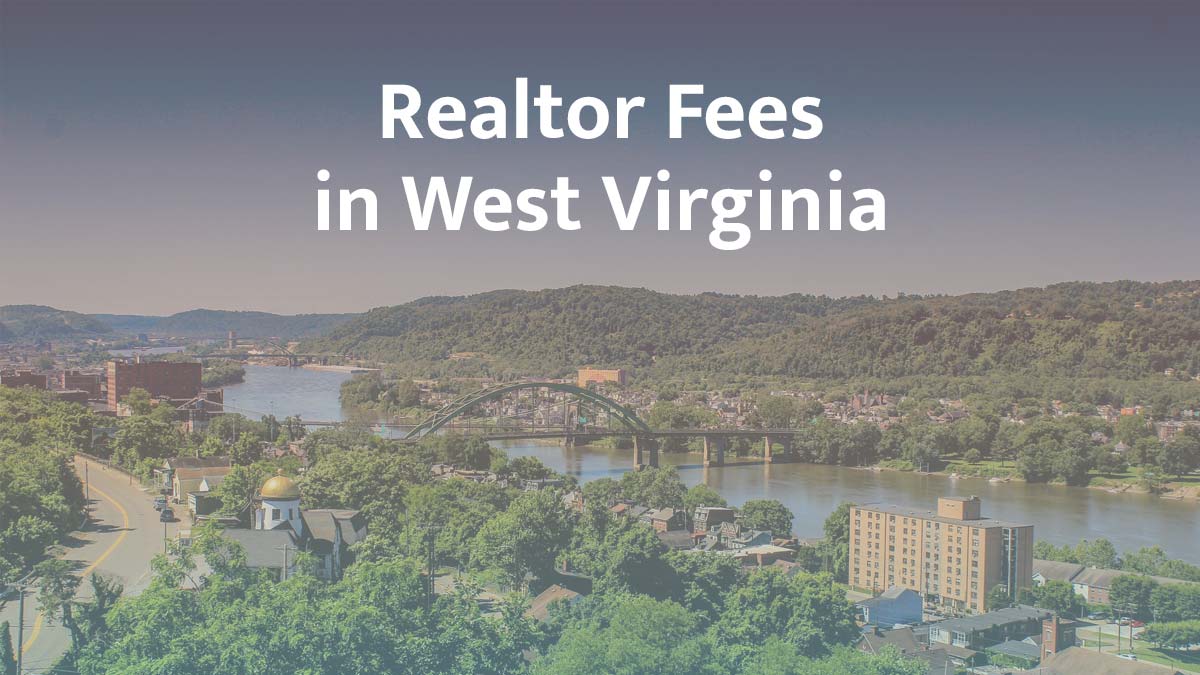
Buying a home in West Virginia costs more than just the down payment. Before you get the keys, you also pay closing costs. These are fees charged by your lender, title company, closing attorney, county clerk, and other parties to finalize the transaction.
For most West Virginia buyers, closing costs run between 2% and 5% of the purchase price. On a $350,000 home, that is $7,000 to $17,500. The exact amount depends on your loan type, lender, property taxes, insurance costs, and what you negotiate with the seller.
West Virginia has a few rules that make closing costs different from other states. The state charges a real estate transfer tax when property ownership changes. Attorney involvement is common in many transactions. Rural properties often require additional inspections for wells, septic systems, or access easements. And property taxes are generally lower than the national average, helping reduce escrow costs for many buyers.
This guide breaks down every buyer closing cost in West Virginia, explains who pays what, and shows you how to reduce what you owe at closing.
Instant Valuation, Confidential Deals with a Certified iBuyer.com Specialist.
Sell Smart, Sell Fast, Get Sold. No Obligations.
Buyer Closing Costs
- What Makes West Virginia Closing Costs Different?
- Who Pays Closing Costs in West Virginia?
- Who Pays Title Insurance in West Virginia?
- Complete Breakdown of Buyer Closing Costs in West Virginia
- When Do Buyers Find Out Their Exact Closing Costs?
- How to Reduce Closing Costs in West Virginia
- Selling Your West Virginia Home?
- Frequently Asked Questions
What Makes West Virginia Closing Costs Different?
West Virginia Charges a Real Estate Transfer Tax
West Virginia imposes a real estate transfer tax when property ownership transfers from seller to buyer.
The state transfer tax is generally calculated at $1.10 per $1,000 of the property’s value. Counties may also charge additional recording fees and local transfer-related charges.
In most residential transactions, the seller commonly pays the transfer tax, although the purchase contract can allocate responsibility differently.
Attorney Involvement Is Common
Many West Virginia real estate transactions involve attorneys who assist with title examination, deed preparation, document review, and settlement coordination.
While not every residential closing legally requires an attorney, legal involvement is common throughout the state, especially in rural and complex transactions.
Rural Properties Often Require Additional Due Diligence
Many homes in West Virginia are located outside major urban areas and may rely on private wells, septic systems, private roads, or shared access easements.
Buyers purchasing rural properties may need additional inspections, surveys, water testing, or legal review of access rights before closing.
Property Taxes Are Relatively Low
West Virginia property taxes are generally lower than the national average.
At closing, buyers often prepay several months of property taxes into escrow depending on the loan type and closing date. Lower tax rates can help reduce escrow-related closing costs compared with higher-tax states.
Recording Fees Are Handled at the County Level
Deeds, mortgages, and other real estate documents are recorded through the county clerk’s office. Recording fees vary by county and document type. Buyers typically pay mortgage recording costs, while sellers commonly pay deed-related recording fees.
Who Pays Closing Costs in West Virginia?
Most closing costs in West Virginia are negotiable. But custom and contract terms usually determine who pays for what. Here is how costs are typically split:
What Buyers Usually Pay
| Buyer Expense | Typical Cost |
| Loan origination fee | 0.5%-1% of loan amount |
| Appraisal fee | $450-$850 |
| Home inspection | $350-$800 |
| Credit report and underwriting fees | $100-$1,000 combined |
| Survey fee, if required | $500-$2,000 |
| Attorney and settlement fees | $700-$2,500 |
| Well, septic, or water testing, if required | $300-$1,500 |
| Prepaid property taxes | Varies by county and closing date |
| Homeowners insurance, first year | $1,200-$4,000+ |
| Lender’s title insurance policy | Based on loan amount |
| Recording fees | $50-$300 |
| HOA transfer fees, if applicable | $200-$1,500+ |
| FHA/PMI mortgage insurance, if applicable | Varies by loan and down payment |
What Sellers Usually Pay
| Seller Expense | Typical Responsibility |
| Real estate agent commissions | Seller |
| West Virginia transfer tax | Seller (commonly) |
| Owner’s title insurance policy | Seller (commonly) |
| Existing mortgage payoff | Seller |
| Deed preparation fees | Seller (commonly) |
| HOA resale certificate | Seller |
| Property tax prorations | Shared/prorated |
| Repair credits negotiated in contract | Seller (if agreed) |
Buyer vs Seller at a Glance
| Expense | Buyer | Seller |
| Loan fees | Yes | |
| Appraisal | Yes | |
| Home inspection | Yes | |
| Attorney fees | Yes | Yes |
| Lender’s title policy | Yes | |
| Owner’s title policy | Yes (commonly) | |
| Agent commissions | Yes | |
| Transfer tax | Yes (commonly) | |
| Recording fees | Yes | Yes |
| Property tax prorations | Shared | Shared |
Who Pays Title Insurance in West Virginia?
There are two title insurance policies in most West Virginia home purchases. The seller typically pays for one. The buyer pays for the other.
| Policy | Who Typically Pays | Who It Protects | How Long It Lasts |
| Owner’s title policy | Seller (commonly) | The buyer | As long as buyer or heirs own the home |
| Lender’s title policy | Buyer | The mortgage lender | Until the loan is paid off |
The owner’s policy protects the buyer if a title problem comes up after closing, such as unpaid liens, forged deeds, recording errors, undisclosed easements, boundary disputes, or ownership claims. The lender’s policy only protects the mortgage company, not the buyer.
Because West Virginia title insurance rates vary by insurer and title company, premiums differ between providers. Here are estimated owner’s title policy premiums for typical West Virginia transactions:
| Home Purchase Price | Estimated Owner’s Policy Premium |
| $250,000 | $1,000 |
| $350,000 | $1,400 |
| $500,000 | $2,000 |
| $750,000 | $3,000 |
| $1,000,000 | $4,100 |
Source: West Virginia title insurance rate estimates based on regional industry averages and publicly available market data, 2026.
Ask the title company early whether the property qualifies for a reissue discount. If a prior title insurance policy exists, buyers may qualify for reduced premiums.
Complete Breakdown of Buyer Closing Costs in West Virginia
| Fee | What It Covers | Typical Cost |
| Loan origination fee | Lender’s charge for processing your mortgage | 0.5%-1% of loan amount |
| Appraisal fee | Confirms the home’s market value before the lender approves the loan | $450-$850 |
| Home inspection | Identifies structural or mechanical issues before closing | $350-$800 |
| Credit report fee | Lender’s cost to pull your credit file | $30-$75 |
| Underwriting fee | Lender’s review and approval of your loan file | $300-$900 |
| Survey fee | Confirms property boundaries and improvements | $500-$2,000 |
| Attorney and settlement fees | Legal review and management of the closing process | $700-$2,500 |
| Well, septic, or water testing | Rural property inspections and certifications | $300-$1,500 |
| Prepaid property taxes | Months of property tax paid into escrow at closing | Varies by county |
| Homeowners insurance | First-year premium paid before closing | $1,200-$4,000+ |
| Lender’s title insurance | Protects the lender’s financial interest in the property | Based on loan amount |
| Recording fees | County clerk charge to record mortgage documents | $50-$300 |
| HOA transfer fee | Covers HOA documentation and ownership transfer | $200-$1,500+ |
| FHA/PMI mortgage insurance | Required for FHA loans and low-down-payment conventional loans | Varies |
Estimated Total Closing Costs by Home Price
| Home Price | Estimated Buyer Closing Costs | Range |
| $250,000 | $5,000-$12,500 | 2%-5% |
| $350,000 | $7,000-$17,500 | 2%-5% |
| $500,000 | $10,000-$25,000 | 2%-5% |
Cash buyers pay less because they skip most lender-related fees: no lender-required appraisal, no underwriting fee, no lender’s title policy, and no mortgage insurance.
When Do Buyers Find Out Their Exact Closing Costs?
Loan Estimate
Within three business days of submitting a mortgage application, your lender must give you a Loan Estimate. This document shows your estimated closing costs, loan terms, interest rate, and monthly payment. The Loan Estimate is not final. Fees can change before closing. But lenders are legally limited in how much fees can rise between the estimate and the final.
Closing Disclosure
At least three business days before closing, your lender sends the Closing Disclosure. This shows the final version of every cost you will pay at closing. Compare the Closing Disclosure to your Loan Estimate line by line. If a fee increased significantly, ask your lender to explain it before closing day. You have the right to ask questions and get answers.
How to Reduce Closing Costs in West Virginia
Negotiate seller concessions. In slower markets, buyers can ask sellers to cover part of the closing costs. This is written into the purchase contract as a seller credit. In competitive markets, sellers are less likely to agree, but it is always worth asking.
Compare lenders. Origination fees, underwriting fees, discount points, and lender credits vary between lenders. Getting Loan Estimates from multiple lenders can save hundreds or thousands of dollars.
Compare attorneys and title companies. West Virginia settlement fees, legal fees, and title insurance costs can vary between providers. Ask for itemized fee estimates before choosing who will handle the closing.
Ask about reissue discounts. If the property already has a recent title insurance policy, buyers may qualify for reduced title insurance premiums.
Use existing surveys and inspections when possible. If the seller has recent surveys or acceptable well and septic inspections, buyers may avoid duplicate costs.
Check West Virginia homebuyer programs. The West Virginia Housing Development Fund offers programs that may help qualified buyers with down payment assistance and closing costs depending on income and eligibility requirements.
Selling Your West Virginia Home?
iBuyer.com connects West Virginia homeowners with cash buyers who close quickly and without commissions, on a closing date that works for you. Get a free cash offer in 24-48 hours and see exactly what you would net before committing to anything.
Compare Cash Offers from Top Home Buyers. Delivered by Your Local iBuyer Certified Specialist.
One Expert, Multiple Offers, No Obligation.
Know Your Local Market Before You List
Pull the last 12 months of real sales and buyer activity for your neighborhood.
Get My Market ReportFrequently Asked Questions
West Virginia buyers typically pay between 2% and 5% of the home’s purchase price in closing costs. On a $350,000 home, that equals approximately $7,000 to $17,500. The total amount depends on factors such as the mortgage loan type, lender fees, prepaid taxes and insurance, rural property requirements, and the negotiated terms outlined in the purchase agreement.
Buyer closing costs in West Virginia generally include lender origination fees, appraisal charges, title and settlement services, attorney fees, prepaid property taxes, homeowners insurance premiums, recording fees, and other government-related charges. Depending on the property type and location, buyers may also pay for land surveys, well or septic inspections, HOA transfer fees, mortgage insurance, and additional due diligence expenses.
In many West Virginia real estate transactions, the seller commonly pays for the owner’s title insurance policy, while the buyer typically pays for the lender’s title insurance policy. However, title insurance responsibilities are negotiable and are determined by the terms agreed upon in the purchase contract.
Yes. West Virginia charges a real estate transfer tax based on the property’s value when ownership changes hands. In most residential transactions, the seller commonly pays this tax, although responsibility for the cost can still be negotiated between the buyer and seller.
Yes. Many buyer closing costs in West Virginia are negotiable. Buyers may request seller concessions to help cover part of the closing expenses, compare mortgage lenders to secure lower lender fees, and shop around for competitive attorney, title, and settlement service pricing. Negotiating these costs can help reduce the total cash required at closing.
In some situations, yes. Certain lenders offer lender credits in exchange for accepting a slightly higher mortgage interest rate, helping reduce upfront closing expenses. Depending on the mortgage program, some closing costs may also be financed into the loan balance.
Rural properties in West Virginia may require additional inspections and legal reviews that increase total closing expenses. Buyers may need to pay for well inspections, septic system testing, water quality analysis, easement reviews, land surveys, or evaluations related to private road access. Larger acreage properties often require more extensive due diligence before closing.
Yes, although the total is generally much lower than for financed purchases. Cash buyers avoid most lender-related expenses, including underwriting fees, lender-required appraisals, mortgage insurance, and lender’s title insurance. However, they still pay for title services, attorney fees, recording charges, and any negotiated settlement-related expenses.
Closing costs are paid on the day of closing along with the remaining down payment and any required prepaid expenses. Buyers receive a Closing Disclosure at least three business days before closing, outlining the final cash-to-close amount and all settlement charges.
Sellers are not required to contribute toward buyer closing costs unless the purchase agreement specifically includes seller concessions. If the seller declines to assist with costs, buyers can still reduce expenses by comparing mortgage lenders, negotiating attorney and title fees, minimizing prepaid costs where possible, and asking title companies about available discounts or bundled pricing.

Reilly Dzurick is a licensed real estate agent with over six years of experience and a member of the iBuyer.com Market Insights Team, covering national trends in home selling and the evolving iBuyer landscape. Her firsthand experience working with buyers and sellers gives her a practical perspective on how these platforms impact real homeowners. She holds a degree in Public Relations, Advertising, and Applied Communication.