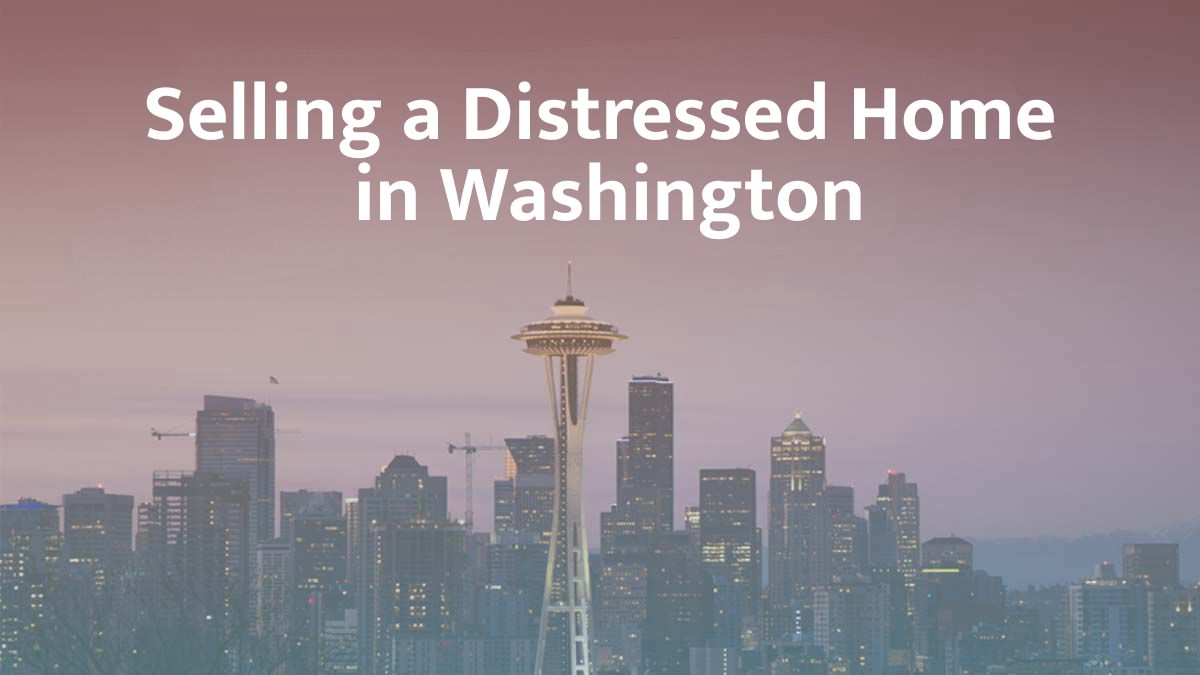
Yes, you can sell a distressed home in Washington. Options include cash buyers, as-is listings, short sales, and auctions. The right choice depends on the type of distress, how quickly you need to sell, and whether you have equity in the property.
A distressed home is any property that is difficult to sell because of financial hardship, physical damage, legal complications, or ownership challenges. Common examples include homes facing foreclosure, inherited properties tied up in probate, houses with major repair needs, and homes with unpaid property tax liens.
Washington homeowners face distressed property situations for many reasons, including foreclosure, financial hardship, divorce, inherited property disputes, deferred maintenance, job loss, and unexpected repair costs. Water damage, mold issues, aging systems, and rising housing expenses can make some homes difficult to sell through traditional methods. Even severely distressed homes can be sold. This guide explains your options, what each costs and takes, and what Washington law requires.
Instant Valuation, Confidential Deals with a Certified iBuyer.com Specialist.
Sell Smart, Sell Fast, Get Sold. No Obligations.
Selling a Distressed Home
- Common Types of Distressed Properties in Washington
- Selling Options for Distressed Homeowners in Washington
- Step-by-Step Process for Selling a Distressed Home in Washington
- Who Buys Distressed Homes in Washington?
- What Affects the Sale Price of a Distressed Home?
- Washington Laws and Legal Requirements
- Get a Cash Offer on Your Washington Home
- Frequently Asked Questions
Common Types of Distressed Properties in Washington
Pre-Foreclosure Homes
A pre-foreclosure home is one where the owner has missed mortgage payments but the foreclosure sale has not yet occurred. Washington primarily uses a nonjudicial foreclosure process through a deed of trust, allowing lenders to foreclose without filing a lawsuit in many situations. Because foreclosures can move relatively quickly, many homeowners choose to sell before the foreclosure sale to preserve equity and avoid a completed foreclosure on their credit report.
Inherited Properties
Inherited homes often become distressed when heirs cannot agree on what to do with the property, cannot afford ongoing maintenance costs, or need to complete probate before selling. Deferred maintenance, title complications, unpaid utility bills, and family disputes can all affect the sale process.
Homes With Major Repair Issues
Properties requiring extensive repairs, such as foundation damage, roof failure, water intrusion, mold, fire damage, outdated systems, or structural problems, are often difficult to finance through traditional mortgage programs. This frequently limits the buyer pool to investors and cash buyers.
Tax-Delinquent and Lien-Affected Properties
Unpaid property taxes, HOA assessments, contractor liens, and court judgments create legal claims against the property. These issues generally do not prevent a sale, but they typically must be resolved before or during closing. Most liens are paid from the seller’s proceeds.
Vacant, Abandoned, and Divorce-Related Properties
Vacant homes may suffer from neglect, vandalism, theft, maintenance issues, or weather-related damage. Properties involved in divorce proceedings are often sold to divide assets or resolve ownership disputes. Both situations frequently involve motivated sellers seeking a fast resolution.
Selling Options for Distressed Homeowners in Washington
There is no single best way to sell a distressed property. The right option depends on the home’s condition, your financial situation, how quickly you need to sell, and how much effort you want to invest before listing.
| Option | Typical Timeline | Price Impact | Best For |
| List with an agent | 30 to 90+ days | Closest to market value | Properties with equity; sellers with time |
| Sell as-is | 30 to 90 days | 5%-15% below market | Sellers who cannot make repairs |
| Cash buyer | 7 to 21 days | 10%-30% below market | Urgent sales, poor condition, foreclosure |
| Short sale | 60 to 120+ days | Below market; lender controls | Homes worth less than the mortgage |
| Auction | Varies | Unpredictable; often low | When speed is the only priority |
Option 1: List With a Real Estate Agent
Listing on the open market provides maximum exposure and the best opportunity to achieve close to market value. A real estate agent assists with pricing, marketing, negotiations, and transaction management.
The trade-off is time. Distressed homes may take 30 to 90 days or longer to sell. Buyers may also request repairs or credits following inspections, which can reduce your net proceeds.
Best for: Properties with equity and sellers who have time to maximize their sale price.
Option 2: Sell the Property As-Is
An as-is sale means the buyer purchases the property in its current condition. You do not make repairs before selling. Washington disclosure requirements still apply, meaning sellers must disclose known material defects.
As-is homes generally sell for 5% to 15% below the value of comparable move-in-ready properties. However, sellers avoid repair expenses, staging costs, and lengthy inspection negotiations.
Best for: Sellers who cannot afford repairs, inherited properties, and homes with deferred maintenance.
Option 3: Sell to a Cash Buyer
Cash buyers, including investors and We Buy Houses companies, purchase homes directly without mortgage financing. They typically buy as-is and can often close within 7 to 21 days.
The trade-off is price. Cash buyers generally offer 60% to 80% of market value because they account for renovation costs, carrying expenses, and profit margins. However, homeowners facing foreclosure, severe property damage, title complications, or urgent relocation often value the speed and certainty of a cash transaction.
Compare multiple offers before accepting one, as pricing and terms vary significantly between buyers.
Best for: Urgent sales, distressed properties in poor condition, foreclosure situations, and sellers prioritizing convenience and certainty.
Option 4: Pursue a Short Sale
A short sale occurs when the lender agrees to accept less than the remaining mortgage balance. Lender approval is required, and homeowners must provide documentation demonstrating financial hardship.
Short sales generally take 60 to 120 days or longer because the lender must review and approve the transaction. Homeowners should ask whether the lender will forgive any remaining deficiency balance after closing.
Best for: Homeowners whose mortgage balance exceeds the property’s current market value.
Option 5: Sell Through an Auction
Auctions can attract investors and cash buyers and may provide a quick sale once scheduled. However, final sale prices are unpredictable and often lower than prices achieved through traditional marketing.
Review all seller fees, buyer premiums, reserve requirements, and auction terms before proceeding.
Best for: Sellers whose primary concern is speed and who can accept pricing uncertainty.
Step-by-Step Process for Selling a Distressed Home in Washington
Step 1: Assess the Property’s Condition
Inspect the property and identify major issues such as roof damage, foundation problems, water intrusion, mold, plumbing failures, electrical concerns, fire damage, or structural defects. A professional home inspection typically costs between $300 and $700 and provides useful information for pricing and negotiations.
Step 2: Understand What You Owe
Determine the mortgage payoff amount, unpaid property taxes, HOA fees, liens, and any other obligations. Your net proceeds equal the sale price minus these obligations and closing costs. Understanding this figure helps determine the best selling strategy.
Step 3: Decide Whether to Make Any Repairs
Not every distressed property should be repaired before selling. Minor improvements such as cleaning, landscaping, and cosmetic touch-ups can improve buyer interest without requiring significant investment.
Major renovations often do not provide a full return on investment for distressed homes. Compare repair costs with the likely increase in value before spending money.
Step 4: Set a Realistic Asking Price
Pricing is one of the most important factors affecting how quickly a distressed property sells. Review recent comparable sales in your area. A licensed real estate agent or appraiser can help establish a realistic value.
Buyers purchasing distressed homes factor renovation costs and risk into their offers, so pricing should reflect the property’s actual condition.
Step 5: Choose Your Selling Method
Use the comparison table above to determine which option best fits your circumstances. If speed is your primary concern, a cash buyer may be the best choice. If maximizing value matters most, listing with an agent often makes more sense. If the mortgage exceeds the property’s value, a short sale may be necessary.
Step 6: Review Offers Carefully
Evaluate offers based on more than price. Consider financing type, contingencies, inspection requirements, and closing timelines. Cash offers with few contingencies often provide greater certainty than financed offers.
Whenever possible, compare multiple offers before making a decision.
Step 7: Complete Title and Closing Requirements
After accepting an offer, the title company conducts a title search to identify liens, ownership disputes, easements, or other claims. Most liens are resolved during the closing process using sale proceeds.
Addressing title issues early helps prevent delays and unexpected complications.
Who Buys Distressed Homes in Washington?
Distressed homes attract a specialized group of buyers. Understanding their goals helps set realistic expectations.
| Buyer Type | What They Look For | Typical Offer Level |
| Real estate investors | Properties with renovation potential below market value | 60%-80% of market value |
| Cash home buyers / We Buy Houses | Speed and simplicity; buy any condition | 60%-75% of market value |
| House flippers | Distressed homes they can renovate and resell | 60%-80% of market value |
| Landlords | Distressed homes in rental-friendly locations | Varies by rental income potential |
| Traditional buyers | Affordable homes in desirable markets | Closer to market value; require financing |
What Affects the Sale Price of a Distressed Home?
- Property condition: The extent of repairs needed is typically the largest factor affecting value.
- Location: Homes in markets such as Seattle, Bellevue, Tacoma, Spokane, Vancouver, and Everett often attract stronger offers than similar homes in less active areas.
- Local market conditions: Competitive housing markets generally support higher offers, even for distressed properties.
- Outstanding liens and title issues: Unresolved claims can delay transactions and reduce buyer confidence.
- Foreclosure status: Homes approaching foreclosure sales often receive lower offers due to urgency and perceived risk.
- Water and environmental concerns: Moisture issues, mold, flooding risks, and environmental conditions can significantly affect buyer demand and pricing.
Washington Laws and Legal Requirements
Seller Disclosure
Washington law generally requires sellers of residential real property to provide a Seller Disclosure Statement (Form 17). The disclosure covers known material defects involving the structure, roof, plumbing, electrical systems, environmental conditions, water issues, and other significant property concerns.
Selling as-is does not eliminate disclosure obligations. Sellers must still disclose known material defects and cannot intentionally conceal problems.
Foreclosure Rules
Washington primarily uses a nonjudicial foreclosure process under the Deed of Trust Act. Lenders can often foreclose without filing a lawsuit if they follow statutory notice requirements.
Because nonjudicial foreclosures can move relatively quickly, homeowners facing foreclosure should act early if they plan to sell before the foreclosure sale occurs.
Liens and Property Taxes
Outstanding mortgages, property tax liens, HOA assessments, judgment liens, and contractor liens generally must be resolved before ownership can transfer. Most are paid from sale proceeds during closing.
Complex lien situations may require negotiations before the transaction can close.
Probate and Inherited Properties
If you inherited a property, confirm that you have legal authority to sell before listing. Some inherited homes require probate proceedings before ownership can transfer and a sale can occur.
The timeline depends on whether a valid will exists and whether ownership disputes arise among heirs.
When to Consult a Real Estate Attorney
Legal guidance can be valuable in situations involving foreclosure, probate, multiple heirs, title disputes, unresolved liens, estate administration, or complicated ownership arrangements.
An experienced Washington real estate attorney can help resolve issues before they delay or jeopardize the transaction.
Common Mistakes When Selling a Distressed Home
Waiting too long to act. Delays increase financial pressure through missed payments, taxes, insurance costs, utilities, and maintenance expenses.
Overpricing the property. Distressed homes priced too aggressively often remain on the market longer and eventually sell for less.
Failing to disclose known issues. Washington law generally requires disclosure of known material defects. Failure to disclose can create legal liability after closing.
Accepting the first offer without comparison. Comparing multiple offers helps identify the strongest combination of price, terms, and certainty.
Skipping professional assistance. Real estate agents, title professionals, and attorneys can help prevent costly mistakes and transaction delays.
Get a Cash Offer on Your Washington Home
iBuyer.com connects Washington homeowners with cash buyers who purchase homes as-is, close quickly, and charge no commissions. Get a free cash offer in 24 to 48 hours and review your options before making a decision.
Frequently Asked Questions
Yes. You can sell your property before the foreclosure sale occurs and before the foreclosure process is finalized. Selling before foreclosure may help you pay off the outstanding mortgage balance, preserve any remaining equity, avoid a completed foreclosure on your credit history, and maintain greater control over the outcome. Acting early can provide additional opportunities to resolve mortgage debt and minimize the long-term financial and credit consequences associated with foreclosure.
A distressed property is any home affected by financial hardship, foreclosure, major repair needs, probate or inheritance issues, unpaid property taxes, liens, title problems, or legal complications that make selling more challenging. Common examples include pre-foreclosure properties, inherited homes, vacant houses, tax-delinquent properties, and homes requiring substantial repairs or renovations. These properties often attract investors and cash buyers seeking opportunities to purchase below market value.
Yes. Washington homeowners can sell properties as-is without making repairs or improvements before listing them for sale. Selling as-is can help reduce upfront expenses and simplify the transaction process. However, sellers must still comply with Washington’s disclosure requirements, including providing accurate information about known material defects and property conditions as required by state law. Proper disclosures can help reduce the risk of disputes after closing.
The amount varies depending on the property’s condition, location, market demand, and the urgency of the sale. Cash buyers often offer between 60% and 80% of a property’s fair market value because they assume the risks and costs associated with repairs and a quick closing. As-is listings generally sell for 5% to 15% below the value of comparable move-in-ready properties, while homes with extensive damage or significant legal complications may sell at larger discounts.
Yes. Properties with liens can generally be sold, but outstanding liens typically must be paid off, settled, or otherwise resolved before ownership can transfer to a new buyer. During the closing process, title companies usually identify any recorded liens and use sale proceeds to satisfy valid claims. In some situations, lien holders may agree to negotiate payoff amounts to facilitate the sale.
Selling to a cash buyer is usually the fastest option. Because mortgage financing, lender underwriting, and appraisal requirements are not involved, many cash transactions can close within 7 to 21 days. This can help homeowners avoid lengthy marketing periods and complete the sale quickly, making it a popular option for those facing foreclosure, financial hardship, or urgent relocation needs.
No. Washington law does not require a real estate agent to sell a home. Homeowners may choose to sell independently, directly to a buyer, or through a cash home-buying company. However, an experienced real estate agent can provide valuable assistance with pricing, marketing, negotiations, disclosures, paperwork, and overall transaction management, which may help maximize the final sale price.
It depends on the cost of the repairs, your timeline, and the anticipated return on investment. Minor cosmetic improvements and basic maintenance may increase buyer interest and potentially improve the sale price. However, major renovations can be expensive and often do not generate enough additional value to justify the investment. Homeowners should carefully evaluate repair costs and local market conditions before undertaking significant improvements.
At closing, the sale proceeds are used to pay off outstanding mortgages, liens, property taxes, and closing costs. Any remaining funds belong to you as your equity. If the sale price is insufficient to cover all debts secured by the property, alternatives such as a short sale, lender negotiation, or debt settlement may be necessary to complete the transaction.
The timeline depends on the selling method and the property’s specific circumstances. Cash sales often close within 7 to 21 days because financing approvals are not required. Traditional listings generally take 30 to 90 days or longer depending on market conditions, buyer demand, pricing strategy, and property conditions. Short sales typically require 60 to 120 days or more because lender approval is required before closing. Because Washington primarily uses a nonjudicial foreclosure process, homeowners facing foreclosure should act quickly to maximize available options and protect any remaining equity in the property.

Reilly Dzurick is a licensed real estate agent with over six years of experience and a member of the iBuyer.com Market Insights Team, covering national trends in home selling and the evolving iBuyer landscape. Her firsthand experience working with buyers and sellers gives her a practical perspective on how these platforms impact real homeowners. She holds a degree in Public Relations, Advertising, and Applied Communication.