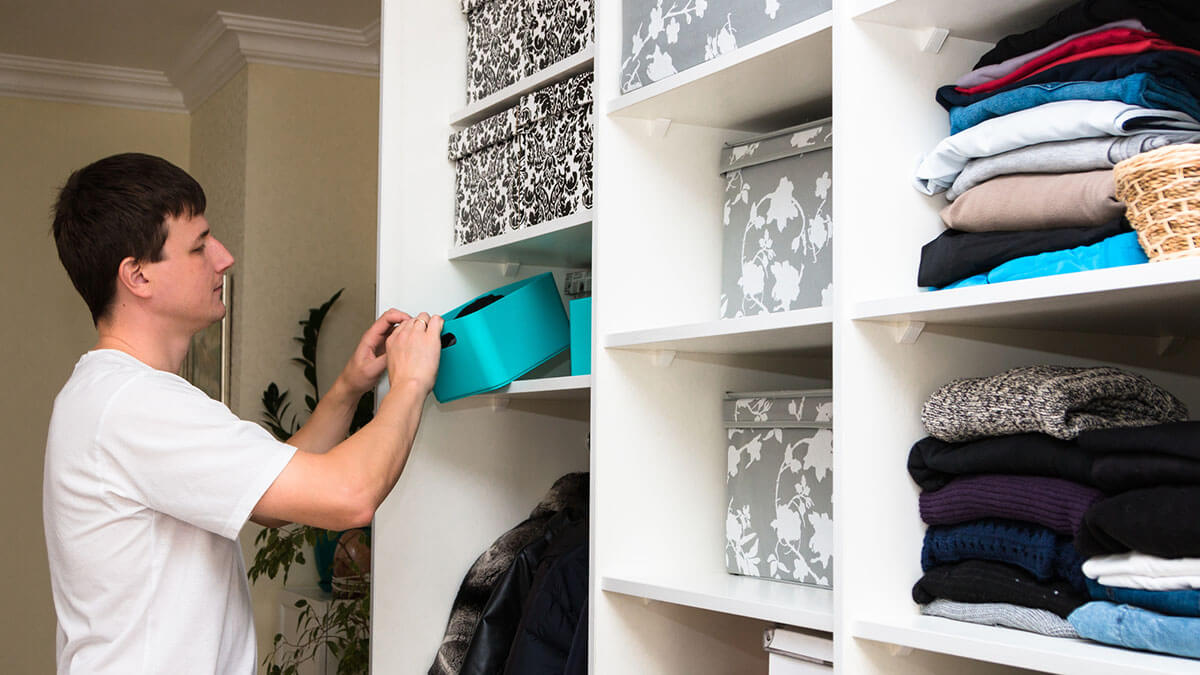
A highly effective decluttering checklist involves working through your home room-by-room, sorting items into “keep,” “donate,” and “trash” piles. This guide covers 141 specific items across 8 room categories, three named decision frameworks (20/20, 5-5-5, and 90-90), and a step-by-step sequence for tackling your whole house in the right order.
For most households, a full-home declutter takes 10 to 30 hours spread across multiple sessions. Decision fatigue is the main reason projects stall before completion, which is why each section pairs a specific item list with a clear keep donate trash framework so you can move fast without second-guessing every borderline item.
This guide covers what to declutter first, the best room by room declutter checklist order for your whole house, a complete room-by-room checklist for 8 categories, explanations of the 5-5-5 rule, 90-90 rule, and 20/20 rule including which version of the 5-5-5 rule to use, what to do with your items after you finish, and how to organize your home and prepare it for a sale. Whether you are working toward a minimalist home, trying to go clutter free, searching for home decluttering tips before listing, or want a printable declutter checklist to mark up as you go, the sections below cover all of it.
Your Home Is Ready. Skip the Listing. Compare competing cash offers without staging, showings, or commissions
No repairs required, no agent fees, no obligations.
Declutter Your Home
- What to remove first when decluttering
- In what order should you declutter your house?
- Complete room-by-room declutter checklist
- What is the 5-5-5 rule for decluttering?
- What is the 90-90 rule for decluttering?
- The 20/20 rule: when to let something go
- What to do with items after you declutter
- How to declutter your home before selling
- Frequently Asked Questions
What to remove first when decluttering
According to Forbes’ list of highest-impact items to remove first, the fastest path to momentum in any declutter session is starting with items that require zero decision-making. Obvious trash, expired products, and broken objects deliver immediate visible progress without the emotional friction that causes most projects to stall before the harder rooms.
The best strategy for what to declutter first follows a three-tier priority. Start with the no-decision pile, then move to clothing, then tackle duplicates. Homeowners dealing with heavy clutter or deferred maintenance may also want to explore whether a distressed home cash sale is an option that skips the staged-and-listed path entirely.
Trash and expired items
Trash and expired items come out first, every time. Expired food, medications, cosmetics, and cleaning products require no judgment call. They go directly to the trash or to the appropriate disposal channel covered in the disposal section below.
This pass covers expired pantry staples, medications past their date, sunscreen from two or more summers ago, dried nail polish, and cleaning products that have separated or lost their scent. Expired items are the no-decision category and they appear across every room, from the kitchen to the medicine cabinet to the junk drawer.
Clothes and shoes you no longer wear
After trash and expired items, clothing is the highest-volume category with the clearest criteria. If you have not worn a garment in 12 months, or if it is stained, damaged, or no longer fits, it leaves. Most households find 15 to 30 garments per closet in this category.
Work through one section at a time. Socks with holes or missing matches, worn-out shoes, and excess plastic dry-cleaner hangers all clear quickly because the criteria are obvious.
Duplicates and items unused for a year
Duplicate kitchenware, extra linens, and redundant electronics are the third priority. If you have not used an item in the past 12 months and you own a duplicate, the duplicate goes.
Common high-volume duplicate categories include wooden spoons, throw blankets, phone chargers, and travel mugs. Aim to keep 1-2 travel mugs per person and declutter the rest.
In what order should you declutter your house?
Start with the entryway and kitchen surfaces, then work toward sentimental storage last. Each step builds the decision-making confidence you need for the harder items. According to a professional organizer’s recommended declutter order from Apartment Therapy, this sequence reflects consensus across professional organizers because it matches growing decision capacity to rising emotional difficulty.
- Entryway and kitchen surfaces, lowest emotional load, highest visual payoff per square foot. A cleared entryway signals the whole house is in order.
- Bathrooms, small spaces with obvious discard candidates. Expired items dominate, so this step is nearly all no-decision territory.
- Closets and clothing, high space payoff, moderate emotional difficulty. Clear criteria (worn in the past year or not) keep sessions moving.
- Living room and shared spaces, medium emotional load, many duplicates. Start with surfaces and stored media.
- Bedrooms, personal but mostly functional items. Nightstand clutter and expired items clear fast.
- Sentimental storage (garage, attic, basement), highest emotional difficulty. Save this for last deliberately so you arrive with momentum already built.
Working through each room systematically is also one of the most consistent home decluttering tips from professional organizers, because the sequence builds confidence before you face the hardest decisions.
How to Declutter Your Home Room by Room
- steps:
- name Gather your supplies text: Collect 3 boxes or heavy-duty trash bags labeled “Keep,” “Donate,” and “Trash.” Add a fourth box labeled “Relocate” for items that belong in a different room. A sharpie and sticky labels help if you are sorting by drop-off destination.
- name Choose your starting room text: Start with the entryway or kitchen. These are the lowest-emotion, highest-visual-impact rooms. Early wins there build the momentum you need before facing harder decisions in bedrooms and storage areas.
- name Remove everything from the space text: Pull all items out of drawers, shelves, and cabinets before sorting. Seeing the full quantity you own is a prerequisite for making accurate keep, donate, or trash decisions. You cannot evaluate items you cannot see.
- name Sort every item using the three-pile system text: Place each item in keep, donate, or trash. For borderline items, apply the 20/20 rule, if you can replace the item in under 20 minutes for under $20, place it in donate or trash. For items unused in the last 90 days with no expected use in the next 90 days, apply the 90-90 rule.
- name Clean the empty space before returning “keep” items text: Wipe down shelves, drawer interiors, and cabinet surfaces before restocking. This step reinforces the clean starting point and signals completion before you move to the next room.
- name Remove donation and trash boxes from the home immediately text: Schedule a pickup or drive to a drop-off location the same day or the following morning. Items that remain in your home have a high rate of being re-absorbed before they ever leave.
- name Repeat for each room in low-to-high emotional difficulty order text: Kitchen and entryway first, then bathrooms, then closets and clothing, then living spaces, then bedrooms, then sentimental storage (garage, attic, basement) last.
Complete room-by-room declutter checklist
The room by room declutter checklist below covers 8 categories and 141 specific items. Each section opens with a Trash / Donate / Relocate summary so you can sort without stopping to think. If you want a physical copy, use your browser’s print function to save this as a printable declutter checklist you can mark up as you go.
Working through what to declutter room by room also makes the home decluttering tips in each section immediately actionable: you see exactly what stays, what goes, and where it goes. Applying the keep donate trash system category by category is one of the most reliable ways to stay on track through a full-house project.
Kitchen and pantry
Trash: expired food and spices, chipped plates, cracked mugs, stained dish towels Donate: duplicate utensils, cookbooks, novelty mugs, excess storage containers Relocate: items stored in the kitchen that belong elsewhere in the house
- Expired food, spices, and sauces
- Plastic containers without matching lids
- Chipped plates, cracked mugs, and stained dish towels
- “Single-job” gadgets unused for 6+ months (avocado slicers, egg separators, strawberry hullers)
- Excess travel mugs and water bottles (keep 1-2 per person)
- Takeout menus and disposable cutlery
- Single-use plastic bags accumulated past 20 bags
- Expired condiments in the refrigerator door
- Duplicate utensils (extra spatulas, ladles, and wooden spoons beyond practical use)
- Warped, scratched, or severely damaged pans
- Junk drawer contents: dead batteries, broken rubber bands, mystery keys, dried-up tape, unidentified cords
- Cookbooks unopened for 2+ years
- Party supplies from events already held
- Mismatched food storage lids with no matching base
- Excess reusable grocery bags beyond what you use weekly
- Plastic utensils saved from takeout orders
- Novelty mugs and glasses rarely used
- Duplicate measuring cups or spoon sets beyond one complete set
- Fast food condiment packets and napkins accumulated in drawers
- Cracked or broken baking pans and cookie sheets
- Excess paper plates and plastic cups from past parties
- Outdated canned goods you will not eat
- Stained or cracked cutting boards
Living room
Trash: old magazines, broken electronics, dead plants, worn blankets Donate: DVDs, books, board games with all pieces present, working décor you no longer like Relocate: items from other rooms that have migrated here
- Old magazines, catalogs, and newspapers
- DVDs, CDs, and VHS tapes you no longer watch
- Duplicate or non-working remote controls
- Excessive throw pillows and blankets (worn, pilled, or simply too many)
- Board games and puzzles with missing pieces
- Books read and unlikely to be re-read
- Decorative items that no longer fit your style or space
- Broken or unused tech accessories (old headphones, dead speakers)
- Expired warranties or instruction manuals stored in the coffee table drawer
- Dead or artificial plants you no longer like
- Candle stubs too small to burn
- Framed photos you no longer display
- Old DVR boxes or cable equipment from canceled services
- Outdated gaming discs for consoles you no longer own
- Blankets with holes, stains, or excessive pilling
- Old TV remote controls for televisions you no longer own
- Decorative baskets or storage containers you no longer use
- Tangled string lights that no longer work
Bedrooms
Trash: broken accessories, worn-out pillows, outdated electronics Donate: functioning items you no longer use, including alarm clocks, jewelry, and décor Relocate: items that belong in the bathroom, closet, or home office
- Mismatched pillowcases from sets you no longer own
- Decorative items you have not noticed in 6+ months
- Old receipts and ticket stubs in the nightstand
- Phone chargers for phones you no longer own
- Worn or pilled pillows past their useful life
- Books started but not finished (keep only if you genuinely plan to finish)
- Old greeting cards you do not plan to keep
- Jewelry you never wear
- Old alarm clocks replaced by your phone
- Clothing draped on chairs that belongs in the closet or donate pile
- Under-bed storage boxes containing items you had forgotten about
- Mismatched or worn bed linens beyond your active rotation
- Broken jewelry and orphaned single earrings
- Extra pillows beyond 2 per person
- Old toys or items kept for nostalgia but never displayed
- Worn or outdated wall art you no longer like
Closets and clothing
Trash: damaged shoes, socks with holes, broken hangers past use Donate: unworn clothing, out-of-style accessories, excess bags in usable condition Relocate: off-season items to long-term storage
- Clothing not worn in 1+ year, or stained and unlikely to be repaired
- Excess plastic dry-cleaner hangers (recycle the surplus)
- Socks with holes or missing matches
- Worn, uncomfortable, or damaged shoes
- Unused, damaged, or out-of-style purses and bags
- Belts and accessories you never wear
- Duplicate seasonal items (more scarves, hats, and gloves than you use in a season)
- Clothes kept for “someday” that no longer fit or apply to your life
- Ties and formal wear not worn in 3+ years
- Worn or heavily pilled sweaters beyond repair
- Sports uniforms for leagues you no longer play in
- Promotional t-shirts and freebies you never wear
- Wire hangers beyond what dry cleaning requires
- Gift bags and tissue paper stocked beyond a practical stash
- Maternity or size-specific clothing that no longer applies
Pre-sell note for those who declutter before selling: Aim for 50-70% empty closet capacity. Buyers open every door and interpret full closets as insufficient storage. This is the most consistently cited home staging target for storage areas.
Bathrooms
Trash: expired medications (via take-back program), dried makeup, worn towels Donate: unopened, unexpired personal care products you will not use Relocate: items that belong in another room or the medicine cabinet
- Expired medications, vitamins, and old sunscreen
- Half-used, dried-up makeup or expired skincare
- Worn, frayed, or stained towels and washcloths
- Stretched-out hair ties, broken hair clips, and dried nail polish
- Empty or almost-empty bottles (shampoos, lotions)
- Old toothbrushes beyond their 3-month replacement window
- Expired first aid supplies (bandages, antiseptic creams)
- Duplicate grooming tools (extra hairdryers, flat irons)
- Travel-size toiletries accumulated from hotel stays
- Sample products opened more than 6 months ago and unused
- Broken or discontinued styling tools
- Out-of-date prescription eyeglasses
- Expired contact lens solutions
- Old razors and disposable shavers past their prime
- Opened sunscreen from two or more summers ago
- Overstocked cotton swabs, cotton balls, or duplicate toiletry items
Home office and paper
Trash: dead pens, outdated documents, broken supplies, expired gift certificates Donate: functional office equipment you no longer need Relocate: household documents to a dedicated filing location
- Old tax receipts older than 7 years (per IRS record-keeping guidelines for tax documents, most supporting records should be kept 3 to 7 years depending on return type; verify the current schedule before discarding)
- Instruction manuals for items you no longer own
- Dried-out pens and broken markers
- Unused notebooks and journals started but abandoned
- Old greeting cards you do not plan to keep
- Cords, wires, and chargers with no matching active device
- Outdated software on CDs or DVDs
- Old phone books and printed city directories
- Catalogs and unsolicited promotional mail
- Sticky notes that are no longer relevant
- Duplicate office supplies beyond practical need (multiple staplers, tape dispensers)
- Old business cards from contacts you no longer maintain
- Outdated reference books, textbooks, and trade publications
- Bank statements available online that are more than 1 year old
- Expired coupons and gift certificates
- Old calendars and planners from previous years
Garage, basement, and attic
Trash: broken tools, empty chemical containers, cracked equipment Donate: functional sports gear, working tools you no longer need, usable furniture Relocate: items that belong indoors or in a different storage zone
- Automotive fluids for cars you no longer own
- Sports equipment for sports you stopped playing 2+ years ago
- Broken tools missing essential parts
- Duplicate hand tools beyond practical need
- Holiday decorations not used in 3+ years
- Cardboard boxes from electronics you no longer own
- Old paint cans for colors no longer on your walls
- Bicycle gear for bikes no longer in use
- Furniture stored “temporarily” but unused for years
- Baby and toddler gear if your children are past that age
- Camping gear for trips you have not taken in 2+ years
- Seasonal items from hobbies you no longer pursue
- Moving boxes from a previous move, still unpacked
- Stacks of cardboard boxes saved “just in case”
- Worn-out garden tools past their useful life
- Leftover tile, flooring, or paint from projects completed years ago
- Exercise equipment used fewer than 10 times
- Old snow chains or tire accessories for a vehicle you sold
- Cracked or broken lawn and garden pots
- Empty or near-empty spray paint cans
Digital clutter
Delete: duplicate files, expired apps, accounts you no longer use Archive: files worth keeping but not needed in active storage Unsubscribe: newsletters, promotional emails, and streaming services you do not use
- Unread promotional emails and newsletter subscriptions
- Duplicate or blurry photos on your camera roll
- Apps on your phone you have not used in months
- Unneeded files, random screenshots, and temporary downloads
- Old saved documents you no longer reference
- Desktop shortcuts to programs you never open
- Browser bookmarks for sites you never revisit
- Old social media accounts you no longer use
- Podcasts subscribed to but never listened to
- Video streaming watchlist items you have not started in 6+ months
- Music playlists from 5+ years ago you no longer play
- Contact list entries for people you no longer know or contact
- Email folders with no messages opened in 2+ years
- Cloud storage files with no clear purpose
- Voicemails saved more than 6 months
- Shared cloud folders from former coworkers or classmates
- Duplicate contact entries in your phone
What is the 5-5-5 rule for decluttering?
The 5-5-5 rule for decluttering sets a 25-minute timer, breaks your space into 5 small zones, and spends exactly 5 minutes in each zone before moving on. This is the version cited in Google’s AIO and the most widely shared interpretation. However, the 5-5-5 rule decluttering framework appears in at least three distinct versions online, and the conflicting definitions are themselves a source of decision fatigue for anyone trying to apply the method consistently.
The table below compares all three:
| Version | What it means | Best for |
|---|---|---|
| Timer version (Google AIO, Gemini, Perplexity) | 5 zones, 5 minutes each, 25 minutes total | Daily reset when you feel overwhelmed |
| Item-count version (ChatGPT) | 5 items to discard, 5 to donate, 5 to return to their place | Maintenance after a full declutter session |
| Time + items version (Claude) | 5 items per session, 5 minutes maximum, across 5 categories | Building a consistent daily organizing habit |
Based on AI engine captures, June 2026. Re-verify current definitions before citing.
All three versions work by limiting session scope. The timer version suits an overwhelmed daily reset. The item-count version works best as a maintenance habit after a larger session. Pick whichever matches your current goal.
What is the 90-90 rule for decluttering?
The 90-90 rule says let go of any item you have not used in the last 90 days and will not use in the next 90 days. Apply it to any item where your first instinct is “but I might need it someday.”
Ask yourself two questions before deciding:
“Have I used this item in the last 90 days?”
“Will I use this item in the next 90 days?”
If both answers are no, let it go.
The rule was created by Joshua Fields Millburn and Ryan Nicodemus and is documented at The Minimalists’ original 90-90 rule. The 90-day window is deliberate: it equals roughly one season, which removes the “I will need this in winter” justification for most items because winter is within 90 days for at most one quarter of the year.
Three practical exceptions where the 90-90 rule does not apply cleanly:
- Seasonal items used once per year (holiday decorations, ski gear)
- One-per-decade formal wear (a tuxedo or gown worn rarely but intentionally)
- Emergency-use items (first aid kit, emergency tools, backup flashlights)
For these categories, use the 20/20 rule below or retain them with a note of when they were last used.
The 20/20 rule: when to let something go
The 20/20 rule says if you can replace an item in under 20 minutes for less than $20, let it go. It removes the “what if I need it later” anxiety from low-cost, low-stakes decisions that otherwise pile up and stall the whole session.
Three practical applications:
- Use it for low-cost household items: spare chargers, extra kitchen tools, inexpensive décor, and generic cleaning supplies all qualify. If the item is cheap to replace and easy to find, holding onto it costs more in space and mental load than buying it again would.
- Do not apply it to sentimental items: the rule is designed for replaceable functional objects only. A family photo or a handwritten letter is not a 20/20 candidate.
- Use it alongside the 90-90 rule: the 90-90 rule evaluates how often you use something. The 20/20 rule evaluates how easily you could replace it. Together they cover most borderline decisions in a decluttering checklist.
The 20/20 rule appears in Google’s AIO but has no single verified originator. Treat it as a widely cited popular heuristic rather than a named-author framework.
What to do with items after you declutter
Knowing what to do with your donate items and discards is what turns a staged pile of boxes into a finished project. This section covers all three exit paths: donate items, sell high-value items, and dispose of medications and electronics safely.
Where to donate: organizations that pick up
Remove donation boxes from your home within 48 hours. Items that stay in the house have a high rate of being re-absorbed before they ever leave. This single behavioral habit is the most reliable way to prevent re-cluttering after you finish.
Three reliable options:
- Habitat for Humanity ReStore donation pickup accepts furniture, appliances, and building materials and offers free scheduled pickup in most metro areas.
- Goodwill and Salvation Army accept clothing, housewares, and electronics at drop-off locations with no appointment needed.
- Buy Nothing groups and Facebook Marketplace (free listings) move large items quickly without requiring a trip to a drop-off site.
How to sell: items worth more than $25
Facebook Marketplace and local consignment shops typically return 20 to 50% of retail on clothing and electronics. For furniture and appliances in good condition, Facebook Marketplace, Craigslist, and OfferUp are the fastest platforms. For clothing, ThredUp, Poshmark, and local consignment stores are the best options.
A practical threshold: if an item is worth less than $25 and requires more than 30 minutes to list and ship, donate it instead. Your time costs more than the margin.
How to dispose of medications and electronics safely
Medications and electronics require specific disposal routes that standard curbside programs do not cover.
For medications: the FDA drug take-back program locations list authorized drop-off pharmacies near you. The DEA’s national take-back program has permanent drop-off boxes at most major pharmacy chains year-round. Flushing medications is FDA-approved only for a short list of high-risk drugs where the label explicitly says to flush.
For electronics: the EPA-certified electronics recycling locator helps you find certified e-recyclers near you. Many big-box retailers also accept old electronics for free drop-off regardless of where you bought them.
How to declutter your home before selling
Decluttering before selling is distinct from everyday tidying. The goal is not a tidy home for yourself but a neutral, spacious-feeling home for buyers. According to the home staging checklist from Realtor.com, removing personal items and clearing surfaces helps buyers picture themselves in the space, which is the goal behind every home staging decision.
A complete decluttering checklist in hand before your first showing gives you a measurable standard to hit, not just a vague directive to “clean up.” Sellers preparing in uncertain markets should also weigh all their options early. Reviewing the benefits of selling during a recession can clarify whether a traditional listing or a direct cash offer better fits your timeline.
The declutter before selling process has three measurable targets that real estate professionals consistently cite:
Closets: aim for 50-70% empty
Buyers open every closet and every cabinet. A closet at 50 to 70% capacity signals ample storage. A packed closet signals the opposite, regardless of the home’s actual square footage. Remove off-season clothing, rarely worn items, and any non-clothing items stored in bedroom closets.
Countertops: clear everything except 3 items
Kitchen and bathroom countertops should have no more than 3 items visible. This is the standard home staging benchmark for both surfaces. A coffee maker, a fruit bowl, and a knife block counts as a complete kitchen counter. Everything else stores in a cabinet or leaves the house before showings.
Personal items: depersonalize every room
Remove family photos, personal collections, and anything that anchors the space to your current life. Refrigerator art, sports memorabilia, and large personal collections all come down. The goal is a neutral canvas where any buyer can picture themselves living.
Sellers who prefer to skip the declutter before selling process entirely have a direct alternative. Cash buyers purchase homes as-is with no decluttering, staging, or repairs required. Review the selling your home as-is option if the prepare-and-list path does not fit your timeline or property condition.
Once your home is buyer-ready, you can compare cash home buyers to see whether the off-market route delivers better net proceeds than a traditional MLS listing.
You have done the work of decluttering, depersonalizing, and organizing your home to the thresholds buyers want. At that point, you are ready to sell on your timeline, not the market’s. iBuyer.com connects you with multiple vetted cash buyers so you can compare real offers without listing on the MLS, paying agent commissions, or scheduling showings. You choose the offer and the closing date. Typical close: 7 to 30 days. Submit your address to get competing offers in 24 hours.
Decluttered and Done? Get Cash Offers. Multiple vetted buyers compete for your home, close in 7 to 30 days
Compare offers, pick your timeline, close on your terms.
Frequently Asked Questions
A declutter checklist is a room-by-room list of specific items to sort into keep, donate, or trash piles throughout your home. The most effective checklists cover 100 or more specific items and pair each room category with a measurable target, such as closets at 50-70% capacity when preparing for sale. The room-by-room approach differs from the KonMari method, which organizes by category type (clothing, books, paper, and so on) across the entire home rather than moving room by room.
Start with the entryway and kitchen, then tackle bathrooms and closets, saving garages, attics, and sentimental storage for last. Beginning with low-emotion areas lets you build decision momentum before you reach harder items. Professional organizers consistently recommend sentimental storage as the final step, and most whole-house declutters take 10 to 30 hours spread across multiple sessions.
Remove obvious trash, expired food, and broken items first because these require no decision-making and deliver the fastest visible progress. After trash and expired items, move to clothes not worn in the past 12 months, a large category with clear criteria and a high space payoff. Then address duplicates of kitchenware, linens, and electronics.
The 5-5-5 rule sets a 25-minute timer, divides your space into 5 small zones, and spends exactly 5 minutes on each zone before moving on. A second widely circulated version asks you to discard 5 items, donate 5 items, and return 5 items to their proper place per session. Both reduce decision fatigue by limiting scope; the timer version suits daily resets, while the item-count version suits maintenance after a larger declutter.
The 90-90 rule says let go of any item you have not used in the last 90 days and will not use in the next 90 days. Created by Joshua Fields Millburn and Ryan Nicodemus of The Minimalists, the rule removes the “just in case” justification by applying a seasonal time filter. Exceptions include seasonal items such as ski gear and holiday decorations, formal wear worn less than once per season, and emergency supplies like first aid kits.
The 20/20 rule says if you can replace an item in under 20 minutes for less than $20, let it go. This rule removes the “what if I need it later” anxiety for low-cost household items such as spare chargers, extra kitchen tools, and inexpensive décor. Use the 90-90 rule for usage-frequency decisions and the 20/20 rule for cost-of-replacement decisions.
Decluttering a whole house typically takes 10 to 30 hours depending on home size and clutter volume, spread across multiple sessions. A 1,000-square-foot apartment may take one focused weekend; a 2,500-square-foot house with 10 or more years of accumulated items may take 20 to 30 hours across two to four weeks. Spreading sessions over time reduces decision fatigue, the primary reason decluttering projects stall before completion.
Drop items at a Goodwill or schedule a Habitat for Humanity ReStore pickup within 48 hours to prevent boxes from re-entering your home. For high-value items, Facebook Marketplace and local consignment shops typically return 20 to 50% of retail value. The 48-hour removal window is the single behavioral habit that most reliably prevents re-cluttering after a declutter session.
The FDA recommends dropping expired medications at a DEA-authorized drug take-back location rather than placing them in the trash or flushing them. The DEA’s national take-back program has drop-off locations at most pharmacies, searchable at fda.gov. Flushing medications is FDA-approved only for a short list of high-risk drugs where the flush guideline appears on the label.
Yes. Decluttering before selling makes rooms appear larger, helps buyers visualize themselves in the space, and can shorten days on market. Real estate staging guidelines recommend clearing closets to 50-70% capacity and limiting kitchen and bathroom countertops to 3 items or fewer. Sellers who prefer to skip preparation can sell to cash buyers as-is without staging or repairs.
The KonMari method, developed by Marie Kondo, instructs you to keep only items that “spark joy” and to declutter by category rather than by room. KonMari works through categories in this order: clothing, books, paper, miscellany, and sentimental items. It works best for people motivated by emotional attachment; the room by room declutter checklist approach in this guide works better for time-limited declutters.
Apply the “one in, one out” rule: for every new item you bring into your home, remove one existing item in the same category. Other habits include a monthly 15-minute junk drawer reset, a seasonal clothing rotation that removes items not worn that season, and a digital clutter sweep every 90 days. Clutter returns fastest on flat surfaces such as countertops, entry shelves, and tables, so reset those areas first during any maintenance pass.
Keep birth certificates, Social Security cards, property deeds, and tax returns from the last 7 years regardless of how thorough your declutter is. The IRS recommends retaining tax returns and supporting documents for at least 3 years in most cases and up to 7 years for returns with reported losses or bad debt deductions. Irreplaceable items, including original photos, handwritten letters, passports, and wills, should be retained or digitized before discarding physical copies.
Yes, a printable room-by-room declutter checklist covering 141 items across kitchen, closets, bathrooms, home office, and digital space is available on this page. Use your browser’s print function (Ctrl+P on Windows or Command+P on Mac) to save or print the room-by-room checklist section as a PDF for offline use.

Reilly Dzurick is a licensed real estate agent with over six years of experience and a member of the iBuyer.com Market Insights Team, covering national trends in home selling and the evolving iBuyer landscape. Her firsthand experience working with buyers and sellers gives her a practical perspective on how these platforms impact real homeowners. She holds a degree in Public Relations, Advertising, and Applied Communication.