Greensboro’s best neighborhoods range from the historic tree-lined streets of Fisher Park and Irving Park to the walkable urban core of College Hill and Downtown, with quiet northwest suburbs rounding out one of the Piedmont Triad’s most varied housing markets. The city’s median home sale price is $289,000 as of May 2026, up 3.1% year over year, and homes average about 46 days on market, placing Greensboro well below Raleigh and Charlotte on cost without sacrificing neighborhood quality.
Greensboro is the fourth-largest city in North Carolina, with a population of more than 300,000 and roughly 130 square miles of distinct geographic zones. The most desirable neighborhoods cluster in the north and northwest, where home values and safety ratings are highest. More affordable options concentrate in the southwest and south.
This guide covers the 10 best neighborhoods in Greensboro NC, from the safest neighborhoods greensboro nc has in the northwest to the most walkable urban core, plus a side-by-side comparison with High Point and a buyer-persona table to match your priorities to the right address.
Best Neighborhoods
- Best Neighborhoods in Greensboro: Overview (2026)
- Fisher Park: Historic Homes Near Downtown
- Irving Park: Upscale Greensboro Living
- Lindley Park: Walkable and Eclectic
- Sunset Hills: Best for Greensboro Families
- Downtown Greensboro: Urban Living
- More Greensboro Neighborhoods Worth Knowing
- Safest Neighborhoods in Greensboro, NC
- Most Walkable Neighborhoods in Greensboro
- Is Greensboro or High Point Better to Live?
- How to Choose Your Greensboro Neighborhood
- Frequently Asked Questions
Ready to move to Greensboro? Compare cash offers from vetted buyers and pick your close date.
No agent fees, no repairs, no obligation to accept.
Know Your Local Market Before You List
Pull the last 12 months of real sales and buyer activity for your neighborhood.
Get My Market ReportBest Neighborhoods in Greensboro: Overview (2026)
Greensboro NC neighborhoods span a wide range of price tiers, architectural styles, and lifestyles. The best neighborhoods in greensboro nc depend on what matters most to you: walkability, school quality, safety, or price. The best places to live greensboro offers include historic districts that rival Raleigh’s Five Points at a fraction of the cost, along with family-oriented northwest suburbs that rank among the safest ZIP codes in the city.
According to City of Greensboro official data, Greensboro is the economic anchor of the Piedmont Greensboro Triad NC region, supported by three major universities (UNCG, NC A&T, Guilford College), the Cone Health system, and Piedmont Triad International Airport. Greensboro Census data confirms the population above 300,000, with household incomes and demographic profiles that vary significantly across its neighborhoods.
The 10 best neighborhoods in greensboro nc, based on safety ratings, home values, walkability, and community character:
- Fisher Park, historic architecture, top walkability near downtown
- Old Irving Park, upscale estates, Greensboro Country Club access
- New Irving Park, suburban scale, quieter streets, low crime
- Lindley Park, eclectic character, walkable to Battleground Ave
- Sunset Hills, family-focused, northwest location, low crime
- College Hill, Walk Score 81, most walkable in the city
- Downtown Greensboro, Walk Score 78, urban lofts and condos
- Lake Jeanette, resort-like setting, active HOA, tranquil
- Westerwood, affordable historic district, close to UNCG
- Adams Farm, planned community, newer construction, family-oriented
Greensboro at a glance: city snapshot
The city divides into four natural quadrants for buyers deciding where to live in greensboro nc: the walkable central and near-downtown corridor (Fisher Park, College Hill, Downtown), the upscale north and northeast (Irving Park, Hamilton Lakes, Starmount Forest), the family-oriented northwest (Sunset Hills, Lake Jeanette), and the more affordable southwest (Westerwood, Adams Farm). Each quadrant carries a distinct crime profile, school assignment pattern, and price tier.
Neighborhood comparison table
The table below summarizes the 10 best neighborhoods in greensboro nc across six dimensions. Price ranges reflect current Guilford County listing activity and should be verified before transacting.
| Neighborhood | Best For | Median Price Range | Walk Score | Safety Tier | School Tier |
|---|---|---|---|---|---|
| Fisher Park | Young professionals | $320K, $500K+ | High (65, 70) | Low-Medium | Above average |
| Old Irving Park | Luxury buyers | $450K, $900K+ | Moderate | Low | Above average |
| New Irving Park | Families, professionals | $350K, $550K | Moderate | Low | Above average |
| Lindley Park | Professionals, first-time buyers | $250K, $380K | High (60, 70) | Low-Medium | Average |
| Sunset Hills | Families | $280K, $420K | Moderate | Low | Above average |
| College Hill | Young professionals | $220K, $350K | Very High (81) | Medium | Average |
| Downtown | Young professionals, renters | $200K, $400K | High (78) | Medium-High | Varies |
| Lake Jeanette | Retirees, families | $300K, $500K | Low | Low | Above average |
| Westerwood | First-time buyers | $175K, $280K | Moderate | Low-Medium | Average |
| Adams Farm | Families, budget buyers | $260K, $380K | Low | Low | Above average |
Based on Guilford County property records, walkscore.com, and crimegrade.org data, 2026. Verify current figures before transacting.
Fisher Park: Historic Homes Near Downtown
Fisher Park greensboro is the city’s first official suburb, established in 1902, and it remains one of the most architecturally distinctive neighborhoods in North Carolina. It combines early 20th-century homes, strong pedestrian access to downtown cultural venues, and an active community association that has preserved its character for more than a century.
Architecture and home styles
Fisher Park’s housing stock features Craftsman bungalows, Colonial Revival homes, and Tudor cottages built primarily between 1910 and 1940. Lot sizes are smaller than Irving Park but streets are tree-lined and well-maintained. The neighborhood’s historic character limits teardown development, which protects values and streetscape quality over time.
Walkability and amenities
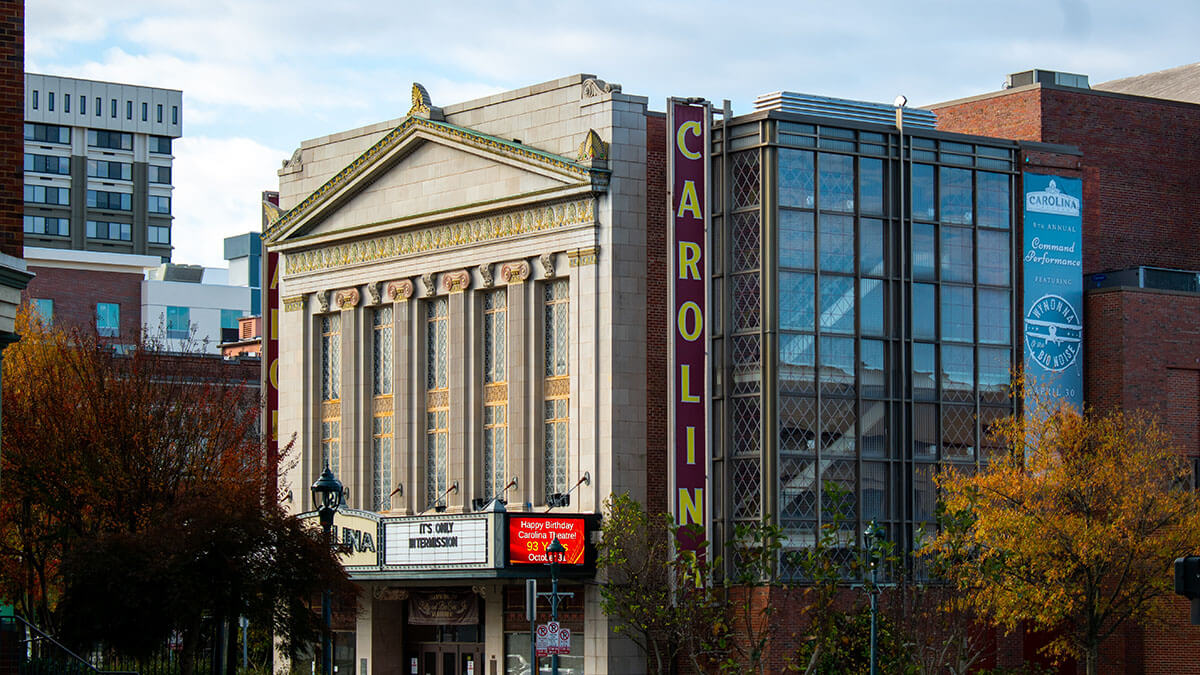
Fisher Park ranks among Greensboro’s three most walkable neighborhoods. It sits within walking distance of the Tanger Performing Arts Center, the Carolina Theatre, the Greensboro History Museum, LeBauer Park, and the city’s core restaurant and bar district. For buyers who want urban amenities without high-density condo living, fisher park greensboro offers the best combination of neighborhood character and city access in the entire metro. No other Greensboro area puts this concentration of cultural institutions within a 10-minute walk of a residential street.
Median home prices and who buys here
Fisher Park home prices range from approximately $320,000 to $500,000+, above the city’s $289,000 median but well below Old Irving Park at the high end. The buyer profile skews toward young professionals, dual-income couples, and buyers relocating from larger cities who want historic character at a competitive price. Homes here sell quickly when priced correctly, as supply is constrained by the neighborhood’s geographic boundaries and historic lot density.
Irving Park: Upscale Greensboro Living
Irving Park greensboro is widely considered the nicest neighborhood in the city, combining stately homes, a mature tree canopy, and access to the Greensboro Country Club in a way no other Greensboro neighborhood matches. Irving Park ratings on Niche.com place it consistently at or near the top of Greensboro’s neighborhood rankings, reflecting resident satisfaction well above the city average.
Old Irving Park vs. New Irving Park
Old Irving Park, developed primarily between the 1920s and 1950s, features larger lots, Colonial and Tudor Revival estates, and a formal character that earns its prestige designation. New Irving Park, built from the 1960s through the 1980s, offers more suburban-scale homes at a lower entry price than Old Irving Park but higher than the city median. Both carry the Irving Park name but feel meaningfully different in scale, architectural style, and price.
Greensboro Country Club and amenities
The Greensboro Country Club, founded in 1911, anchors the neighborhood geographically and socially. The 18-hole course, club facilities, and manicured surroundings are a defining amenity for Irving Park residents and a primary factor in Old Irving Park’s prestige positioning. Proximity to the Bryan Park athletic complex and direct access to I-40 add practical value for commuters heading into or out of the city.
Home values and buyer profile
Old Irving Park home values typically range from $450,000 to $900,000+, depending on lot size, renovation level, and architectural significance. New Irving Park runs $350,000 to $550,000. Both tiers sit well above the $289,000 city median. Irving Park consistently ranks first or second across all competitor neighborhood lists and across every AI engine answer set for best neighborhoods in greensboro nc.
Lindley Park: Walkable and Eclectic
Lindley Park greensboro draws buyers who want neighborhood character and walkability at a lower price than Fisher Park or Irving Park. Multiple sources describe it as “eclectic” and “bohemian,” reflecting a mix of independent businesses, Craftsman homes, and a population that includes UNCG faculty, artists, and first-time buyers.
Craftsman homes and local character
Lindley Park’s housing stock is primarily Craftsman bungalows and smaller Colonials, mostly built between the 1920s and 1950s. The neighborhood is anchored by the Greensboro Children’s Museum, local coffee shops, Latham Park, and the Lake Daniel greenway trail system. Lot sizes are compact, but the trail access adds more green space than the density suggests.
Proximity to UNCG and Battleground Ave
The neighborhood sits within easy reach of both UNCG’s campus and the Battleground Avenue retail corridor, giving residents walkable access to daily services without a car. Guilford County school ratings near Lindley Park are average to above average depending on the specific address and current attendance zone assignments. Buyers should verify the school assignment for any specific address, as guilford county schools attendance zones change periodically.
Who moves to Lindley Park
Lindley Park draws young professionals, graduate students, artists, and first-time buyers priced out of Fisher Park. Median home prices range from approximately $250,000 to $380,000, making it the most accessible of Greensboro’s historically desirable neighborhoods. For buyers comparing walkable neighborhoods greensboro offers, Lindley Park represents the best value per price-and-walkability unit below Fisher Park, with a distinct community identity that neither Downtown nor College Hill fully replicates.
Sunset Hills: Best for Greensboro Families
Sunset Hills greensboro is one of the strongest family neighborhoods in Greensboro, combining northwest location, low crime, and community cohesion in a way that earns it consistent top-five placement across both competitor rankings and AI engine answers.
Schools and family amenities
Sunset Hills feeds into above-average Guilford County Schools at the elementary and middle levels. The neighborhood has an active association that organizes community events and maintains shared spaces. Nearby parks, athletic fields, and recreational facilities give families multiple options within a short drive. Its location near the Highway 68 corridor makes commutes to both Greensboro and High Point practical from a single address.
Community feel and crime profile
Sunset Hills is consistently described as a “tight-knit community” with established streetscapes and a high proportion of long-term homeowners. Northwest greensboro, where Sunset Hills sits, carries crime victimization odds of approximately 1 in 43, based on crimegrade.org data, roughly half the risk of central Greensboro’s 1 in 23 odds. The greensboro nc crime rate disparity between northwest and central neighborhoods makes location within the city one of the most important safety variables for family buyers evaluating the best places to live greensboro has at this price tier.
Home prices in Sunset Hills
Sunset Hills homes run from approximately $280,000 to $420,000, just above the city median for well-maintained examples. The primary housing stock is 1950s through 1970s ranches and split-levels on established lots. Homes here attract buyers who want northwest safety and school access at a moderate price, with less bidding competition than Irving Park commands at the top of the market.
Downtown Greensboro: Urban Living
Downtown Greensboro offers the city’s second-highest Walk Score (78), a mix of converted lofts, new condos, and mixed-use buildings, and walking distance to the city’s major cultural institutions. It is the only Greensboro neighborhood where a genuinely car-light lifestyle is practical on a daily basis without College Hill’s student-adjacent atmosphere.
Lofts, condos, and mixed-use housing
Downtown’s housing stock is unlike any other Greensboro neighborhood. Buyers and renters find converted industrial lofts, modern condo towers, and mixed-use buildings where ground-floor retail sits below residential units. The City of Greensboro’s downtown development office documents ongoing investment in the district, including streetscape improvements and new mixed-use projects that continue adding inventory to this corridor.
Walk Score and transit access
At a Walk Score of 78, downtown greensboro ranks second in the city. Cultural anchors include the Tanger Performing Arts Center, the Greensboro Science Center, LeBauer Park, and a growing dining and entertainment scene concentrated near Elm Street. For buyers whose employers are located downtown, the commute is a short walk. For everyone else, Downtown provides the best access-to-amenity ratio in the metro without requiring car ownership.
Drawbacks: parking and noise
Downtown Greensboro’s trade-offs are real. Parking is limited and often paid. Street noise, nighttime activity, and higher density make it unsuitable for buyers who prioritize quiet. Crime risk is higher than suburban neighborhoods: central areas carry victimization odds of approximately 1 in 23 versus 1 in 43 in the northwest. Buyers who are comfortable with urban crime norms in exchange for walkability tend to find Downtown more affordable than comparable urban neighborhoods in Raleigh or Charlotte.
More Greensboro Neighborhoods Worth Knowing
Lake Jeanette
Lake Jeanette greensboro offers a resort-like atmosphere in northeast Greensboro, with lake views, wooded lots, and an active HOA that publishes regular safety communications for residents. It is one of the most frequently cited “safe and tranquil” neighborhoods across competitor rankings and AI engine answers alike. The setting suits retirees, families who prioritize quiet, and buyers who want HOA structure without Irving Park’s pricing.
College Hill
College Hill greensboro is the most walkable neighborhood in Greensboro, with a Walk Score of 81, the highest in the city. It sits adjacent to UNCG and features a mix of Victorian-era homes and 1920s Craftsman bungalows. Median prices cluster in the $220,000 to $350,000 range, making it one of the best places to live greensboro offers for buyers who rank walkability first and budget second. It is the top choice for buyers comparing greensboro nc neighborhoods at sub-$350,000 with Walk Scores above 75.
Westerwood
Westerwood greensboro is a historic district adjacent to UNCG with Craftsman-era homes, smaller lots, and one of the city’s more affordable entry price points (approximately $175,000 to $280,000). Local forums, including Reddit’s r/gso community, frequently describe it as “good and close to everything.” It suits first-time buyers and UNCG-affiliated buyers who want historic character without Fisher Park pricing.
Sedgefield
Sedgefield is a golf community adjacent to the Sedgefield Country Club, with gated sections, larger 1950s-to-1970s homes, and a quiet, established character. It suits retirees and buyers who want golf-community amenities and neighborhood cohesion at a mid-range price point in southwest Greensboro.
Adams Farm
Adams Farm is a planned community in south Greensboro with newer construction, family-oriented amenities, and a lower price-per-square-foot than Irving Park or Sunset Hills. It suits families and first-time buyers who want newer builds and HOA structure at entry-level Greensboro pricing without sacrificing community organization.
Hamilton Lakes and Starmount Forest
Hamilton Lakes and Starmount Forest are frequently cited as upscale alternatives to Old Irving Park, with lake views, wooded lots, and home values that rival Irving Park’s upper tier. Both neighborhoods appear in AI engine answers for “nicest neighborhood in Greensboro” but are absent from most competitor articles. If your budget exceeds $500,000, adding these neighborhoods to your shortlist is worthwhile, as their inventory and HOA structures differ meaningfully from the Irving Park options across town.
Safest Neighborhoods in Greensboro, NC
The safest neighborhoods greensboro nc has to offer are concentrated in the northwest, where the odds of being a crime victim are approximately 1 in 43, roughly half the risk of central Greensboro where odds run approximately 1 in 23. This geographic split is the most important safety variable for buyers choosing between greensboro nc neighborhoods.
Northwest Greensboro: the safest zone
Northwest greensboro includes Sunset Hills, New Irving Park, Lake Jeanette, and Forest Oaks, and consistently earns the lowest crime grades in the city. ZIP codes 27410 and 27455 are the most frequently cited low-crime areas by both safety databases and Greensboro residents on local forums. Northern Shores and Forest Oaks are specifically named for carrying the city’s lowest violent-crime rates.
The High Acres neighborhood carries a crime safety grade of A+, with an overall crime index 68% below the national average, making it safer than 83% of all Greensboro neighborhoods per Greensboro crime grades. Lake Jeanette’s active HOA maintains a safety communication program that contributes to its consistent top-safety ranking among the safest neighborhoods greensboro nc buyers prioritize.
Neighborhood-level crime risk grades
Crime grades in Greensboro vary block by block, not just by neighborhood name. Two addresses on opposite sides of a major road can carry meaningfully different crime grades. Crimegrade.org provides ZIP-code-level breakdowns that are more actionable than neighborhood-name generalizations. The greensboro nc crime rate disparity between northwest and central ZIP codes is wide enough that checking a specific address matters more than trusting a neighborhood label.
How Greensboro’s crime rate compares
Greensboro’s citywide crime rate runs above the national average, but that figure blends high-crime central and eastern zones with the low-crime northwest. Buyers who focus their search on ZIP codes 27410 and 27455 are working with a substantially safer risk profile than the headline city average implies. Note that Stokesdale, Summerfield, and Oak Ridge are sometimes cited as low-crime areas in a Greensboro context, but all three are unincorporated Guilford County communities outside Greensboro’s city limits, not city neighborhoods.
Most Walkable Neighborhoods in Greensboro
College Hill is the most walkable neighborhood in Greensboro, with a Walk Score of 81, followed by Downtown at 78 and the Brice Street Area at 70. These three areas are the only Greensboro neighborhoods where most daily errands can be completed on foot without a car.
Walk Score rankings by neighborhood
The table below shows Walk Scores for major Greensboro neighborhoods, sourced from Greensboro Walk Scores on walkscore.com, with College Hill’s score confirmed by apartmentguide’s walkability report. Scores above 70 indicate most errands can be done on foot; scores below 50 indicate most trips require a car.
| Neighborhood | Walk Score | Walkability Level |
|---|---|---|
| College Hill | 81 | Very Walkable |
| Downtown Greensboro | 78 | Very Walkable |
| Brice Street Area | 70 | Very Walkable |
| Fisher Park | 65, 70 (est.) | Somewhat Walkable |
| Lindley Park | 60, 65 (est.) | Somewhat Walkable |
| Westerwood | 55, 65 (est.) | Somewhat Walkable |
| Sunset Hills | 45, 55 (est.) | Car-Dependent |
| Irving Park | 40, 50 (est.) | Car-Dependent |
| Lake Jeanette | Below 30 | Car-Dependent |
| Adams Farm | Below 30 | Car-Dependent |
Based on walkscore.com data and apartmentguide.com neighborhood analysis, 2026. Estimated ranges for neighborhoods without published scores. Verify current Walk Scores at walkscore.com before transacting.
Best for car-free or car-light living
College Hill, Downtown Greensboro, and Fisher Park are the only Greensboro neighborhoods where a car-free or car-light lifestyle is genuinely practical day to day. College Hill’s Walk Score of 81 reflects its dense street grid, proximity to UNCG, and concentration of restaurants, shops, and services within a short walk. Downtown Greensboro at 78 adds employer proximity and a cultural district within walking distance. Lindley Park and Westerwood are workable for car-light living if your daily needs fall along the Battleground Avenue corridor.
Buyers prioritizing walkable neighborhoods greensboro offers should filter their search by College Hill and Downtown before expanding outward. The trade-off is that both neighborhoods carry higher crime grades than northwest Greensboro, so walkability and safety pull in opposite geographic directions in this city.
Is Greensboro or High Point Better to Live?
Greensboro and High Point both sit in the Piedmont Triad and draw regular comparisons from buyers weighing the broader greensboro vs high point choice. As of May 2026, Greensboro’s median home sale price is $289,000 versus High Point’s $279,833, with both markets averaging 46 days to sell.
Home prices: Greensboro vs. High Point
| City | Typical Home Value | Median Sale Price | Avg Days on Market | Cost of Living | Best For |
|---|---|---|---|---|---|
| Greensboro | $264,428 | $289,000 | 46 days | Moderate | Diverse neighborhoods, universities, healthcare employers |
| High Point | $249,821 | $279,833 | 46 days | 13% below U.S. avg | Lower entry price, smaller-city atmosphere |
Based on Redfin May 2026 data. Verify current figures at Guilford County property records before transacting.
Jobs, amenities, and lifestyle
Greensboro offers a broader employer base: UNCG, NC A&T, and Guilford College together employ thousands and anchor a significant academic economy. Cone Health is the city’s largest single employer in the healthcare sector. Piedmont Triad International Airport provides regional air access that High Point lacks. Cultural amenities, including performing arts, a science center, museums, and a growing downtown dining scene, are concentrated in Greensboro.
High Point is smaller in scale and internationally known as the furniture market capital. Its cost-of-living advantage of 13% below the U.S. average translates to lower property taxes, lower housing costs, and lower daily expenses. For buyers who work remotely or in High Point’s furniture and manufacturing sector, the lower price point delivers better net value.
For buyers comparing Triad cities more broadly, living in Raleigh gives context on how Greensboro stacks up against the Triangle’s largest city, where comparable neighborhood types typically run $100,000 to $200,000 higher. Buyers considering selling fast in Winston-Salem before relocating to Greensboro will find all three Triad cities offer similar cost-of-living advantages over the Triangle metros.
Which city fits your situation
High Point fits buyers who prioritize the lowest possible entry price, a smaller-city feel, and proximity to the furniture market. Greensboro fits buyers who want neighborhood variety, university-city energy, more employer options, and access to urban cultural amenities. The $9,167 median price difference as of May 2026 is real but modest. Commute route and employer destination usually settle the greensboro vs high point decision faster than the price gap alone.
How to Choose Your Greensboro Neighborhood
Choosing where to live in greensboro nc comes down to four variables that differ significantly across the city: commute route, Walk Score, school assignment, and crime grade. Buyers who map these four inputs against a specific address shortlist narrow the field quickly.
Where to Live in Greensboro, NC
Greensboro divides into four natural quadrants for buyers working through where to live in greensboro nc. Northwest (safest, most family-oriented, car-dependent) includes Sunset Hills, Lake Jeanette, and Forest Oaks. Central and near-downtown (most walkable, higher crime, younger buyer profile) includes College Hill, Fisher Park, and Downtown. North and northeast (upscale, highest values, low crime) includes Irving Park, Hamilton Lakes, and Starmount Forest. South and southwest (most affordable, newer construction, mixed crime grades) includes Adams Farm and Westerwood.
Buyers deciding where to live in greensboro nc should map their daily commute first, then filter by Walk Score, school assignment, and crime grade for the specific addresses they’re considering.
Buyer-persona table: who belongs where
| Buyer Type | Best Neighborhoods | Why |
|---|---|---|
| Families with school-age children | Sunset Hills, New Irving Park, Northwest GSO | Safety grade A/B, Guilford County Schools ratings, larger lots |
| Young professionals | Fisher Park, College Hill, Downtown | Walk Score 70 to 81, proximity to employers and restaurants |
| Retirees | Lake Jeanette, Sedgefield, Starmount Forest | Tranquil setting, HOA structure, lower density |
| Luxury / prestige buyers | Old Irving Park, Hamilton Lakes | Highest home values, Greensboro Country Club access |
| First-time buyers | Westerwood, Adams Farm, Lindley Park | Lower entry prices, community character, HOA options |
Original iBuyer.com analysis cross-referencing Walk Score data (walkscore.com), crime grade data (crimegrade.org), and school tier data (greatschools.org).
Questions to ask before you commit
Work through this checklist before committing to any Greensboro address:
- What is my daily commute route, and which neighborhood quadrant minimizes drive time?
- Does my lifestyle require a Walk Score above 60, or am I primarily car-dependent?
- What specific school is assigned to this address under guilford county schools attendance zones? (Verify at guilfordcountync.gov, as zones are redrawn periodically.)
- What is the crime grade for this specific ZIP code at crimegrade.org?
- Is there an HOA, and what are the fees and restrictions?
- What are the property taxes on this address under Guilford County’s current rate?
Understanding NC home sale taxes matters if your current home has appreciated significantly and you’re selling to fund the Greensboro purchase. Sellers weighing their options can compare NC MLS listing guide fees against a direct cash offer to see which net proceed fits their timeline better. Once you’ve identified your target Greensboro neighborhood, if you need to sell first, NC cash home buyers let you request competing offers, choose a close date, and move on your own schedule without a contingent sale slowing you down.
If you’ve narrowed down your Greensboro neighborhood and need to sell your current home first, a contingent offer puts your timeline in someone else’s hands. iBuyer.com lets you request competing cash offers from multiple vetted buyers so you can compare net proceeds and pick a close date that lines up with your Greensboro move. No agent commissions, no repair negotiations, and no 46-day wait to see if a financed buyer stays in the deal. Get your offers and choose the one that fits your schedule.
Ready to move to Greensboro? Compare cash offers from vetted buyers and pick your close date.
No agent fees, no repairs, no obligation to accept.
Frequently Asked Questions
Irving Park is widely considered the nicest neighborhood in Greensboro, known for stately historic homes and access to the Greensboro Country Club. Fisher Park is the second most commonly cited, praised for its early-20th-century architecture, tree-lined streets, and proximity to downtown cultural venues. For buyers prioritizing prestige, Old Irving Park (1920s-1950s estates) ranks above New Irving Park (1960s-70s suburban scale). Both carry significantly higher median home prices than the city’s $289,000 median.
The safest neighborhoods greensboro nc has are concentrated in the northwest, where crime victimization odds are approximately 1 in 43, compared to 1 in 23 in central neighborhoods. Specific neighborhoods frequently cited for safety include Lake Jeanette, Forest Oaks, Northern Shores, and New Irving Park. High Acres carries a crime safety grade of A+ and sits 68% below the national crime average, making it safer than 83% of Greensboro neighborhoods per crimegrade.org. ZIP codes 27410 and 27455 are the most consistently low-crime in the city.
College Hill is the most walkable neighborhood in Greensboro, with a Walk Score of 81, followed by Downtown at 78 and the Brice Street Area at 70. Fisher Park and Lindley Park also rank among the more walkable areas, with pedestrian access to restaurants, cafes, and parks without a car. Most other Greensboro neighborhoods, including Lake Jeanette, Adams Farm, and Sedgefield, are car-dependent.
Greensboro and High Point are both competitive choices: as of May 2026, Greensboro’s median home sale price is $289,000 versus High Point’s $279,833, with both markets averaging 46 days to sell. High Point is 13% below the U.S. cost-of-living average and suits buyers who prioritize lower home prices and a smaller-city feel. Greensboro offers a broader employer base, more universities, and a wider range of neighborhood types. The choice typically comes down to commute route and lifestyle rather than price alone.
Greensboro’s median home sale price is $289,000 as of May 2026, up 3.1% year over year, with a typical home value of approximately $264,000. Prices vary significantly by neighborhood: Irving Park and Hamilton Lakes carry the highest medians, while Westerwood, College Hill, and Adams Farm offer more affordable entry points. The city spans more than 130 square miles, so the gap between the highest- and lowest-priced neighborhoods is substantial.
Irving Park is among the most expensive neighborhoods in Greensboro, with Old Irving Park home values in the $450,000 to $900,000+ range, though Hamilton Lakes and Starmount Forest are comparable at the high end. Old Irving Park commands a premium over New Irving Park due to lot size, architectural significance, and proximity to the Greensboro Country Club. Buyers at this price tier should pull current Guilford County property records for exact comparables, as inventory is limited and prices shift with individual sales.
Sunset Hills, New Irving Park, and Northwest Greensboro are the strongest family neighborhoods, combining low crime rates, access to highly rated Guilford County Schools, and larger lot sizes. Adams Farm in south Greensboro offers newer construction at lower price points for families on a tighter budget. School quality varies by address even within the same neighborhood, so verify the specific school assignment at guilfordcountync.gov before committing.
Fisher Park, College Hill, and Downtown Greensboro are the top choices for young professionals, offering Walk Scores of 78 to 81 and walkable access to restaurants, employers, and cultural venues. Lindley Park offers similar walkability at a lower price point, with a local-business corridor along Battleground Avenue. Westerwood, adjacent to UNCG, is a lower-cost option with a strong community identity and short commute to the university district.
Greensboro ranks as one of North Carolina’s more affordable mid-size cities in 2026, with a median home price of $289,000 and a broad mix of neighborhood types from walkable historic districts to quiet suburban communities. The city is home to three major universities, a growing healthcare sector, and Piedmont Triad International Airport. Crime rates vary significantly by neighborhood and ZIP code, with northwest Greensboro substantially safer than central and eastern areas.
Greensboro’s overall crime rate is higher than the national average, but northwest neighborhoods carry crime victimization odds of roughly 1 in 43, about half the risk of central areas where odds run 1 in 23. ZIP code 27410 (northwest) and 27455 (north) consistently earn the lowest crime grades on crimegrade.org. Downtown and eastern neighborhoods carry higher risk, making neighborhood selection the single most important safety variable for Greensboro buyers.
All Greensboro neighborhoods fall under Guilford County Schools, but individual school assignments and ratings vary by address even within the same neighborhood. New Irving Park, Northwest Greensboro, and Sunset Hills are most frequently cited as feeding into higher-rated Guilford County elementary and middle schools. Verify the exact school assignment for any address at guilfordcountync.gov before purchase, as attendance zones are redrawn periodically.
Downtown Greensboro has a higher crime risk than suburban neighborhoods, with victimization odds roughly 1 in 23, compared to 1 in 43 in northwest Greensboro. Crime is not uniformly distributed: blocks near LeBauer Park and the performing arts district tend to feel safer than peripheral zones. The trade-off is a Walk Score of 78 and proximity to employers and cultural venues at prices below comparable urban neighborhoods in Raleigh or Charlotte.
Greensboro’s median home price of $289,000 (May 2026) is substantially lower than Raleigh and Charlotte, where comparable neighborhood types typically run $100,000 to $200,000 higher. The trade-off is job market scale: Raleigh’s Research Triangle and Charlotte’s finance sector offer deeper employer pools. For remote workers or Triad-industry buyers, Greensboro’s neighborhood quality-to-price ratio is significantly better.
The four most important variables when choosing a Greensboro neighborhood are commute route, Walk Score, school assignment, and neighborhood crime grade, all of which vary significantly across the city. Start by mapping your daily commute to determine which quadrant works, then layer in Walk Score from walkscore.com, school assignment from guilfordcountync.gov, and crime grade from crimegrade.org. Budget buyers should compare Westerwood and Adams Farm against College Hill before ruling anything out, as price gaps between neighborhoods are wide enough to affect long-term equity.

Reilly Dzurick is a licensed real estate agent with over six years of experience and a member of the iBuyer.com Market Insights Team, covering national trends in home selling and the evolving iBuyer landscape. Her firsthand experience working with buyers and sellers gives her a practical perspective on how these platforms impact real homeowners. She holds a degree in Public Relations, Advertising, and Applied Communication.