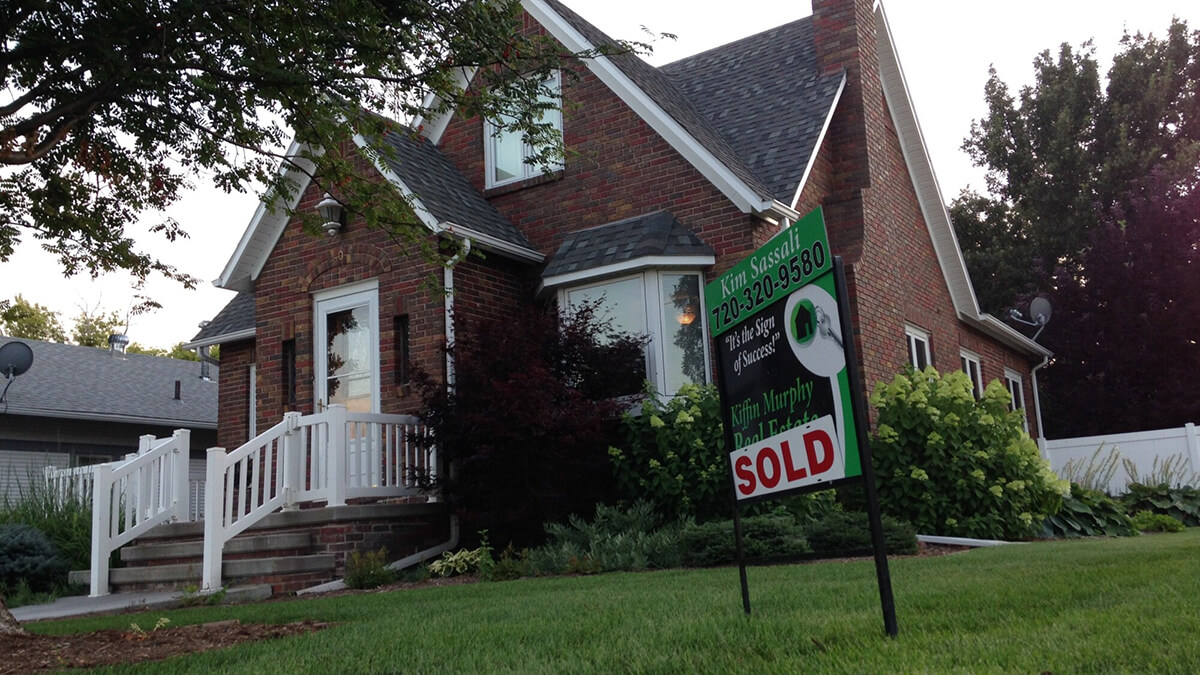
Pre-foreclosure is the period after a homeowner falls 90 or more days behind on mortgage payments and the lender issues a Notice of Default, but before the property is formally seized through foreclosure. During this stage, the homeowner still holds legal title and can act to stop the process.
The two most important facts to understand up front: you still own the home, and you still have options. Federal rules give you a mandatory waiting period before a lender can move to formal foreclosure, and several exit paths exist that can protect both your finances and your credit.
This guide covers what pre-foreclosure means, how the pre-foreclosure process works step by step, how long it lasts by state, the difference between foreclosure vs pre-foreclosure, your options to get out, how your credit is affected, and what buyers need to know about purchasing preforeclosure homes.
Pre-Foreclosure
- What Is Pre-Foreclosure?
- How Does Pre-Foreclosure Work?
- How Long Does Pre-Foreclosure Last?
- Pre-Foreclosure vs. Foreclosure: Key Differences
- What Happens When Your Home Enters Pre-Foreclosure?
- Your Options to Get Out of Pre-Foreclosure
- How Pre-Foreclosure Affects Your Credit
- Are Pre-Foreclosures Good to Buy?
- How to Buy a Pre-Foreclosure Home
- Conclusion
- Frequently Asked Questions
Facing Pre-Foreclosure? Get Cash Offers Close in 7-30 days, skip repairs, avoid foreclosure on your record
No repairs, no agent fees, no obligations.
What Is Pre-Foreclosure?
Pre-foreclosure is the default-notice stage of the foreclosure timeline. It begins when a homeowner misses enough mortgage payments that the lender formally declares the loan in default, and it ends when the homeowner resolves the debt or the lender completes a foreclosure sale.
When does pre-foreclosure begin?
Pre-foreclosure begins when a borrower becomes 90 days delinquent on mortgage payments, meaning three consecutive monthly payments have been missed. At that point, the lender or mortgage servicer is permitted under federal rules to issue a Notice of Default and begin the formal pre-foreclosure process. Missing one or two payments puts the loan in delinquency, but does not yet trigger the official pre-foreclosure stage.
The Notice of Default explained
A Notice of Default (NOD) is a formal legal document the lender files after a borrower reaches the 90-day threshold, declaring the loan in default and signaling intent to foreclose. In nonjudicial states, the NOD is mailed to the borrower and recorded with the county recorder. In judicial states, it is filed as a lis pendens (Latin for “lawsuit pending”) with the court. Both versions become public record immediately, which is how investors and pre-foreclosure listing services locate distressed property opportunities. Per the judicial vs. nonjudicial foreclosure process, the filing method determines whether a judge must approve each step.
Stages of foreclosure: a quick overview
| Stage | What It Means | Homeowner Status | Typical Duration |
|---|---|---|---|
| Current | Payments on time | Full ownership, no action needed | Ongoing |
| 30-day delinquent | One missed payment | Delinquent; servicer begins contact | Days 1-30 |
| 60-day delinquent | Two missed payments | Delinquent; fees accrue | Days 31-60 |
| 90 days delinquent / NOD issued | Three missed payments; mortgage default declared | Pre-foreclosure begins; public record filed | Days 61-90 |
| Pre-foreclosure active | NOD on record; reinstatement window open | Homeowner retains title; can sell or resolve | 3 months to 2+ years |
| Foreclosure filed | Lender initiates legal action or trustee’s sale | Homeowner faces loss of property | Varies by state |
| REO / auction | Property sold at foreclosure auction | Homeowner loses title | Final stage |
Based on CFPB mortgage servicing rules and ATTOM Data foreclosure data, 2024. Verify current state timelines before acting.
According to ATTOM Data Solutions, approximately 3.9 million U.S. properties were in some stage of foreclosure in 2023, reflecting how common the pre-foreclosure process has become across the country.
How Does Pre-Foreclosure Work?
The pre-foreclosure process follows a defined sequence governed by federal mortgage servicing rules. Understanding each step tells you exactly when you need to act and what the lender is required to do before moving forward.
Judicial vs. nonjudicial foreclosure paths
The two foreclosure paths differ significantly in speed and procedure. In nonjudicial foreclosure states (California, Texas, Arizona, Nevada), the lender follows a statutory process without court involvement, which means the entire timeline from first missed payment can take as little as 3 to 6 months. In judicial foreclosure states (New York, Florida, New Jersey), every step requires court approval, and timelines commonly run 12 to 24 months. The path your state uses determines how much time you have once the Notice of Default is filed.
What the mortgage servicer does
The mortgage servicer (the company that collects your payments) is the primary point of contact during pre-foreclosure, not the original lender in most cases. Servicers are required under federal mortgage servicer rules on foreclosure timing to attempt live contact with the borrower by the 36th day of delinquency and to assign a single point of contact once the borrower is 45 or more days delinquent. The servicer must also inform borrowers in writing about all available loss mitigation options.
The federal 120-day waiting rule
A critical protection for homeowners: under the 120-day rule established by federal mortgage servicing regulations (12 CFR § 1024.41), servicers cannot refer a loan to foreclosure until the borrower has been delinquent for at least 120 days. This mandatory waiting period applies nationwide and exists specifically to give homeowners time to pursue alternatives. The clock starts from the first missed payment, not from the NOD date.
Here is the full step sequence of the pre-foreclosure process:
How Pre-Foreclosure Unfolds Step by Step
-
Missed Payment Is Reported
You miss a mortgage payment. Late fees may begin to accrue according to your loan agreement, and the servicer may report the delinquency to the credit bureaus once the payment is at least 30 days late.
-
Servicer Contact Attempts Begin
By the 36th day of delinquency, the mortgage servicer generally must make a good-faith effort to establish live contact with you. The servicer should discuss the circumstances of the missed payments and inform you about available loss mitigation options.
-
A Notice of Default May Be Issued
After several missed payments, the lender or servicer may issue or record a Notice of Default, depending on state law and the type of foreclosure process. This notice formally identifies the loan as being in default and may become part of the public record.
-
The 120-Day Foreclosure Waiting Period Applies
In most cases, the servicer cannot make the first official foreclosure filing until the mortgage is more than 120 days delinquent. This period gives you time to contact the servicer, submit a loss mitigation application, reinstate the loan, refinance, or consider selling the property.
-
The Servicer Reviews Loss Mitigation Options
If you submit a complete loss mitigation application within the required timeframe, the servicer must review the available alternatives. Depending on when the application is submitted, foreclosure activity may be restricted while the application and any applicable appeal are under review.
-
The Loan Is Referred for Foreclosure if Unresolved
If the delinquency remains unresolved after the applicable waiting period, the servicer may refer the loan to a foreclosure attorney or trustee. The next steps depend on state law and may include a foreclosure filing, additional notices, and the scheduling of a foreclosure sale.
How Long Does Pre-Foreclosure Last?
A house can stay in pre-foreclosure anywhere from 3 months to over 2 years, depending on the state’s foreclosure laws and whether the homeowner takes action during the process. The federal 120-day rule sets the floor: no foreclosure can begin before that point. State law sets the ceiling.
According to ATTOM Data Solutions’ 2024 U.S. Foreclosure Market Report, the average U.S. pre-foreclosure period runs 3 to 10 months for nonjudicial states, and considerably longer where court involvement is required.
Fastest states vs. slowest states
State-by-state foreclosure timeline differences vary dramatically based on whether the state requires judicial oversight.
| State | Foreclosure Type | Avg. Pre-Foreclosure Timeline |
|---|---|---|
| Arizona | Nonjudicial | 3 to 4 months |
| Texas | Nonjudicial | 4 to 6 months |
| Florida | Judicial | 6 to 12 months |
| New Jersey | Judicial | 12 to 18 months |
| New York | Judicial | 12 to 24 months |
Based on ATTOM Data Solutions 2024 U.S. Foreclosure Market Report. ATTOM reported an average of 922 days to complete foreclosure in New York and 151 days in Texas in 2024. Timelines vary by county and individual case.
What extends or shortens the timeline
Several factors can push the timeline in either direction. Submitting a loss mitigation application extends it, because servicers cannot proceed while a complete application is under review. Bankruptcy filings trigger an automatic stay that halts foreclosure temporarily. Backlogs in judicial state courts also extend timelines. On the other side, a homeowner who does nothing allows the process to move at the lender’s pace, which in nonjudicial states can be very fast once the 120-day floor has passed.
Pre-Foreclosure vs. Foreclosure: Key Differences
Pre-foreclosure is the default-notice stage when the homeowner still holds title. Foreclosure is the completed legal process that transfers ownership to the lender or a third-party buyer. Understanding the distinction between foreclosure vs pre-foreclosure matters because your options, your rights, and your credit exposure are fundamentally different in each stage. Per how lenders legally reclaim property in foreclosure, the legal mechanism that completes the transfer varies by state but always ends homeowner control.
| Attribute | Pre-Foreclosure | Foreclosure |
|---|---|---|
| Homeowner status | Default notice issued; still in possession | Court judgment or trustee’s sale completed |
| Who holds title | Homeowner | Lender (REO) or auction buyer |
| What triggers it | 90+ days delinquent; NOD filed | Lender files court action or schedules trustee sale |
| Public record type | Notice of Default or lis pendens | Lis pendens judgment or trustee’s deed upon sale |
| Homeowner’s options | Reinstatement, loan modification, short sale, cash sale, deed in lieu | Very limited; redemption period only (some states) |
| Buyer can negotiate directly? | Yes, with homeowner | No; auction or REO process only |
| Credit score impact | 60 to 110 point drop (delinquency entries) | 85 to 160 point drop; foreclosure entry stays 7 years |
Credit impact ranges based on Experian data. Individual results vary based on starting credit score and other factors.
What Happens When Your Home Enters Pre-Foreclosure?
When a house enters pre-foreclosure, the lender records a Notice of Default publicly, but the homeowner still owns the property and can act to stop foreclosure. Here is the sequence of consequences that follows the NOD:
- The NOD is recorded in county public records. This makes the default visible to investors, listing services, and the public immediately.
- The servicer must contact you by day 36 of delinquency. Under the rules for mortgage servicer borrower contact, your servicer must attempt live contact and inform you of available options in writing.
- The reinstatement period opens. You can pay all missed amounts plus late fees and servicer costs in a lump sum to bring the loan current and end pre-foreclosure immediately.
- Credit reporting begins for each delinquent month. Each missed payment is reported separately, which compounds the credit score damage the longer the situation continues.
- A foreclosure sale date may be set. If no resolution is reached after the 120-day mandatory period, the lender moves forward with scheduling an auction.
Your rights as the homeowner
During pre-foreclosure, you retain the right to sell the property, refinance it, negotiate a loan modification, or pay the arrears in full. You also have the right to a single point of contact at the servicer, to a written accounting of all amounts owed, and to have a complete loss mitigation application reviewed before foreclosure can proceed. These are federal protections, not discretionary servicer policies.
What happens if you do nothing
If you take no action during pre-foreclosure, the lender completes the foreclosure process and schedules a foreclosure auction. In most states, you lose all reinstatement and redemption rights once the sale is completed. The completed foreclosure appears on your credit report as a separate negative entry, stays for seven years from the date of first delinquency, and eliminates your ability to purchase another home with a conventional mortgage for a minimum of three to seven years depending on loan type.
Your Options to Get Out of Pre-Foreclosure
Knowing how your home equity affects your exit options is the first practical step. If your home’s market value exceeds what you owe, you have more paths available than a homeowner with negative equity. A HUD-approved housing counseling at no cost service can help you evaluate your situation without sales pressure before you commit to any path.
Reinstatement: catch up on payments
Reinstatement means paying all missed mortgage payments, late fees, and servicer costs in a single lump sum to bring the loan current. This ends pre-foreclosure immediately and leaves no foreclosure entry on your credit report. The reinstatement amount grows over time as more fees accrue, so acting early keeps the total lower. Most states give homeowners reinstatement rights up to five business days before the scheduled foreclosure sale date. This is the fastest resolution when you have the funds available.
Loan modification or forbearance
A loan modification allows the servicer to permanently change the loan terms, including reducing the interest rate, extending the repayment term, or deferring arrears to the end of the loan. A forbearance agreement temporarily pauses or reduces payments for a set period. According to loan modification options and how to apply, the review process takes 30 to 90 days once you submit a complete application. Submitting a complete application pauses foreclosure activity while it is under review.
Short sale: sell for less than owed
A short sale is when a homeowner sells the property for less than the outstanding mortgage balance, with the lender’s written approval to accept the shortfall. Short sales typically take 3 to 6 months because the lender must review and approve the reduced payoff. The forgiven balance may be taxable as canceled debt income unless the homeowner qualifies for the Mortgage Forgiveness Debt Relief exclusion. Review the IRS rules on canceled mortgage debt after short sale and consult a tax professional before pursuing this path. The credit impact is similar to a completed foreclosure (a recorded settlement for less than owed), but many lenders view a short sale more favorably when evaluating future mortgage applications.
Sell to a cash buyer
Selling to a cash buyer is the fastest exit path available when you are in pre-foreclosure. A cash sale can close in 7 to 30 days, the mortgage is paid off at closing, and the foreclosure process stops. You avoid agent commissions, repair costs, and an open-market listing timeline that the foreclosure clock will not accommodate. Sellers with positive equity often net more from a fast cash sale than from a short sale process that drags for months while fees accumulate. No lender approval is required for the sale itself, as long as the mortgage is paid in full from proceeds.
Deed in lieu of foreclosure
A deed in lieu of foreclosure means the homeowner voluntarily transfers the property title to the lender in exchange for release from the mortgage debt. The lender must agree to accept it, and not all will. It avoids a formal foreclosure on your record, but it still causes significant credit damage (45 to 160 points, per Experian data). It is generally considered a last resort when other options are not viable, because it produces a similar credit outcome to foreclosure without giving the homeowner any sale proceeds.
Exit path comparison
| Exit Option | Avg. Timeline to Resolution | Net Proceeds Impact | Lender Approval Required? | Credit Score Impact |
|---|---|---|---|---|
| Reinstatement | Days to weeks | No loss of equity | No | None (if before 90 days) |
| Loan modification | 30 to 90 days | No immediate proceeds impact | Yes (servicer review) | Avoids foreclosure entry |
| Short sale | 3 to 6 months | Deficiency forgiven; taxable income risk | Yes (written approval) | 85 to 160 point drop |
| Cash sale | 7 to 30 days | Full equity recovered (if positive equity) | No | Avoids foreclosure entry |
| Deed in lieu | 30 to 90 days | No proceeds | Yes (lender must accept) | 45 to 160 point drop |
Credit ranges sourced from Experian. Timelines are averages and vary by servicer, state, and individual circumstances. Consult a HUD-approved housing counselor before selecting an exit path.
How to Get Out of Pre-Foreclosure
-
Contact Your Mortgage Servicer Immediately
Call your mortgage servicer’s loss mitigation department as soon as possible. Ask for the representative or team assigned to your account and request a clear explanation of your delinquency status, available assistance options, and any approaching foreclosure deadlines.
-
Request a Loss Mitigation Application
Ask the servicer to send you a written loss mitigation application covering all available options, including forbearance, a repayment plan, and loan modification. Submit every required document promptly and keep proof of delivery, since an incomplete application may delay the review.
-
Consult a HUD-Approved Housing Counselor
Contact a HUD-approved housing counseling agency for independent assistance. A counselor can help you review your budget, understand the servicer’s proposals, prepare documents, and evaluate alternatives without pressure to purchase a financial product or service.
-
Calculate Your Home Equity
Estimate your home’s current market value and subtract the outstanding mortgage balance, other property liens, and expected selling costs. Positive equity may allow you to sell the home and pay off the loan at closing. If the total debt exceeds the property’s value, you may need the lender’s approval for a short sale.
-
Choose the Most Appropriate Exit Path
Compare reinstatement, a repayment plan, loan modification, forbearance, a traditional or cash sale, and a short sale. The best option depends on your income, equity, available funds, foreclosure timeline, and ability to maintain future mortgage payments.
-
Act Before the Foreclosure Sale
Complete your chosen solution before the scheduled foreclosure sale whenever possible. Deadlines and reinstatement rights vary by state and loan type, so confirm the exact sale date and applicable cutoff dates with your servicer, foreclosure attorney, housing counselor, or a qualified local attorney.
How Pre-Foreclosure Affects Your Credit
Pre-foreclosure itself does not appear as a single line item on your credit report, but each missed payment that leads to it does, and the cumulative damage is significant. According to how mortgage delinquency affects your credit score from Experian, delinquency damage compounds with each additional missed month.
Notice of Default vs. completed foreclosure
| Milestone | Approximate Credit Score Drop |
|---|---|
| 30-day late payment | 60 to 80 points |
| 90-day late payment (NOD threshold) | 80 to 110 points |
| Completed foreclosure | 85 to 160 points |
| Deed in lieu of foreclosure | 45 to 160 points |
| Short sale (settled for less than owed) | 85 to 160 points |
Ranges from Experian. Actual impact depends on your starting score, total accounts, and other credit factors.
The key distinction is this: if you resolve pre-foreclosure through reinstatement, a cash sale (with the loan paid in full at closing), or a loan modification, no foreclosure entry appears on your credit report. The damage is limited to the delinquency entries already recorded. If the process moves to a completed foreclosure, a separate foreclosure entry is added that compounds the existing damage.
How long negative marks stay on your report
Under the Fair Credit Reporting Act, a completed foreclosure stays on your credit report for seven years from the date of first delinquency, not from the foreclosure sale date. This means the clock starts when you first missed a payment, which slightly reduces the total penalty period. Individual late payment entries also remain for seven years. Resolving pre-foreclosure before a foreclosure is completed removes the foreclosure entry entirely, leaving only the delinquency marks, which fade in impact over time as your account history recovers.
Are Pre-Foreclosures Good to Buy?
Pre-foreclosures can be purchased at 10 to 25% below market value, but they require direct seller negotiation and carry lien-assumption risk that demands a thorough title search. For prepared buyers, preforeclosure homes offer access to discounted distressed property before it reaches a competitive auction. For unprepared buyers, hidden liens can turn a discount into a loss.
Potential upside for buyers
- Below-market pricing. Distressed sellers often accept discounts of 10 to 25% to avoid foreclosure appearing on their record.
- Inspection access. Unlike auction purchases, pre-foreclosure buyers can typically inspect the property before making an offer.
- More financing options. Conventional, FHA, and VA mortgages are available because the homeowner still holds clear title at the time of sale.
- Direct seller negotiation. You deal directly with the homeowner or their agent, not a bank’s REO department.
- Faster process than REO. Buying directly from the homeowner avoids the longer bank-approval timelines that REO purchases require.
Risks before you make an offer
- Lien inheritance. The property may carry second mortgages, IRS federal tax liens, HOA arrears, and mechanic’s liens. Any lien not cleared before closing can become your obligation.
- As-is condition. Pre-foreclosure homes are sold without repairs. Deferred maintenance is common when a homeowner has been financially stressed.
- Deal fall-through risk. If the homeowner resolves the default before closing, the sale ends. You may lose inspection and due-diligence costs.
- Emotional complexity. You are negotiating with someone facing financial hardship. Transactions can stall due to the homeowner’s indecision.
- Title complexity. Multiple liens require coordination between the title company, lienholders, and the servicer to clear before closing.
Pre-foreclosure vs. auction vs. MLS
| Attribute | Pre-Foreclosure | Foreclosure Auction | MLS Listing |
|---|---|---|---|
| Typical discount | 10 to 25% below market | 20 to 35% below market | 0 to 5% |
| Inspection access | Usually yes | Rarely | Yes |
| Lien risk | Moderate (title search required) | High (buyer assumes all liens at many auctions) | Low |
| Financing options | Conventional, FHA, VA available | Cash only at most auctions | All loan types |
| Competition level | Low to moderate | High | High |
How to Buy a Pre-Foreclosure Home
Buying preforeclosure homes follows the same basic closing sequence as a standard purchase, with two additional steps: a preliminary title search and lien clearance coordination. Understanding what contingent means when buying a pre-foreclosure before you submit an offer protects you if the homeowner’s situation changes during the contract period.
Finding pre-foreclosure listings
Notices of Default are public record in all 50 states. You can find them through:
- County recorder or clerk websites, search for recorded NODs and lis pendens filings by address or owner name.
- MLS pre-foreclosure filters, many agents have access to pre-foreclosure status filters in their MLS system.
- Paid data tools, services like PropertyRadar aggregate public default filings across counties and states.
- Driving for dollars, visually distressed properties in your target neighborhood may be in pre-foreclosure before a public NOD has been filed.
Contacting the homeowner directly
Approach by mail or through a licensed real estate agent first. Many homeowners in pre-foreclosure are working with an attorney or agent who has authority to negotiate on their behalf. Confirm who can sign a purchase contract before investing time in negotiations. Be direct but respectful: the homeowner is under financial stress, and transactions with emotionally fraught counterparties fail more often than standard sales.
Title search and lien clearance
Order a preliminary title report from a title company ($150 to $300) before making an offer. The report identifies every recorded lien against the property: primary mortgage balance, second mortgages, IRS liens, HOA arrears, and mechanic’s liens. Your purchase offer should include a title contingency requiring all liens to be paid off at closing from sale proceeds. Even with a discounted price, what home inspectors can and cannot check as-is matters for your repair budget. Get a professional inspection before finalizing your offer price.
Financing a pre-foreclosure purchase
Most conventional, FHA, and VA mortgages are available for pre-foreclosure purchases because the homeowner holds clear title. The main financing obstacle is property condition: lenders require homes to meet minimum standards, and pre-foreclosure properties are sold as-is. If the property is significantly damaged, a renovation loan (FHA 203(k)) or a cash offer may be required. Budget for title insurance (typically 0.5 to 1.0% of purchase price) regardless of the purchase price discount. The full closing sequence for a home purchase applies to pre-foreclosure buys as well, with the addition of lien payoff coordination handled by the title company.
How to Buy a Pre-Foreclosure Home
-
Find Pre-Foreclosure Properties
Search county recorder or clerk websites for Notices of Default or similar public filings, review MLS listings that identify pre-foreclosure properties where available, or use real estate platforms that compile public foreclosure records. Confirm that the property is still in pre-foreclosure before pursuing it.
-
Order a Preliminary Title Report
Request a preliminary title report from a title company to identify recorded liens, mortgages, tax liens, HOA assessments, mechanic’s liens, easements, and other title issues that could affect the purchase. Review the report before making an offer.
-
Contact the Homeowner or Their Representative
Approach the homeowner respectfully and communicate in writing whenever possible. Confirm that the person negotiating has legal authority to sell the property and sign a purchase agreement before investing additional time or money.
-
Inspect the Property
Request permission to complete a professional home inspection. Because many pre-foreclosure homes are sold as-is, the inspection helps identify repair needs, estimate renovation costs, and determine an appropriate purchase price.
-
Submit an Offer with a Title Contingency
Include a title contingency in your purchase agreement requiring the seller to provide marketable title and resolve any liens or encumbrances that must be cleared before closing. Adjust your offer based on the property’s condition and any obligations identified in the title report.
-
Close Through a Title Company
Work with a title company to coordinate lien payoffs, prepare the closing documents, and issue an owner’s title insurance policy. Do not complete the purchase until title issues have been resolved and title insurance is available.
Conclusion
Pre-foreclosure is not the end of the road. The 120-day federal waiting period, the reinstatement window, and multiple exit paths all exist specifically to give homeowners time to act. The homeowners who minimize financial and credit damage are the ones who contact their servicer early, assess their equity position honestly, and choose the fastest viable exit path before a foreclosure sale date is set on the public record.
If you are a buyer, pre-foreclosure properties offer real discount potential, but the lien risk is real. A $150 title report and a title contingency in your offer are non-negotiable steps on any pre-foreclosure transaction.
The earlier you act, the more options remain open on either side of the transaction.
If your home is in pre-foreclosure, time is the variable you can least afford to waste. A traditional listing takes 30 to 90 days to attract an offer, and lenders do not pause the foreclosure clock while you wait. iBuyer.com connects you with vetted cash buyers who compete for your home with no repairs, no agent commission, and a close date you control. Submit your address for competing cash offers and see your options in 24 to 48 hours before the process moves further.
Sell Before the Bank Forecloses Multiple cash buyers compete for your home, no listing or repairs required
Fast close, competing offers, no obligations.
Frequently Asked Questions
Pre-foreclosure is the period after a homeowner misses 90 or more days of mortgage payments and the lender issues a Notice of Default, but before the lender legally takes the property. The homeowner retains legal title during this stage and can still sell, refinance, or pay the arrears to stop the process. Pre-foreclosure ends when the homeowner resolves the default or the property moves to foreclosure auction.
A house can stay in pre-foreclosure anywhere from 3 months to over 2 years, depending on state law and whether the homeowner takes action. Federal rules require servicers to wait at least 120 days before starting foreclosure. Nonjudicial states like Arizona and Texas average 3 to 6 months; judicial states like New York can take 12 to 24 months or longer.
When a house enters pre-foreclosure, the lender records a Notice of Default publicly, but the homeowner still owns the property and can act to stop foreclosure. The servicer must attempt contact with the borrower by day 36 of delinquency under CFPB rules. The homeowner enters a reinstatement window during which paying all missed amounts and fees stops the process entirely.
Pre-foreclosure is the default-notice stage when the homeowner still holds title; foreclosure is the completed legal process where the lender takes ownership. In pre-foreclosure, the homeowner has options including selling, modifying the loan, or catching up on payments. In foreclosure, the lender files a court action or schedules a trustee’s sale, and the homeowner’s right to remain in the property ends.
Most lenders issue a Notice of Default after 3 consecutive missed mortgage payments, which equals approximately 90 days of delinquency. Federal rules require servicers to wait 120 days from the first missed payment before formally initiating foreclosure proceedings. Missing one or two payments puts a loan in delinquency but does not yet trigger the official pre-foreclosure stage.
Yes, you can sell your house during pre-foreclosure because you still hold legal title and the right to complete a sale until the foreclosure auction is held. Two sale paths exist: a traditional or short sale (which requires lender approval if your mortgage balance exceeds the sale price) and a cash sale to a cash buyer (which can close in 7 to 30 days without lender approval on the sale itself). Both paths stop the foreclosure process when the mortgage is paid off at closing.
A Notice of Default is a formal legal document a lender files after a borrower misses approximately 90 days of mortgage payments, declaring the loan in default and signaling intent to foreclose. In nonjudicial states, the NOD is mailed to the borrower and recorded with the county. In judicial states, it is filed as a lis pendens with the court. Both versions become public record, which is how pre-foreclosure listing services find properties.
Pre-foreclosure itself does not appear as a line item on your credit report, but the missed payments that trigger it do, and each late payment lowers your score. A 90-day delinquency can drop your credit score by 80 to 110 points. If the pre-foreclosure resolves without a completed foreclosure, the damage is limited to the delinquency entries; a completed foreclosure adds a separate negative entry that stays for 7 years.
Pre-foreclosures can be purchased at 10 to 25% below market value, but they require direct homeowner negotiation and carry lien-assumption risk that demands a thorough title search. Unlike auction purchases, pre-foreclosure buyers can typically inspect the property and have more financing options. The primary risks are hidden liens (IRS, HOA, second mortgages) that pass to the new owner if not cleared, and the deal falling through if the homeowner resolves the default before closing.
A short sale is when a homeowner in pre-foreclosure sells the property for less than the outstanding mortgage balance, with the lender’s written approval to accept the shortfall. Short sales typically take 3 to 6 months because the lender must review and approve the reduced payoff. The forgiven debt may be taxable as canceled debt income unless the homeowner qualifies for the Mortgage Forgiveness Debt Relief exclusion per IRS Form 982.
Yes, most conventional, FHA, and VA mortgages are available for pre-foreclosure purchases because the homeowner still holds clear title at the time of sale. The main financing hurdle is property condition: lenders require the home to meet minimum standards, and pre-foreclosure homes are sold as-is. If the property is significantly damaged, a renovation loan (FHA 203(k)) or a cash offer may be the only viable path.
A pre-foreclosure property may carry the primary mortgage, second mortgages, IRS federal tax liens, HOA arrears, and mechanic’s liens, all of which must be resolved before or at closing. A preliminary title report, typically ordered from a title company for $150 to $300, reveals all recorded liens. Undetected liens that are not cleared before closing can become the buyer’s legal obligation after the deed transfers.
Reinstatement means the homeowner pays all missed mortgage payments, late fees, and servicer costs in one lump sum to bring the loan current and immediately end the pre-foreclosure. Most states give homeowners a reinstatement right up to a set deadline before the foreclosure sale date. The reinstatement amount increases over time as more fees accrue, so acting early reduces the total cost.

Reilly Dzurick is a licensed real estate agent with over six years of experience and a member of the iBuyer.com Market Insights Team, covering national trends in home selling and the evolving iBuyer landscape. Her firsthand experience working with buyers and sellers gives her a practical perspective on how these platforms impact real homeowners. She holds a degree in Public Relations, Advertising, and Applied Communication.