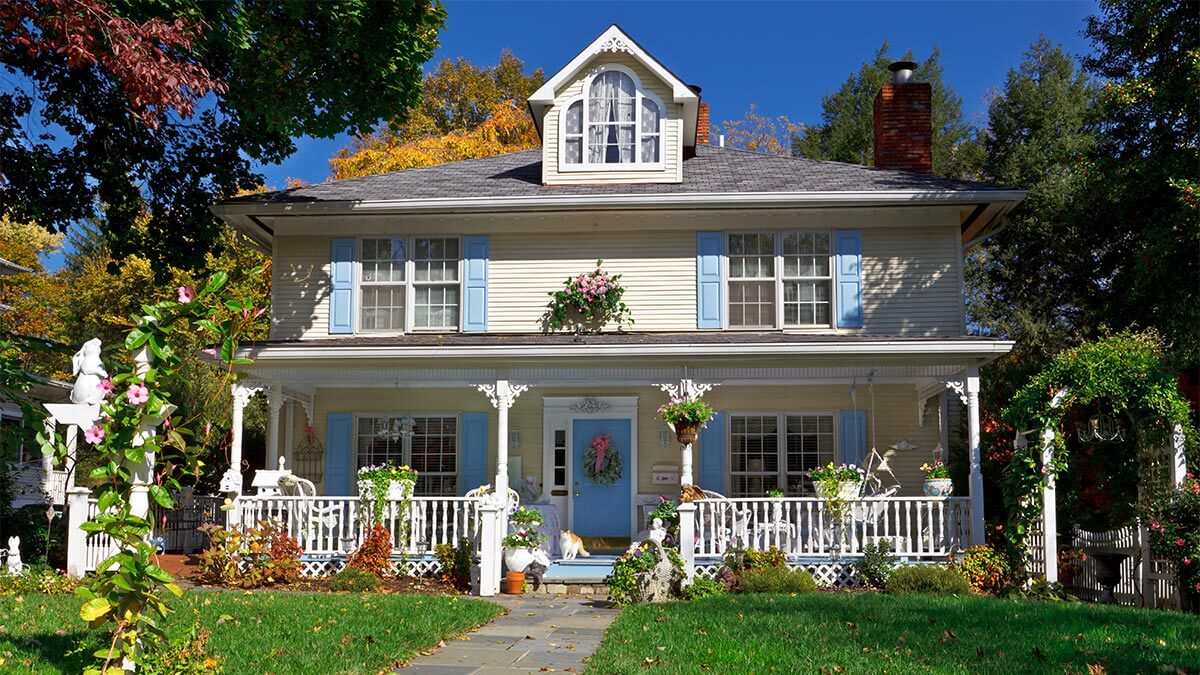
Selling your house by owner in Maryland can save you thousands in listing commissions, especially in high-demand areas like Montgomery County, Howard County, Prince George’s County, Baltimore County, Frederick, and Anne Arundel. Across the state, cash buyers make up 20 to 28 percent of home purchases, and typical days on market range from 20 to 40 days, depending on neighborhood, renovation level, and proximity to D.C. or major job centers.
FSBO tends to work well for updated properties with newer systems, clean maintenance records, and predictable inspections. Challenges arise with older Maryland homes showing roof wear, aging HVAC systems, moisture in basements, outdated electrical panels, sewer line issues, or complexities tied to rowhomes, townhomes, and HOA rules. Buyers in Maryland also pay close attention to lead-based paint history, radon results, and utility efficiency due to varied climate and local regulations.
This guide explains everything you need to know to sell by owner in Maryland confidently and effectively.
FSBO Maryland
- What FSBO Means in Maryland
- Pros & Cons of Selling By Owner in Maryland
- How To Sell a House By Owner in Maryland
- Pricing Your FSBO Home in Maryland
- Required Paperwork & Disclosures in Maryland
- Showings, Offers & Negotiations in Maryland
- Inspections & Appraisals in Maryland
- FSBO vs Realtor vs Cash Buyer in Maryland
- Common FSBO Mistakes in Maryland
- Sell My House By Owner in Maryland
- Frequently Asked Questions
Instant Valuation, Confidential Deals with a Certified iBuyer.com Specialist.
Sell Smart, Sell Fast, Get Sold. No Obligations.
What FSBO Means in Maryland
Selling FSBO in Maryland means you’re responsible for pricing, disclosures, marketing, showings, negotiations, and closing, but Maryland adds unique considerations tied to aging housing stock, diverse property types, and local inspection expectations.
Buyers commonly scrutinize basement moisture, radon results, roof age, HVAC efficiency, plumbing updates, electrical panel type, deck or porch safety, and any structural concerns in older homes. Townhomes and rowhomes raise questions about shared walls, water intrusion, HOA restrictions, and parking access.
Many buyers also request documentation tied to lead paint, especially in Baltimore City and older suburbs.
FSBO tends to work best in updated suburban areas around D.C., Baltimore, Annapolis, Frederick, and Columbia. It becomes more complex for older rowhomes, homes with basement moisture issues, properties needing lead-paint disclosures, or houses with aging mechanicals typical of mid-century Maryland neighborhoods.
In Maryland, FSBO success depends on accurate pricing, strong documentation, and preparedness for a buyer pool that reviews condition and compliance details closely.
Pros & Cons of Selling By Owner in Maryland
You save on listing commissions
Maryland listing agents typically charge around 2.5 to 3 percent on the listing side. FSBO sellers in Montgomery County, Howard County, Baltimore County, and Frederick can keep more equity by managing the sale themselves.
For a clearer breakdown of how fees are commonly structured, see this guide to real estate commission in Maryland.
FSBO works well for updated, well-maintained homes
Homes with newer roofs, modern HVAC systems, finished basements, updated electrical panels, and clean moisture histories usually attract fast interest in areas like Columbia, Rockville, Silver Spring, Germantown, Gaithersburg, and Annapolis.
Buyers are active year-round in many markets
Maryland’s job centers near D.C., NSA, NIH, Fort Meade, and Johns Hopkins create steady demand, which can benefit FSBO sellers with move-in-ready homes.
You keep full control over pricing, showings, and negotiations
Sellers who prefer hands-on involvement often appreciate the transparency and flexibility of FSBO.
Older Maryland homes bring predictable inspection challenges
Many properties in Maryland, especially mid-century colonials, Cape Cods, split-levels, and Baltimore rowhomes, show aging roofs, moisture issues, electrical panel concerns, plumbing updates, and HVAC systems nearing end-of-life.
Pricing mistakes slow down buyer activity quickly
Values shift dramatically based on school district, commute times, HOA restrictions, and update level. Small pricing errors are punishing in competitive regions.
Lead-paint compliance adds complexity in older areas
Homes built before 1978, especially in Baltimore City and older Prince George’s and Montgomery County neighborhoods, require additional disclosures and sometimes inspection certificates.
Basement moisture is a major buyer concern
Maryland’s humidity and soil conditions make many basements prone to dampness, which can become a negotiation sticking point for FSBO sellers who aren’t prepared.
Townhomes, rowhomes, and HOAs introduce more documentation
Parking rules, shared-wall issues, exterior responsibilities, and HOA bylaws often require detailed explanations that some FSBO sellers underestimate.
How To Sell a House By Owner in Maryland
Selling FSBO in Maryland follows the familiar sequence, prepare the home, price it accurately, market it broadly, screen buyers, negotiate strategically, and close with proper paperwork, but Maryland adds unique considerations tied to older basements, radon, lead paint, HVAC lifespan, and the mix of townhomes, rowhomes, and single-family houses. Being ready for these inspection themes makes FSBO much smoother.
Step 1: Decide If FSBO Is a Good Fit in Your Part of Maryland
FSBO works extremely well in updated homes across Montgomery County, Howard County, Baltimore County, Anne Arundel, Frederick, and the D.C. suburbs. Buyers in these areas are active year-round and respond quickly to well-presented properties.
FSBO becomes more difficult with older rowhomes, dated interiors, homes with basement moisture, aging roofs, original HVAC systems, or properties requiring lead-paint disclosures. Rural homes in Western Maryland may also need additional documentation for wells and septic systems.
Step 2: Prepare Your Home for Maryland Buyer Expectations
Maryland buyers look closely at roof condition, basement dryness, HVAC age, electrical panels, plumbing updates, radon results, window age, insulation quality, and exterior maintenance.
Service records, receipts for upgrades, radon test results, and documentation of waterproofing or moisture mitigation all strengthen buyer confidence.
Step 3: Price the Home Using Hyper-Local Maryland Comps
Maryland pricing varies sharply based on school district, commute time to D.C. or Baltimore, renovation level, neighborhood demand, and whether the property is a townhome, single-family, or rowhome.
Use recent comps within a narrow radius that match build era, size, update level, and property type. Overpricing even slightly slows buyer activity in competitive counties like Montgomery, Howard, and Anne Arundel.
Because location drives demand so strongly, it can help to understand which areas buyers prioritize, this list of the best places to live in Maryland highlights markets that often see stronger competition.
Step 4: Complete Maryland’s Required Disclosures and Documentation
Maryland requires a Residential Property Disclosure and Disclaimer Statement addressing roof age, HVAC condition, plumbing/electrical issues, radon, structural concerns, water intrusion, and more.
Homes built before 1978 may require lead-paint documentation. Townhomes and HOAs also require bylaws, budgets, and rulebooks. Rural buyers may ask for well or septic test results.
Step 5: Market Your FSBO Listing Where Maryland Buyers Look
A flat-fee MLS listing is essential in Maryland, since most buyers rely on agents.
Zillow FSBO, Facebook Marketplace, local community groups, and neighborhood listservs (common in D.C. suburbs) help increase visibility.
Professional photography is important in areas with strong competition and high buyer expectations.
Step 6: Handle Showings and Screen Buyers Carefully
Buyer activity in Maryland remains strong year-round, but spring is the busiest season.
Before confirming showings, verify pre-approval or proof of funds.
Townhomes and rowhomes benefit from showing flexibility, as buyers often compare multiple units in the same neighborhood.
Step 7: Review Offers and Prepare for Maryland-Style Negotiations
Negotiations in Maryland often center on HVAC lifespan, roof age, basement moisture, radon levels, plumbing or electrical updates, window age, and deck safety.
Buyers may also request credits tied to outdated systems or moisture mitigation.
In older Baltimore and P.G. County neighborhoods, lead-paint compliance can also arise.
Step 8: Navigate Maryland’s Inspection and Appraisal Challenges
Inspections commonly highlight basement humidity, radon levels, aging HVAC systems, roof wear, and older electrical panels.
Appraisal gaps appear in neighborhoods where renovated and unrenovated homes sit side by side, especially in Montgomery County and Baltimore suburbs.
Step 9: Close the Sale (Maryland Uses Title Companies and Attorneys)
Maryland closings typically involve a title company, attorney, or both.
FSBO sellers must provide complete disclosures, HOA documents if applicable, well/septic records (for rural areas), and the deed.
Accuracy prevents delays, especially in older homes with more complex repair histories. Because fees vary by county and transaction structure, it helps to review typical average closing costs in Maryland before you finalize your net proceeds.
Pricing Your FSBO Home in Maryland
Pricing a FSBO home in Maryland requires paying close attention to school districts, commute times, renovation level, property type, basement condition, and the age of major systems. These factors influence value far more here than in many other states, especially in suburban counties where buyers compare homes closely.
Maryland pricing varies significantly
Two similar homes can have different values simply based on whether they sit in a top-rated district (like Howard, Montgomery, or parts of Anne Arundel), whether they are townhomes or single-family homes, and whether they show recent updates.
Basement moisture, HVAC lifespan, and radon results can also meaningfully shift buyer interest and pricing expectations.
Buyer budgets also shape demand patterns, and this roundup of the cheapest places to live in Maryland helps explain why certain submarkets attract more price-sensitive shoppers.
Use tightly matched, recent comps, not broad county-wide averages
Maryland’s market is hyper-local. Even within the same ZIP code, pricing can shift block-by-block based on renovation quality, proximity to transit, HOA rules, and neighborhood demand.
Use comps that match your home’s age, layout, update level, and property category (townhome vs single-family vs rowhome).
Maryland buyers respond quickly when price aligns with condition and location
Updated homes with dry basements, modern HVAC systems, newer roofs, and clean radon tests typically see strong early interest, often within the first ten to fourteen days.
If showings lag, the price may not align with condition, update level, or competition within the school district.
Why pricing accuracy matters more in Maryland
School ratings, transit access, basement condition, and renovation level heavily influence buyer decisions. Overpricing causes immediate slowdowns in competitive counties, while precise pricing helps FSBO sellers maintain leverage during negotiations.
Required Paperwork & Disclosures in Maryland
Maryland FSBO sellers must provide detailed disclosures regarding the home’s condition, system age, any known defects, and relevant safety or compliance items. Because Maryland has older housing stock, frequent basement moisture concerns, and many pre-1978 homes, buyers expect comprehensive documentation early in the process. Missing or incomplete forms can delay negotiations or give buyers the right to walk away.
Core disclosures every Maryland seller must provide
- Maryland Residential Property Disclosure and Disclaimer Statement
- Roof age and repair history
- HVAC age, service history, and functionality
- Electrical panel type and update history
- Plumbing updates or known issues
- Basement moisture, humidity, or water intrusion history
- Radon test results (if completed)
- Structural issues or foundation repairs
- Window age and condition
- Lead-Based Paint Disclosure for pre-1978 homes
- HOA documents, rules, budgets, and meeting notes (if applicable)
Buyers in Maryland often request these items early, especially in older neighborhoods or areas with mixed renovation levels.
Additional documentation for townhomes and rowhomes
For attached properties, buyers may also expect:
- Party wall agreements or shared-wall information
- Exterior maintenance responsibilities
- Parking assignments or permits
- HOA or community association regulations
- Records of water intrusion or shared drainage issues
Maryland’s townhome and rowhome markets include older properties with specific maintenance patterns that buyers want to understand upfront.
Extra disclosures for rural homes and properties with wells or septic
In Western Maryland, Southern Maryland, and parts of Frederick County, sellers may need additional paperwork:
- Well water quality test results
- Septic inspection and pumping records
- Easements for shared driveways or utilities
- Boundary surveys
- Wood stove or chimney inspections (common in rural homes)
These items help rural buyers assess long-term maintenance and system reliability.
Closing documents handled by FSBO sellers
Maryland closings typically involve a title company, attorney, or both. As a FSBO seller, you will review and sign:
- Title commitment
- Closing instructions
- Payoff statements
- Settlement statement
- The deed and any county-required transfer forms
Providing accurate documents early prevents delays, especially for older homes with more extensive repair histories.
Why paperwork matters more in Maryland
Basement moisture, radon, lead paint, aging HVAC systems, and older electrical panels all influence buyer confidence. Complete, transparent documentation helps avoid inspection disputes and builds stronger trust with buyers.
Showings, Offers & Negotiations in Maryland
Once your FSBO listing goes live in Maryland, the flow of showings and the strength of your offers depend heavily on pricing accuracy, update level, basement condition, HVAC age, and school district desirability. Maryland buyers are highly detail-oriented, especially in Montgomery, Howard, and Anne Arundel counties, so preparation directly impacts results.
Showings follow Maryland’s highly consistent demand cycles
- Spring is the busiest season statewide, especially near D.C. and Baltimore.
- Summer also remains active due to relocation tied to government and tech jobs.
- Fall maintains steady demand, particularly for suburban family homes.
- Winter showings slow slightly but rarely stop, since many buyers move for job-related reasons year-round.
Because Maryland has strong employment centers, well-priced homes receive attention quickly in any season.
Screen buyers early to keep showings efficient
Before confirming appointments, it helps to:
- Request pre-approval from financed buyers
- Verify proof of funds for cash buyers
- Confirm whether the buyer is familiar with HOA rules (if applicable)
- Clarify comfort with radon mitigation, basement moisture expectations, or older mechanical systems
This filtering prevents unnecessary tours and focuses your time on serious buyers.
Expect Maryland-style offer terms and negotiation themes
Negotiations often focus on:
- HVAC age or performance
- Roof age and recent maintenance
- Basement moisture or humidity issues
- Radon mitigation requests
- Electrical panel upgrades (Federal Pacific, Zinsco, older fuse boxes)
- Plumbing updates, especially in older suburbs and rowhomes
- Window age, insulation, and energy efficiency
- Deck or porch safety repairs
- Lead-paint concerns in pre-1978 homes
These points consistently appear across Maryland due to older housing stock, mixed renovation levels, and local inspection expectations.
Why negotiations follow this pattern in Maryland
Maryland buyers weigh long-term maintenance heavily, HVAC costs, basement dryness, radon levels, electrical safety, and window efficiency can significantly impact comfort and energy bills.
FSBO sellers who prepare documentation early typically negotiate faster and experience fewer post-inspection surprises.
Inspections & Appraisals in Maryland
Inspections and appraisals in Maryland often uncover recurring issues tied to older basements, radon, aging HVAC systems, electrical panels, and mixed-condition neighborhoods. Being prepared for these patterns makes this phase far smoother for FSBO sellers.
Maryland inspections frequently uncover similar issues
Inspectors across the state often highlight:
- Basement moisture or humidity
- Aging HVAC systems, especially in mid-century homes
- Older electrical panels (Federal Pacific, Zinsco) or mixed wiring
- Roof wear, leaks, or aging shingles
- Radon levels requiring mitigation
- Plumbing corrosion or outdated piping
- Older windows with poor insulation
- Structural concerns in older townhomes or rowhomes
- Deck safety issues
- Lead-paint considerations for pre-1978 homes
These findings are common and usually reflect age and local building styles, not catastrophic defects.
When repairs or remediation aren’t realistic, this guide on selling a house as-is in Maryland breaks down how sellers typically price and disclose condition without doing upgrades.
How Maryland buyers negotiate after inspection
Negotiations often revolve around:
- Credits for HVAC replacement or repair
- Moisture mitigation or waterproofing allowances
- Radon mitigation system installation
- Electrical panel upgrades
- Roof repairs or partial replacements
- Window or insulation improvements
- Plumbing repairs or updates
- Deck stabilization or safety compliance
These requests are standard in Maryland and rarely indicate unreasonable expectations, they simply reflect local norms.
If you’re budgeting for due diligence or planning a pre-list inspection, this breakdown of home inspection costs in Maryland can help set expectations.
Appraisal challenges in Maryland
Appraisals can be difficult when:
- Neighborhoods contain a wide mix of renovation level
- Recent sales are split between townhomes, rowhomes, and single-family homes
- Comps vary by school district or commute desirability
- Homes have unpermitted additions or older mechanical systems
- Markets see rapid price changes due to D.C. employment shifts
Appraisal gaps appear most often in Montgomery County, Howard County, and Baltimore suburbs where renovated homes sell beside dated ones.
Why inspections and appraisals matter more in Maryland
Basement moisture, radon, electrical panel safety, and HVAC lifespan can significantly influence long-term costs for buyers. FSBO sellers who gather documentation early, service records, radon results, waterproofing receipts, electrical upgrades, handle this phase with fewer surprises and smoother negotiations.
FSBO vs Realtor vs Cash Buyer in Maryland
Maryland sellers typically choose between selling by owner, hiring a Realtor, or accepting a cash offer. The best option depends on your home’s age, update level, basement condition, and whether the property is a townhome, rowhome, or single-family home.
FSBO: Best for updated homes with clean inspection profiles
FSBO works extremely well in areas like Rockville, Columbia, Silver Spring, Ellicott City, Annapolis, Frederick, and many Baltimore suburbs when the home is updated and well-maintained.
Homes with newer roofs, modern HVAC, dry basements, updated electrical panels, and good windows tend to attract immediate attention without a listing agent.
Realtor: Best for older, complex, or attached properties
A Realtor adds significant value when selling homes with:
- Aging HVAC systems or older oil furnaces
- Outdated electrical panels (Federal Pacific, Zinsco)
- Basement moisture or radon concerns
- Old windows or insulation gaps
- Lead-paint complications (pre-1978)
- Rowhome or townhome shared-wall issues
- HOA complexities or strict covenants
- Limited recent comps within the same neighborhood
Professional representation is also useful in neighborhoods with mixed renovation levels or rapidly shifting values tied to commuter demand.
Cash Buyer: Best for speed or inspection-heavy homes
Cash buyers are highly active throughout Maryland, especially in Baltimore City, Prince George’s County, and neighborhoods with older homes.
A cash sale is ideal when:
- You want to skip repairs or inspection negotiations
- The home needs major updates
- Basement moisture might raise flags
- Radon mitigation is expected
- The electrical panel needs replacement
- Appraisal risk is high due to varied comps
- You want a predictable timeline
Although cash offers are lower, the certainty and speed appeal to many FSBO sellers dealing with repair-heavy homes. If you want to compare timelines and certainty, you can also look at options to sell my house fast in Maryland.
Why choosing the right option matters in Maryland
School district preferences, commute times, basement conditions, and update levels drive value here more than simple square footage. The right selling path depends on how straightforward, or complex, your home’s inspection and appraisal profile is likely to be.
Common FSBO Mistakes in Maryland
FSBO challenges in Maryland tend to follow predictable patterns tied to older basements, radon, HVAC age, electrical panel issues, and sharply varied neighborhood pricing. Sellers who anticipate these patterns avoid stalled deals and tough negotiations.
1. Skipping essential pre-listing checks
Maryland buyers expect clarity on basement moisture, HVAC condition, roof age, radon results, electrical panel type, and window performance. Missing this information makes buyers assume risk or inflate repair costs.
2. Mispricing based on broad county averages
Montgomery, Howard, Anne Arundel, Frederick, and Prince George’s counties all have micro-markets where prices shift block-to-block. Using wide-radius comps leads to immediate slowdowns.
If speed matters more than maximizing price, this overview of how to sell your house fast in Maryland explains the most common faster-sale paths sellers consider.
3. Underestimating basement and radon concerns
Basement moisture and elevated radon levels are extremely common in Maryland. Sellers who don’t anticipate mitigation discussions often face heavier inspection requests.
4. Overlooking electrical panel issues
Federal Pacific, Zinsco, and older fuse panels frequently appear in Maryland inspections. FSBO sellers without documentation or replacement estimates lose leverage quickly.
5. Weak documentation for major system updates
Buyers want receipts for HVAC service, roof repairs, radon mitigation, waterproofing, plumbing updates, and window replacements. Without proof, they assume the worst.
6. Emotional reactions to inspection results
Inspection reports in Maryland can be long, especially for older homes and rowhomes. Most findings are normal for the region, not deal-breakers.
7. Ignoring appraisal risk in neighborhoods with mixed renovation levels
Appraisal gaps are common in areas where renovated homes sit next to dated ones. FSBO sellers who overprice will likely renegotiate after appraisal.
8. Waiting too long to adjust price
If the first 10–14 days bring minimal activity, the price is mismatched with condition, school district competitiveness, or nearby inventory.
Sell My House By Owner in Maryland
Selling your house by owner in Maryland can work extremely well when the home is updated, well-maintained, and supported by clear documentation. Properties in Montgomery County, Howard County, Frederick, Anne Arundel, and the Baltimore suburbs often attract fast interest when pricing aligns with condition, school district demand, and neighborhood competition.
Maryland buyers focus heavily on roof age, basement moisture, HVAC lifespan, radon levels, electrical panel safety, and renovation quality. FSBO sellers who prepare early with receipts, radon tests, service records, and moisture mitigation documentation typically negotiate more confidently and avoid inspection surprises.
Older homes, rowhomes, and properties with aging systems can still succeed FSBO, they simply require realistic pricing and strong transparency. If the reason you’re selling is time-sensitive financial pressure, this resource on how to stop foreclosure in Maryland covers common options sellers explore before the situation escalates.
If you need fewer contingencies, a predictable closing, or don’t want to deal with repairs and inspection negotiations, comparing FSBO numbers to a no-obligation cash offer can help you choose the best path.
Selling a house by owner alternatives:
Compare Cash Offers from Top Home Buyers. Delivered by Your Local iBuyer Certified Specialist.
One Expert, Multiple Offers, No Obligation.
Know Your Local Market Before You List
Pull the last 12 months of real sales and buyer activity for your neighborhood.
Get My Market ReportFrequently Asked Questions
Yes. You can sell without an agent as long as you complete the state-mandated disclosures.
Maryland typically uses title companies, attorneys, or both. Whether you need a lawyer depends on the county and the buyer’s preference.
Well-priced homes in Montgomery, Howard, Frederick, and Anne Arundel counties commonly attract interest within 10–14 days. Older homes may take longer depending on condition.
Maryland sellers must complete the Residential Property Disclosure and Disclaimer Statement. Buyers may request radon results, waterproofing records, electrical panel details, and HVAC service history.
Most will, so offering buyer-agent commission helps attract stronger offers.
No, but buyers frequently negotiate on HVAC age, moisture mitigation, radon systems, electrical upgrades, and roof condition.
You can renegotiate price, split the gap, ask the buyer to cover the difference, or pursue a cash buyer to avoid appraisal issues.
Yes. It significantly increases exposure across Maryland’s agent-driven markets.
Absolutely. Cash buyers are active across the state, especially in Baltimore City and older suburban areas.

Reilly Dzurick is a licensed real estate agent with over six years of experience and a member of the iBuyer.com Market Insights Team, covering national trends in home selling and the evolving iBuyer landscape. Her firsthand experience working with buyers and sellers gives her a practical perspective on how these platforms impact real homeowners. She holds a degree in Public Relations, Advertising, and Applied Communication.