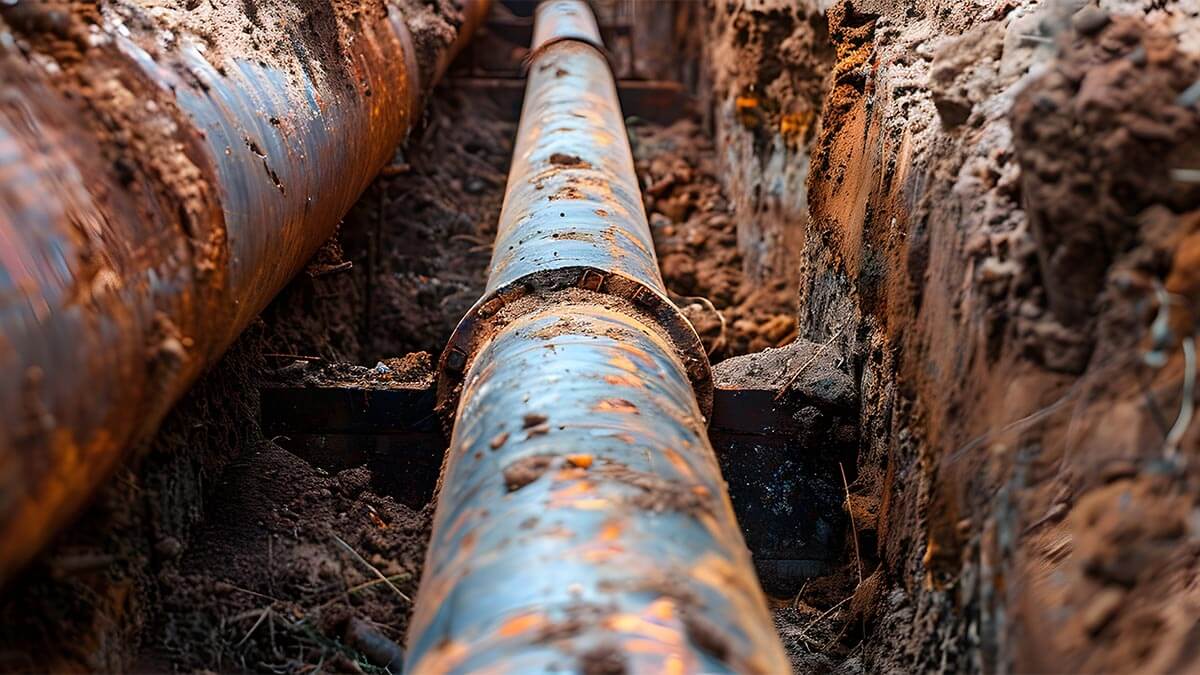
Yes, you can sell a house with galvanized pipes in most U.S. states, as long as you disclose the condition to prospective buyers. Galvanized plumbing is a legal condition to sell with, not a prohibited one, but it qualifies as a material defect under most state disclosure laws, which means disclosure is required when the pipes are causing known problems.
The practical question is not whether you can sell but which path makes the most financial sense. Sellers with galvanized pipes typically choose from four options: repipe before listing ($7,000 to $15,000), reduce the asking price to reflect buyer repair costs, offer a repair credit at closing ($5,000 to $12,000 typical), or sell as-is to a cash buyer with no lender or inspection requirements.
This guide covers what galvanized pipes are and why they cause problems, whether are galvanized pipes a deal breaker in practice, your galvanized plumbing disclosure obligations, how loans and insurance are affected, and a cost-and-timeline decision framework for selling house with galvanized pipes.
Table of contents
- What Are Galvanized Pipes?
- Why Are Galvanized Pipes a Problem?
- Are Galvanized Pipes a Deal Breaker?
- Are Sellers Required to Disclose Galvanized Pipes?
- How Galvanized Pipes Affect Loans and Insurance
- How to Sell a House with Galvanized Pipes
- Should You Repipe Before Selling?
- Skip the Repiping with a Cash Offer
- Frequently Asked Questions
Sell As-Is, Skip the Repiping Cash buyers take the house with galvanized pipes and no repair requirements.
No repairs, no contingencies, no walk-aways. No obligation.
What Are Galvanized Pipes?
Galvanized steel pipes are water supply pipes made from steel with a protective zinc coating applied to prevent rust. These zinc coating pipes were an upgrade over plain iron pipe, which corroded much faster without a protective layer, and they became the dominant residential plumbing material for most of the twentieth century.
Why Homes Built Before 1970 Have Them
Galvanized plumbing was the standard for residential water supply lines in the United States from the 1920s through the early 1970s. Copper and PEX alternatives became affordable around 1980, and new construction shifted away from galvanized pipe after that point. If your home was built between 1950 and 1975, the original supply lines are likely still galvanized, even if individual sections have been replaced over the years.
How to Identify Galvanized Pipes
Galvanized pipes have a dull gray color and threaded connections at the joints. They are magnetic, which distinguishes them from copper (not magnetic) and PVC or PEX (plastic). Look for them running to kitchens, bathrooms, and utility areas in homes built before 1980. Surface rust and a rough, pitted exterior are signs the zinc coating has degraded.
Why Are Galvanized Pipes a Problem?
Most galvanized systems installed during the 1950s through 1970s are now 50 to 75 years old, putting them at or past a typical lifespan of 40 to 70 years. That age range makes aging galvanized plumbing one of the most common home inspection red flags in pre-1970 home plumbing assessments.
Corrosion and Water Pressure Loss
The protective coating degrades from the inside out. Minerals and corrosion byproducts accumulate on interior pipe walls, narrowing the diameter and reducing flow. Low water pressure galvanized symptoms appear first at showers and faucets farthest from the main supply line. According to galvanized plumbing lifespan data from Frizzlife, internal corrosion typically begins restricting flow within 35 to 50 years, well within the age range of most pre-1970 home plumbing still on original pipe.
Pinhole leaks and joint failures commonly surface during a galvanized pipes home inspection and can create added pressure stress on connected sewer lines.
Discolored Water and Lead Risk
Water discoloration pipes signal internal iron particles releasing from corroded walls. Orange or brown water at the tap is a visible home inspection red flag and a common trigger for buyer renegotiation.
The more serious concern is lead. Corroded galvanized pipes connected to lead service lines can accumulate lead particles internally and release them into drinking water over time, per EPA lead water guidance. Lead contamination pipes represent a health concern with no known safe exposure level. The risk is highest in municipalities that used lead service lines before 1986.
Insurance and Mortgage Concerns
Homeowner insurance galvanized pipes treatment varies widely by carrier. Some refuse to write new policies on homes with galvanized systems. In at least one documented forum report from plumbingforums.com, a carrier cited galvanized pipe as explicit grounds for refusing coverage. Others charge higher premiums or exclude pipe-related water damage claims.
FHA loan plumbing requirements under HUD Handbook 4000.1 require plumbing to be functional at the time of appraisal. An inspector flagging active corrosion can trigger required repairs before loan closing, a standard that also applies to VA loans. Sellers whose corroded pipes have contributed to sewer line stress should review selling with sewer problems, since plumbing failures can compound into more complex defect disclosures.
Are Galvanized Pipes a Deal Breaker?
Galvanized pipes are not an automatic deal breaker, but they are a material defect that typically requires price adjustment or a concrete repair plan. The outcome depends on four specific conditions: active leaks or damage, lender-required repairs, insurance refusal, and a confirmed lead service line connection.
| Condition | Deal breaker? |
|---|---|
| Active leaks or visible corrosion damage | Yes |
| Lender requires repairs before funding | Yes |
| Insurance company refuses coverage | Yes |
| Confirmed lead service line connection | Yes |
| Pipes are old but pressure tests normal | No |
| Cash buyer (no lender requirements) | No |
| Insurer charges higher premium but will cover | No |
| No lead service line in the municipal supply area | No |
Based on real estate industry convention and plumbing inspection guidance, 2026. Individual lender and insurer requirements vary.
When They Are a Deal Breaker
According to This Old House guide, plumbing expert Richard Trethewey has noted that threaded brass and galvanized fittings become extremely brittle from electrolytic corrosion over time, making emergency leaks more likely in aging systems. When a galvanized pipes home inspection report documents active leaks, reduced pressure below functional thresholds, or visible joint failure, lenders routinely flag the condition for required repair before closing.
Water damage from failing galvanized pipes is one of the most common reasons a transaction stalls after inspection. Leaking supply lines frequently cause water in the crawl space that compounds the disclosure and repair picture significantly.
When They Are Not a Deal Breaker
Old age alone does not make galvanized pipes a deal breaker. If a pressure test shows normal flow, no active leaks exist, and the insurer will cover the home, many buyers accept galvanized pipes with a price concession or repair credit. Cash buyers bypass lender requirements entirely, removing the most common deal-stall mechanism.
Are galvanized pipes a deal breaker in every transaction? No. Pipe condition, buyer financing type, and local market conditions all shape the result. In a seller’s market with multiple offers, buyers absorb more risk. With FHA or VA financing in play, the same pipes can block loan approval until repaired.
Are Sellers Required to Disclose Galvanized Pipes?
When selling house with galvanized pipes in most U.S. states, galvanized plumbing disclosure is legally required when the condition is known and causing problems. Rules vary by state: some have specific plumbing disclosure provisions, while others apply general material defect law. Either way, known active symptoms require disclosure.
Per seller disclosure guide at Repipe.com, seller disclosure plumbing obligations apply to known conditions, not hypothetical future concerns. If you have not experienced leaks, low pressure, or discolored water, and no prior inspection flagged problems, your disclosure scope is narrower than a seller with a documented repair history.
What Happens If You Don’t Disclose
Failing to disclose known galvanized pipe problems exposes you to liability even years after closing. Buyers who discover undisclosed material defects can pursue legal action for repair costs and, in some states, additional damages. The sale is not void in most jurisdictions, but the financial exposure can be substantial.
Disclosure If Pipes Are Causing Problems
If you are experiencing active galvanized pipe symptoms at listing time (low pressure, rust-colored water, leaks, or recent repairs), those conditions belong on the seller’s disclosure notice. Galvanized plumbing disclosure in this context is not optional. Documenting the condition and pairing it with a price reduction or repair credit protects you legally and positions the disclosure as a negotiating tool rather than a surprise.
How Galvanized Pipes Affect Loans and Insurance
FHA and VA Loan Requirements
FHA loan plumbing requirements under HUD Handbook 4000.1 mandate that plumbing be in functional condition at the time of appraisal. An appraiser noting active corrosion, reduced pressure, or water quality concerns attributable to galvanized pipes can condition the loan on repairs before funding. VA loans carry equivalent functional requirements.
According to galvanized pipe mortgage guide from Vantage Point Idaho, lenders in markets with significant pre-1970 home plumbing inventory regularly flag galvanized systems during appraisal. Resulting repair conditions can delay or derail loan closings by two to six weeks.
Conventional Loan and Appraisal Impact
Fannie Mae and Freddie Mac impose no blanket prohibition on galvanized pipes, but appraiser condition ratings drive outcomes. A home with deferred maintenance plumbing can receive a C4 or C5 condition rating. A C5 (significant deferred maintenance) can complicate loan approval and suppress the appraised value, affecting loan-to-value calculations. Functional condition, not pipe material alone, determines the appraisal result.
Homeowner Insurance and Galvanized Pipes
Homeowner insurance galvanized pipes coverage varies significantly by carrier. Some refuse to write new policies on homes with these systems. Others insure the home but exclude pipe-related water damage or add a premium surcharge. In at least one documented forum report, a carrier cited galvanized pipe as explicit grounds for refusing coverage.
Shopping multiple insurers before listing is practical preparation. Buyer financing frequently depends on the buyer securing homeowner coverage at closing, so an uninsurable property condition can block a transaction even after both sides have agreed on price.
How to Sell a House with Galvanized Pipes
Selling house with galvanized pipes means choosing among four paths, each with different costs, timelines, and buyer requirements. Galvanized pipes are one of several condition issues that shape which option fits your situation; for a broader decision framework covering multiple defect types, see selling a house in poor condition.
| Option | What it involves | Seller cost | Timeline to close | Best for |
|---|---|---|---|---|
| Repipe before listing | Full pipe replacement (PEX or copper) | $7,000 to $15,000 | +4 to 8 weeks pre-listing | Competitive markets, financed buyers |
| Reduce asking price | Price reflects buyer’s future repair cost | Sale price impact | No delay | Buyers who prefer to manage renovations themselves |
| Offer repair credit at closing | Negotiated concession in escrow | $5,000 to $12,000 typical | Closing-dependent | Traditional financed sale |
| Sell as-is to cash buyer | No repairs, no lender requirements | $0 repair cost | 7 to 30 days | Sellers prioritizing speed and certainty |
Based on Angi cost data and real estate industry conventions, 2026. Verify current repiping rates with local contractors before transacting.
Option 1: Repipe Before Listing
Repiping removes the problem before it affects buyer financing, insurance, or negotiation. According to Angi’s repiping cost data, PEX pipe replacement runs $4,000 to $6,000 for a typical 3-bedroom home; copper pipe replacement runs $8,000 to $15,000 for the same size. The galvanized pipe replacement cost depends on pipe accessibility, the number of bathrooms, local labor rates, and whether walls need to be opened to reach the pipe runs.
Repiping expands your buyer pool to include FHA and VA buyers, removes the most common inspection renegotiation trigger, and typically resolves insurance objections. The trade-off is 4 to 8 weeks of pre-listing work and a $7,000 to $15,000 repiping cost that you recover through a stronger sale price rather than direct reimbursement.
Option 2: Reduce the Asking Price
A price reduction transfers the repair decision to the buyer. You price the home to reflect the buyer’s expected repiping cost rather than managing the project yourself. This approach works best for buyers who prefer to manage their own renovations or when the local market supports as-is pricing at a discount.
Note the risk: financed buyers may still face lender conditions if the pipes test poorly at inspection. A price reduction does not resolve lender requirements the way a completed repipe does. It is most effective for conventional buyers in markets where the appraiser’s condition rating stays manageable.
Option 3: Offer a Repair Credit at Closing
A repair credit is a negotiated concession in escrow. The sale proceeds at the agreed price, and the seller contributes a set dollar amount at closing that the buyer uses for repairs after taking ownership. Seller disclosure plumbing obligations still apply; both parties acknowledge the pipe condition and document the credit in the purchase agreement.
Credits typically benchmark to two or three competing repiping bids documented by the seller before offers come in. A range of $5,000 to $12,000 covers most PEX repiping projects. This approach avoids pre-listing work but still depends on the buyer’s lender accepting the as-is condition before funding.
Option 4: Sell As-Is to a Cash Buyer
An as-is home sale to a cash buyer bypasses lender plumbing requirements entirely. Cash buyers do not need FHA, VA, or conventional loan approval, so galvanized pipe condition does not trigger repair conditions or appraisal holds. Galvanized plumbing disclosure is still required, but the buyer prices the repair into their offer and both sides move forward without a repiping project.
Sellers whose deals have already fallen through on galvanized pipe inspection findings often find this path the most certain. A parallel challenge arises with polybutylene pipe issues, where the as-is cash path resolves a similar lender-rejection pattern.
Cash sale timelines run 7 to 30 days. The trade-off is accepting a lower gross sale price than a fully repiped property in move-in condition, offset by zero repiping cost and no extended carrying costs during a delayed listing.
Should You Repipe Before Selling?
The repiping decision comes down to galvanized pipe replacement cost as a share of expected sale price and the type of buyer you plan to attract.
When Repiping Pays Off
Repiping typically makes financial sense when the cost is less than 3% of your expected sale price. In competitive markets with median prices above $350,000, a $7,000 to $10,000 PEX repiping project often returns its cost through reduced buyer concessions and a broader buyer pool, according to Chicago repiping analysis from American Vintage Home.
The clearest cases where repiping before selling pays off:
- Your target buyers are using FHA or VA financing (lender conditions are likely if pipes test below functional thresholds).
- Your market is competitive and a clean galvanized pipes home inspection report is a meaningful selling advantage.
- You have already received offers that fell through after the inspection period.
- Your insurance carrier has signaled it will not cover the home as-is.
In competitive Chicago-area real estate markets, replacing galvanized pipes has been documented as a step that prevents deal delays, renegotiations, and insurance concerns that can reset a sale to square one.
When to Skip the Repiping
Skipping repiping makes sense in three situations. First, the galvanized pipe replacement cost represents more than 3% to 4% of your expected sale price, in which case a price reduction or repair credit nets the same result with less pre-listing effort. Second, you are targeting cash buyers who will renovate themselves, making the as-is home sale path efficient and predictable. Third, the pipes test functional at inspection (normal pressure, no active leaks), reducing the probability a lender will condition the loan on repairs.
For lower-priced homes where repiping would consume 5% or more of the sale price, the economics rarely support the pre-listing investment. Use two or three contractor bids as the basis for a price-reduction or repair-credit calculation instead.
Skip the Repiping with a Cash Offer
If you would rather avoid the repiping entirely, a cash buyer removes the obstacle. Cash buyers do not need lender approval, so galvanized pipes are not a condition that stalls or kills the deal the way they can in a traditional financed sale. At iBuyer.com, you can request offers from multiple vetted cash buyers at once, compare them side by side, and choose a close date between 7 and 30 days. No repairs are required before closing. For sellers weighing the repiping cost against a certain sale, the comparison is straightforward.
Sell As-Is, Skip the Repiping Cash buyers take the house with galvanized pipes and no repair requirements.
No repairs, no contingencies, no walk-aways. No obligation.
Frequently Asked Questions
Yes, selling a house with galvanized pipes is legal in most U.S. states, provided you disclose the condition to prospective buyers. Disclosure rules vary by state: some require explicit plumbing disclosure, while others rely on general material defect law. Failing to disclose known pipe problems exposes you to liability even years after closing. Consult a local real estate attorney if your state’s requirements are unclear.
Galvanized pipes are not an automatic deal breaker, but they are a material defect that typically requires price adjustment or a concrete repair plan. The four conditions that tip them toward deal-breaker status: active leaks, lender-required repairs, insurance refusal, and a confirmed lead service line connection. When none of those apply, many buyers accept galvanized pipes with a price concession or repair credit.
Yes, if you know your home has galvanized pipes and they are causing problems, disclosure is legally required in most states. Active symptoms (low pressure, leaks, discolored water) qualify as material defects under general seller disclosure law, even in states without specific plumbing provisions. Disclosing proactively reduces your liability risk and lets buyers price the repair into their offer.
Replacing galvanized pipes before listing typically makes sense when the repiping cost is less than 3% of your expected sale price. In competitive markets above $350,000 median price, PEX repiping ($4,000 to $6,000 for a typical 3-bedroom home) expands your buyer pool to FHA and VA buyers and removes a frequent renegotiation trigger. Below that threshold, a price reduction or repair credit often nets the same result with less pre-listing effort.
Repiping a house with galvanized pipes costs $4,000 to $15,000 depending on home size and whether you choose PEX or copper. PEX repiping runs $4,000 to $6,000 for most 3-bedroom homes; copper runs $8,000 to $15,000 for the same size. Full cost depends on pipe accessibility, local labor rates, and whether walls need to be opened. Get at least three bids before deciding whether to repipe or use the estimated cost as a price-reduction benchmark.
FHA and VA lenders require plumbing to be functional; active galvanized pipe problems flagged in an inspection can block loan approval until repaired. Conventional loans have no blanket galvanized pipe prohibition, but an appraiser assigning a deferred-maintenance condition rating can complicate approval. Cash buyers bypass all lender plumbing requirements, which is why as-is cash sales are a common path for homes with aging galvanized systems.
Some insurance carriers refuse to insure homes with galvanized pipes; others will cover the home but charge higher premiums or exclude pipe-related water damage. In at least one documented forum report, a carrier cited galvanized pipe as explicit grounds for policy refusal. Shopping multiple carriers before listing is advisable, since the insurability question affects buyer financing options as well as your own coverage.
Buying a house with galvanized pipes is not automatically a mistake, but budget $4,000 to $15,000 for repiping within the next 5 to 10 years. Key pre-purchase steps: commission a pressure test, ask the inspector to estimate remaining pipe life, check whether any pipes connect to a lead service line, and confirm your lender and insurer will approve the property as-is. Use the repiping cost estimate as a negotiation anchor.
Galvanized steel was the standard residential water supply pipe material from the 1920s through the early 1970s, making it nearly universal in homes built during that period. Galvanized pipes were an upgrade over plain iron and were widely available before copper and PEX became affordable around 1980. If your home was built between 1950 and 1975, the original supply lines are likely still galvanized, even if some sections have been replaced.
Treat galvanized plumbing as a major cost item: get a pressure test, confirm lead-line status, estimate repiping costs, and negotiate accordingly. Have an inspector assess whether internal corrosion is reducing pressure, get two or three repiping quotes, and subtract that cost from your offer. If the seller will not negotiate, decide whether the home’s other attributes justify absorbing the repiping cost yourself.
Galvanized pipes typically last 40 to 70 years, meaning most systems installed during peak use (1950s to 1970s) are at or past their expected lifespan in 2026. Actual life depends on water chemistry, water pressure, and how uniformly the original zinc coating was applied. A pipe installed in 1965 with a clean exterior can still be severely corroded internally; pressure testing and a camera inspection give a more accurate read than visual inspection alone.
Yes, galvanized pipes connected to lead service lines can accumulate lead particles internally and release them into drinking water over time. The risk is highest in municipalities that used lead service lines before 1986. The EPA recommends checking your local water utility’s lead service line map and using a certified filter rated for lead removal if your home has galvanized pipes connected to an older supply system.
PEX (cross-linked polyethylene) is the most common galvanized pipe replacement because it is flexible, faster to install, and costs 40% to 60% less than copper. Copper is the premium alternative, with a longer proven lifespan and preference in some high-end markets. Most plumbers recommend PEX for whole-home repiping projects due to its lower labor cost and resistance to freeze damage. Local code and your climate may affect which material your municipality permits.

Reilly Dzurick is a licensed real estate agent with over six years of experience and a member of the iBuyer.com Market Insights Team, covering national trends in home selling and the evolving iBuyer landscape. Her firsthand experience working with buyers and sellers gives her a practical perspective on how these platforms impact real homeowners. She holds a degree in Public Relations, Advertising, and Applied Communication.