Yes, you can legally sell a house with asbestos siding in the United States. No federal law requires removal before closing, but most states require disclosure, and whether your siding is intact or damaged determines every decision that follows.
Asbestos siding on a home’s exterior poses a low health risk when the panels are undisturbed and in good condition. The challenge for sellers is not legal standing but buyer pool: some financed buyers face lender appraisal hurdles when siding shows deterioration, which narrows your options and can invite price negotiation. Cash buyers on iBuyer.com’s marketplace close disclosed-asbestos homes without lender appraisal conditions, typically in 7 to 30 days.
This guide covers what asbestos siding is and how to identify it, whether it creates a genuine health risk, what your disclosure obligations are by state, how each loan type treats asbestos siding, what removal and encapsulation cost in 2026, and how to move through a sale from inspection to closing.
Sell Your Home As-Is, Asbestos and All Get competing cash offers without making repairs or removing siding
No repairs required, no agent fees, no obligations.
Sell a House with Asbestos
- What Is Asbestos Siding?
- Is Asbestos Siding Dangerous?
- Do You Have to Disclose Asbestos Siding?
- Can You Get a Mortgage on a House with Asbestos Siding?
- Does Asbestos Siding Need to Be Removed Before Selling?
- How Much Does Asbestos Siding Removal Cost?
- Is It Hard to Sell a House with Asbestos Siding?
- How to Sell a House with Asbestos Siding
- Sell Your Home As-Is with Asbestos Siding
- Frequently Asked Questions
What Is Asbestos Siding?
Asbestos siding is a flat, rectangular exterior panel made from Portland cement reinforced with asbestos fibers, manufactured in the United States from the 1920s through approximately 1977 to 1980. Manufacturers added asbestos fibers to cement for fire resistance, durability, and rot resistance. The result was an inexpensive, low-maintenance cladding that was common on mid-century residential construction.
When was asbestos siding used?
Asbestos siding production peaked between the 1930s and the 1960s. Federal regulatory pressure in the late 1970s led most manufacturers to phase out asbestos-containing building materials, and residential use largely ended by 1980. Homes built before that cutoff, particularly those sided or re-sided between 1930 and 1975, are the most likely candidates. A home built in 1910 that was re-sided in 1938, for example, could carry asbestos panels even though its original construction predates common asbestos use.
What does asbestos siding look like?
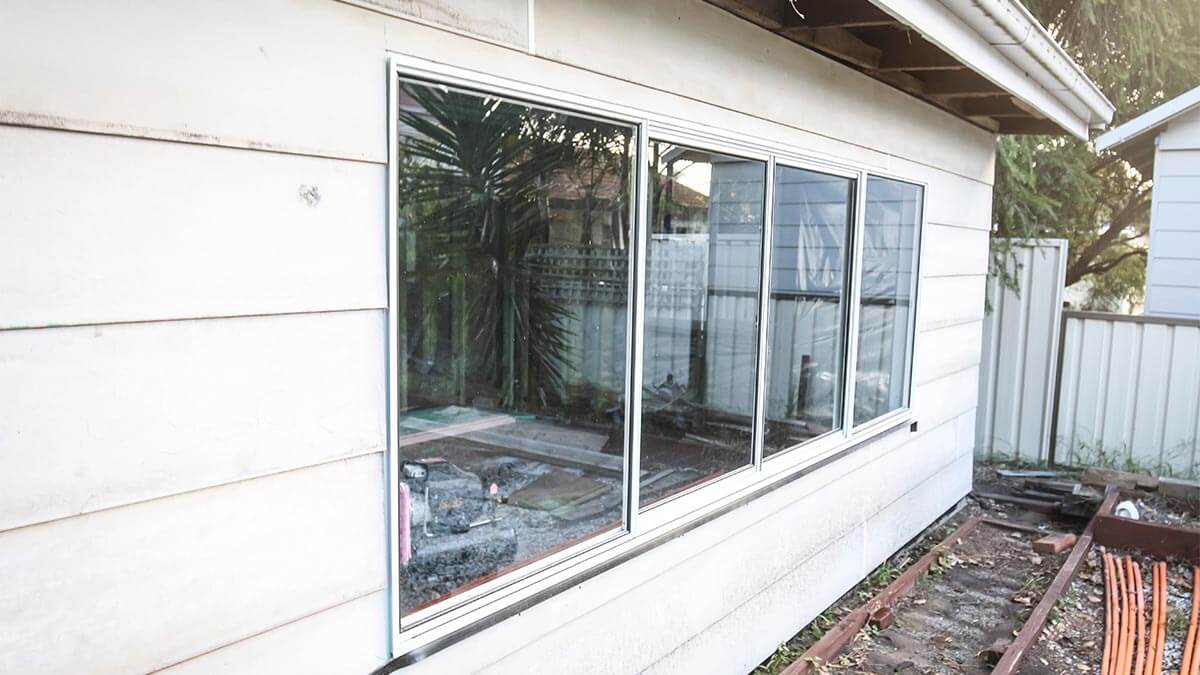
Cement asbestos siding tiles are typically 12 by 24 inches, with a uniform rectangular shape and a flat or lightly textured surface. They are often installed in overlapping horizontal courses that resemble wood shingles. Asbestos siding shingles may be painted, and their edges sometimes show a faint layered structure where corners have chipped. Visual identification is not definitive. The only way to confirm asbestos content is laboratory analysis of a material sample collected by a certified inspector.
How common is asbestos siding today?
Millions of pre-1980 homes across the United States still carry their original asbestos siding. In older housing markets in the Northeast, Midwest, and Mid-Atlantic regions, asbestos-sided homes are common enough that buyers and agents encounter them routinely. According to consumer guidance on asbestos in homes from the U.S. Consumer Product Safety Commission (CPSC), asbestos-containing materials that are in good condition and left undisturbed generally do not pose a health risk.
Is Asbestos Siding Dangerous?
Intact asbestos siding on your home’s exterior poses a low health risk because the fibers stay locked in a cement matrix. The danger begins when you drill, cut, break, or pressure-wash the panels and release microscopic fibers into the air. Understanding this intact-vs.-disturbed distinction is the starting point for every decision about health, disclosure, and sale strategy.
Intact asbestos siding: the real risk level
Intact, non-friable asbestos siding does not release fibers under normal conditions. The cement matrix holds the fibers in place, and day-to-day weathering on an undamaged panel does not cause airborne exposure. The EPA and CPSC both state that asbestos-containing material in good condition is best left alone rather than disturbed by removal.
Non-friable asbestos means the material does not crumble when you apply hand pressure. Most original cement-asbestos panels in sound condition qualify as non-friable. That classification changes if the panels chip, crack, or are subjected to impact or mechanical work.
When asbestos siding becomes a hazard
Friable asbestos crumbles under light pressure and releases fine fibers into the air. Inhaled asbestos fibers can cause serious illness over time, including diseases linked to inhaled asbestos fibers such as mesothelioma, lung cancer, and asbestosis, per the National Cancer Institute. Risk is dose-dependent, meaning that a single brief exposure during a home tour is not the same as prolonged occupational exposure, but the fiber itself is a confirmed carcinogen.
Siding that is visibly cracked, crumbling, or missing sections has moved from non-friable to a higher-risk state. At that point, professional assessment before any work is appropriate.
Activities that disturb asbestos siding
The following actions turn intact siding into a release hazard:
- Drilling or nailing through panels to attach fixtures or new cladding
- Cutting panels with a saw during renovation
- Sanding or grinding the surface
- High-pressure washing that fractures the panel face
- Impact damage from hail, fallen branches, or renovation equipment
If you plan any of these activities, treat the material as potentially hazardous and hire a certified asbestos abatement professional before starting.
Do You Have to Disclose Asbestos Siding?
No federal law specifically requires home sellers to disclose asbestos in residential real estate transactions. Your obligation comes from state law, and most states treat known asbestos as a material defect that you must report on the property disclosure statement.
The federal rule: no mandatory disclosure
The closest federal analog is the lead-paint disclosure rule under the Residential Lead-Based Paint Hazard Reduction Act, which applies to pre-1978 homes. No equivalent statute covers asbestos. The federal asbestos disclosure rules for home sales page at EPA.gov confirms this: federal law does not require sellers to test for or disclose asbestos, though it strongly advises disclosure when the presence is known.
Asbestos siding disclosure requirements are therefore a state-by-state matter.
State disclosure laws: what sellers owe
Most states include asbestos either as a named line item on the property condition disclosure form or under a catch-all material-defect clause. Four examples illustrate the range:
California requires sellers to complete the Transfer Disclosure Statement, and known asbestos-containing materials must be disclosed under the material-defect provisions. Texas requires sellers to disclose known defects in writing; asbestos siding qualifies as a material defect if the seller has knowledge of it. New York imposes broad seller disclosure requirements; asbestos is among the conditions covered by the Property Condition Disclosure Act. Massachusetts does not have a single asbestos-specific disclosure statute but requires sellers to disclose known material defects, and asbestos falls within that obligation given its health implications.
Some states have no asbestos-specific statute at all and rely entirely on the general material-defect framework. In those states, if you know asbestos siding is present, disclosure is still the right legal posture because withholding a known material fact creates liability.
Sellers in New England and the Northeast face some of the highest concentrations of older housing stock with original asbestos siding. If your property is in that region, the local deep-dives on selling a distressed home in Massachusetts and selling a distressed home in New York walk through state-specific disclosure norms that apply in those markets.
Realtors carry a higher disclosure standard than private sellers in most states. An agent who knows asbestos siding is present and stays silent can face disciplinary action and civil liability under their licensing obligations.
What happens if you don’t disclose
Failure to disclose a known material defect can expose you to post-closing lawsuits, rescission of the sale, and damages. Per legal consequences of failing to disclose a known defect at Nolo.com, buyers who discover undisclosed defects after closing have grounds for legal action in most jurisdictions. Disclosure protects you as well as the buyer; it establishes that the buyer accepted the condition with full knowledge.
Can You Get a Mortgage on a House with Asbestos Siding?
Yes, most lenders approve mortgages for homes with asbestos siding. The key condition is whether your siding is intact or shows signs of deterioration. Loan type determines how strictly that condition is evaluated.
Conventional loans and asbestos siding
Conventional lenders underwrite to Fannie Mae property condition guidelines, which focus on whether the property’s condition affects livability, safety, or marketability. Intact asbestos siding typically clears that bar without triggering a repair condition. Appraisers note the siding material but are not required to flag it as a defect when it shows no visible damage.
FHA loans: the appraiser flagging rule
FHA loan asbestos siding situations are more regulated. FHA appraisers must identify and report any visibly deteriorating or friable asbestos as part of the Minimum Property Standards (MPS) review. If the appraiser flags the siding, the lender will condition the loan on repair, asbestos encapsulation, or full abatement before closing. Intact, painted, undamaged siding is not automatically disqualifying under FHA appraisal guidelines, but the appraiser’s visual assessment controls the outcome. Per FHA appraisal standards for health and safety hazards at HUD.gov, the appraisal report must identify any observed conditions that present a health or safety risk to occupants.
VA loans and asbestos siding
VA appraisers apply Minimum Property Requirements (MPR) similar to FHA’s MPS. Visible deterioration or friability triggers a condition requiring remediation before closing. Intact, non-friable siding does not automatically block VA financing, but any sign of damage or weathering that the appraiser notes will generate a repair requirement.
| Loan Type | Intact Siding | Deteriorating or Friable Siding |
|---|---|---|
| Conventional (Fannie Mae) | Generally approved; appraiser notes material but no repair condition required | May be flagged if condition affects livability, safety, or marketability |
| FHA | Generally approved; appraiser notes material | Appraiser must flag; lender conditions loan on repair, encapsulation, or removal |
| VA | Generally approved; appraiser notes material | Appraiser must flag as MPR issue; repair required before closing |
| Cash (no lender) | No appraisal required; buyer accepts disclosed condition | No appraisal step; no repair condition attached before close |
Based on Fannie Mae Selling Guide, HUD FHA handbook, and VA Lenders Handbook guidelines. Verify current standards before transacting.
Does Asbestos Siding Need to Be Removed Before Selling?
No, asbestos siding does not need to be removed before selling in most states. Your options are to disclose and list as-is, encapsulate the siding at lower cost, or pursue full professional removal. The right path depends on the siding’s condition, your buyer type, and your timeline.
Leave it: disclosing and selling as-is
If your siding is intact undisturbed asbestos with no visible cracking or crumbling, the EPA’s general guidance is to leave it alone. Disclosing the condition and listing the home as-is avoids the cost and disruption of remediation. This path works best when the buyer pool includes investors or cash buyers who accept disclosed conditions, or when the neighborhood commonly has asbestos-sided homes and buyers are familiar with the material. An as-is home sale does not mean you hide the condition; it means the buyer agrees to accept it as disclosed rather than requesting repairs.
Sellers weighing this choice face the same cost-versus-benefit question as any exterior decision before listing. The analysis on whether exterior repair work pays off before listing applies here: calculate the likely buyer pool change versus the upfront cost before committing to remediation.
Encapsulate: painting or coating the siding
Asbestos encapsulation involves applying an approved paint or penetrating sealant that bonds the surface fibers and prevents release without removing the material. Encapsulation costs significantly less than removal, typically $2 to $6 per square foot, and is appropriate for intact siding that has minor surface weathering. OSHA standards for asbestos handling in construction specify requirements for encapsulant application, including worker protection during the coating process.
Encapsulation does not eliminate the asbestos. You must still disclose its presence to buyers, and future owners need to know the siding is encapsulated rather than removed.
Remove it: when full abatement makes sense
Full professional removal through licensed asbestos abatement contractors is the most expensive option but eliminates the issue entirely. Removal makes sense when the siding is cracked, crumbling, or otherwise friable asbestos, when a buyer’s FHA or VA lender conditions the loan on remediation, or when a planned renovation will disturb the material anyway. After removal, a licensed inspector typically performs a clearance air test before the site is re-opened. Asbestos testing post-abatement confirms that fiber levels have returned to background levels.
How Much Does Asbestos Siding Removal Cost?
Professional asbestos siding removal typically costs $5 to $20 per square foot, putting a full exterior job on a 1,500-square-foot home at roughly $7,500 to $30,000. Encapsulation runs $2 to $6 per square foot for the same area. The wide range in both figures reflects regional labor costs, site complexity, and contractor pricing. Use a local abatement quote before listing to anchor negotiations to real numbers rather than inflated buyer estimates.
| Option | Cost Per Sq Ft | Typical Total (1,500 sq ft) |
|---|---|---|
| Encapsulation (paint or coat) | $2 to $6 | $3,000 to $9,000 |
| Partial repair (damaged sections only) | $5 to $15 | Varies by extent |
| Full professional removal | $5 to $20 | $7,500 to $30,000 |
| DIY encapsulation (where legally permitted) | $0.50 to $2 (materials only) | $750 to $3,000 |
| Cash-buyer discount offset (foregone cost) | N/A | $0 upfront; buyer accepts as-is |
Based on national average asbestos abatement cost data from Angi. Verify current figures with a local contractor before listing.
Encapsulation costs vs. removal costs
Encapsulation is almost always cheaper in the near term, but it is not a permanent solution. The siding still contains asbestos, future owners need disclosure, and any renovation that disturbs the encapsulated panels will still require abatement procedures. Removal is more expensive upfront but removes the ongoing obligation from the property’s chain of title.
What affects the final price
Four factors move the cost significantly: the total exterior square footage, ease of access (single-story vs. multi-story), local disposal fees at licensed facilities, and the siding’s current condition. Heavily deteriorated panels require more worker protection and slower removal procedures, which raises labor cost per square foot. Get at least two licensed contractor bids before using any figure in your pricing or buyer negotiations.
Is It Hard to Sell a House with Asbestos Siding?
Selling a house with asbestos siding is legal and manageable. The main challenge is that some financed buyers face lender hurdles when the siding is deteriorating, which narrows your buyer pool and can invite price negotiation. Selling a house with asbestos siding typically proceeds without difficulty when the panels are intact and the market includes investors or cash buyers.
The main challenges to anticipate:
- Financed buyers using FHA or VA loans face appraisal-based repair conditions if siding shows deterioration
- Some buyers request price credits in the 10 to 25% range to offset potential removal costs, depending on condition (note: this range reflects buyer negotiation patterns, not a named-source statistic; your actual outcome depends on condition and buyer type)
- Buyers unfamiliar with asbestos siding may walk away before consulting an inspector
- Listing timelines can extend if a buyer’s lender conditions funding on remediation
How asbestos siding affects buyer pool
In neighborhoods where asbestos siding is common, experienced buyers and their agents are familiar with the material and less likely to over-react to its presence. In markets where it is rare, buyer concern tends to be higher. Intact siding that has been maintained and painted is a far easier conversation than crumbling, obviously deteriorated panels.
Negotiation and pricing strategy
Obtain one licensed abatement quote before listing. Buyers who request credits will reference a cost estimate; having your own quote prevents inflated numbers from driving the negotiation. If the quote comes in at $12,000, you can offer a $12,000 credit rather than accept a $25,000 price reduction based on a buyer’s unverified assumption.
Selling as-is to a cash buyer
Cash buyers skip the lender appraisal step entirely, removing the FHA and VA flagging risk. Investors and professional cash buyers who buy in volume are familiar with asbestos siding and price it into their offers without the uncertainty a retail buyer introduces. For sellers who want a clean exit without repairs or credits, this path removes the most common friction points. For a broader look at this approach, the guide on selling a home with major condition issues covers the full range of as-is sale options for sellers in similar positions.
How to Sell a House with Asbestos Siding
How to Sell a House With Asbestos Siding
Sell Your Home As-Is with Asbestos Siding
If your home has asbestos siding and you don’t want to pay for removal before listing, a cash buyer sidesteps the problem entirely. Cash purchases skip the lender appraisal step, so no FHA or VA appraiser can flag the siding and no repair condition attaches before closing. On iBuyer.com’s marketplace, you submit your property details once and receive competing cash offers from vetted buyers who purchase homes as-is. You compare offers, choose your close date, and skip the listing prep, agent commissions, and the negotiation risk that comes with financed buyers.
Sell Your Home As-Is, Asbestos and All Get competing cash offers without making repairs or removing siding
No repairs required, no agent fees, no obligations.
Frequently Asked Questions
Yes, you can legally sell a house with asbestos siding in the United States; disclosure is required in most states and removal is not mandatory. The key obligation is telling buyers what you know. Federal law does not require asbestos testing, but if prior inspections or renovations have confirmed asbestos siding, most states require that knowledge to be disclosed on the property condition form. Selling as-is is a widely used option.
Selling with asbestos siding is legal and doable, but some buyers request price reductions of 10 to 25% to offset potential removal costs, depending on condition and buyer type. The difficulty depends primarily on siding condition and buyer type. Financed buyers using FHA or VA loans face a higher hurdle if the siding is deteriorating. Cash buyers and investors often proceed without price adjustment on intact siding. In older neighborhoods where asbestos siding is common, the obstacle is smaller.
No federal law requires asbestos disclosure in residential sales, but most states do require it, including California, Texas, and New York. The closest federal analog is the lead-paint disclosure rule, which does not cover asbestos. State rules vary: some require a specific asbestos line on the condition disclosure form; others treat it under a general material-defect clause. If you know asbestos siding is present, disclose it regardless, as withholding known material defects creates legal liability.
Realtors must disclose known asbestos in most states because it qualifies as a material defect under agent licensing and professional conduct standards. Even in states without a specific asbestos statute, agents who know of asbestos siding and remain silent can face disciplinary action and civil liability. Their duty is generally higher than a private seller’s because they are licensed professionals. Confirm what your state’s disclosure form requires before listing.
Yes, most lenders approve mortgages for homes with intact asbestos siding; FHA and VA appraisers must flag any deteriorating or friable sections. Conventional lenders follow Fannie Mae guidelines, which focus on whether the siding affects livability, safety, or marketability. FHA and VA appraisers apply Minimum Property Requirement standards and must note visible damage or friability, which can trigger a repair condition before closing. Cash buyers have no appraisal step, so no appraiser can flag the siding and no repair condition attaches before close.
FHA loans are generally available for homes with asbestos siding when the material is intact; friable asbestos typically requires repair, encapsulation, or removal before closing. FHA appraisers are trained to identify and note deteriorating asbestos-containing materials. If the appraiser flags the siding, the lender will condition the loan on remediation before close. Intact, painted, undamaged siding is not automatically a disqualifier under FHA appraisal guidelines.
Intact asbestos siding poses minimal health risk and is generally not a dealbreaker, but get a professional inspection and budget for eventual removal. The federal CPSC advises that asbestos in good condition is best left undisturbed. The main risk comes from future renovation work that disturbs the material. Budget $5 to $20 per square foot for professional removal if you plan significant exterior work, and have the condition assessed before making an offer.
No, asbestos siding does not need to be removed before selling; you may disclose and list as-is, or choose encapsulation as a lower-cost alternative. Removal costs $7,500 to $30,000 for a typical home and is not legally required in most states before a sale closes. Encapsulation with an approved coating is less costly for intact siding. Removal becomes necessary when the siding is damaged, a buyer’s lender requires it, or planned renovation will disturb the material.
Intact, undisturbed asbestos siding is generally not dangerous because the fibers remain bound in cement and cannot become airborne under normal conditions. Asbestos cement siding is classified as non-friable, meaning it does not crumble under hand pressure. The EPA and CPSC both state that asbestos in good condition is best left alone. Danger arises when the material is cut, drilled, sanded, or broken, releasing microscopic fibers that can be inhaled.
Homes built before 1980 with small, uniform rectangular shingles (typically 12 by 24 inches) are the most likely to have asbestos siding. Visual identification is not definitive. The only way to confirm asbestos content is laboratory asbestos testing by a certified inspector. Inspections typically cost $250 to $850, and you should not attempt to collect a sample yourself without proper respiratory protection.
Friable asbestos crumbles easily and releases airborne fibers; non-friable asbestos (like cement siding) stays hard and intact unless drilled, cut, or damaged. The distinction determines health risk and regulatory treatment. Friable asbestos triggers more stringent removal requirements under OSHA and EPA rules. Most exterior cement-asbestos siding is non-friable in its original condition but can become friable over time if it weathers severely or is disturbed during repair work.
DIY asbestos siding removal is legal in some states but strongly discouraged; inhaling asbestos fibers causes mesothelioma, lung cancer, and asbestosis. Some states permit homeowner removal from a personally occupied residence, but OSHA standards apply to anyone performing the work. Required precautions include wetting the material, using N100 respirators, double-bagging waste, and disposing at a licensed facility. Most sellers are better served by a licensed abatement contractor who carries liability insurance.
Asbestos siding can reduce a sale price by 10 to 25% if buyers factor in removal costs, though intact undamaged siding has less price impact. The price effect depends on buyer type and siding condition. Investors and cash buyers who purchase as-is frequently accept intact siding without a discount. Financed buyers whose lenders flag the siding during appraisal have more leverage to negotiate credits. Having a professional abatement quote in hand before listing lets you anchor negotiation to real costs rather than inflated buyer estimates.
Professional asbestos siding removal on a standard single-family home typically takes 2 to 5 days, depending on exterior square footage and site conditions. The timeline includes setup (containment, wetting), removal, waste packaging, transport to a licensed disposal facility, and site clearance testing. Weather delays can extend the schedule, so sellers planning a listing should factor in the abatement timeline plus a post-clearance air-quality test before opening the home for showings.

Reilly Dzurick is a licensed real estate agent with over six years of experience and a member of the iBuyer.com Market Insights Team, covering national trends in home selling and the evolving iBuyer landscape. Her firsthand experience working with buyers and sellers gives her a practical perspective on how these platforms impact real homeowners. She holds a degree in Public Relations, Advertising, and Applied Communication.