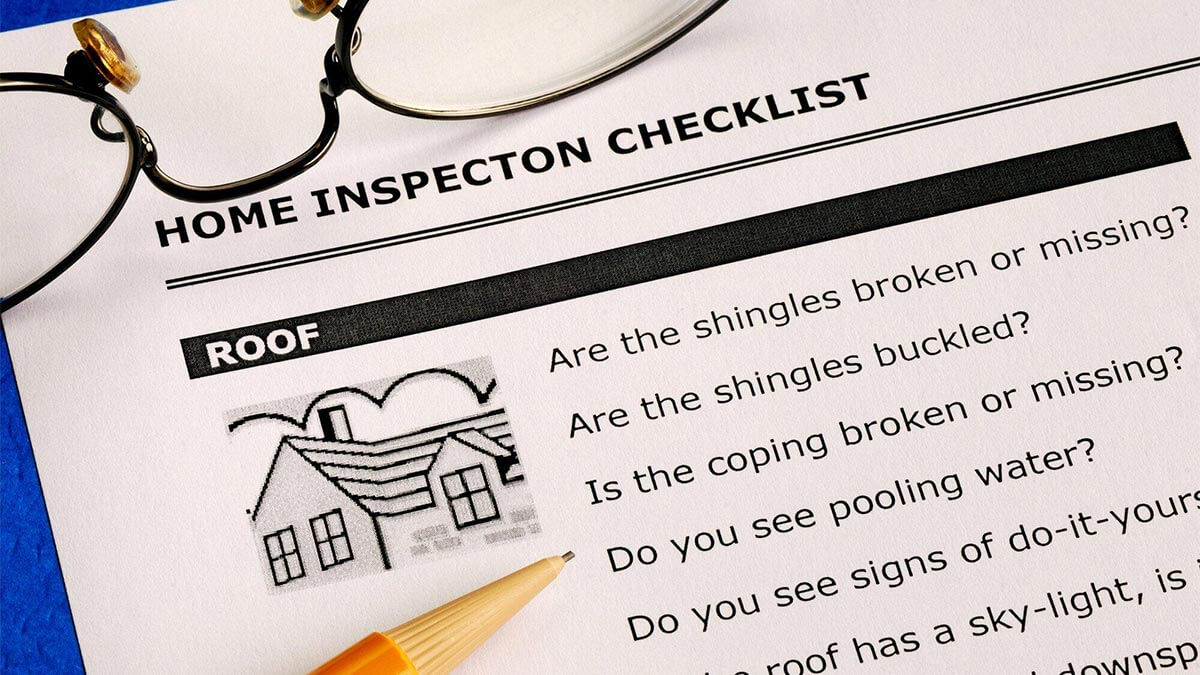
A standard home inspection in Georgia generally costs about $325 to $500 for a typical single-family home. Larger, older, crawl-space, or more complex properties can cost $600 or more, while additional services such as radon testing, mold testing, sewer scopes, or wood-destroying-organism inspections can increase the total.
There is no single statewide inspection fee in Georgia. The price depends on the size and age of the property, foundation type, location, inspection scope, and the inspector you hire.
Key Takeaways
- A typical Georgia home inspection generally costs around $325 to $500.
- Larger or more complex homes can cost $600 or more to inspect.
- Home size is one of the biggest factors affecting the final price.
- Older homes, crawl spaces, basements, and specialty testing can increase the cost.
- Termite and wood-destroying-organism inspections are particularly important considerations in Georgia.
- Buyers usually pay for the inspection, although sellers may order their own pre-listing inspection.
Instant Valuation, Confidential Deals with a Certified iBuyer.com Specialist.
Sell Smart, Sell Fast, Get Sold. No Obligations.
Home Inspection Cost
- Key Takeaways
- How Much Does a Home Inspection Cost in Georgia?
- Georgia Home Inspection Cost by House Size
- What Affects Home Inspection Cost in Georgia?
- What Does a Standard Georgia Home Inspection Include?
- Extra Inspection Costs Georgia Buyers May Face
- Why Moisture and Crawl Spaces Matter in Georgia
- Who Pays for a Home Inspection in Georgia?
- Is a Home Inspection Required in Georgia?
- How to Choose a Home Inspector in Georgia
- Is a Georgia Home Inspection Worth the Cost?
- Can You Skip a Home Inspection in Georgia?
- What Happens After a Home Inspection?
- What If the Inspection Finds Expensive Problems?
- Final Thoughts on Home Inspection Costs in Georgia
- Frequently Asked Questions
How Much Does a Home Inspection Cost in Georgia?
For most buyers, budgeting approximately $325 to $500 for a standard Georgia home inspection is reasonable. This is a practical planning range rather than an official statewide average.
Current prices published by Georgia inspection companies show how much costs can vary based on the property itself.
For example, Georgia Home Inspection Services publishes prices starting at $325 for a home up to 1,000 square feet. Its published price reaches $600 for a home between 4,501 and 5,000 square feet.
That range also fits reasonably closely with iBuyer.com’s national 2026 inspection-cost research, which currently places most Georgia home inspections between $300 and $500.
The important point is that there is no single price that applies to every Georgia home. A small newer property with easy access may cost considerably less to inspect than a large older home with a crawl space, multiple HVAC systems, additions, or detached structures.
Georgia Home Inspection Cost by House Size
Square footage is one of the clearest factors affecting inspection prices because larger homes take more time to evaluate.
Here is an example based on currently published pricing from a Middle Georgia inspection provider:
| Home Size | Example Inspection Price |
|---|---|
| Up to 1,000 sq. ft. | $325 |
| 1,001 to 1,500 sq. ft. | $350 |
| 1,501 to 2,000 sq. ft. | $375 |
| 2,001 to 2,500 sq. ft. | $400 |
| 2,501 to 3,000 sq. ft. | $425 |
| 3,001 to 3,500 sq. ft. | $450 |
| 3,501 to 4,000 sq. ft. | $500 |
| 4,001 to 4,500 sq. ft. | $550 |
| 4,501 to 5,000 sq. ft. | $600 |
These figures should be treated as an example of how one Georgia provider prices inspections, not as a statewide fee schedule.
A larger property normally has more rooms, plumbing fixtures, electrical components, roof area, and exterior surfaces to inspect. Larger houses may also have multiple HVAC systems or additional structures that require more time.
What Affects Home Inspection Cost in Georgia?
Two Georgia homes with the same sale price can have very different inspection fees. Inspectors generally consider the amount of work and time required rather than the home’s market value.
Home Size
Larger homes usually cost more to inspect. More square footage means more components and systems for the inspector to evaluate.
A 1,200-square-foot house and a 4,500-square-foot house are unlikely to carry the same inspection fee.
Age of the Home
Older homes may require more inspection time because they can contain aging electrical, plumbing, roofing, or HVAC systems. They may also have additions or previous repairs that deserve closer evaluation.
Some Georgia inspectors charge an additional fee based on age. For example, the Middle Georgia provider referenced above currently adds $50 for buildings more than 50 years old.
Crawl Spaces and Basements
Foundation type can affect both the difficulty and duration of an inspection.
Crawl spaces deserve particular attention because access may be difficult and moisture, drainage, pest, or structural conditions may not be visible from inside the house.
The same Georgia provider currently adds $50 for a crawl-space foundation and $50 for a basement foundation.
Other inspectors may include these areas in their standard fee, so ask exactly what the quote covers.
Location
Prices can vary between Atlanta, Savannah, Augusta, smaller Georgia cities, and rural areas.
Local demand and inspector availability matter, but so do travel distance and the characteristics of the local housing stock. Instead of relying on one supposed citywide average, buyers should compare current quotes for the specific property.
Property Complexity
A property with detached structures, additions, multiple HVAC systems, pools, unusual foundations, or historic construction may take longer to inspect.
Ask whether these features are included in the initial quote or charged separately.
What Does a Standard Georgia Home Inspection Include?
A standard home inspection is a visual examination of the accessible systems and components of the property.
It commonly includes the:
- Roof and attic
- Exterior
- Foundation
- Accessible crawl space or basement
- Electrical system
- Plumbing system
- Heating and cooling systems
- Insulation and ventilation
- Walls, ceilings, and floors
- Windows and doors
- Other accessible interior components
A standard inspection does not automatically include every environmental, pest, sewer, or laboratory test.
For a more detailed breakdown, see iBuyer.com’s guide to what home inspectors look for.
Extra Inspection Costs Georgia Buyers May Face
The base home inspection may not be the only inspection expense during a Georgia real estate transaction.
Certain properties or concerns may justify additional testing.
Termite and Wood-Destroying-Organism Inspections
Termites deserve particular attention in Georgia.
The University of Georgia identifies subterranean termites as serious structural pests and recommends annual termite inspections as part of prevention.
There is also an important distinction between an ordinary home inspection and Georgia’s official wood-destroying-organism documentation.
The Official Georgia Wood Infestation Inspection Report covers evidence of wood-destroying organisms and conditions conducive to infestation. The official report must be issued through a pest control company appropriately licensed for wood-destroying-organism work.
That means a general home inspector noticing signs of possible termite damage is not the same thing as receiving Georgia’s official wood infestation report.
Radon Testing
Radon testing may be offered as an additional service.
One current Georgia inspection provider lists radon testing at approximately $200 to $250.
This is a provider-specific example rather than a statewide price. Ask whether testing, equipment, and the final report are all included in the quoted amount.
Mold and Air Quality Testing
Moisture problems or suspected mold may justify additional testing.
One Georgia provider currently lists mold and air quality testing at $350 and up. The price can vary based on the number of samples, testing method, and laboratory work required.
Sewer Scope Inspection
A sewer scope uses a camera to examine the accessible main sewer line.
It may be worth considering for older properties, homes with recurring drainage problems, or properties where the condition of the sewer line is unknown.
Ask whether sewer inspection is included with the standard inspection because it is often a separate service.
Why Moisture and Crawl Spaces Matter in Georgia
Georgia’s climate makes moisture management an important part of evaluating a property.
Crawl spaces can hide conditions that are difficult to spot during an ordinary home showing. Water intrusion, poor drainage, excessive moisture, mold, damaged materials, and pest activity can develop beneath the living area.
University of Georgia Cooperative Extension guidance recommends checking crawl spaces for moisture and mold and paying attention to foundation conditions, drainage, humidity, and signs of water intrusion.
For buyers, this means the cheapest inspection quote is not necessarily the best value. Ask whether the crawl space will actually be entered when it is safely accessible and how moisture-related findings will be documented.
Sellers should also pay attention to known leaks, standing water, drainage problems, and damaged moisture barriers before the buyer’s inspection.
Who Pays for a Home Inspection in Georgia?
The buyer usually pays for the home inspection in Georgia.
This allows the buyer to select the inspector, determine the inspection scope, receive the report, and ask follow-up questions about the findings.
The inspection is normally part of the buyer’s due diligence rather than a seller-paid closing expense.
Sellers can still choose to order a pre-listing inspection before putting the property on the market. Doing so may identify problems before buyers discover them during their own inspection.
Sellers considering this option can review how to prepare for a home inspection before the appointment.
Is a Home Inspection Required in Georgia?
A standard whole-home inspection is generally a buyer due-diligence decision rather than a universal requirement for purchasing a home in Georgia. The existing iBuyer.com Georgia guide likewise identifies home inspections as not legally required in the state.
However, buyers should not confuse a standard home inspection with specialized inspections or documentation.
A lender, insurer, purchase agreement, or particular transaction may create additional requirements. Georgia’s regulated wood-destroying-organism documentation is also separate from a standard whole-home inspection.
Buyers should check their purchase agreement and lender requirements instead of assuming one inspection satisfies every condition of the transaction.
How to Choose a Home Inspector in Georgia
Price matters, but it should not be the only factor.
Before hiring an inspector, ask about:
- Experience with Georgia homes and local construction
- Experience inspecting crawl spaces
- Professional training and credentials
- Insurance
- What the standard inspection includes
- What is excluded
- Additional service fees
- Sample inspection reports
- Expected inspection time
- When the final report will be delivered
If termite or wood-destroying-organism documentation is needed, also confirm whether a separate licensed pest control company will be involved.
A standard inspection commonly takes a few hours. Read more about how long a home inspection takes and the factors that can extend the appointment.
Is a Georgia Home Inspection Worth the Cost?
For most buyers, yes.
Spending a few hundred dollars to better understand a property’s condition can be worthwhile before taking ownership of a home worth hundreds of thousands of dollars.
An inspection can reveal visible problems involving the roof, electrical system, plumbing, HVAC equipment, foundation, drainage, crawl space, or other accessible components.
In Georgia, buyers should pay particular attention to moisture, drainage, crawl-space conditions, and evidence of termite activity.
An inspection cannot guarantee that a property has no hidden defects. It gives the buyer more information about observable conditions at the time of the inspection.
The findings can also help buyers decide whether additional specialist evaluations are necessary.
Can You Skip a Home Inspection in Georgia?
A buyer can sometimes choose to waive an inspection, but doing so means accepting considerably more uncertainty about the property’s condition.
Problems involving moisture, termites, crawl spaces, roofs, electrical systems, plumbing, or foundations may not be obvious during a showing.
Once the transaction closes, newly discovered problems generally become the new owner’s responsibility unless another contractual or legal obligation applies.
Buyers considering an inspection waiver should understand exactly what rights they are giving up under their purchase agreement before making that decision.
What Happens After a Home Inspection?
After receiving the report, focus first on significant findings rather than treating every item as equally serious.
Issues involving structural conditions, active water intrusion, unsafe electrical components, major roof problems, or evidence of pest damage may justify additional evaluation.
Depending on the purchase agreement and the findings, the next step could involve:
- Requesting additional specialist inspections
- Asking for repairs
- Negotiating a credit
- Discussing the purchase price
- Accepting the property’s current condition
- Exercising available contractual rights if the problems are unacceptable
For a fuller explanation, see what to do after a home inspection.
A home inspection should also not be confused with an appraisal. An inspection evaluates observable property condition, while an appraisal develops an opinion of value. Buyers budgeting for both can review the separate home appraisal cost in Georgia. iBuyer.com’s Georgia appraisal guide was updated in March 2026.
What If the Inspection Finds Expensive Problems?
A long inspection report does not necessarily mean the property is a bad purchase. Many reports contain routine maintenance items alongside more significant concerns.
The important question is which findings affect safety, structural condition, major systems, or the buyer’s expected ownership costs.
Sellers also do not necessarily need to repair every issue before selling.
If an inspection identifies substantial work and completing those repairs does not fit your plans, compare the cost of making the repairs with other selling options.
Homeowners prioritizing speed can explore options to sell a house fast in Georgia or research cash home buyers in Georgia.
iBuyer.com is a comparison platform that helps sellers evaluate options and connect with a Certified iBuyer.com Specialist. It does not directly purchase the property.
Final Thoughts on Home Inspection Costs in Georgia
A typical Georgia home inspection generally costs about $325 to $500, but the final price depends on the property. Larger homes, older construction, crawl spaces, basements, and specialty testing can push the total higher.
Rather than choosing an inspector based on price alone, compare the scope of the inspection and make sure it fits the property. In Georgia, that means paying particular attention to crawl spaces, moisture, drainage, and termite risk.
For buyers, a few hundred dollars spent before closing can provide valuable information about the home they are considering. For sellers, understanding the property’s condition can make it easier to decide which repairs make sense and which selling strategy fits their situation.
Compare Cash Offers from Top Home Buyers. Delivered by Your Local iBuyer Certified Specialist.
One Expert, Multiple Offers, No Obligation.
Know Your Local Market Before You List
Pull the last 12 months of real sales and buyer activity for your neighborhood.
Get My Market ReportFrequently Asked Questions
A standard Georgia home inspection generally costs about $325 to $500 for a typical home. Larger, older, crawl-space, or more complex homes may cost $600 or more. The exact fee depends on the property and the inspector.
Atlanta inspection prices vary according to square footage, age, foundation type, property complexity, and the inspector selected. Current sources do not establish one sufficiently reliable Atlanta-wide average, so buyers should compare quotes for the specific property rather than rely on a single metro figure.
The buyer usually pays for the home inspection in Georgia. Sellers may separately pay for a pre-listing inspection before putting their property on the market.
A standard home inspection and Georgia’s official wood-destroying-organism inspection are different services. When an Official Georgia Wood Infestation Inspection Report is needed, it must be issued through an appropriately licensed pest control company authorized for wood-destroying-organism work.
A typical home inspection often takes around 2 to 4 hours, although larger, older, or more complicated properties can take longer. iBuyer.com’s current national inspection guide also uses a 2 to 4 hour timeframe for most standard inspections.
A buyer’s inspection is generally paid separately as part of due diligence rather than being included in the lender’s standard closing costs.
A home inspection evaluates the property’s observable condition and systems. An appraisal develops an opinion of the property’s market value, usually for the lender. They serve different purposes, and having an appraisal does not replace a home inspection.

Reilly Dzurick is a licensed real estate agent with over six years of experience and a member of the iBuyer.com Market Insights Team, covering national trends in home selling and the evolving iBuyer landscape. Her firsthand experience working with buyers and sellers gives her a practical perspective on how these platforms impact real homeowners. She holds a degree in Public Relations, Advertising, and Applied Communication.