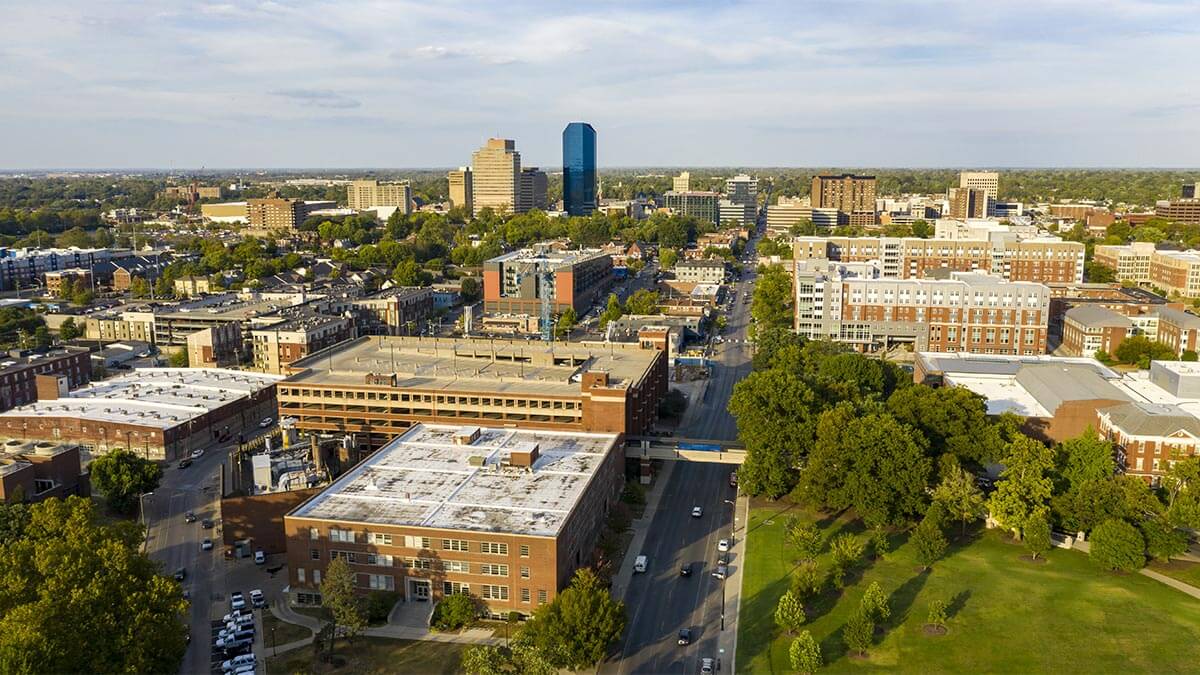
South Carolina’s housing market spans more than 50,000 active listings, from coastal properties near Charleston and Myrtle Beach to inland city homes in Columbia and Greenville. According to Redfin’s March 2026 data, the statewide median sale price reached $397,600 as of March 2026, up 4.1% year over year and roughly 12% below the national median of $435,285. Regional prices range from around $250,000 in Columbia to $420,000 and above along the Lowcountry coast.
Buying in South Carolina means meeting specific legal and financial requirements, navigating an attorney-required closing, and understanding state-specific programs that can reduce your upfront costs significantly.
This guide covers the 2026 SC housing market by region, the legal and financial requirements to buy, an 8-step process from budgeting to close, down payment amounts by loan type, SC Housing assistance programs, and the 3-3-3 rule applied to current SC price benchmarks.
Table of contents
- South Carolina Housing Market Overview for 2026
- Requirements to Buy a House in South Carolina
- How to Buy a House in South Carolina: 8 Steps
- Down Payment on a House in South Carolina
- SC Housing Programs for First-Time Buyers
- What Is the 3-3-3 Rule in Real Estate?
- Is Buying a House in South Carolina Worth It?
- Frequently Asked Questions
Instant Valuation, Confidential Deals with a Certified iBuyer.com Specialist.
Sell Smart, Sell Fast, Get Sold. No Obligations.
South Carolina Housing Market Overview for 2026
South Carolina has more than 50,000 active home listings statewide, from beachfront condos along the Grand Strand to Craftsman bungalows in Greenville’s West End. Redfin placed the statewide median sale price at $397,600 in March 2026, up 4.1% from the same month a year earlier. Norada Real Estate notes that SC remains roughly 12% below the national median, giving buyers meaningful value relative to comparable Sunbelt and coastal markets.
Home prices by region: Columbia, Greenville, Charleston
Regional price differences in South Carolina are significant. The table below uses March 2026 figures from Redfin and homes.com.
| Region | Median Price | Typical Days on Market | Market Notes |
|---|---|---|---|
| Columbia (Capital Area) | $250,000-$260,000 | ~34 days | Most affordable major market in SC |
| Greenville (Upstate) | $370,000-$380,000 | ~34 days | Fastest-growing metro, high competition |
| Summerville / Lowcountry | $420,000+ | ~34 days | Coastal premium, strong buyer demand |
| Conway / Myrtle Beach | $320,000 | ~34 days | Golf communities, coastal access |
Based on Redfin and homes.com data, March 2026. Verify current figures before transacting.
Columbia offers the lowest entry point among SC’s major metros and is a common first-time buyer target. Greenville has grown rapidly and now rivals Charleston in buyer competition. Coastal markets carry a premium that runs 30% to 60% above the Columbia baseline.
How many homes are for sale in South Carolina?
As of March 2026, Redfin tracked 39,316 homes for sale statewide, up 7.4% year over year. The broader active-listing count across all major platforms tops 50,000. Rising inventory gives buyers more choices and slightly more negotiating leverage than they had in 2024 and 2025, when supply was tighter.
Is it a buyer’s or seller’s market in 2026?
South Carolina sits in a transitional zone in 2026. Inventory is up 7.4% year over year and homes sit on the market for approximately 34 days before going under contract. Neither trend fully tips the balance toward buyers, but buyers do have more time to negotiate than during the 2021 to 2022 peak. Coastal and Greenville submarkets remain competitive. Columbia and inland areas offer the most buyer leverage.
For a broader look at what living in the state is like beyond the housing market, see the SC living overview.
Requirements to Buy a House in South Carolina
To buy a home in South Carolina, you must be at least 18 years old, carry a valid government-issued ID, and meet your lender’s credit and income minimums. South Carolina residency is not required; non-residents and non-U.S. citizens can legally purchase property in the state.
Legal requirements: age, ID, and residency
- Age: 18 years old minimum to sign a purchase contract in SC
- ID: A valid driver’s license, state ID, or passport is required at closing
- Residency: Not required. You can buy as an out-of-state resident or foreign national
- Closing: SC is an attorney state. A licensed real estate attorney must conduct the closing. You do not legally need an agent, but you do need an attorney
Credit score requirements by loan type
Your minimum credit score depends on the loan type you choose. The table below shows the thresholds lenders and SC Housing programs apply.
| Loan Type | Min Credit Score | Min Down Payment | Max DTI | Notes |
|---|---|---|---|---|
| Conventional | 620-640 | 3% | 43% | PMI required if down payment is below 20% |
| FHA | 580 (or 500 with 10% down) | 3.5% (10% if score 500-579) | 43% | Government-backed via HUD |
| VA | 620 (lender minimum) | 0% | 41% | Veterans and active-duty only |
| USDA | 640 | 0% | 41% | Rural areas, income limits apply |
| SC Housing | 640 | 3% | 43% | Down payment assistance available |
Based on current lender guidelines and schousing.sc.gov. Verify thresholds with your lender before applying.
A conventional loan typically requires a 620 to 640 credit score. An FHA loan allows scores as low as 580 with 3.5% down, or 500 with 10% down, per HUD FHA guidelines. VA and USDA loans use a 620 floor set by individual lenders rather than a federal mandate.
Income and debt-to-income (DTI) requirements
Most lenders cap your debt-to-income ratio at 36% to 43% of gross monthly income. If you earn $5,000 a month before taxes, your total monthly debt payments (including the new mortgage) should not exceed $1,800 to $2,150. Some programs allow up to 50% DTI with compensating factors like a larger down payment or stronger credit history.
There is no statewide income minimum to buy a house in SC. Your income simply needs to support the loan amount you are applying for.
South Carolina Fair Housing Law
South Carolina’s Fair Housing Law (Title 31, Chapter 21 of the SC Code of Laws, per scstatehouse.gov) prohibits discrimination in the sale, rental, or financing of housing based on race, color, religion, sex, disability, familial status, or national origin. Sellers and lenders who violate these protections face state and federal penalties.
How to Buy a House in South Carolina: 8 Steps
South Carolina follows the same general home-buying process as other states, but an attorney-required closing and a contractual due diligence period are SC-specific steps worth planning for in advance.
Step 1: Check your finances and set a budget
Pull your credit reports from all three bureaus and check your score before approaching a lender. A score of 620 or above opens conventional and VA loans; 640 opens USDA and SC Housing programs. Calculate your debt-to-income ratio, total your savings for both a down payment and closing costs, then set a realistic price target.
A standard affordability benchmark: your total monthly housing cost (principal, interest, taxes, and insurance) should not exceed 28% to 30% of your gross monthly income.
Step 2: Explore SC Housing programs
If you are a first-time buyer or have not owned a primary residence in the past three years, check the SC Housing Homebuyer Program before choosing a lender. The program offers 30-year fixed-rate mortgages with down payment assistance of up to 4% of the loan amount for buyers with a 640 or higher credit score. Income and purchase price limits vary by county, so confirm current limits at schousing.sc.gov before assuming you qualify.
Step 3: Get pre-approved for a mortgage
A pre-approval letter shows sellers you are a serious buyer and establishes a rate window. You will need two years of tax returns, W-2s, recent pay stubs, and bank statements. Pre-approval typically takes two to five business days. If you are using SC Housing, you must use a participating lender listed on the SC Housing website.
Step 4: Find a real estate agent in SC
South Carolina does not require buyers to use an agent, but market complexity in Charleston and Greenville makes a local buyer’s agent valuable. Look for an agent with a track record in your specific market and price range. As of August 2024, NAR rule changes require buyers to sign a written buyer-broker agreement before touring homes with a represented agent.
Step 5: Search for homes by location
South Carolina’s regional price spread is wide. If your budget is under $280,000, concentrate on the Columbia metro and surrounding counties. Myrtle Beach and Conway average around $320,000 if coastal access matters more than price. Greenville suburbs in the $350,000 to $400,000 range offer strong job markets and quality schools. Filter listings by school ratings, flood zone status, and HOA fees, which are common in SC coastal communities.
Step 6: Make an offer and negotiate
Once you find a home, your agent or attorney will prepare a purchase offer using the SC Association of Realtors contract. Specify the purchase price, an earnest money deposit (typically 1% to 2% of the purchase price in SC), and a due diligence period. South Carolina does not charge a separate due diligence fee the way North Carolina does, but a 7 to 14 day inspection window is standard. Use that window carefully.
Step 7: Inspections, appraisals, due diligence
Schedule a home inspection within the first few days of the due diligence period. Inspections run $300 to $500 in South Carolina. If your lender requires an appraisal (standard for financed purchases), expect to pay $300 to $600. For a full breakdown by property type, see SC appraisal costs. Review the seller’s required disclosures carefully; for what sellers must reveal under state law, see SC seller disclosure rules.
During due diligence, you can back out and recover your earnest money if you find serious defects. After the due diligence deadline passes, backing out puts your earnest money at risk.
Step 8: Close on your South Carolina home
A licensed SC real estate attorney is required to conduct the closing, handle the title search, and record the deed. Closing typically takes 30 to 45 days after your offer is accepted. Buyer closing costs in SC run 2% to 5% of the purchase price. On a $397,600 home, that is $7,952 to $19,880. For a complete breakdown of who pays what, see SC closing costs.
Down Payment on a House in South Carolina
Your minimum down payment in South Carolina ranges from $0 for VA and USDA loans to 20% if you want to avoid private mortgage insurance on a conventional loan.
Minimum down payment by loan type
- Conventional: 3% minimum; 20% to avoid PMI
- FHA: 3.5% for scores of 580 or above; 10% for scores of 500 to 579
- VA: 0% for eligible veterans, active-duty service members, and surviving spouses (per VA loan benefits)
- USDA: 0% for qualifying buyers in rural areas who meet income limits
- SC Housing: 3% minimum, with DPA up to 4% of the loan amount available
PMI typically costs 0.5% to 1.5% of the loan amount annually and cancels once your equity reaches 20%.
How much down payment on a $300,000 house?
On a $300,000 home, your down payment ranges from $0 (VA or USDA) to $9,000 (3% conventional) to $10,500 (3.5% FHA) to $60,000 (20% conventional, no PMI). The full breakdown by loan type is in the table below.
| Loan Type | Down Payment % | Down on $300K | Down on $400K | PMI Required? |
|---|---|---|---|---|
| Conventional (minimum) | 3% | $9,000 | $12,000 | Yes |
| Conventional (no PMI) | 20% | $60,000 | $80,000 | No |
| FHA (score 580+) | 3.5% | $10,500 | $14,000 | Yes |
| FHA (score 500-579) | 10% | $30,000 | $40,000 | Yes |
| VA | 0% | $0 | $0 | No |
| USDA | 0% | $0 | $0 | No |
Based on current HUD and VA program guidelines. Verify current rates with your lender before transacting.
How much down payment on a $400,000 house?
On a $400,000 home (close to SC’s March 2026 statewide median of $397,600), a 3% conventional down payment is $12,000 and a 3.5% FHA down payment is $14,000. Avoiding PMI on a $400,000 purchase requires $80,000 down. Both figures appear in the table above alongside the $300K column for easy comparison.
How to afford the down payment in SC
If your savings fall short, three options are available to South Carolina buyers:
- SC Housing DPA: Up to 4% of the loan amount as a forgivable or deferred loan. Terms change annually; verify the current structure at schousing.sc.gov.
- Gift funds: Most loan programs allow all or part of the down payment to come from a family gift, with a signed gift letter attached to the loan application.
- Seller concessions: In softer markets (Columbia, Conway), you can negotiate for the seller to cover part of your closing costs, which frees up cash for the down payment itself.
SC Housing Programs for First-Time Buyers
The South Carolina State Housing Finance and Development Authority (SC Housing) runs the state’s primary homebuyer assistance programs for first-time and qualifying move-up buyers who meet income and purchase price limits.
SC Housing Homebuyer Program: fixed-rate mortgages
SC Housing offers 30-year fixed-rate mortgages through a network of participating lenders. The fixed-rate term means your principal and interest payment stays the same for the life of the loan. The program pairs with conventional, FHA, VA, and USDA loan types, so most buyers can access it regardless of military status or property location.
Down payment assistance up to 4%
SC Housing’s Down Payment Assistance (DPA) provides up to 4% of the loan amount as a forgivable loan after a qualifying occupancy period. Terms change annually; verify the current forgiveness schedule at schousing.sc.gov before applying. On a $300,000 loan, 4% DPA equals $12,000 toward your down payment and closing costs combined.
Who qualifies for SC Housing in 2026?
Core eligibility requirements for SC Housing programs:
- Credit score: 640 minimum for all SC Housing programs
- First-time buyer status: Required for most programs (no primary-residence ownership in the past three years)
- Income limits: Vary by county and household size. Check current limits at schousing.sc.gov; do not rely on published figures, as they are updated annually
- Purchase price limits: Vary by county
- Occupancy: The purchased home must be your primary residence
- Lender: Must use a SC Housing-approved participating lender
What Is the 3-3-3 Rule in Real Estate?
The 3-3-3 rule is an informal buyer-readiness guideline, not a formal lending requirement or industry standard. It identifies three financial minimums that advisors and real estate agents commonly recommend before you commit to buying a home.
Component 1: Three months of emergency savings
Before you buy, have at least three months of total living expenses in liquid savings, kept separate from your down payment. This cushion protects you if you lose income or face a major repair in the first months of homeownership. If your monthly living expenses total $3,500, that means keeping $10,500 untouched in a dedicated emergency account.
Component 2: Three months of mortgage reserves
After closing, you should have at least three months of your new mortgage payment remaining in savings. This reserve is separate from the emergency fund. Some lenders require one to three months of reserves as a loan approval condition, particularly for jumbo or investment-property loans. Think of it as a financial buffer on top of your emergency buffer.
Component 3: Three property comparisons
Before making an offer, tour and formally compare at least three properties. Reviewing three homes calibrates whether the one you want is priced fairly relative to comparable listings. An alternate version of this component says “plan to live in the home at least three years” to recoup transaction costs. Both interpretations are practical; in SC’s transitional market, comparing multiple properties AND planning a multi-year horizon both apply.
Applying the 3-3-3 rule in South Carolina
Take a $350,000 home in SC financed with a 30-year conventional loan at 6.5% interest with 20% down ($70,000). After accounting for property taxes and insurance, total monthly PITI is approximately $2,200. Applying the 3-3-3 rule:
- Emergency savings needed: $10,500 or more (3 months of $3,500 in typical SC living expenses)
- Mortgage reserves needed: $6,600 (3 months of $2,200 PITI) held in savings after the closing date
- Properties to compare: At least 3 before placing any offer
On that scenario, the liquid reserve target alone, not counting the down payment, is roughly $17,100. Add the $70,000 down payment and 3% in estimated closing costs ($10,500), and a fully 3-3-3 ready buyer needs approximately $97,600 in available funds to move confidently. Buyers using VA or USDA zero-down loans reduce the down payment piece significantly, but the reserve components apply regardless of loan type.
Is Buying a House in South Carolina Worth It?
South Carolina’s combination of below-national-average prices, rising inventory, and state assistance programs makes it one of the more accessible Southeast markets for buyers in 2026. The statewide median of $397,600 sits 12% below the national median, and the Columbia market starts under $260,000 for buyers who prioritize affordability over coastal access.
The main risk is the coastal and Greenville submarkets, where 34-day contract timelines and continued price pressure mean decisions happen fast. Buyers in those areas should arrive fully pre-approved, understand the due diligence window, and minimize contingencies wherever possible.
If you are also selling a home to fund your SC purchase, getting a cash offer for your current home through iBuyer.com can close in 7 to 30 days. That eliminates the sale contingency that weakens your offer in competitive markets and lets you move on your South Carolina purchase with a clean, non-contingent bid.
Compare Cash Offers from Top Home Buyers. Delivered by Your Local iBuyer Certified Specialist.
One Expert, Multiple Offers, No Obligation.
Know Your Local Market Before You List
Pull the last 12 months of real sales and buyer activity for your neighborhood.
Get My Market ReportFrequently Asked Questions
SC home buyers must be at least 18, hold a valid government-issued ID, and meet lender credit minimums of 620 to 640 depending on loan type. SC residency is not required, and a licensed SC attorney must conduct the closing.
The 3-3-3 rule means having three months of emergency savings, three months of mortgage reserves after closing, and comparing at least three properties before making an offer. It is a financial readiness guideline, not a lender requirement.
A $300,000 home on a $50,000 salary is at the upper edge of typical lender approval. Your gross monthly income of roughly $4,167 supports a maximum housing payment of about $1,250 at the 30% benchmark, but a 30-year FHA loan on $300K at 6.5% carries PITI closer to $2,000. A larger down payment, SC Housing DPA, or a lower target price improves the math.
On a $300,000 home, the minimum down payment ranges from $0 (VA or USDA) to $9,000 (3% conventional) to $10,500 (3.5% FHA). A 20% conventional down payment to avoid PMI is $60,000.
Yes. SC Housing offers fixed-rate 30-year mortgages and down payment assistance up to 4% of the loan amount for first-time buyers with a 640 credit score or above. Income and purchase price limits vary by county.
Yes. South Carolina requires a licensed real estate attorney to conduct every residential closing, handle the title search, and record the deed. This applies to all purchase transactions regardless of whether you use an agent.
South Carolina mortgage programs require a minimum credit score of 500 to 640 depending on loan type. FHA allows 500 with 10% down; conventional and VA loans typically require 620 to 640; SC Housing requires 640.
South Carolina buyer closing costs typically run 2% to 5% of the purchase price. On the March 2026 statewide median of $397,600, that equals $7,952 to $19,880. The attorney-conducted closing adds attorney fees to standard lender and title costs.
No. South Carolina does not require buyers to be state residents. Non-residents and non-U.S. citizens can legally purchase residential property in SC.
A financed purchase in South Carolina typically closes 30 to 45 days after an offer is accepted. The due diligence period, usually 7 to 14 days, runs during that window and covers inspections, appraisals, and any repair negotiations.
South Carolina home prices average 12% below the national median, with 39,316 active listings as of March 2026 and SC Housing down payment assistance up to 4% available for qualifying buyers. Those factors make it one of the more accessible Sunbelt markets in 2026.
There is no statewide income minimum to buy in SC. Your income must keep your total DTI at or below 43%. On a $300,000 home with a $2,000 monthly PITI payment, most lenders want at least $4,650 in gross monthly income to stay within the 43% cap.

Reilly Dzurick is a licensed real estate agent with over six years of experience and a member of the iBuyer.com Market Insights Team, covering national trends in home selling and the evolving iBuyer landscape. Her firsthand experience working with buyers and sellers gives her a practical perspective on how these platforms impact real homeowners. She holds a degree in Public Relations, Advertising, and Applied Communication.