A professional roof inspection costs $75 to $500 for most residential homes in 2026, with the national average landing around $249 according to cost data. The range is wide because the price depends heavily on inspection type, roof size, and where you live, a basic physical inspection runs $75 to $200, while an infrared thermal inspection can reach $750 on a large or complex roof.
Not all inspections are created equal. A contractor offering a free inspection after a storm and a certified independent inspector charging $300 are doing fundamentally different jobs with different incentives. Knowing which type you need, and what it should cost, prevents you from either overpaying or relying on a report that won’t hold up in a real estate transaction or insurance claim.
This guide covers what each type of roof inspection costs, what inspectors actually check, the factors that drive price up or down, when an inspection is worth getting, and the 25% rule that can turn a $249 inspection into a code-compliance replacement project.
Roof Inspection
- How Much Does a Roof Inspection Cost in 2026?
- Types of Roof Inspections Explained
- What’s Included in a Roof Inspection?
- What Factors Affect Roof Inspection Cost?
- When Do You Need a Roof Inspection?
- Are Roof Inspections Worth It?
- What Is the 25% Rule for Roofing?
- Free vs. Paid Roof Inspections
- Common Mistakes to Avoid With Roof Inspections
- Sell Your Home As-Is After a Difficult Inspection
- Frequently Asked Questions
Roof Issues? Sell Your Home As-Is Cash buyers accept homes in current condition — no repairs required.
No repairs, no contingencies, no agent fees.
How Much Does a Roof Inspection Cost in 2026?
National Average Cost
The national average roof inspection cost is $249, though the full range runs from $75 to $1,150 depending on inspection method and roof complexity. The roof inspection costs puts the typical range at $100 to $400 for a standard residential roof, which reflects the middle tier of professional inspections most homeowners encounter.
A basic physical inspection on a straightforward ranch-style home sits at the low end of that scale. A multi-story home with multiple dormers, skylights, and a steep pitch will push toward the top.
Cost by Inspection Type
The table below extends the standard cost breakout to include roof certification and satellite/remote options that most cost guides omit.
| Inspection Type | Cost Range | Avg Duration | Best For | Free Option? |
|---|---|---|---|---|
| Basic physical | $75, $200 | 45, 90 min | Routine maintenance | Yes, from contractors |
| Detailed physical with report | $150, $350 | 1, 2 hrs | Pre-listing, post-storm | Rarely |
| Drone | $150, $400 | 30, 60 min | Steep or complex roofs | No |
| Infrared/thermal | $400, $600 | 2, 3 hrs | Hidden moisture detection | No |
| Infrared on large/complex roofs | $600, $750 | 3+ hrs | Commercial or multi-story | No |
| Roof certification (add-on) | $75, $200 add-on | 1, 2 hrs | Home sales, insurance | No |
| Satellite/aerial (remote) | $0, $100 | Instant | Quick condition estimate | Yes |
Based on Angi (July 2026) and HomeGuide cost calculator data. Verify current rates before transacting.
Regional Price Differences
Location moves the price significantly. According to regional roofing contractors, here is how costs break down by market:
- Bay Area (CA): $150 to $600 for standard inspections; high labor costs and complex access push prices up
- Florida: $100 to $250 for a standard inspection; drone inspections average $200 to $400
- Texas: $150 to $250 for a basic paid inspection; detailed inspections with a report run $250 to $350
- North Carolina: $200 to $400 for a detailed inspection with report; drone or advanced inspections run $300 to $600+
These figures come from regional roofing contractors and reflect local market conditions rather than a single national data source. Your actual quote may vary.
Types of Roof Inspections Explained
Physical (Walk-On) Inspection
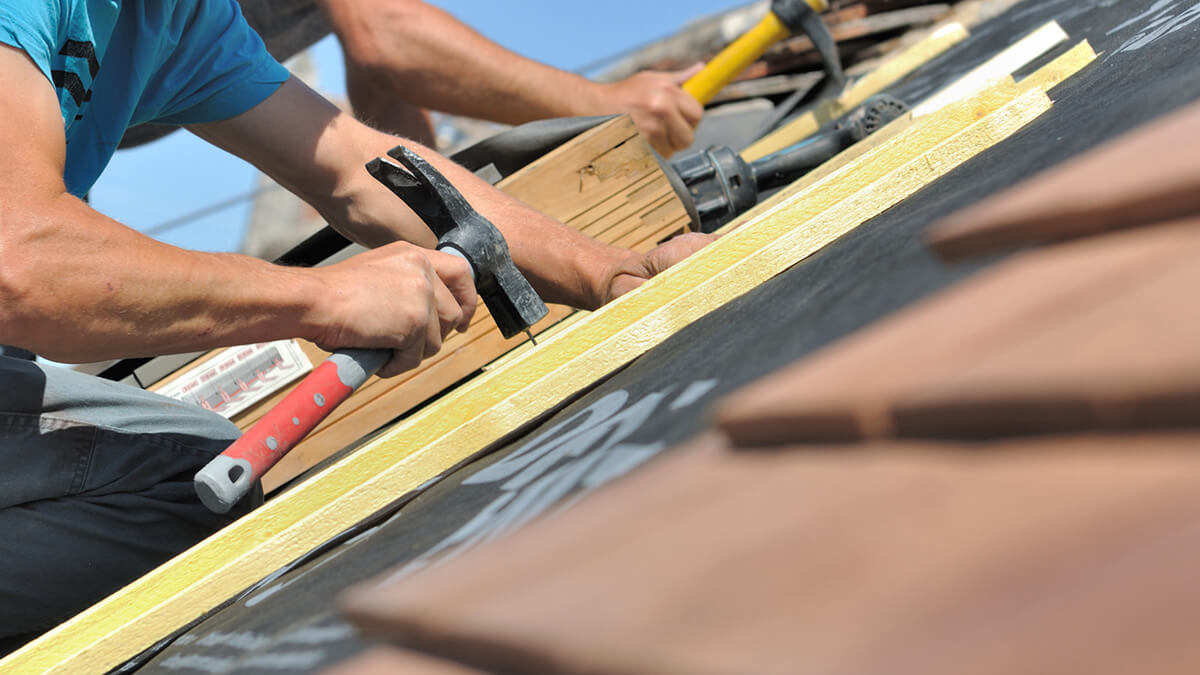
A physical roof inspection is the most common type. An inspector climbs onto the roof surface, walks the field of the roof, and examines every major component by sight and touch. This is the standard method for asphalt shingles, low-slope roofs, and most residential properties with a pitch that allows safe access.
Physical inspections catch the widest range of issues because the inspector can probe suspect areas, lift a shingle edge, and examine roof flashing up close. Most insurance claims and real estate transactions require a physical inspection report, not just aerial imagery.
Drone Inspection
A drone roof inspection uses a remotely piloted aircraft to capture photos and video of the roof surface without anyone physically climbing the structure. Costs run $150 to $400. Drone inspections are practical for roofs with a pitch above 6:12, fragile clay tile or slate surfaces, and multi-story homes where physical access creates safety risks.
The limitation is depth. A drone captures surface imagery but cannot detect hidden moisture, probe a suspect shingle, or evaluate roof decking condition from below. For pre-purchase or insurance purposes, a drone inspection works best as a screening tool before committing to a more detailed assessment.
Infrared (Thermal) Inspection
An infrared roof inspection uses a thermal camera to detect temperature differentials across the roof surface. Trapped moisture beneath a roofing membrane stays cooler than dry areas, making this method the most reliable way to find leaks that have not yet surfaced visibly.
Costs range from $400 to $600 for a standard residential roof and up to $750 for larger or more complex structures. The inspection requires dry conditions for at least 24 hours before the scan. Infrared is most valuable for flat or low-slope roofs where water pools rather than drains. Sellers listing homes with flat roofs often benefit most from this method because hidden moisture is a common buyer’s-inspection finding.
Satellite and Remote Inspections
Satellite or aerial remote inspections use publicly available or commercially licensed imagery to assess roof condition from above. Cost is $0 to $100 depending on the provider. Some insurers use satellite imagery for preliminary assessments; some roofing contractors offer it as a free first step.
Remote inspections cannot replace a physical assessment for a transaction or insurance claim. They work as a quick condition estimate before scheduling a full inspection.
What’s Included in a Roof Inspection?
Exterior Components Checked
A standard roof inspection covers six core exterior areas. The roofing inspection standards describe these as the minimum scope for a professional assessment:
- Roof coverings, shingles, tiles, or membrane examined for cracks, curling, missing pieces, and granule loss on asphalt shingles
- Flashing and penetrations, roof flashing at chimneys, skylights, vents, and pipe boots checked for gaps, corrosion, and failed sealant
- Gutters, downspouts, fascia, and soffit, inspected for blockages, improper slope, rot, and separation from the fascia board
- Structural integrity, ridge line straightness, visible sagging, and overall deck condition assessed from above and at the eaves
- Ventilation, ridge vents, soffit vents, and any powered attic fans evaluated for blockages and proper airflow
- Roof surface drainage, standing water patterns, ponding areas on flat roofs, and any evidence of chronic moisture accumulation
For a full picture of what inspectors can and cannot assess during a standard inspection, the article on home inspector limitations and scope covers where their authority ends and when a specialist is required.
Interior and Attic Checks
When the attic is accessible, a thorough inspector enters it to examine the underside of the roof decking for moisture stains, soft spots, and mold. Rafters and trusses are checked for cracks or pest damage. Insulation depth and distribution affect ventilation performance, so an inspector notes any obvious deficiencies.
Attic access is not always included in the base inspection fee. Expect an add-on cost of $25 to $75 when attic entry is part of the scope.
What the Report Should Cover
A paid inspection should produce a written roof inspection report with photographs of every deficiency found. The report should identify the location of each issue, describe the severity, and note whether the condition requires immediate repair, monitoring, or replacement.
Verbal-only findings carry no weight in a real estate transaction or insurance claim. If an inspector does not offer a written report with photos, ask for one before paying.
What Factors Affect Roof Inspection Cost?
Roof Size and Pitch
Most inspection quotes assume a standard residential roof of 1,500 to 2,500 square feet. Larger roofs add $50 to $150 to the base price as inspection time increases. Roofs above a 6:12 pitch may require safety equipment and an experienced climber, adding $50 to $100 to the total cost.
Roof Material and Age
Asphalt shingles are the fastest material to inspect because they are uniform and easy to read. Clay tile and slate require more careful examination, they crack under foot pressure, limiting where an inspector can walk, and their interlocking profiles create more potential failure points. Expect a $50 to $75 premium for tile and slate inspections.
Age matters, too. Roofs over 20 years old typically require a more detailed inspection, and some insurers require a separate roof certification before issuing or renewing a policy on an older roof.
Location and Accessibility
Regional labor rates, permitting environments, and travel costs all affect price. Bay Area homeowners pay $150 to $600 for the same inspection that costs $100 to $250 in Florida, based on local contractor pricing. Multi-story homes, homes with no safe ground access, and properties surrounded by landscaping that limits ladder placement all add to the cost.
Inspection Add-Ons
Common add-ons that increase the total roof inspection cost include:
- Attic access: $25 to $75
- Roof certification: $75 to $200 (estimates remaining lifespan; required by some insurers and buyers)
- Moisture scan upgrade: $100 to $200 to add an infrared scan to a physical inspection
- Written report with photos: sometimes included, sometimes a $25 to $50 add-on with lower-cost inspectors
Always confirm what the base fee includes before booking.
When Do You Need a Roof Inspection?
Before Buying or Selling a Home
A roof inspection before buying a house is one of the most cost-effective things a buyer can do. Roof replacement is among the largest single repair costs a homeowner faces, ranging from $8,000 to $25,000 or more depending on materials and home size. A $150 to $350 inspection during due diligence can surface defects before they become a closing-table negotiation.
For sellers, a pre-listing inspection lets you price repairs accurately or disclose known condition to buyers before an offer is made. Sellers who are also purchasing another home simultaneously often need a clean report to keep their own transaction timeline intact. The article on buying a house contingent on selling yours explains how a roof finding during the inspection period can compress both timelines at once.
The steps in the home closing process show where a roof inspection fits in the typical 30 to 60-day due-diligence window between contract and closing.
After a Major Storm
Hail and high-wind events cause damage that is not always visible from the ground. Granule loss on asphalt shingles, cracked ridge caps, and displaced flashing can allow water infiltration for months before the first interior stain appears. Most insurers recommend scheduling an inspection within 30 days of a significant storm event.
A roof inspection for insurance purposes works best when you have an independent inspector’s report before calling the insurer. If the insurer sends their own adjuster, having a prior independent report strengthens your documentation and reduces the risk of a lowball settlement.
Routine Maintenance Schedule
The NRCIA recommends a professional inspection every one to three years for roofs under 20 years old, and annually for roofs older than 20 years. Catching early-stage granule loss, minor flashing separation, or small soft spots in the deck prevents those issues from becoming interior water damage costing $4,000 or more.
Before Filing an Insurance Claim
Some carriers require a current inspection (within three to five years) before issuing or renewing a policy on roofs older than 15 years. If you are filing a claim, an independent inspector’s report predating the damage event is strong documentation of pre-loss condition.
Are Roof Inspections Worth It?
Yes, roof inspections are worth the cost for most homeowners. A $150 to $350 inspection that catches early granule loss, failed flashing, or moisture intrusion can prevent interior water damage repairs that run $4,000 or more.
Cost vs. Potential Repair Savings
The math is straightforward. A $249 inspection that identifies a cracked pipe boot or separated flashing around a chimney costs $150 to $400 to repair. Left undetected for a year or two, the same failure allows water into the attic and living space, producing mold remediation and ceiling repair bills that exceed $5,000 in many cases. Proactive maintenance identified by inspections can extend a roof’s functional lifespan by three to five years.
For Home Buyers
According to Redfin’s data on inspection contingency risks, buyers who waive inspection contingencies face average undiscovered repair costs exceeding $11,000. Roof defects are among the most common post-purchase surprises. A buyer who understands how home sale contingencies work has the right to negotiate repairs, a price reduction, or a credit at closing based on the inspection findings.
For Home Sellers
A clean inspection report reduces the probability of a financed buyer exiting a contract over disclosed conditions. Sellers who already have a report can complete repairs proactively, price the home to reflect its condition, or choose to sell to a cash buyer who accepts the property as-is without repair contingencies.
What Is the 25% Rule for Roofing?
The 25% rule in roofing is a building code threshold that requires a full roof system to be brought up to current building codes if more than 25% of its total area is repaired, replaced, or recovered within a 12-month period. It is not a contractor policy. It is a code enforcement rule.
How the Rule Works
When cumulative repairs to a roof within any 12-month window cross the 25% threshold, the jurisdiction treats the project as a new roof installation, triggering compliance with current building codes. That may mean adding new underlayment, updating flashing details, meeting current load requirements, or replacing decking to code. The cost difference between a targeted repair and a full code-compliant replacement can be $10,000 to $20,000 or more.
The rule applies in two ways depending on the state. Some jurisdictions apply it to the whole roof. Others apply it to a specific section, meaning 25% of a defined roof plane can trigger code compliance for that section without requiring the entire roof to be rebuilt.
Which States Enforce It
Florida Building Code §706.1.1 is the most widely cited implementation of this rule, and it is the version that appears most frequently in insurance disputes and real estate transactions in the Southeast. Several other states have adopted similar thresholds, though the specific percentages and calculation methods vary. Before assuming your jurisdiction uses the same standard, confirm with your local building department.
If an insurance claim exceeds the 25% threshold, the insurer may be required to fund a full replacement rather than a patch repair. That works in a homeowner’s favor in some cases and creates complications in others, depending on the age of the roof and the policy’s actual cash value versus replacement cost provisions.
How It Affects Your Inspection Decision
Here is the scenario that most inspection-cost articles miss entirely. A homeowner who has paid for piecemeal repairs over the past several years, using different contractors each time, may not realize those cumulative repairs have already approached or crossed the 25% threshold. A pre-listing inspection that surfaces that history can trigger a code-compliance replacement obligation on the next repair, turning a $249 inspection into a project requiring full permits and a full-cost roof replacement.
Gathering your prior repair history before an inspection (permits, invoices, contractor work orders) gives the inspector the context to assess cumulative coverage and flag the 25% rule risk before you are surprised by it at permit time.
Free vs. Paid Roof Inspections
When Roofing Contractors Inspect for Free
A free roof inspection from a roofing contractor is common after storm events. The contractor sends an estimator who performs the same physical walk as a paid inspection, documents findings, and delivers a repair estimate. The scope of what they check is similar to a paid inspection.
The difference is not what they look at. The difference is what they are motivated to find. A contractor’s estimator is generating a repair quote, not an independent condition report.
Limitations of Free Inspections
A free contractor inspection will not produce a neutral written report suitable for a real estate transaction or an insurance dispute. The report is a proposal, not an assessment. If you use it in a negotiation with a buyer or submit it to an insurer, the other party will note that it came from a contractor with a financial interest in the repair.
An independent roof inspector certified through NRCIA or InterNACHI has no repair revenue at stake. Their written report can be used in a transaction, submitted to an insurer, or used to challenge a contractor’s scope of work.
When to Pay for an Independent Inspector
Pay for an independent inspection in any of these situations:
- You are buying a home and the seller is disclosing known roof issues
- You are selling a home and want a report that holds up to buyer scrutiny
- A free contractor estimate recommends more than $5,000 in repairs and you want a second opinion
- You are filing an insurance claim and want documentation that predates the insurer’s adjuster visit
- The 25% rule threshold is a potential issue based on your repair history
A $150 to $350 independent inspection is cost-effective verification against a five-figure repair recommendation.
Common Mistakes to Avoid With Roof Inspections
-
Hiring only the contractor who will do the repairs. A contractor inspecting their own future work has an obvious conflict of interest. Get an independent assessment before authorizing any significant repair.
-
Skipping the attic. Interior signs of moisture, staining on the underside of roof decking, and soft spots in the rafters often appear months before exterior failure becomes visible. Always request attic access when it is available.
-
Waiting until after a sale is contingent. Inspection findings discovered after a buyer is under contract create leverage and delay. A pre-listing inspection gives you time to respond on your own schedule.
-
Ignoring the 25% rule. Piecemeal repairs spread across multiple contractors and years can accumulate to a code-compliance trigger without any single contractor flagging it. Track your repair history and ask your inspector to assess cumulative coverage.
-
Using satellite or remote imagery as a substitute for a physical inspection. Satellite imagery is a screening tool. It cannot assess flashing condition, granule loss depth, or deck integrity. Do not use it as the basis for a real estate or insurance decision.
-
Not getting a written report. Verbal findings leave no documentation for insurance claims, disclosure obligations, or resale. Require a written roof inspection report with photographs as a condition of any paid inspection.
Sell Your Home As-Is After a Difficult Inspection
If your inspection turned up more damage than you expected, you do not have to fix the roof before selling. Cash buyers on iBuyer.com purchase homes in their current condition, with no contractor estimates, no repair contingencies, and no risk of a buyer walking over a failing inspection report. You can compare offers from multiple vetted buyers and close in as few as 7 days. Get your no-obligation offer to see what your home is worth as-is.
Skip the Repairs, Get a Cash Offer Compare multiple offers from vetted buyers and close in 7–30 days.
Multiple offers, no obligation, close on your timeline.
Frequently Asked Questions
Yes, roof inspections are worth it for most homeowners. A typical $150, $350 inspection can prevent thousands of dollars in water damage, structural repairs, or premature replacement by catching early granule loss, failed flashing, or moisture intrusion before it spreads indoors.
A professional roof inspection costs $75, $500 for most residential homes in 2026, with the national average around $249. Basic physical inspections run $75, $200, drone inspections average $150, $400, and infrared thermal inspections start at $400 and reach $750 for large or complex roofs.
A roof inspection covers roof surface materials, flashing, gutters, downspouts, ventilation, structural condition, and (when accessible) the attic interior. Inspectors check shingles for granule loss and curling, flashing around chimneys and vents for gaps and failed sealant, and the ridge line for sagging.
The 25% rule requires a full code-compliant roof replacement if more than 25% of a roof’s area is repaired or replaced within a 12-month period. Florida Building Code §706.1.1 is the most widely cited implementation, and several other states have adopted similar thresholds.
A drone roof inspection typically costs $150, $400 depending on roof size, complexity, and equipment. Drone inspections are useful for steep pitches above 6:12 or fragile tile surfaces but cannot detect hidden moisture the way an infrared inspection can.
An infrared roof inspection costs $400, $600 for most residential roofs and up to $750 for large or complex structures. Thermal inspections detect trapped moisture beneath roofing membranes that a physical inspection misses, and they require dry conditions for at least 24 hours before the scan.
Many roofing contractors offer a free inspection, but those inspections are tied to a repair estimate and reflect the contractor’s commercial interest rather than independent assessment. Pay for an independent NRCIA-certified inspector when findings will be used in a real estate transaction, insurance claim, or repair dispute over $5,000.
The NRCIA recommends a professional roof inspection every one to three years for roofs under 20 years old, and annually for roofs older than 20 years. Post-storm inspections should happen within 30 days of a significant hail or wind event regardless of visible damage.
A roof inspection for insurance purposes typically costs $150, $400 for a standard physical or drone inspection. Some insurers require an independent inspector’s certified report rather than a contractor estimate, particularly for roofs over 15 years old.
A roof certification is an add-on costing $75, $200 that estimates how many years the roof has remaining before replacement is needed. Insurance companies and buyers in real estate transactions commonly require it for roofs over 15 years old.
A basic physical roof inspection takes 45 minutes to 2 hours. Infrared inspections run 2 to 3 hours for a standard residential home. Drone inspections are typically faster at 30 to 60 minutes because the inspector controls the flight path from the ground.
A pre-listing roof inspection costing $150, $350 lets a seller price repairs accurately and reduces the risk of a buyer’s inspector finding surprises during contract. Sellers with a clean report can complete repairs proactively, negotiate from a position of disclosure, or choose a cash buyer who accepts the home as-is.
Yes, buyers can negotiate repair credits, price reductions, or seller-completed repairs after an inspection reveals roof defects, with the specific findings in the inspection report as the negotiating baseline. If prior repairs have already approached the 25% rule threshold, a repair request may trigger a full code-compliant replacement that costs both parties far more than anticipated.
How to Prepare for a Professional Roof Inspection
- Clear attic access. Move stored items away from the attic hatch so the inspector can enter safely without delay.
- Trim overhanging branches. Branches touching or near the roof obscure the inspector’s view and are themselves a damage risk worth documenting.
- Clean gutters or leave them as-is intentionally. Clean gutters before the inspection if you want a baseline condition assessment. Leave them uncleaned if debris patterns are part of what you want evaluated, and note that in your request.
- Gather your repair history. Prior work orders, permits, and contractor invoices help the inspector assess whether cumulative repairs approach the 25% rule threshold.
- Be present during the inspection. Inspectors answer questions in real time. Findings explained on the roof are clearer than a written report alone.
- Request a written report with photos. Verbal-only findings carry no weight in a real estate transaction or insurance claim. Confirm this deliverable before the inspection begins.

Reilly Dzurick is a licensed real estate agent with over six years of experience and a member of the iBuyer.com Market Insights Team, covering national trends in home selling and the evolving iBuyer landscape. Her firsthand experience working with buyers and sellers gives her a practical perspective on how these platforms impact real homeowners. She holds a degree in Public Relations, Advertising, and Applied Communication.