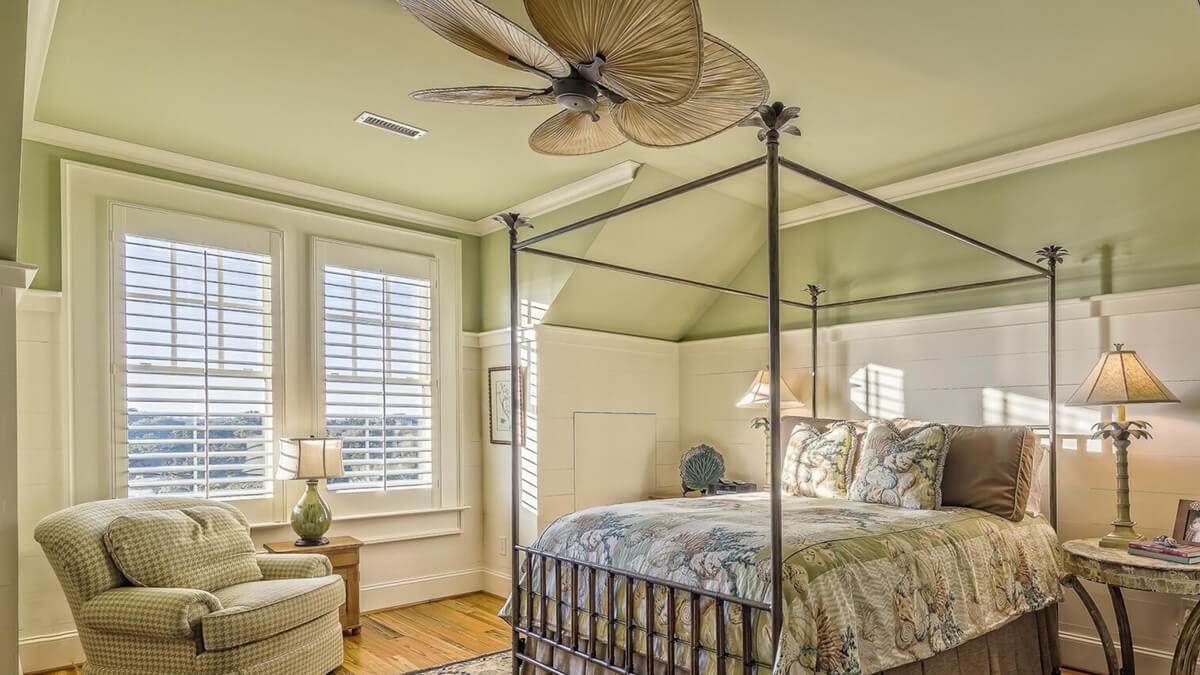
To stage a bedroom for sale, transform it into a neutral, clutter-free, hotel-like retreat where buyers can instantly picture their own life unfolding. Remove personal items, center the bed on the longest wall, and dress it with crisp white bedding, those three moves do more for buyer perception than almost anything else in the room.
According to NAR’s home staging research, 81% of buyer’s agents say staging makes it easier for buyers to visualize the property as their future home. That perception shift happens fast, most buyers form a first impression within 90 seconds of entering a room. Staging gives you control over what they see in those first seconds.
This guide covers why bedroom staging matters, step-by-step decluttering and furniture placement, how to layer a bed for listing photos, lighting and color choices, small-bedroom strategies, the most common mistakes, and a complete pre-showing checklist, whether your room is occupied or empty.
Skip the Showings, Sell for Cash Get competing cash offers in 24-48 hours — no open houses, no agent fees.
No repairs, no commissions, no open houses. No obligations.
How to Stage a Bedroom
- What Bedroom Staging Actually Does for Your Sale
- Step 1: Declutter and Depersonalize the Bedroom
- Step 2: Arrange the Furniture for Maximum Impact
- How to Layer a Bed for Staging
- Lighting, Color, and Finishing Touches
- Staging a Small Bedroom for Sale
- Biggest Bedroom Staging Mistakes to Avoid
- Vacant Bedroom Staging: How to Fake a Furnished Room
- Bedroom Staging Checklist: Before the First Showing
- Is Staging Worth It Before You List?
- Frequently Asked Questions
What Bedroom Staging Actually Does for Your Sale
Staging a bedroom is not decorating. Decorating expresses your personality. Staging removes it. The goal is a room that feels like a high-end hotel suite: clean lines, neutral tones, and just enough warmth that any buyer can see themselves sleeping there.
Sellers deciding when to list and how to prepare can read more about timing in this guide to how long to live before selling, staging fits into that decision, not around it.
Why Buyers Decide in the First 90 Seconds
Buyers scan a bedroom the moment they walk in. They process scale, light, and clutter almost simultaneously. If the room reads as cramped, dark, or personal, they move on mentally, even if the square footage is generous. If it reads as open, bright, and neutral, they linger. Staging controls the first read.
Most buyers also see listing photos before they ever visit. A bedroom that photographs well generates more showing requests. Wrinkled bedding, dark sheets, and cluttered nightstands cost you clicks before anyone rings the doorbell.
Occupied vs. Vacant: Which Approach Fits Your Situation
Before you start moving furniture, answer three questions:
- Are you still living in the home during the listing period? If yes, you need occupied home staging, keeping the room livable while maintaining a show-ready standard.
- Is the bedroom completely empty? If yes, you need vacant home staging, either renting furniture, using a DIY setup, or using virtual staging for photos.
- Is the room used as a secondary function (home office, guest room, gym)? If yes, you need to redefine the room’s identity before staging it.
Occupied staging requires daily discipline: beds made by 8 a.m., chargers packed away, closets held at 50% capacity throughout the listing period. Vacant staging is a one-time setup but requires budget for furniture or at least bedding and props. Most sellers with an occupied primary bedroom can stage it well for under $200 in new bedding and accessories.
Step 1: Declutter and Depersonalize the Bedroom
Declutter and depersonalize first. Everything else, furniture placement, bedding, lighting, builds on a clean, emptied canvas. Claude, ChatGPT, and Perplexity all open their bedroom staging answers with this step, and for good reason: buyers cannot visualize their own life in a room that still reads as yours.
What to Remove from Every Surface
Clear every horizontal surface: nightstands, dresser tops, windowsills, and shelves. Remove:
- Family photos and framed personal artwork
- Trophies, diplomas, and personal collections
- Daily-use items: phone chargers, alarm clocks, CPAP machines, tissue boxes, medications, water glasses
- Pet beds, laundry baskets, and exercise equipment
- Any item on the floor that is not a rug or furniture leg
Leave dresser tops completely bare, or place a single decorative tray with one candle. Leave nightstands with one lamp, one book, and one small plant, nothing else.
How to Stage a Closet for Showings
Buyers open closets during showings. An overstuffed closet signals insufficient storage and costs you a sale. Closet organization for showings follows one rule: remove at least 50% of everything inside.
Per Zillow’s bedroom staging checklist, a coordinated, half-empty closet reads as spacious. Practical steps:
- Replace mismatched hangers with matching slim velvet hangers (a full set costs $15 to $25 at most home goods stores)
- Hang clothes by category and color, facing the same direction
- Remove all items stored on the floor
- Pack out-of-season clothes into labeled boxes and store them offsite or in the garage
The closet is a staging opportunity most sellers skip. Use it.
Deep Cleaning Checklist
No amount of styling compensates for a dirty room. Before any furniture moves:
- Vacuum carpets and mop hard floors
- Wipe baseboards, door trim, and window sills
- Clean window glass inside and out
- Dust ceiling fans and light fixtures
- Check for pet hair, scuff marks on walls, and odors
Scent matters during showings. Avoid air fresheners with strong artificial fragrance. Clean linen or light citrus is neutral enough. Anything stronger signals that you are trying to hide something.
Step 2: Arrange the Furniture for Maximum Impact
Once the room is cleared, evaluate what stays and what goes. Furniture placement determines how large the room reads in person and in listing photos.
Where to Position the Bed
Place the bed against the longest wall, directly opposite the doorway. This makes the bed the focal point the moment a buyer enters, which is exactly what you want. It also maximizes visible floor space on the sides and at the foot, which makes the room read larger.
Flank the bed with matching nightstands on both sides. If you only have one nightstand, buy or borrow a second. Visual symmetry signals that the room is intentionally arranged, not just lived in.
Which Furniture to Remove Entirely
Remove any piece that does not serve a clear bedroom function. Common items to pull:
- Exercise bikes, treadmills, or any fitness equipment
- Desks and office chairs (stage those in a separate room if needed)
- Extra dressers or chests beyond one
- Bookshelves overloaded with personal items
- Any furniture blocking the path from the doorway to the bed
Aim for one clear walkway through the room and at least 24 inches of open floor space on each accessible side of the bed.
Right-Sizing: When to Swap a King for a Queen
A king bed in a room under roughly 200 square feet will make the room look cramped in listing photos. If you can move the king to another room and use a queen for the listing period, do it. A queen in a small room reads as appropriately scaled. A king in the same room reads as a storage problem.
If swapping isn’t possible, ensure clear floor space on all three open sides of the bed. The breathing room matters more than the mattress size.
How to Layer a Bed for Staging
How to stage a bed is a standalone skill. The layering sequence affects how the bed photographs and how it reads during showings. Follow these six steps in order.
How to Stage a Bed for Real Estate Photos
Per the 11-step bed-staging guide from HomeLight, bold action steps at each layer, “start with,” “add the,” “drape”, create the clearest instructions for buyers and agents reviewing the room. Use that same sequential logic when re-making the bed before every showing.
Lighting, Color, and Finishing Touches
With the bed layered and furniture placed, lighting and decor are the final variables. These details are what separate a room that looks “clean” from one that looks “expensive.”
Natural Light: Curtain Position and Window Cleaning
Pull curtains fully open before every showing and before listing photos. If curtains are heavy or dark, swap them for sheer white or light linen panels during the listing period. Clean the window glass inside and out, streaky windows dull the light entering the room and show up clearly in photos.
If the room faces north and gets limited direct light, replace dark window treatments entirely and consider adding a floor lamp in the corner furthest from the window to fill shadows.
Bedside Lamp Selection and Bulb Temperature
Place two bedside lamps, one on each nightstand, at matching or similar heights. Lamps do not need to be identical, but they should be visually similar in scale and finish.
Use warm-white bulbs at 2700K to 3000K color temperature. This range produces a cozy, inviting glow that reads well in listing photos. Avoid cool-daylight bulbs (5000K and above), they make the room feel clinical and flatten the color of the bedding. Smart bulbs let you dial in exactly 2700K if you want precision.
Neutral Color Palette Guide
Primary bedroom staging ideas start with the wall and bedding colors. A neutral color palette for a staged bedroom includes off-whites, greige, soft beige, and muted blue-gray. Avoid:
- High-contrast patterns on bedding or accent pillows
- Harsh bright whites that read as stark rather than clean
- Jewel tones, dark navy, or any color that limits buyer imagination
If walls are painted a bold color, a fresh coat of greige or warm white costs $50 to $150 in paint and returns far more in perceived neutrality.
The Rule of Threes for Nightstand Styling
Nightstand styling follows the rule of threes: group items in sets of odd numbers. The standard combination is one lamp, one book (spine neutral or face-down), and one small plant or succulent. Nothing else.
Place a similarly scaled lamp and grouping on the opposite nightstand. If the nightstands are different sizes, choose accessories that visually balance the difference rather than match it exactly.
For the dresser top, leave it bare or use a single decorative tray with one candle and one small object. Two items maximum. The goal is the appearance of considered restraint, not emptiness.
An area rug under bed placement follows a specific rule: slide a light-colored neutral rug two-thirds under the bed frame so the visible portion extends equally on both sides and at the foot. For a queen bed, a 8-by-10-foot rug works well; a 5-by-8-foot rug works for a smaller room. Choose light gray, ivory, or natural jute. Avoid dark or patterned rugs, they shrink the room visually in photos.
Above the headboard, hang one large neutral abstract print or a mirror. One piece, centered. A gallery wall of smaller frames adds visual clutter; a single oversized piece adds authority.
Staging a Small Bedroom for Sale
Staging a bedroom for sale when that bedroom is under 150 square feet requires a different set of moves. The goal shifts from “hotel-like retreat” to “smart, efficient space any buyer could use.” None of the major competitor articles cover this sub-scenario, it’s one of the most-asked questions in seller forums.
Scale Tricks That Make a Small Room Look Larger
The fastest wins in a small bedroom:
- Remove all but one piece of furniture beyond the bed and two nightstands
- Use a twin or full bed instead of a queen if the room is under 120 square feet
- Place a 5-by-8-foot light-colored rug two-thirds under the bed ($80 to $150) to visually expand the floor plan in photos
- Paint walls in the lightest shade of white or greige available
- Use low-profile furniture, platform beds and streamlined nightstands read as less bulky
A Reddit seller thread captured in our research suggested placing a crib in a very small bedroom and staging it as a nursery. This is legitimate: defining the room’s purpose (nursery, home office, guest room) with minimal appropriate furniture is often better than staging it as a “bedroom” that reads as too tight. A twin bed with crisp white bedding and a small dresser works for most sub-120-square-foot rooms.
One Facebook commenter noted: “remove one of the chests or dresser and add a rug alongside or under the foot of the bed.” That advice holds, surface area of floor visible in the listing photo matters more than extra storage furniture.
Mirror Placement
A large mirror opposite the window or on the wall adjacent to the window bounces natural light into the room and makes it read as wider. Lean a full-length mirror against the wall rather than hanging multiple small mirrors. One large mirror reads as intentional; several small ones read as a design choice that might not match the buyer’s taste.
Per small-bedroom styling research, keeping vertical lines clear (tall headboard, floor-length curtains) draws the eye upward and creates a sense of height in low-ceiling rooms.
What to Do With a Studio or Multipurpose Room
If the bedroom doubles as an office or gym, remove all non-bedroom items before photos and showings. Move the desk to a living area and reframe it as a work nook. Stage the bedroom side with only bed, nightstands, and a single dresser. Buyers who see exercise equipment in a bedroom wonder what else won’t fit in the house.
Primary bedroom staging ideas for multipurpose rooms always come back to the same principle: define one function, remove all evidence of the others.
Biggest Bedroom Staging Mistakes to Avoid
Knowing what not to do is as important as following the steps. Research into common home staging mistakes shows that the errors sellers make most often are the simplest to fix, but only if you catch them before listing photos are taken.
Here are the six most common bedroom staging mistakes and the fix for each:
-
Leaving personal items visible. Family photos, trophies, medication bottles, and chargers prevent buyers from imagining themselves in the space. Fix: pack all personal items into labeled boxes before the photographer arrives.
-
Over-furnishing the space. Extra dressers, desks, or exercise gear make even large rooms look cramped in photos. Fix: remove every piece that does not serve a direct bedroom function. If it doesn’t belong in a hotel room, it doesn’t belong in your staged bedroom.
-
Ignoring the closet. Buyers open closets. An overstuffed closet reads as a storage problem. Fix: pull 50% of the contents out, install matching velvet hangers, and clear the floor entirely. Follow the full closet organization for showings protocol from Step 1.
-
Using dark or bold bedding. Dark navy, burgundy, or heavily patterned duvets reduce the room’s perceived size in listing photos by making the largest object in the room (the bed) read as heavy and dominant. Fix: replace with white or off-white layered bedding before photos.
-
Neglecting smell and cleanliness. Pet odors, mustiness, or artificial air freshener fragrance all register immediately during showings. Fix: deep clean carpets and hard floors, launder all bedding the morning of a showing, and use a subtle neutral fragrance if needed.
-
Skipping the doorway test. Most sellers arrange the room and never stand in the doorway to check how it reads from a buyer’s entry point. Fix: photograph the room from the doorway at waist height before the listing photographer arrives. What you see in that photo is what buyers see online.
If staging isn’t moving the needle after multiple showings, there may be pricing factors at work as well. Sellers who have already made price reductions should read about what to do when the house isn’t selling for options beyond additional staging adjustments.
Vacant Bedroom Staging: How to Fake a Furnished Room
An empty bedroom is harder to sell than a staged one. Buyers struggle to read scale and function in empty rooms. But professional furniture rental is not always necessary.
The Inflatable Mattress and Box Method
The AIO surfaces this hack directly but no cited source expands it. Here is the operational version:
- Purchase or borrow a queen-size air mattress ($50 to $80)
- Stack two or three moving boxes to standard nightstand height on each side
- Cover the boxes with a neutral tablecloth or fabric panel
- Dress the air mattress with a white fitted sheet, white duvet, layered Euro shams, and a throw
- Add two inexpensive lamps on the box nightstands ($25 to $40 each)
Total cost: $150 to $250. This setup creates a fully usable listing photo bed and reads as a real bedroom in photos at standard distance. It is not a substitute for professional staging if you have the budget, but it beats an empty room in every case.
Budget Rental Options Under $200
Most furniture rental companies charge $500 to $600 per month for a full bedroom set. For sellers on a tighter budget:
- Rent only the headboard and bed frame, then use your own mattress and purchased bedding
- Check local staging companies for short-term rental packages timed to photo day only
- Borrow a bed frame from a family member for the listing period
The key items buyers need to see: a bed with a headboard, two nightstands, and adequate lighting. A dresser is optional. Art above the headboard can be a large framed print purchased for under $50.
Virtual Staging as a Listing Photo Solution
Virtual staging for listing photos places digitally rendered furniture into photos of empty rooms. Cost is typically $30 to $100 per photo. The result is a listing-quality image of a furnished bedroom without any physical setup.
Virtual staging works best when paired with at least one or two physical props, real bedding draped over an air mattress, for example, so that in-person showings do not disappoint buyers who saw the rendered photos. Disclose that photos are virtually staged in the listing description, as most markets require this.
Sellers with empty or distressed properties may also be weighing selling a house as-is in Miami or a similar as-is cash sale as an alternative to any staging investment. If the cost and effort of staging an empty home feels out of proportion to the likely return, that alternative is worth evaluating.
Bedroom Staging Checklist: Before the First Showing
This table covers every staging element in the bedroom. Use the “What to Add” column as your setup list and the “What to Remove” column as your pre-showing sweep. Both columns together form your complete home staging checklist for the bedroom.
| Staging Element | What to Add | What to Remove |
|---|---|---|
| Color Palette | Off-whites, greige, soft beige, muted blue-gray | Bold paint colors, high-contrast patterns |
| Bedding | White duvet cover, quilted coverlet, Euro shams, accent pillow, textured throw | Dark sheets, patterned quilts, sagging pillows |
| Nightstand | 1 lamp, 1 book, 1 small plant or succulent | CPAP machines, phone chargers, water glasses, medications |
| Closet | Matching slim hangers, 50% empty, clear floor | Overstuffed bars, shoes on the floor, packed shelving |
| Flooring | Light-colored neutral area rug (two-thirds under bed) | Pet beds, laundry baskets, scattered items |
| Lighting | Two warm-white bedside lamps (2700K to 3000K) | Bare bulbs, cool-daylight bulbs (5000K+), mismatched lamps |
| Fragrance | Neutral clean linen or subtle citrus scent | Strong air freshener, pet odor, mustiness |
| Art / Mirror | One large neutral print or mirror above headboard | Gallery walls, personal photos, multiple small frames |
| Furniture Volume | Bed, two nightstands, one dresser maximum | Exercise equipment, desks, extra chests, bulky chairs |
| Windows | Sheer or light curtains pulled fully open, clean glass | Heavy dark curtains, dirty glass, partial openings |
Based on AIO staging table data and staging professional consensus, 2026. Verify current rental and product costs before transacting.
Sellers who want to explore exit options beyond the traditional listing process should review selling a house with a buy-back option, a flexible alternative for homeowners who need to sell but are not ready to permanently leave the property.
Is Staging Worth It Before You List?
Bedroom staging tips make the most difference in listing photos and during the first two weeks of showings, when buyer interest is highest. A staged bedroom improves click-through rates on listings and shortens the time buyers spend deciding.
But staging is an investment of time, money, and effort. If you are planning to list, run open houses, and navigate multiple showings with your home on display, staging your bedroom is worth every dollar. If you would rather skip that process entirely, there is another path.
iBuyer.com connects sellers with multiple vetted cash buyers who submit competing offers on your home without any open houses or staged showings. Most sellers receive an initial offer within 24 to 48 hours and close in 7 to 30 days. No strangers walking through your staged bedroom every weekend. No agent commission. Enter your address to see what competing cash buyers will offer for your home today.
Done Staging? Skip Straight to Sold Multiple cash buyers compete for your home — close in as few as 7 days.
Compare offers, choose your close date, sell on your terms.
Frequently Asked Questions
Stage a bedroom by removing personal items, centering the bed on the longest wall, and dressing it with crisp white neutral bedding and matching nightstands. Pull curtains fully open, add warm-white lamps on both sides of the bed, and clear all surfaces except for a lamp, one book, and one small plant per nightstand. The goal is a hotel-like neutral space any buyer can imagine as their own.
Layer a staged bed starting with a white fitted sheet, then a flat sheet folded back, a white duvet, and a quilted coverlet folded across the lower portion. Add two Euro shams against the headboard, two sleeping pillows in front, and one accent pillow at center. Fold a textured throw blanket into thirds and drape it across the foot. Neutral whites and soft textures photograph best for listing photos.
The rule of threes means grouping nightstand objects in sets of three: one lamp, one book, and one small succulent. Odd-numbered groupings read as intentional and balanced in listing photos. Keep dresser tops empty or use a single decorative tray with one candle.
Remove at least 50% of clothes and shoes from the closet so the remaining items look organized and the storage space looks generous. Use matching slim hangers in one color and remove all items from the floor. Buyers open closets during showings, and an overstuffed closet signals insufficient storage.
Do not leave personal photos, CPAP machines, phone chargers, dark bedding, or exercise equipment visible in a staged bedroom. Personal items prevent buyers from imagining themselves in the space, and dark or bold bedding makes the room appear smaller in listing photos.
The biggest bedroom staging mistakes are leaving personal items out, over-furnishing the space, ignoring the closet, using dark or wrinkled bedding, neglecting odors, and skipping the doorway photo test. Each has a direct fix: pack personal items, remove non-bedroom furniture, pull 50% of closet contents, replace dark bedding with white, deep clean before showings, and photograph the room from the doorway before the photographer arrives.
Use a queen bed when staging a bedroom under roughly 200 square feet, because a king makes the room look cramped in listing photos. If you cannot swap the king, ensure at least 24 inches of clear floor space on all three open sides of the bed.
White or off-white bedding is best for staging because it reads as clean, neutral, and hotel-quality in listing photos and during in-person showings. Avoid bold patterns, dark navy, or jewel tones, which reduce the room’s perceived size. A waffle-knit or quilted white coverlet over a white duvet adds texture without adding color.
Stage an empty bedroom by placing a queen-size air mattress on the floor, dressing it with white bedding, and adding two lamps on stacked boxes or small tables. This approach costs $150 to $250 total. Virtual staging is an alternative at $30 to $100 per photo, adding digitally rendered furniture to listing images without any physical setup.
Stage a small bedroom by removing all but the essential furniture, using a twin or full bed if the room is under 120 square feet, and adding a light-colored area rug placed two-thirds under the bed. A 5-by-8-foot neutral rug ($80 to $150) visually expands the floor space in listing photos. Avoid placing furniture against every wall.
Position the bed against the longest wall, directly opposite the doorway, so it is the first thing a buyer sees when entering the room. Flank the bed with matching or similarly scaled nightstands on both sides to create visual balance and maximize visible floor space.
Stage a master bedroom closet by removing 50% of the contents, using matching hangers, and clearing everything off the floor. Pack out-of-season items into labeled boxes stored offsite or in the garage during the listing period. A tidy, half-full closet signals adequate storage to buyers.
Yes. According to NAR’s home staging research, 81% of buyer’s agents say staging makes it easier for buyers to visualize the property as their future home, which shortens decision time. Staged bedrooms also photograph better, generating more showing requests from online listings before buyers ever visit.

Reilly Dzurick is a licensed real estate agent with over six years of experience and a member of the iBuyer.com Market Insights Team, covering national trends in home selling and the evolving iBuyer landscape. Her firsthand experience working with buyers and sellers gives her a practical perspective on how these platforms impact real homeowners. She holds a degree in Public Relations, Advertising, and Applied Communication.