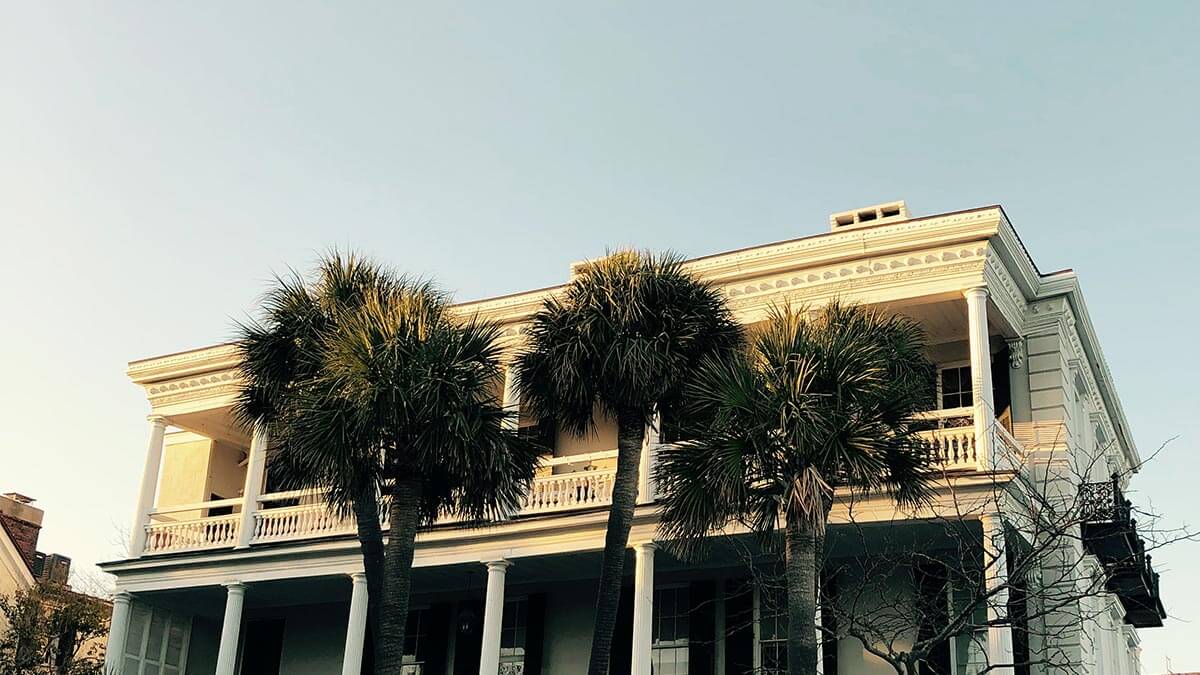
Charleston, SC is an excellent place to live if you value a coastal lifestyle, rich history, and a world-class culinary scene, the city ranks among the best places to live in South Carolina and across the United States according to Livability’s 2026 Charleston ranking. Living in Charleston SC means a cost of living roughly 10% above the national average, an average home value of $589,607, and real hurricane and flood risk that every buyer and renter needs to factor into their decision.
| At a Glance | Figure |
|---|---|
| City population | ~160,000 |
| Metro population | ~800,000 |
| Median household income | ~$94,000 |
| Average home value | $589,607 |
| Cost of living vs. national avg. | ~10% above |
Charleston draws young professionals with a job market that posted 4.1% growth in 2025, families with highly rated public schools, and retirees with tax-friendly state income rules and mild winters. The trade-offs are real: summer heat and humidity, chronic flooding on the Peninsula, and housing costs that push many residents toward outer suburbs. This guide covers the pros and cons of living in Charleston, cost of living in Charleston SC, neighborhood safety and crime data, the job market, weather, and a clear verdict on who Charleston suits best.
Table of contents
- Pros and Cons of Living in Charleston
- Cost of Living in Charleston SC
- Is Charleston SC Safe?
- Best Neighborhoods in Charleston SC
- Charleston Job Market and Economy
- Why Are People Moving Out of Charleston?
- Charleston Weather and Outdoor Activities
- Charleston Schools and Quality of Life
- Who Should Consider Moving to Charleston?
- Explore Living in South Carolina by City
- Frequently Asked Questions
Selling Your Home to Move to Charleston? Get competing cash offers and close in 7 to 30 days, on your timeline.
No agent fees, no repairs, no waiting.
Pros and Cons of Living in Charleston
Charleston consistently earns its reputation as one of the most desirable cities in the Southeast, but understanding the full picture makes for a smarter relocation decision. The table below captures the core trade-offs most residents weigh when evaluating the pros and cons of living in Charleston.
| Pros of Living in Charleston | Cons of Living in Charleston |
|---|---|
| Beach access: Folly Beach, Isle of Palms, Sullivan’s Island | Housing costs 10% above the national average |
| World-class Lowcountry culinary scene, celebrated globally | Exceptionally hot and humid summers |
| Historic architecture, cobblestone streets, Rainbow Row | Hurricane vulnerability and flooding risk |
| 4.1% job growth in 2025, ranked No. 6 nationally | Rising homeowner insurance premiums |
| Mild winters enabling year-round outdoor recreation | Severe rush-hour traffic and limited public transit |
| Low South Carolina property taxes | Seasonal tourist crowding on weekends |
| Vibrant arts festivals and cultural calendar | Rising sea levels and tidal flooding |
| “Silicon Harbor” tech sector momentum | Seasonal allergy pressure from high pollen counts |
| Strong higher-education ecosystem | Limited transit options outside the Peninsula |
| Welcoming, tight-knit community feel | Higher prices than the SC state average |
| Lowcountry waterways and natural parks nearby | $589,607 average home value strains first-time buyers |
Based on extraspace.com March 2026 city guide, Livability 2026 rankings, and garrisoncharleston.com data. Verify current figures before transacting.
The short answer is yes: Charleston is a genuinely good place to live for most buyer profiles, but the financial and climate trade-offs are real and the decision deserves honest numbers, which the rest of this guide provides.
Cost of Living in Charleston SC
The cost of living in Charleston SC runs roughly 10% above the national average, according to extraspace.com’s March 2026 city guide. That premium shows up most sharply in housing, but groceries, dining, and services all run higher than in other South Carolina cities. The median household income of approximately $94,000 partially offsets that premium for professional households, but moderate-income earners and first-time buyers feel the gap acutely.
For a broader comparison of how Charleston’s cost profile stacks up across the state, see the guide on living in South Carolina.
Housing Costs in Charleston
Charleston sc real estate is the primary driver of elevated costs in the metro. The average home value sits at $589,607, placing it among the pricier markets in the Southeast. Housing affordability data for the Charleston region from Charleston Housing News describes housing as a “critical challenge,” with demand consistently outpacing supply in the most desirable zones.
Condos and townhomes on the Peninsula carry a further premium above the metro average. Sellers planning to relocate should also review the South Carolina seller closing costs breakdown, which covers transfer taxes, title fees, and commission structures that affect total transaction cost.
Rising homeowner insurance premiums are compounding the picture for coastal buyers. Properties in flood-designated zones face mandatory flood insurance on top of standard coverage, which can add $2,000 to $5,000 or more annually to carrying costs.
Everyday Expenses and Transportation
Outside of housing, everyday costs in Charleston track above state averages but are not dramatically out of line with comparable coastal cities. Dining along King Street Charleston runs notably more expensive than in Columbia or Greenville. Utilities climb sharply during the humid summer months, when air conditioning runs continuously.
Transportation costs lean toward car ownership. Public transit in the Charleston metro is limited outside the downtown Peninsula, so most residents budget for at least one vehicle, adding fuel, insurance, and parking to the monthly expense picture.
Charleston vs. Other South Carolina Cities
| City | Cost of Living Index | Median Home Price | Median Rent (1BR, approx.) |
|---|---|---|---|
| Charleston | ~110 (10% above national avg.) | $589,607 | ~$1,800/mo |
| Columbia | ~95 (5% below national avg.) | ~$230,000 | ~$1,200/mo |
| Greenville | ~97 (3% below national avg.) | ~$320,000 | ~$1,350/mo |
Based on extraspace.com March 2026 data and regional market reports. Verify current figures before transacting.
The south carolina cost of living comparison makes clear why families priced out of Charleston proper are relocating to Summerville, Goose Creek, and Moncks Corner, where newer construction and lower price points offer considerably more space per dollar.
Is Charleston SC Safe?
Charleston is generally a safe city, particularly in its most-visited areas. Anyone asking is charleston sc safe as part of a relocation decision will find the city’s trajectory encouraging, though neighborhood choice matters significantly.
Charleston Crime Rate: 2024 to 2026 Data
The charleston crime rate improved meaningfully in recent years. Overall crime dropped 10.7% in 2024, and violent crime decreased 5.7% over the same period. According to violent crime rate data for Charleston from LegalClarity, the city’s violent crime rate sits at approximately 375 per 100,000 residents, compared to the national average of roughly 364 per 100,000. That gap is narrow, and the downward trend provides meaningful context for buyers and renters evaluating is charleston sc safe as a primary relocation factor.
Pockets of higher risk remain, primarily in North Charleston and parts of the Eastside. The neighborhood section below addresses each area directly.
Is It Safe to Walk Around Charleston at Night?
Walking in Charleston’s main tourist corridors at night is generally safe. The following areas consistently register as well-lit, actively patrolled, and low-risk for evening pedestrian activity:
- King Street from Calhoun to Broad, including the Upper King entertainment district
- East Bay Street along the waterfront
- The Market and Broad Street area in the heart of the historic district charleston
- The French Quarter, particularly around the City Market
- South of Broad, a quiet residential neighborhood with low foot-traffic crime
Upper King Street is pedestrianized on weekends, creating a dense, crowd-filled environment that keeps risk minimal. Isolated, poorly lit blocks off the main corridors carry greater risk, as in any city. Staying on the Peninsula’s primary streets keeps most visitors and residents well within the low-risk zone.
Safest Areas and Neighborhoods in Charleston
The Historic District, South of Broad, and the French Quarter consistently register as the safest zones on the Peninsula. Mount Pleasant SC is generally regarded as safer than the Peninsula on comparable metrics. West Ashley and James Island fall in the middle range for the metro.
Areas with Higher Crime Rates
North Charleston carries the highest crime concentrations in the metro area. Specific pockets of the Eastside, north of the I-26 corridor on the Peninsula, also register above the city average. Checking the Charleston Police Department’s published crime map for a specific address before signing a lease or purchase contract is a practical step that takes only a few minutes.
Best Neighborhoods in Charleston SC
Charleston sc neighborhoods range from dense, walkable urban blocks on the Peninsula to sprawling suburban communities across the bridges. Neighborhood ratings and school grades from Niche give each area a composite score based on schools, safety, amenities, and affordability. Understanding the distinct character of each charleston sc neighborhoods zone makes the relocation decision considerably clearer.
Historic District and the Peninsula
The historic district charleston is the city’s most iconic zone: cobblestone streets, Rainbow Row, antebellum architecture, and walkable access to king street charleston’s dining, shopping, and nightlife. Home prices here rank among the highest in the metro, with historic row homes and condos regularly exceeding the $589,607 city average. This area suits buyers and renters who want the full Charleston experience and can absorb a significant premium. Flood risk on the low-lying portions of the Peninsula requires careful due diligence on any specific property.
Mount Pleasant SC
Mount Pleasant SC is the most popular family suburb in the Charleston metro. It sits across the Arthur Ravenel Jr. Bridge from the Peninsula with easy access to Sullivan’s Island and a consistent reputation for lower crime rates and strong school performance. Median home prices in mount pleasant sc run above the metro average, but the trade-off is more space, newer construction, and less flood exposure than downtown. It is the top destination for families relocating from higher-cost metros.
West Ashley
West Ashley sits west of the Ashley River and offers the most accessible suburban lifestyle for Peninsula commuters. Price points are generally lower than both the Peninsula and Mount Pleasant, making it a popular entry point for first-time buyers. The area is family-friendly with good park access, though bridge traffic into downtown is a consistent daily friction point.
James Island and Folly Beach
James Island and folly beach attract residents who prioritize beach access and a relaxed pace. Folly Beach, known locally as “The Edge of America,” offers a laid-back surf-town atmosphere with a mix of rentals and year-round residences. Both areas carry significant flood zone exposure. Buyers should verify FEMA flood zone designation before purchasing in either community. The demographic here skews younger, with a mix of renters and early-career homeowners.
North Charleston
North Charleston is the most affordable area in the metro. It hosts Boeing’s assembly facility and several major logistics and distribution operations, making it the practical choice for workers in aerospace and supply chain roles. Median home prices run well below the Charleston city average. Higher crime in specific pockets and a more industrial character in parts of the city are the primary trade-offs for buyers drawn to the affordability.
Charleston Job Market and Economy
Charleston ranked No. 6 in the nation for job growth in 2025, posting a 4.1% increase year over year. The city has cultivated a “Silicon Harbor” identity through deliberate tech-sector investment, and its aerospace, healthcare, and logistics industries provide employment across a wide range of experience levels.
Top Industries: Tech, Aerospace, and Healthcare
According to South Carolina business and economic data from SC Biz News, Charleston’s fastest-growing sectors include:
- Technology, the Silicon Harbor cluster includes software, cybersecurity, and digital health firms tied to the port and defense economy
- Aerospace, Boeing’s North Charleston facility is one of the largest private employers in the state
- Healthcare and life sciences, hospital networks and biotech firms are expanding rapidly across the metro
- Defense and logistics, the Port of Charleston is one of the busiest on the East Coast, supporting significant supply chain employment
- Tourism and hospitality, a consistent base of retail and service employment year-round
The charleston job market outperforms most comparable Southeast metros, and sector diversity reduces dependence on any single employer or industry cycle.
Major Employers in Charleston SC
- Boeing (aerospace manufacturing, North Charleston)
- Roper St. Francis Healthcare (regional health system)
- Medical University of South Carolina (MUSC)
- Mercedes-Benz Vans (North Charleston assembly)
- Bosch Automotive (manufacturing)
- Walmart (distribution and retail)
- Joint Base Charleston (military and defense)
Wages and Median Household Income
The median household income in Charleston is approximately $94,000, reflecting the city’s concentration of professional, technical, and healthcare roles. The demographic and economic profile of Charleston via DataUSA provides a granular breakdown by occupation and income tier for readers evaluating specific career paths against the city’s cost of living.
Why Are People Moving Out of Charleston?
Charleston remains a net-inbound city, meaning more people arrive each year than leave. A meaningful portion of residents are relocating to outer suburbs, though, and the reasons are financially specific rather than lifestyle-driven.
Rising Housing Costs and Affordability
The charleston housing market has outpaced income growth for most of the past decade. At $589,607 for an average home, ownership has moved out of reach for many moderate-income households. Families are relocating to Summerville, Goose Creek, and Moncks Corner, where newer construction offers more square footage at price points $150,000 to $250,000 below comparable Charleston options. Average rents have also climbed to levels that strain households earning below the median.
Residents who are moving out and need to sell their property first can explore their full range of options through the guide on selling in Charleston.
Flood Risk and Rising Insurance Premiums
Charleston flooding is not a seasonal inconvenience. The Peninsula experiences regular tidal flooding events independent of named storms, and the frequency has increased alongside rising sea levels. Homeowners in designated flood zones carry mandatory flood insurance, adding thousands of dollars per year to ownership costs. Insurance premiums across the coastal market have risen substantially, with some homeowners reporting increases of 30% to 60% over a three-to-five-year period.
This financial pressure, especially for fixed-income households and first-time buyers, is one of the primary drivers of outmigration to inland communities.
Traffic Congestion and Sprawl
Rapid population growth has strained road infrastructure across the metro. The bridges connecting the Peninsula to Mount Pleasant and West Ashley are consistent bottlenecks during morning and evening commute windows. Limited public transit means there is effectively no commuter alternative for most workers, making long commutes a daily quality-of-life factor for many households.
Charleston Weather and Outdoor Activities
Charleston weather follows a subtropical pattern: mild winters, hot and humid summers, and a hurricane season running June through November. For most residents, the mild-winter advantage outweighs the summer challenge, though the heat and humidity require genuine acclimatization for transplants from northern states.
Summer Heat and Humidity
Summer in Charleston means average highs above 90°F from June through September, paired with humidity that pushes heat index values regularly to 100°F to 105°F. Air conditioning is non-negotiable. Outdoor activity during peak summer hours requires planning and realistic expectations. Mornings and evenings from late April through early June and again in October represent some of the best outdoor conditions in the entire Southeast.
Hurricane and Flood Risk
Charleston flooding encompasses two distinct risks: acute hurricane surge during named storms, and chronic tidal flooding driven by sea level rise. NOAA coastal flood zone data for South Carolina identifies large portions of the Peninsula and barrier islands as high-risk flood zones. Buyers should check FEMA flood zone maps for any specific property before making an offer.
The Peninsula’s elevation averages 6 to 10 feet above sea level, which sounds sufficient until a major storm pushes a 10-to-15-foot surge. The trend toward more frequent nuisance flooding, even without named storms, is a long-term factor affecting both property values and insurance costs across the metro.
Beaches, Boating, and Year-Round Outdoor Life
The outdoor lifestyle is one of Charleston’s most genuine selling points. Folly Beach, Isle of Palms, and Sullivan’s Island are all within a 20-to-40-minute drive from downtown. Boating on the Intracoastal Waterway, deep-sea fishing off the coast, and kayaking through Lowcountry marshes are year-round pursuits for most residents. Winter months bring comfortable temperatures for cycling, golf, and hiking in Francis Marion National Forest. The region’s natural assets are legitimately exceptional for anyone who prioritizes outdoor access as a quality-of-life baseline.
Charleston Schools and Quality of Life
Public Schools in Charleston County
Charleston County School District (CCSD) serves the entire metro with significant variation in school quality by zone. The district includes several nationally recognized magnet and charter programs. Charleston schools overall rate in the B to B+ range on Niche, with schools in Mount Pleasant and specific CCSD magnets generally outperforming district averages. Families who prioritize school quality tend to cluster in Mount Pleasant or pursue CCSD magnet enrollment from elsewhere in the county. Charleston schools are a consistent draw for families comparing the metro to other Southeast markets.
Arts, Dining, and Cultural Scene
Charleston’s Lowcountry culinary identity is globally recognized. The restaurant scene spans she-crab soup and Lowcountry boil to modern fine dining from James Beard-nominated chefs. Spoleto Festival USA, MOJA Arts Festival, and the Charleston Wine and Food Festival anchor a packed annual cultural calendar. The arts district along upper King Street has expanded considerably, with galleries, live music venues, and independent retailers enriching the city’s creative texture.
Demographics: According to U.S. Census Bureau QuickFacts for Charleston, the city’s population is approximately 73.7% White, 15.8% Black or African American, 6.06% Hispanic, and 2.0% Asian. The downtown Historic District skews less diverse than North Charleston, which has a higher Black and Hispanic population share. The metro as a whole has grown more diverse alongside rapid population growth over the past decade.
Who Should Consider Moving to Charleston?
Moving to Charleston SC suits multiple audiences, but the fit depends heavily on your budget, career stage, and risk tolerance. Here is how Charleston stacks up for each primary group, with data-anchored verdicts rather than general impressions.
Is Charleston Good for Young Professionals?
Charleston is an excellent choice for young professionals who want career momentum in a city with genuine lifestyle appeal. The 4.1% job growth and Silicon Harbor tech positioning make the charleston job market one of the strongest in the Southeast for tech, healthcare, and defense careers. King Street Charleston and the surrounding Peninsula offer nightlife, dining, and a social scene that rivals much larger cities. Housing is the main friction: at $589,607, buying early in a career is difficult, though the rental market provides lifestyle access without ownership pressure.
Key considerations for young professionals: – 4.1% job growth in 2025, ranked No. 6 nationally – Tech, aerospace, healthcare, and defense roles all expanding – Vibrant King Street nightlife and dining scene – Median household income of ~$94,000 reflects professional wage levels – Renting short-term is common while building toward ownership
Is Charleston Good for Families?
Charleston is a solid choice for families, with the best outcomes concentrated in specific suburbs rather than the city proper. Mount Pleasant SC is the top family community in the metro: strong charleston schools, lower crime relative to the city average, newer construction, and beach access via Sullivan’s Island. West Ashley offers a more affordable family alternative. The main cautions are the housing premium relative to other best places to live south carolina (Greenville and Columbia both offer comparable school quality at lower cost) and the flood zone risk inherent to a coastal county.
Key considerations for families: – Charleston County School District magnet programs are nationally recognized – Mount Pleasant is the top-rated family suburb by most metrics – County parks and outdoor recreation options are plentiful – Housing premium is the primary challenge vs. inland SC alternatives – Flood zone risk requires careful property-level due diligence before buying
Is Charleston Good for Retirees?
Charleston is a strong choice for retirees who prioritize a walkable, culturally rich environment with mild winters. South Carolina does not tax Social Security income, and the state provides deductions on other retirement income, making the south carolina cost of living calculation more favorable for fixed-income households than the headline figure suggests. The mild winters and coastal pace are consistent draws. Rising homeowner insurance premiums in flood zones and the general housing premium create real financial risk for retirees purchasing near the water on a fixed income.
Key considerations for retirees: – South Carolina does not tax Social Security income – Retirement income deductions available under SC state tax code – Walkable Historic District and mild winters suit an active retirement – Arts, dining, and cultural calendar provide year-round engagement – Rising flood insurance costs require careful budget planning for coastal properties
If you’ve decided Charleston is the right move and need to sell your current home first, the timing gap between listing and closing can stall your relocation plans. iBuyer.com connects you with multiple vetted cash buyers who compete for your home, so you get real offers to compare rather than a single take-it-or-leave-it number. No agent commissions, no repair contingencies, and a closing timeline you control, typically 7 to 30 days. See exactly how the process works in the guide to sell your house fast in Charleston.
Explore Living in South Carolina by City
Charleston is one of South Carolina’s most distinctive cities, but the state offers a wide range of communities worth comparing. See the full South Carolina guide below.
Selling Your Home to Move to Charleston? Get competing cash offers and close in 7 to 30 days, on your timeline.
No agent fees, no repairs, no waiting.
Frequently Asked Questions
Charleston, SC is a good place to live, consistently ranking among the best cities in the U.S. for coastal lifestyle, dining, and job growth. The city offers easy beach access, a nationally recognized culinary scene, and a job market that posted 4.1% growth in 2025. Trade-offs include a cost of living about 10% above the national average and real flood and hurricane risk.
The main pros of living in Charleston are beaches, world-class dining, historic charm, a strong job market, and mild winters; the main cons are high housing costs, summer heat and humidity, flooding risk, and traffic. Housing averages $589,607, significantly above the South Carolina state median. Insurance premiums are rising for coastal homeowners, though Charleston remains a net-growth city overall.
Charleston is generally safe, particularly in the Historic District, King Street corridor, French Quarter, and South of Broad, where overall crime dropped 10.7% in 2024. Violent crime decreased 5.7% in 2024 as well. The city’s violent crime rate of 375 per 100,000 sits near the national average of roughly 364 per 100,000, and neighborhood choice matters significantly.
Walking in Charleston’s main tourist corridors at night is generally safe, especially on King Street, East Bay Street, and the Market/Broad area, which are well-lit and actively patrolled. The city pedestrianizes Upper King Street on weekends, creating a crowd-filled, safe environment for evening activity. Isolated, poorly lit blocks off the main corridors carry greater risk, as in any city.
The cost of living in Charleston, SC is roughly 10% above the national average, driven primarily by housing, which averages $589,607 for a home purchase. The median household income of approximately $94,000 partially offsets that premium. South Carolina’s relatively low property taxes soften ongoing ownership costs, though groceries and dining are also elevated compared to other SC cities.
The average home value in Charleston, SC is approximately $589,607 as of 2025 to 2026, making it significantly more expensive than the South Carolina state average. Rapid population growth has kept demand high and supply constrained. Families priced out of Charleston proper are relocating to Summerville, Goose Creek, and Moncks Corner for lower price points.
The best neighborhoods in Charleston depend on your priorities: the Historic District and Peninsula for walkability, Mount Pleasant for families, and West Ashley for relative affordability. Folly Beach and James Island attract residents who prioritize beach proximity, though both carry flood zone considerations. North Charleston offers the lowest price points but has higher crime in specific pockets.
Charleston’s job market is one of the strongest in the Southeast, ranking No. 6 in the U.S. in 2025 with 4.1% year-over-year growth. The city’s Silicon Harbor tech positioning, aerospace presence led by Boeing, and growing life sciences and healthcare sectors drive ongoing demand. The median household income of roughly $94,000 reflects the market’s overall strength.
The primary reasons people are moving out of Charleston are rising housing costs, escalating homeowner insurance premiums, and frequent flooding that disrupts daily life. Families are relocating to Summerville, Goose Creek, and Moncks Corner for more space at lower prices. Charleston remains a net-inbound city overall, but affordability pressure is pushing a meaningful share of residents to outer suburbs.
Charleston has mild winters and hot, humid summers, with average highs exceeding 90°F from June through September and a hurricane season running June through November. The mild winter months allow year-round outdoor activity including boating, golf, and beach access. Rising sea levels are increasing the frequency of tidal flooding events even outside hurricane season.
Yes, Charleston floods regularly, facing tidal flooding, storm surge from hurricanes, and accelerating nuisance flooding driven by rising sea levels, particularly on the Peninsula. NOAA data identifies significant portions of the Charleston metro as high-risk flood zones. Buyers should check FEMA flood zone maps before purchasing any low-lying property in the area.
Charleston’s population is approximately 73.7% White, 15.8% Black or African American, 6.06% Hispanic, and 2.0% Asian, according to U.S. Census Bureau QuickFacts. The downtown Historic District skews less diverse than North Charleston, which carries a higher Black and Hispanic population share. The metro as a whole has grown more diverse alongside rapid population growth over the past decade.
Charleston is a strong choice for retirees because South Carolina does not tax Social Security income and offers deductions on other retirement income. The mild winters, walkable Historic District, and coastal pace are consistent draws. Rising homeowner insurance costs in flood zones are the primary financial caution for fixed-income buyers.
Before moving to Charleston, understand the flood risk in your specific neighborhood, confirm your insurance budget, and plan around an average home value of $589,607. Traffic during peak commute hours is consistently cited as one of the most underestimated lifestyle friction points. Summer heat and humidity require acclimatization for transplants from northern states, and a vehicle is effectively required outside the downtown Peninsula.

Reilly Dzurick is a licensed real estate agent with over six years of experience and a member of the iBuyer.com Market Insights Team, covering national trends in home selling and the evolving iBuyer landscape. Her firsthand experience working with buyers and sellers gives her a practical perspective on how these platforms impact real homeowners. She holds a degree in Public Relations, Advertising, and Applied Communication.