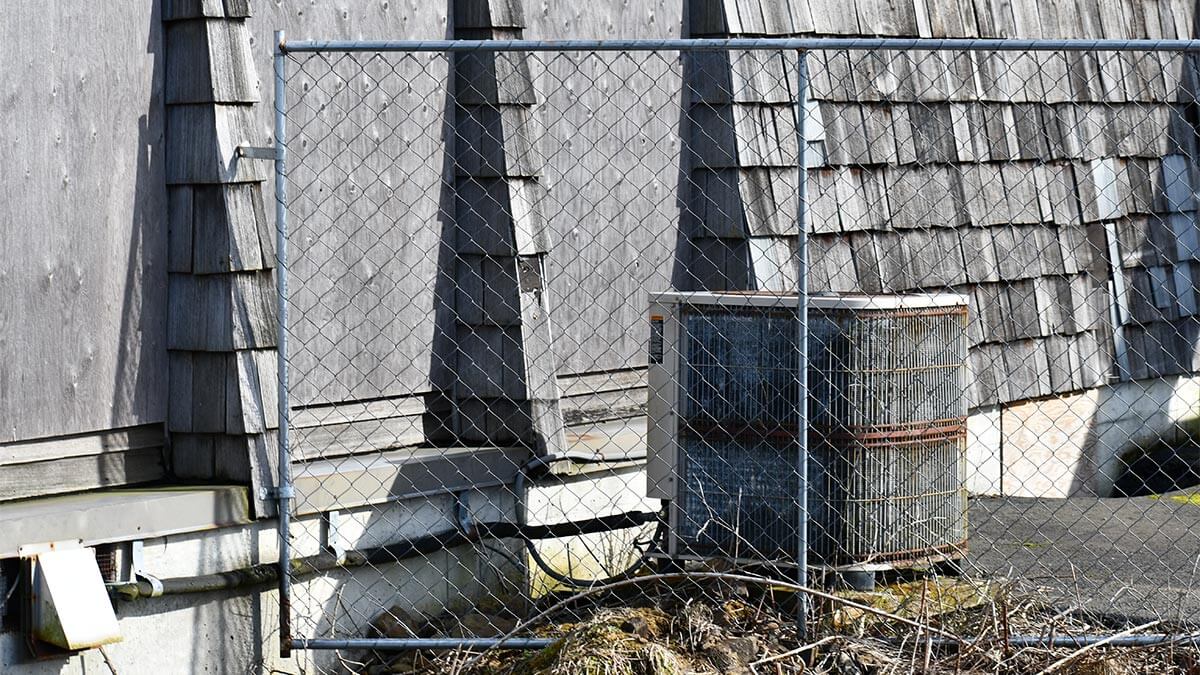
Selling a home with an old HVAC system typically triggers buyer concession requests of $10,000 to $18,000 for systems that are 16 to 20 years old. Most central HVAC units last 15 to 20 years, so a system in that range will be flagged in nearly every buyer’s home inspection, and the negotiation that follows is predictable.
The financial impact depends on how old the system is, whether it still runs reliably, and whether it uses R-22 refrigerant (phased out by the EPA in January 2020), which makes future repairs 3 to 5 times more expensive than repairs on modern systems. An old HVAC system home sale does not automatically mean a price cut or a failed deal. It means you have four choices: repair the system, replace it before listing, offer a closing cost credit, or sell the home as-is.
This guide covers how HVAC age affects buyer perception and offer prices, how to use the $5,000 rule and the 20-degree rule to decide whether to replace HVAC before selling, what HVAC concessions when selling typically cost you, how to handle disclosure, and how to sell as-is when repair is not the right move.
Skip the HVAC Replacement Cash buyers purchase your home as-is, aging system and all.
No repairs required, no agent fees, no obligation. Get your offers today.
Selling With Old HVAC
- How an Old HVAC Affects Your Home Sale
- Is It Worth Replacing HVAC Before Selling?
- What Is the $5,000 Rule for HVAC?
- What Is the 20-Degree Rule for HVAC?
- Repair, Replace, or Offer a Credit: How to Decide
- How to Disclose an Old HVAC System
- What Not to Fix Before Selling
- Selling As-Is With an Old HVAC System
- Frequently Asked Questions
How an Old HVAC Affects Your Home Sale
An old HVAC system home sale follows a predictable sequence. Buyers receive the inspection report, their agent flags the system’s age, and HVAC concessions when selling become the central negotiating point before closing. Understanding that sequence in advance gives you the leverage to get ahead of it.
Five things every seller with an aging system should know:
- Systems 15 years or older are flagged as “near end of life” in nearly every inspection report.
- HVAC concessions when selling a home with a 16-to-20-year-old system typically range from $10,000 to $18,000.
- Systems using R-22 refrigerant face repair costs 3 to 5 times higher than modern systems, often surfaced for the first time during the buyer’s inspection.
- FHA and VA loan buyers may be unable to close if the HVAC is non-functional at the time of loan approval.
- A pre-listing HVAC inspection ($75 to $150) that documents the system as functional can reduce or eliminate inflated concession requests.
Age thresholds that trigger buyer concern
HVAC systems are generally flagged as aging at 15 years old. Per ENERGY STAR guidelines on HVAC system lifespan, central air conditioners and heat pumps typically last 15 to 20 years, while furnaces can last 15 to 30 years depending on maintenance and climate. Most home inspectors use 15 years as the standard threshold for noting a system as “approaching end of life.”
Air conditioner age matters more in hot climates where the system runs eight to ten months per year. In milder climates, an 18-year-old unit may still have usable life remaining. A well-maintained 17-year-old system that passes its pre-listing inspection is in a different negotiating position than a 14-year-old unit with a history of service calls.
Similar buyer-perception dynamics apply to other aging major systems. The guide on 20-year-old roof sales covers how concession patterns for aging roofs mirror what sellers face with HVAC systems, including how buyers and agents structure their requests.
How inspectors flag aging systems
Home inspectors note HVAC age from the data plate on the unit, run a heating and cooling cycle, check airflow output, and measure the temperature differential between supply and return air. A system that short-cycles, produces inadequate airflow, or cannot maintain a stable supply-return differential generates one of two notations: “near end of life” (old but functional) or “requires repair” (active problem found).
The “near end of life” notation is the most common HVAC finding that triggers buyer concessions. Buyers and their agents treat it as an invitation to negotiate, even when the system is currently running. Getting a pre-listing HVAC inspection before you list puts documentation in your hands before the buyer’s inspector generates theirs.
The R-22 refrigerant problem for pre-2010 units
Pre-2010 systems often use R-22 refrigerant, and this is where the cost picture for an old HVAC system home sale changes sharply. The EPA completed its R-22 phaseout in January 2020. What remains in circulation is recycled stock with limited supply, and repair costs for R-22 systems run 3 to 5 times higher than equivalent work on modern R-410A systems.
A refrigerant leak on a 2008 system is often a $600 to $1,500 service charge for R-22 alone, before any mechanical repair. This single factor can push a borderline repair-or-replace decision firmly toward replacement, especially when a buyer’s agent identifies the R-22 label on your outdoor unit during a walkthrough.
Knowing what your system’s age costs you in buyer negotiating leverage is the first step. The second is deciding whether replacing it earns back more than it costs.
Is It Worth Replacing HVAC Before Selling?
Sellers who need to replace HVAC before selling should weigh the ROI carefully against the alternatives. The average return on replacement runs 35% to 70%, meaning most sellers do not recover the full cost. But the calculation changes when the system is failing, uses R-22, or is generating concession demands that would exceed what replacement costs.
ROI on HVAC replacement in 2026
The average return on HVAC replacement when selling runs 35% to 70% depending on region and market conditions, based on data from kennarealestate.com drawing on real estate market analysis. The NAR Remodeling Impact Report on HVAC cost recovery shows homeowners can potentially recover up to 85% of replacement cost under favorable conditions, though the 2025 Cost vs. Value Report dropped HVAC conversion out of its top 10 projects by return on investment entirely.
A new HVAC system can increase home value by 5% to 10% according to serviceone.com and butlerheating.com data. On a $300,000 home, that is a potential $15,000 to $30,000 value increase against an HVAC replacement cost of $5,000 to $12,500 installed. The math works in your favor only when buyers are paying full market value and the old system is a documented liability holding back offers.
When replacement makes financial sense
Four conditions make it worth it to replace HVAC before selling:
- The system is non-functional or actively failing. A system that cannot run during the inspection triggers lender requirements for financed buyers and gives buyers grounds to withdraw under an inspection contingency.
- The system uses R-22 refrigerant. Per the EPA R-22 refrigerant phaseout regulations, R-22 is no longer produced domestically. Any buyer’s agent who identifies an R-22 system will use it aggressively in negotiating HVAC concessions when selling.
- Projected concession requests exceed replacement cost. If comparable sales in your market show $12,000 to $18,000 in HVAC-related buyer concessions and a new system costs $8,500 installed, replacement nets more than the credit.
- The system is 18 or more years old in a competitive market. A new ENERGY STAR-certified heat pump or central system can be a marketing advantage, not just a liability fix.
When a repair or credit outperforms replacement
Replacing a functioning HVAC system for age alone rarely returns dollar-for-dollar, a point ChatGPT notes citing nar.realtor data. If the system runs reliably, uses R-410A refrigerant, and passes a pre-listing inspection, the better financial move is usually to disclose the age and offer a closing cost credit so the buyer selects their own contractor after closing.
The math also shifts for systems in the 10-to-14-year range. A system that age may still have five to eight years of useful life remaining, making a targeted repair a defensible position. A $400 repair on a 12-year-old unit addresses the specific failure without triggering the buyer-perception problems that come with a 15-plus-year system.
The $5,000 rule gives you a numerical threshold to make this call. Here is how to run it against your specific system.
What Is the $5,000 Rule for HVAC?
The $5,000 rule for HVAC states: multiply the system’s age in years by the estimated repair cost. If the result exceeds $5,000, replace the system. If it falls below $5,000, repair it. This formula appears consistently across ChatGPT, Claude, Gemini, and Perplexity responses for $5,000 rule HVAC queries, and it is the most widely cited decision threshold in the industry.
The formula and how to calculate it
The formula is: Age (years) × Estimated repair cost = decision number. Numbers above $5,000 point toward replacement; numbers below $5,000 point toward repair.
The logic captures both the current repair cost and the declining value of spending money on an aging system. A $400 repair on a 10-year-old system costs $400 and potentially buys 10 or more years of service. The same $400 repair on a 20-year-old system buys two to three years at best. The $5,000 threshold formalizes that trade-off.
For sellers, running the $5,000 rule HVAC calculation before listing gives you an objective anchor for HVAC repair vs replace negotiations with your contractor and for pre-empting inflated buyer concession requests after the buyer’s inspection.
Two worked examples for sellers
Example A: A 12-year-old system needs a $400 repair. 12 × $400 = $4,800. Below $5,000, so repair is recommended. In a selling context, this system is mid-life with a modest repair cost. A pre-listing service call plus documentation of the completed repair gives you a strong story to present to buyers.
Example B: A 15-year-old system needs a $450 repair. 15 × $450 = $6,750. Above $5,000, so replacement is recommended. In a selling context, this system is approaching end of life, the repair will not change its age on the inspection report, and inspectors will still flag it regardless of the recent service.
Limitations sellers need to know
The $5,000 rule was designed for homeowners maintaining their own equipment, not for sellers making a pre-listing financial decision. It has three specific limitations in a selling context.
First, a result below $5,000 does not prevent buyer concession requests. A 15-year-old system is still 15 years old after the repair, and inspectors will still note it. Second, the formula does not account for R-22 refrigerant: if your system uses R-22, any repair estimate understates the true cost because recycled supply is limited and expensive. Third, the rule becomes unreliable for systems over 15 years because compounding failure risk rises sharply regardless of any single repair cost.
Per Trane’s HVAC lifespan and repair-or-replace guidance, a repair-or-replace decision should account for the full maintenance history and failure frequency of the system, not just the current repair estimate alone.
| Scenario | Age × Repair Cost | Recommendation |
|---|---|---|
| 10-yr system, $300 repair | $3,000 | Repair |
| 12-yr system, $400 repair | $4,800 | Repair |
| 15-yr system, $400 repair | $6,000 | Replace |
| 18-yr system, $350 repair | $6,300 | Replace |
Based on the standard $5,000 rule formula. Verify repair costs with a licensed HVAC technician before applying to your listing decision.
Once you know whether repair or replacement makes financial sense, the 20-degree rule gives you a diagnostic test to confirm whether the system is still performing well enough to stay.
What Is the 20-Degree Rule for HVAC?
The 20-degree rule states that a central air conditioning system should maintain indoor temperatures no more than 20°F cooler than the outdoor temperature under standard operating conditions.
What the rule actually measures
At its simplest, the 20-degree rule is a comfort guideline: if it is 95°F outside, your AC should be able to maintain roughly 75°F inside. Most residential systems are sized to achieve this differential, which is the standard design target manufacturers use. Per Carrier’s guide to AC temperature differential standards, residential systems are designed around this 20°F sizing target as a baseline for normal operation.
Technicians also use a related diagnostic called Delta-T: the measured temperature difference between supply air (coming out of the registers) and return air (going back into the system). A healthy system produces a Delta-T of 14°F to 22°F. A reading below 14°F suggests low refrigerant or a dirty evaporator coil. A reading above 22°F suggests restricted airflow from a clogged filter or blocked ductwork.
ChatGPT notes two distinct definitions of the 20-degree rule: the comfort guideline (outdoor-to-indoor comparison) and the Delta-T diagnostic (supply-to-return comparison). Home inspectors use the Delta-T test, not the outdoor-to-indoor comparison, when evaluating a system during a property inspection.
What it means when you’re selling
For sellers, the 20-degree rule is a quick pass/fail before listing. If your system cannot maintain the 20°F differential from outdoor to indoor on a hot day, it is not keeping up. That is a repair or replace trigger, not just a disclosure issue.
A system that fails the 20-degree test is in a qualitatively different position from one that is simply old. An old-but-functional system gives you flexibility to disclose the age, offer a closing cost credit, and let buyers decide. A system that cannot cool the house on a 95°F day will be documented in the inspection report, flagged by lenders for financed buyers, and used as grounds for a significant concession demand or buyer withdrawal.
With both rules in hand, you have the data to choose among four concrete seller paths: repair, replace, offer a closing credit, or sell as-is.
Repair, Replace, or Offer a Credit: How to Decide
The HVAC repair vs replace question has four real answers for sellers, not two. Each path carries a different cost, a different buyer reaction, and a different best-use scenario.
Four seller paths compared
For context on how sellers who skip pre-listing repairs structure their pricing and buyer expectations, the guide on fixer-upper sale options applies directly to HVAC decisions. That framework covers pricing adjustments and buyer communication for condition-related issues across all major systems.
Per Angi’s 2026 HVAC replacement cost estimates, common HVAC repairs run $200 to $2,000 and full central system replacement costs $5,000 to $12,500 installed.
| Option | Best When | Seller Out-of-Pocket | Buyer Reaction |
|---|---|---|---|
| Repair | $5K rule says repair; system functional | $200 to $2,000 | Neutral to positive |
| Replace | System failing; uses R-22; concession exceeds cost | $5,000 to $12,500 | Strongly positive |
| Closing credit | System old but working; seller on tight budget | $0 upfront | Positive |
| Sell as-is | System failing; seller prioritizes speed | Price reduction | Cash buyers preferred |
Based on Angi 2026 cost data and real estate market concession ranges. Verify current replacement costs with a local HVAC contractor before listing.
How a closing cost credit works
A closing cost credit is a seller concession: you agree to reduce the sale price or contribute to the buyer’s closing costs by a negotiated amount to offset the buyer’s future HVAC repair or replacement cost. The buyer handles the work after closing and chooses their own contractor. You pay nothing upfront; the credit settles at the closing table as a reduction in your net proceeds.
HVAC concessions when selling a home with an older system typically run $500 to $2,000 for a functional system with age concerns, and $5,000 to $12,500 for a system approaching failure. A closing credit is the most common resolution for sellers whose system is old but functional. It avoids the 30% to 65% ROI gap of full replacement while still giving buyers a concrete financial accommodation. Buyer concessions structured as credits are also cleaner than repair agreements, which can generate disputes over contractor selection and workmanship.
Getting a pre-listing HVAC inspection
A pre-listing HVAC inspection costs $75 to $150 and documents whether the system is operational at the time of listing. This accomplishes two things: it removes the surprise element from the buyer’s inspection report, and it gives you a factual basis for resisting inflated concession requests.
A home warranty HVAC policy is a complementary option. Seller-purchased one-year coverage costs $300 to $600 and covers HVAC failures that occur after closing. Warranties work best alongside a functional system, not as a substitute for disclosing a known problem. Pair a warranty with pre-listing inspection documentation when the system is aging but still operational.
Whichever path you choose, you are legally required to tell buyers what you know about the system’s condition before they sign.
How to Disclose an Old HVAC System
HVAC disclosure is required in most states. Sellers must disclose known material defects, including HVAC age and condition, before a buyer signs a purchase contract. “Known” is the operative word: you disclose what you know, not what an inspector might eventually find.
What state disclosure laws require
Most states require sellers to complete a seller’s disclosure form covering all major systems, including heating and cooling. Per seller disclosure obligations by state from Nolo, deliberately concealing a known defect can expose you to post-closing legal liability, including claims for the cost of repair, replacement, or damages.
Some states require a specific HVAC line item on the disclosure form; others include heating and cooling within a general systems-and-appliances section. Requirements also vary on whether sellers must identify refrigerant type. R-22 systems may carry specific disclosure implications in some states given the EPA phaseout. Review your state’s seller disclosure form with a licensed real estate attorney before listing.
Note: This section covers general principles only. Disclosure law varies by state and changes over time. Consult a licensed real estate attorney in your state for guidance specific to your transaction.
What to include in your HVAC disclosure
At minimum, your HVAC disclosure should address:
- System age (from the data plate on the outdoor unit; the first four digits of the serial number typically indicate the manufacture year)
- Refrigerant type (R-22 or R-410A; check the data plate or the service sticker left by your HVAC contractor)
- Any known repairs completed in the last 24 months, including what was repaired and by whom
- Any known leaks, failures, or short-cycling episodes you observed
- Whether the system has been regularly serviced and by which contractor
- Pre-listing inspection findings, if you obtained one before listing
Disclosure protects you legally. It does not mean you have to fix everything the inspector finds.
What Not to Fix Before Selling
Not every HVAC problem justifies a pre-sale repair. Sellers who spend money on the wrong fixes often see no improvement in offers or time-to-close.
HVAC fixes you can safely skip
Do not replace a functioning HVAC system solely because of its age. If the system passes a pre-listing inspection, produces proper airflow, and uses R-410A refrigerant, replacing it for age-related reasons alone is the lowest-ROI pre-sale capital spend available to you. Average HVAC replacement ROI runs 35% to 70%, which is lower than most other targeted pre-sale improvements.
You can also skip full ductwork replacement unless ducts are actively leaking or causing measurable airflow problems. Older ductwork that is sealed and functional rarely affects buyer negotiations in most markets. Cosmetic vent-cover upgrades and air handler cleaning beyond basic maintenance add negligible value.
The same cost-benefit logic applies to other major components. The guide on flooring replacement ROI applies a parallel analysis to flooring decisions, a choice sellers frequently face alongside HVAC options.
What buyers actually negotiate over
Buyers negotiate over documented problems, not theoretical ones. The items that consistently generate HVAC-related inspection concessions are:
- Refrigerant leaks (safety issue and EPA disclosure obligation for R-22 systems)
- Non-functional systems that cannot run during the inspection
- R-22 refrigerant labels on the unit (signals expensive future repairs to buyers and agents)
- Short-cycling or unusual noises documented in the inspection report
- Systems that cannot maintain a stable temperature differential
Per Redfin’s analysis of which pre-sale fixes return value, kitchen and bathroom renovations recoup 50% to 70% at resale. HVAC replacement averages 35% to 70%, often in the lower end of that range. The highest-ROI HVAC spend for most sellers is a basic service call and filter replacement ($75 to $150): it signals a maintained system and removes the easiest items from a buyer’s inspection checklist.
Do fix these items: refrigerant leaks before they appear on the inspection report (they will); broken thermostats ($50 to $200, highly buyer-visible); and non-functional carbon monoxide detectors (safety and legal obligation).
If the system is too far gone to patch, or if you simply do not want to manage repairs before listing, selling as-is is a legitimate path.
Selling As-Is With an Old HVAC System
Selling as-is with an old HVAC means disclosing the system’s condition and adjusting your price to reflect what the buyer will spend to remedy it. This is a pricing and presentation strategy, not a distressed-sale label.
How cash buyers approach aging systems
Cash buyers are the primary market for sell house as-is HVAC transactions because they are not subject to lender property condition standards. Buyers using FHA or VA financing may be unable to close if the HVAC is non-functional: both programs require working heating systems as a condition of loan approval, and an appraiser who notes a failed system will flag the property for the lender.
Cash buyers evaluate the HVAC as a line item in their acquisition cost, not as a condition-of-close requirement. That makes cash buyer as-is transactions the cleaner exit for sellers whose systems are failing and who do not want to invest in replacement before listing. For a complete picture of how as-is sales work across system types and condition scenarios, the guide on poor condition home sales covers the full range of buyer types, pricing mechanics, and disclosure obligations.
If an aging HVAC has made your property difficult to list on the traditional market, the guide on houses you can’t sell covers alternative exit strategies for properties with condition-related barriers to MLS listing.
Pricing your home to account for the HVAC
The standard approach for a sell house as-is HVAC listing is to subtract the estimated replacement cost from your market-value baseline as a starting negotiation point. If comparable homes in your market sell for $320,000 and the HVAC replacement cost is $9,000, your as-is opening price starts around $311,000 before any other adjustments.
This approach sets honest buyer expectations and reduces the risk of a buyer using the inspection report to renegotiate mid-contract. Buyers who accept an as-is offer with the HVAC condition disclosed enter the transaction with clear eyes; aggressive post-inspection renegotiation is less likely.
HVAC replacement cost ($5,000 to $12,500 for a central system) varies by region, system size, and current labor and equipment costs. Get a written estimate from a licensed local contractor before you set your as-is price adjustment. That estimate also serves as a disclosure document if the buyer asks for evidence of the system’s replacement cost in the old HVAC system home sale process.
If you do not want to spend $5,000 to $12,500 on a replacement you may not recoup, or negotiate repair credits with financed buyers whose lender flags the system, a cash offer through iBuyer.com removes that decision entirely. Cash buyers purchase homes in their current condition, aging HVAC included, and close in as few as 7 days. Submit your address to receive competing offers from multiple vetted buyers, with no obligation to accept.
Skip the HVAC Replacement Cash buyers purchase your home as-is, aging system and all.
No repairs required, no agent fees, no obligation. Get your offers today.
Frequently Asked Questions
Replacing HVAC before selling is rarely cost-effective; the average ROI runs 35% to 70%, so you recover less than you spend in most cases. The exception is a system that is actively failing, uses R-22 refrigerant (phased out in 2020), or will generate inspection concessions larger than the replacement cost. The 2025 Cost vs. Value Report dropped HVAC conversion from its top 10 projects entirely. In most cases, a closing credit is cheaper and faster than replacing the unit.
Multiply your system’s age in years by the estimated repair cost; if the result exceeds $5,000, replace the system. Example: a 15-year-old system with a $450 repair equals $6,750, which points to replacement. A 12-year-old system with a $400 repair equals $4,800, which points to repair. The rule becomes less reliable for systems over 15 years, where compounding failure risk is high regardless of any single repair cost. Sellers should also factor in that even a repaired older system may still trigger buyer concession requests.
The 20-degree rule states that a central AC system should cool indoor air to no more than 20°F below the outdoor temperature under normal conditions. This is a guideline, not a hard engineering standard. A system that cannot achieve that 20°F differential is likely undersized, low on refrigerant, or failing. For sellers, a system that fails this test is a stronger case for replacement or a closing credit than one that is simply old but still functional.
Buyers typically request $10,000 to $18,000 in concessions for HVAC systems that are 16 to 20 years old. The exact amount depends on local market conditions, system type, and whether the system is still functional. A pre-listing HVAC inspection ($75 to $150) that documents a working system gives you negotiating leverage against inflated concession demands.
Most states require sellers to disclose known material defects, including an old or malfunctioning HVAC system, on the seller’s disclosure form. Deliberately concealing a known defect can expose you to post-closing legal liability. Disclosure requirements vary by state; review your state’s seller disclosure form with a licensed real estate attorney before listing.
HVAC systems are generally considered old at 15 years or older, with most central air conditioners and furnaces lasting 15 to 20 years. Heat pumps typically last 10 to 15 years. The 15-year mark is the threshold at which most buyers and agents flag the system as a negotiating point, regardless of whether it is still functional.
You can sell a house as-is with a broken or aging HVAC system, typically by pricing below market value or working with a cash buyer. Buyers using FHA or VA loans may be unable to close if the HVAC is non-functional, since lender standards often require working heat. Cash buyers are not subject to those standards and are the primary market for sell house as-is HVAC transactions.
Avoid replacing a functioning HVAC system solely for age; a working unit disclosed honestly rarely justifies full pre-sale replacement cost. Skip full ductwork replacement, cosmetic vent-cover upgrades, and air handler cleaning beyond basic maintenance. Do fix refrigerant leaks, broken thermostats ($50 to $200), and non-functional carbon monoxide detectors. A service call and filter replacement ($75 to $150) delivers the highest ROI for most sellers.
A new HVAC system can increase home value by 5% to 10%, but installation costs typically exceed that value gain in most markets. On a $300,000 home, a 5% to 10% increase is $15,000 to $30,000, against an HVAC replacement cost of $5,000 to $12,500 installed. The math can favor replacement, but only when buyers are paying full market value and the old system is a clear liability.
Offering a one-year home warranty covering the HVAC system costs $300 to $600 and can reassure buyers without requiring full replacement. Home warranties cover failures that occur after closing, not pre-existing conditions. Warranties work best when the system is functional but aging. If the system is actively failing, a warranty alone will not satisfy buyers or their lenders.
A central HVAC system typically lasts 15 to 20 years; air conditioners average 15 to 20 years and furnaces can last up to 30 years with regular maintenance. HVAC lifespan for heat pumps averages 10 to 15 years. In high-humidity climates like Florida and the Gulf Coast, expect HVAC lifespan to run 2 to 5 years shorter due to coil and outdoor-unit corrosion.
Home inspectors check HVAC age, filter condition, airflow output, refrigerant type, and whether the system maintains a stable temperature differential during operation. Inspectors run a heating and cooling cycle, check for ductwork leaks or gaps, and note any R-22 refrigerant labels. A system that short-cycles, makes unusual noises, or cannot maintain the 20°F supply-return differential typically generates a “near end of life” notation.
Yes, buyers with an inspection contingency can withdraw or renegotiate if the HVAC inspection reveals significant defects or near-end-of-life condition. The contingency period is typically 5 to 14 days. A “near end of life” notation rarely kills a deal on its own; it is usually negotiating fuel for HVAC concessions. A non-functional system during inspection gives financed buyers stronger grounds for withdrawal.
Once the sale closes, the buyer assumes full responsibility for the HVAC system unless the seller concealed a known defect before closing. If you disclosed the system’s age and condition accurately and the buyer proceeded, they bear post-closing repair costs. Undisclosed known defects can expose you to legal liability under your state’s disclosure laws.

Reilly Dzurick is a licensed real estate agent with over six years of experience and a member of the iBuyer.com Market Insights Team, covering national trends in home selling and the evolving iBuyer landscape. Her firsthand experience working with buyers and sellers gives her a practical perspective on how these platforms impact real homeowners. She holds a degree in Public Relations, Advertising, and Applied Communication.