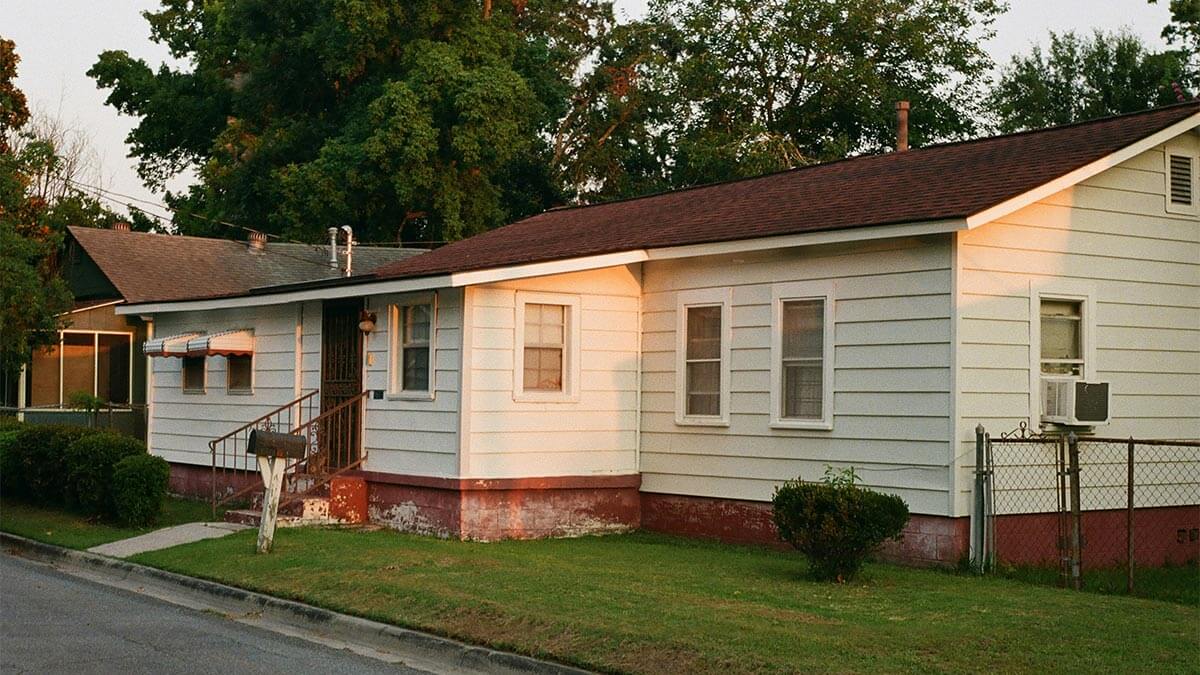
Selling a fixer-upper is harder than selling a move-in-ready home, with a smaller buyer pool and prices averaging 7 to 8% less than comparable renovated properties, but the right strategy closes deals faster than most sellers expect. Cash buyers skip financing requirements entirely and typically close in 7 to 14 days, compared to the 43-day average for a mortgage-contingent sale. On a $300,000 home, total selling costs run $30,000 to $45,000 before any repair concessions, which means the decision to repair or proceed with an as-is home sale has real dollar consequences worth calculating before you list.
Fixer-upper sellers who price to condition, skip unnecessary repairs, and target cash buyers consistently close faster than sellers who list at renovated-home prices and wait for the market to adjust.
This guide covers how to decide between repairing and selling as-is, how to set a fixer-upper price that attracts competing offers, a 7-step process for closing fast, which low-cost improvements pay off, what devalues a house the most, how to find cash buyers, and the full cost breakdown for a 2026 fixer-upper sale.
Fixer-Upper House
- Is it hard to sell a fixer-upper house?
- Repair or sell as-is: how to decide
- How to price a fixer-upper to sell fast
- How to sell a fixer-upper fast: 7 steps
- Low-cost improvements worth making before listing
- What devalues a house the most
- How to find cash buyers for a fixer-upper
- What does it cost to sell a fixer-upper
- Mistakes that slow a fixer-upper sale down
- Frequently Asked Questions
Skip the Repairs, Get Cash Offers Fast Compare multiple vetted cash buyers without fixing a thing
No repairs required, no agent commissions, close in 7 to 30 days
Is it hard to sell a fixer-upper house?
Selling a fixer-upper is harder than a move-in-ready sale, with a smaller buyer pool and prices averaging 7 to 8% lower, but the right strategy closes deals faster than most sellers expect.
According to fixer-upper pricing research from Zillow, homes listed as “fixer-upper” sell for approximately 7.3% less than comparable homes in better condition. Listings using “needs work” or “TLC” language carry a larger discount, averaging around 8% below expected price. Buyers of renovated homes pay about 3.7% above expected price, meaning the spread between a remodeled home and a fixer-upper can reach 10 to 12% in competitive markets.
According to fixer-upper market timing data from Redfin, most traditional lenders won’t finance homes with structural deficiencies. This narrows the buyer pool to cash buyers, investors, and renovation-loan buyers. That narrower pool is a challenge, but it is also a feature: investor and cash buyers move faster and skip the appraisal and inspection contingencies that typically stall financed deals.
Why fixer-uppers attract a smaller buyer pool
Conventional mortgage lenders apply minimum property condition standards. A home with a failing roof, active water intrusion, structural damage, or non-functional plumbing or electrical often fails those standards outright. That eliminates most first-time buyers and traditional buyers who depend on financing. The remaining pool is cash buyers, investors, and buyers using renovation loans like the FHA 203(k), which funds both the purchase price and repair costs together.
Understanding that pool matters for speed. Investors and home flippers have acquisition criteria, budget limits, and return-on-investment targets that shape what they will pay. Pricing and marketing to their criteria, rather than to retail buyers, is the most reliable path to a sub-30-day close.
Where fixer-uppers actually sell faster
Market conditions matter as much as property condition. In Miami, Zillow data captured across AI engine research shows the median fixer-upper went pending 15 fewer days than the median move-in-ready listing, driven by investor demand and lower entry prices. In high-cost markets where even distressed properties attract multiple investor bids, a well-priced fixer-upper generates competing offers within days of listing.
The narrower buyer pool is real. Understanding who those buyers are is the first step toward reaching them quickly.
Repair or sell as-is: how to decide
The most important decision for a fixer-upper seller is not pricing or marketing. It is whether to repair or sell as-is, and that decision has a breakeven point that most sellers never calculate.
For a broader look at options when a home has serious condition issues, see poor condition home sales.
What “as-is” actually means for your price
An as-is home sale means listing and closing the property in its current condition, with no repairs made before settlement. Selling as-is doesn’t mean you skip disclosures. You still disclose all known defects, and buyers accept the condition as part of the agreement.
The tradeoff is real: selling as-is can reduce offers by 20 to 40% below market value depending on condition severity, according to data captured across Claude and Gemini. For a home with cosmetic deficiencies only, that discount might be 5 to 10%. For a home with structural or system failures, it can reach 20 to 40%.
Fixer-uppers typically sell 10 to 20% below comparable move-in-ready homes when marketed without repairs. That gap is the baseline for the repair decision: if the cost to fix a defect is less than the price reduction it causes, fix it. If repair costs more, sell as-is and price accordingly.
Which repairs generate the best ROI
Cosmetic repairs, including fresh neutral paint, carpet cleaning, and landscaping, typically recoup more than their cost in perceived value while adding days rather than weeks to prep time. Full kitchen or bathroom renovations before selling rarely return 100% of their cost in a quick-sale scenario, according to Redfin data cited across competitive research. NAR’s cost-vs.-value data confirms that mid-range refinishes outperform full gut renovations for resale return.
The general rule: fix what affects marketability or financing approval. Skip what requires permits, licensed contractors, or more than two to three weeks of work.
The repair-vs.-as-is decision table
Use this table to map specific defects to the recommended action and estimated price impact:
| Scenario | Repair or Sell As-Is | Estimated Price Impact |
|---|---|---|
| Structural issue: foundation crack | Disclose, sell as-is, price for investor | -10% to -25% |
| Cosmetic issue: outdated paint throughout | Repair (DIY, $1 to $3 per sq ft) | Recoups 100%+ in perceived value |
| Health hazard: confirmed mold | Remediate or disclose with deep price cut | -3% to -10% |
| Minor repair: leaking faucet | Repair (under $200) | Avoids buyer negotiating leverage |
| Major system: HVAC replacement needed | Sell as-is or offer credit at closing | -3% to -7% |
| Curb appeal: dead landscaping | Fix (trim, mulch, power wash, under $200) | Recoups cost; reduces days on market |
| Roof: cosmetic wear only | Disclose, sell as-is | -2% to -5% |
| Roof: active leaks, deck damage | Sell as-is with full disclosure | -5% to -15% |
Sources: Zillow pricing research, NAR cost-vs.-value data, Redfin market analytics, 2026. Verify current repair cost estimates before transacting.
Once you know whether to repair or sell as-is, pricing becomes straightforward. The next section covers how to set a fixer-upper price that attracts the right buyers.
How to price a fixer-upper to sell fast
Fixer-upper price strategy is the single biggest lever you control when you sell a fixer-upper. Overpricing kills speed. Strategic underpricing can generate competing offers from investors who were not specifically searching for distressed properties.
How to run condition-adjusted comps
Pull the three most recent comparable closed sales within one mile of your property. Apply these adjustments to each:
- Subtract the realistic total cost to repair all known defects.
- Subtract an additional 5 to 10% investor margin to signal value to cash buyers and home flippers running their own return calculations.
- Compare the result to the 7.3% fixer-upper discount that Zillow documents for actively-marketed fixer-uppers. Pricing slightly below that threshold attracts buyers who weren’t specifically searching for a distressed property.
Condition-adjusted comps are based on recent closed sales adjusted for condition delta, not on asking prices or renovated-home comparables.
Why strategic underpricing creates competition
Investor buyers have budget ceilings and return-on-investment targets. A price that signals room for their margin attracts multiple bids and prevents the single-lowball scenario common in as-is listings. A price that is too high signals the seller hasn’t accounted for condition, and investor buyers simply don’t bid.
“Price to condition, not emotion” is the most consistent advice across Perplexity, Claude, and Gemini data for this query. A price reduction after days-on-market have accumulated costs more in final proceeds than an aggressive opening fixer-upper price does.
Correct pricing attracts the right buyers. The next section covers the full 7-step process for closing fast.
How to sell a fixer-upper fast: 7 steps
- Step 1: Assess condition and estimate repair costs
Walk every room and photograph every visible defect. Get at least one contractor quote on the largest issues (roof, foundation, HVAC) to establish the realistic cost delta between your home and a move-in-ready comparable. This assessment feeds directly into your repair-vs.-as-is decision and your asking price.
- Step 2: Choose repair vs. as-is using ROI math
If total repair costs exceed 10% of your estimated after-repair value, selling as-is is almost always the faster path. Use the repair-vs.-as-is table earlier in this guide to map each defect to its price impact before committing to a renovation timeline. Deferred maintenance items visible during a walkthrough should almost always be addressed; structural repairs rarely should.
- Step 3: Order a pre-listing inspection
A pre-listing home inspection typically costs $300 to $500 and surfaces deal-killers before a buyer’s inspector finds them mid-contract. It gives you the information to price accurately, disclose confidently, and avoid the post-inspection renegotiation that stalls most fixer-upper deals.
- Step 4: Set a condition-adjusted asking price
Pull the three most recent closed comparable sales within one mile. Subtract your total estimated repair costs, then subtract an additional 5 to 10% investor margin. This signals value to cash buyers and investor buyers without leaving money on the table if the property draws multiple offers.
- Step 5: Clean, declutter, and boost curb appeal
Deep clean the entire property, remove personal items and excess furniture, trim landscaping, and power-wash exterior surfaces. Home staging using existing furniture costs nothing extra. These actions total under $500 and consistently reduce days on market in every fixer-upper seller guide reviewed for this article.
- Step 6: Target cash buyers and investors
List on platforms that surface competing cash offers, contact local real estate investor groups, and consider a cash buyer marketplace to generate multiple bids simultaneously. Renovation-loan buyers using programs like the FHA 203(k) can pay closer to market value but take 30 to 60 days to close. Cash buyers close in as little as 2 weeks.
- Step 7: Disclose everything, then close fast
Provide a complete written seller disclosure before accepting any offer. Proactive disclosure reduces post-inspection walkouts and limits legal exposure. Cash sales typically close 7 to 21 days from accepted offer when all disclosures are complete upfront.
Because correct pricing attracts cash buyers and full disclosure protects against mid-contract fallout, the next question is which low-cost improvements are worth making before you list.
Low-cost improvements worth making before listing
Not every improvement pays off on a fixer-upper sale timeline. The goal is to spend only where an improvement accelerates a sale or prevents a price reduction. Visible deferred maintenance falls in that category. Renovations requiring permits, licensed work, or more than two weeks of prep time almost never return their cost when you need to close fast.
Curb appeal fixes under $500
First impressions affect buyer psychology and listing photos equally. The three highest-return curb appeal moves, each under $200, cited consistently across competitor analysis:
- Landscaping trim, edging, and fresh mulch in planting beds
- Power washing the driveway, walkways, and exterior surfaces
- Exterior light replacement and a clean front door
These three items combined typically cost under $300 and directly affect how listing photos present online, where most buyers form their first impression before scheduling a showing.
Interior quick wins that move the needle
Fresh neutral interior paint is the highest-ROI cosmetic repair across every fixer-upper seller guide reviewed for this article. DIY cost runs $1 to $3 per square foot. A 1,500 square foot home costs $1,500 to $4,500 to repaint and typically returns that cost in faster, stronger opening offers.
Professional carpet cleaning ($150 to $300 for a whole house) outperforms full carpet replacement ($7 to $12 per sq ft) for an as-is home sale because buyers factor replacement into their offers regardless of current condition. For the specific decision on whether to go further, see replace flooring before selling.
Decluttering and removing personal items cost nothing and directly improve how buyers perceive the space during showings.
What not to fix before selling
Skipping the wrong improvements matters as much as making the right ones. Do not attempt these before listing a fixer-upper for a fast sale:
- Full kitchen or bathroom renovations (rarely return 100% of cost and add weeks to prep time)
- Custom built-ins or specialty additions (narrow buyer pool by appealing to personal taste)
- Pool additions (widely cited as value-negative for quick sales)
- HVAC replacement (offer a closing credit instead; preserves cash and closes faster)
- Any work requiring a building permit (adds weeks and triggers scrutiny of the permit history)
What devalues a house the most
Deferred maintenance and structural failures devalue a house more than any cosmetic problem. Understanding the hierarchy of devaluation factors determines where to price and what to disclose first.
| Devaluation Factor | Estimated Price Impact |
|---|---|
| Foundation issues (cracks, settling, active water intrusion) | -10% to -25% |
| Mold (confirmed, any location) | -3% to -10% |
| Unpermitted additions or poor-quality DIY work | -5% to -15% |
| Roof damage (active leaks, structural deck failure) | -5% to -15% |
| Failing or absent HVAC | -3% to -7% |
| Outdated or unsafe electrical wiring | -3% to -10% |
| Visible deferred maintenance pattern (multiple small issues) | -5% to -10% cumulative |
| Neighborhood factors (school district, noise proximity, crime) | Variable; cannot be changed |
| Poor curb appeal (dead landscaping, exterior neglect) | -1% to -3% |
| Outdated kitchen or bathrooms (cosmetic only) | -1% to -5% |
Based on expert rankings of home devaluation factors from FastExpert, Zillow pricing research, and Redfin market analytics, 2026. Verify current market conditions before transacting.
Structural and system failures
Foundation cracks, roof failures, failing HVAC, and outdated electrical are the most cited devaluation factors across ChatGPT, Claude, Gemini, and Perplexity, sourced to Zillow and Redfin. These issues affect financing approval directly, which is why they shrink buyer pools more than cosmetic defects. A buyer who wants the home but cannot get a mortgage is a lost sale. Pricing these defects into the asking price, rather than attempting repairs, is the standard approach for cash buyer transactions.
Health hazards that shrink buyer pools
Mold, asbestos, lead paint, and pest infestations are second-tier devaluation factors. They cause financing to fall through even after a deal is accepted, because lenders require clearance before closing. Confirmed mold reduces price by 3 to 10%, with larger reductions in humid markets. Full disclosure is legally required in most states regardless of the sale format, including an as-is home sale.
Poor-quality or unpermitted work
Unpermitted renovations and poor-quality DIY work shrink buyer pools because the cost to correct them falls on the buyer after purchase. Buyers who discover unpermitted additions in inspection reports frequently walk from deals, even in as-is transactions, because the liability transfers with the deed. FastExpert and jlhomebuilderspgh.com both cite this as a second-tier devaluation driver that consistently appears across AI engine captures for the “what devalues a house” query.
Location factors you cannot change
School district quality, proximity to noise sources, crime rates, and neighborhood trajectory cannot be repaired. They are location factors that must be priced around. A motivated seller in a challenged location needs to price more aggressively on condition than a comparable seller in a strong location, because the investor buyer pool willing to operate in that area is narrower.
How to find cash buyers for a fixer-upper
Cash buyers are the primary buyer type for fixer-upper properties. They skip financing requirements, waive inspection contingencies, and close in as little as 14 days versus the 43-day average for mortgage-contingent sales.
Cash buyer types: investors, flippers, iBuyers
The three primary buyer types for a distressed property are:
Real estate investors buy to hold as rentals or to wholesale to other buyers. They pay cash, price acquisitions to rental yield or resale margin targets, and close quickly. They are the most common cash buyer type for non-cosmetic fixer-uppers.
Home flippers (fix-and-flip investors) buy, renovate, and resell. They also pay cash and close fast but apply strict return-on-investment criteria. The fixer-upper price needs to leave room for their renovation budget and profit margin, which typically means a larger discount than a rental investor would require.
iBuyers are technology-enabled cash buyers who make offers on homes in specified markets. A cash offer through an iBuyer marketplace competes against other buyers, which protects you from the single-lowball problem that is common when selling a fixer-upper directly to the first investor who calls.
Buyers using the FHA 203(k) renovation loan overview can pay closer to market value but require 30 to 60 days to close, and the property must meet minimum livability standards for loan approval.
Where to list a fixer-upper for cash offers
The fastest routes to cash offers for a fixer-upper, in order of speed:
- Cash buyer marketplaces that surface multiple competing offers from vetted buyers simultaneously
- Local real estate investor groups and landlord associations, where buyers operate in your specific market
- MLS listing with as-is language and investor-targeted descriptions, which can attract cash offers alongside any retail buyer interest
- Direct outreach to recent cash buyers in your zip code (public records show buyers who closed without a mortgage in the past 12 months)
If you’re in Houston or Florida, see our local distressed home sale guides:
How to evaluate a cash offer
Knowing where cash buyers are solves the timeline problem. Knowing which type of cash buyer fits your situation determines how much you net. When evaluating a cash offer for a fixer-upper:
- Compare net proceeds (offer price minus any fees or commissions) against your condition-adjusted comp range
- Confirm the buyer’s proof of funds before accepting
- Check whether the offer includes an inspection contingency (many investor cash offers do not, which is the speed advantage)
- Review the proposed close date (a legitimate cash buyer closes in 7 to 21 days)
Sellers who receive a single cash offer have no reference point for whether it is fair. Multiple competing offers from different buyers is the only reliable way to know you are not leaving money on the table.
What does it cost to sell a fixer-upper
The total cost to sell a home runs 10 to 15% of the sale price, a figure consistent across NAR data, ChatGPT, Claude, Gemini, and Perplexity. For fixer-upper sellers, additional price concessions push the effective total higher.
Cost breakdown for a $300,000 fixer-upper
| Cost Category | Typical % | On $200k Sale | On $300k Sale | On $400k Sale |
|---|---|---|---|---|
| Agent commission | 5 to 6% | $10,000 to $12,000 | $15,000 to $18,000 | $20,000 to $24,000 |
| Seller closing costs | 2 to 4% | $4,000 to $8,000 | $6,000 to $12,000 | $8,000 to $16,000 |
| Pre-listing repairs and staging | 1 to 3% | $2,000 to $6,000 | $3,000 to $9,000 | $4,000 to $12,000 |
| Total: traditional sale | 8 to 13% | $16,000 to $26,000 | $24,000 to $39,000 | $32,000 to $52,000 |
| Total: cash as-is sale | 3 to 5% | $6,000 to $10,000 | $9,000 to $15,000 | $12,000 to $20,000 |
Based on national average seller closing costs from NAR and seller cost breakdown by transaction type from Bankrate, 2026. Agent commission structures shifted following the 2024 NAR settlement, verify current buyer’s agent compensation norms in your market before transacting.
Cash sale vs. traditional sale: total cost
| Sale Type | Typical Total Cost | Timeline | Repair Requirement |
|---|---|---|---|
| Traditional listed sale | 10 to 15% of sale price | 45 to 90 days | Often required for financing approval |
| Cash as-is sale | 3 to 6% of sale price | 7 to 21 days | None |
| Net difference | 5 to 10% cost savings with cash | 30 to 70 days faster | Seller keeps repair budget |
How to calculate your net proceeds
Net proceeds equal your sale price minus agent commission, minus closing costs, minus repair costs or concessions.
For a cash as-is sale on a fixer-upper: start with the discounted sale price (typically 10 to 20% below a renovated comparable), subtract low or no commission, and subtract minimal closing costs. The elimination of repair costs and reduced commission often means cash as-is net proceeds are within 5 to 8% of traditional sale net proceeds, with a timeline that is 30 to 70 days shorter.
Mistakes that slow a fixer-upper sale down
Most fixer-upper listings stall for one of three reasons: the price is wrong, the seller over-invested in the wrong repairs, or a disclosure failure triggered a buyer walkout mid-contract.
Overpricing while hoping for a full-price offer
Overpricing is the most consistent deal-killer for fixer-upper sales, cited across Perplexity and Claude captures as the primary cause of prolonged listings. Investors run return-on-investment calculations before making any offer. A price that doesn’t leave room for their margin generates no bids at all, not a negotiation. The result is accumulating days on market, which signals distress and triggers further price reductions that cost more in final proceeds than an aggressive opening price would have.
Targeting only retail buyers instead of investors also extends timelines unnecessarily. Investors and cash buyers close 2 to 3 times faster than traditional buyers, according to Claude capture data.
If your listing has stalled despite correct pricing and targeting, see house that won’t sell for next-step options.
Over-renovating before listing
Unnecessary renovations before a fixer-upper sale reduce net proceeds in two ways: they cost money upfront and they delay the listing. Full kitchen or bathroom renovations rarely return 100% of their cost on a quick-sale timeline. Over-customization narrows the buyer pool by appealing to personal taste rather than broad buyer preference. The right call is almost always the most conservative cosmetic improvement, not the most ambitious renovation.
Failing to disclose known issues
Non-disclosure of known material defects is the fastest way to turn a fast sale into a prolonged legal dispute. Per seller disclosure requirements from the CFPB, sellers must disclose known material defects, and “known” is interpreted broadly in most jurisdictions to include structural issues, water damage, mold, pest infestations, and system failures. A financed buyer who discovers an undisclosed defect during inspection can walk from the deal, request a price reduction, or pursue post-close legal action. Cash buyers familiar with distressed properties are less likely to walk over disclosed conditions than over undisclosed ones.
Selling a fixer-upper without making repairs is possible when you have the right buyers competing for it. iBuyer.com connects you with multiple vetted cash buyers who purchase homes in any condition, with no repairs required and no agent commissions. You compare offers side-by-side and choose the one that fits your timeline, with a typical close between 7 and 30 days. Submit your address to see what competing cash buyers will pay for your home as-is.
Sell Your Fixer-Upper As-Is for Cash Get competing offers from buyers who purchase homes in any condition
No repairs, no commissions, no open houses
Frequently Asked Questions
The fastest way to sell a fixer-upper is to price it below comparable renovated homes, target cash buyers, and skip costly repairs that won’t return full value. Cash buyers close in as little as 14 days versus 43 days for financed buyers. Cleaning, decluttering, and boosting curb appeal are the only improvements consistently worth making before a fast sale. A condition-adjusted price signals value to investors and home flippers immediately.
Selling a fixer-upper is harder than a move-in-ready sale, with narrower buyer pools and homes selling for 7 to 8% less on average, but the right strategy closes deals within weeks. Most traditional lenders won’t finance homes with structural deficiencies, limiting the buyer pool to cash buyers, investors, and renovation-loan holders. In certain markets, fixer-uppers go pending faster than move-in-ready listings due to lower price and investor demand. Mispricing or targeting the wrong buyer type is the primary cause of prolonged fixer-upper listings.
Deferred maintenance and structural failures, including roof damage, foundation issues, and failing HVAC, devalue a house more than any cosmetic problem, often reducing price by 10 to 25%. Health hazards such as mold, asbestos, and pest infestations are the second-tier devaluation factor, causing buyer financing to fall through. Poor-quality or unpermitted renovations also shrink buyer pools because the correction cost transfers to the buyer at closing. Location factors like school district and noise proximity cannot be fixed and must be priced around.
The 3-3-3 rule is a buyer-readiness framework recommending three months of emergency savings, three months of mortgage reserves, and three property evaluations before purchasing. This rule applies to buyers, not sellers, but it matters for fixer-upper sellers because cash buyers and investors operate entirely outside it. Targeting investor buyers rather than traditional buyers removes this framework from your sale timeline equation entirely.
Selling a $300,000 home typically costs $30,000 to $45,000 in total, covering agent commissions, closing costs, and prep, before any repair concessions are factored in. Agent commissions run 5 to 6% ($15,000 to $18,000 on a $300k sale) and seller closing costs add 2 to 4% ($6,000 to $12,000). On a fixer-upper, buyer concession requests of 10 to 20% can push total effective cost toward 25 to 35% of the sale price. A cash sale with no agent commission and no repair concessions reduces this exposure significantly.
Sell as-is if repair costs exceed 10% of the home’s value or if completing repairs would push your listing more than 30 days out. Cosmetic repairs such as paint, landscaping, and carpet cleaning almost always earn back more than their cost. Structural and system repairs (roof, foundation, HVAC) rarely return full investment on a quick-sale timeline. Use the repair-vs.-as-is decision table in this article to run the math before committing.
Fixer-uppers sell for 7 to 8% less than comparable renovated homes on average, with as-is sales sometimes drawing offers 20 to 40% below market depending on condition severity. Zillow’s research found homes listed as “fixer-upper” average a 7.3% discount, while “needs work” language averages around 8% below expected price. The spread between a remodeled home and a fixer-upper can reach 10 to 12% in competitive markets. Correct pricing narrows that gap by creating investor competition.
The three primary buyers for fixer-upper homes are real estate investors, house flippers, and owner-occupants using FHA 203(k) renovation loans. Investors and flippers are the fastest-closing buyer type, paying cash and typically closing in 7 to 21 days. Renovation-loan buyers can pay closer to market value but take 30 to 60 days to close. Cash buyer marketplaces surface multiple investor offers simultaneously, protecting sellers from a single lowball.
Yes, sellers in all 50 states are legally required to disclose known material defects, and non-disclosure exposes you to post-close lawsuits regardless of the sale price. Disclosure requirements vary by state, but “known material defect” is interpreted broadly to include structural issues, water damage, mold, and system failures. Proactive disclosure to cash buyers reduces the risk of post-inspection renegotiation or deal cancellation.
Yes, you can sell a house with a bad roof, but you must disclose the condition and it will reduce your sale price by an estimated 2 to 8% depending on severity. Most conventional lenders won’t approve a mortgage on a home with a failing roof, limiting the buyer pool to cash buyers and FHA 203(k) loan holders. Some sellers offer a roof replacement credit at closing rather than replacing the roof before listing, which preserves buyer pool while avoiding upfront cost.
The three highest-return low-cost improvements for a fixer-upper are deep cleaning ($100 to $300), curb appeal landscaping and power washing (under $200), and neutral interior paint ($1 to $3 per sq ft DIY). Professional carpet cleaning ($150 to $300 whole house) outperforms full carpet replacement ($7 to $12 per sq ft) for fixer-upper sellers because buyers factor replacement into their offers anyway. Anything requiring a permit or more than two to three days of prep time is unlikely to return its cost on a quick-sale timeline.
A fixer-upper sold to a cash buyer closes in 7 to 21 days; a traditional MLS listing for a fixer-upper averages 45 to 90 days depending on condition and market. Cash and investor buyers skip the appraisal and inspection contingency period that extends traditional sale timelines. Pricing correctly from day one and targeting cash buyers is the only reliable path to a sub-30-day close.

Reilly Dzurick is a licensed real estate agent with over six years of experience and a member of the iBuyer.com Market Insights Team, covering national trends in home selling and the evolving iBuyer landscape. Her firsthand experience working with buyers and sellers gives her a practical perspective on how these platforms impact real homeowners. She holds a degree in Public Relations, Advertising, and Applied Communication.