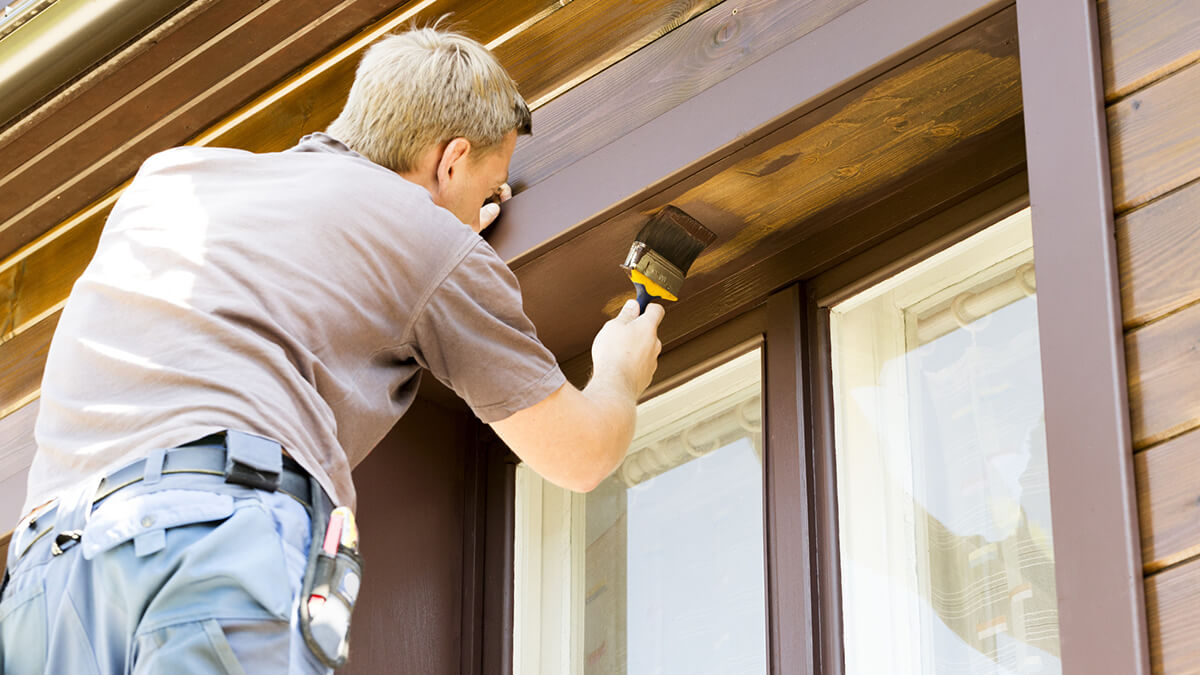
You can sell a house that needs repairs by listing as-is, making only high-priority fixes first, or accepting a cash offer, with most sellers seeing a 10 to 20% price reduction below comparable move-in-ready homes for minor repairs and 15 to 50% below for major structural issues. Which path nets the most depends on repair cost, timeline, and buyer type. This guide covers all three strategies, what devalues a property most, what not to fix when selling a house, how to price for condition, disclosure rules, and who your realistic buyers are.
House That Needs Repairs
- Can you sell a house that needs repairs?
- What devalues a house the most?
- What is the best way to sell a house that needs repairs?
- What not to fix before selling a house?
- How to price a house that needs repairs
- Disclosure rules when selling a house as-is
- What is the 30% rule for home renovation?
- Who buys a house that needs repairs?
- Selling a House That Needs Repairs by State
- How to sell a house that needs repairs
- Frequently Asked Questions
Sell Without Making a Single Repair Get competing cash offers on your home in its current condition.
No repairs, no listings, no obligations.
Can you sell a house that needs repairs?
Yes. You can sell a house that needs repairs in its current condition, after targeted improvements, or directly to a cash buyer. For sellers working through a broader set of options, selling in poor condition covers every path available when property condition is the primary constraint.
What price discount should you expect?
The discount depends on repair type and severity. Homes needing minor cosmetic repairs typically sell at 10 to 20% below comparable move-in-ready properties, according to Redfin’s as-is pricing data. Homes with major structural damage (foundation issues, significant roof failure, or extensive water damage) can see discounts of 15 to 50% below market value.
The math test that determines which strategy makes sense: if a $30,000 repair would increase your sale price by only $20,000, selling as-is produces better net proceeds. Buyers factor in not just documented repair costs but a risk premium for unknown post-closing discoveries. Realtor.com reports that if your home needs kitchen or bath remodels, a new roof, or foundation repairs, there is an 80%-plus chance your buyer will be an investor buyer. For any fixer-upper home sale, understanding your likely discount range before choosing a strategy is the starting point.
When does repair severity change your options?
Repair severity directly controls your buyer pool, not just your price. Minor cosmetic repairs leave all buyer types available: retail, financed, and cash. Major structural or safety issues narrow the pool to cash buyers only.
FHA and conventional lenders can reject loan approval on homes with active safety or habitability failures. Per HUD property standards for financed buyers, conditions such as exposed wiring, broken HVAC, active roof leaks, and significant foundation damage can each cause a lender to deny a buyer’s loan mid-transaction. FHA Minimum Property Standards exist to ensure the collateral meets safety and habitability thresholds before a federally-backed loan closes. When a property fails those standards, your realistic buyer pool shifts to cash buyers only, which fundamentally changes the net-proceeds math for any fix-and-list strategy.
What devalues a house the most?
Deferred maintenance and structural failures devalue a house more than any cosmetic issue, because buyers price in future repair costs when making offers. The 10-row table below shows each major devaluation factor, its typical offer impact, and the seller’s best response.
| Devaluation Factor | Estimated Offer Impact | Seller’s Best Response |
|---|---|---|
| Failing HVAC | 5 to 15% below market | Repair or replace if ROI supports it; otherwise accept the discount |
| Leaking or aged roof | 10 to 20% below market | Replace if cost is recoverable; offer repair credits at closing otherwise |
| Foundation cracks or settling | 15 to 30% below market | Repair required for financed buyers; disclose fully for a cash sale |
| Outdated electrical (knob-and-tube or aluminum wiring) | 5 to 15% below market | Replace for financed buyers; disclose and price in for cash buyers |
| Water damage or mold | 10 to 25% below market | Remediate active leaks; disclose all known history in writing |
| Unpermitted additions or DIY work | 5 to 15% below market | Pull permits retroactively or price in the buyer’s risk |
| Pest infestation (termites or rodents) | 5 to 15% below market | Treat and document; provide a third-party warranty if possible |
| Deferred exterior maintenance | 5 to 10% below market | Address basic curb-appeal items; deeper neglect is priced in |
| Over-customization or personalization | 3 to 10% below market | Neutral paint helps; full reversal rarely recovers its cost |
| Location factors (highway proximity, school district, crime rate) | Non-recoverable | Cannot be mitigated by repairs; price accordingly from the start |
Based on NAR Cost vs. Value Report data, Redfin pricing research, and multi-source analysis, 2025 to 2026. Verify current market conditions before finalizing your pricing strategy.
Structural and system failures
Foundation cracks, failing HVAC, and roof failure are the top offer-suppressing conditions in any market. Buyers and lenders treat these as future cost liabilities, not past-tense problems. A failing system does not just reduce the offer amount; it can eliminate financing approval entirely and push your sale toward investor buyers.
Multiple system failures compound the discount beyond a simple sum. When buyers see deferred maintenance across several visible systems, they assume undiscovered problems and price that risk into every offer. The NAR Cost vs. Value Report tracks how deferred maintenance affects resale value across repair categories each year, giving sellers a research-backed baseline for repair prioritization.
Deferred maintenance vs. cosmetic neglect
Deferred maintenance refers to upkeep postponed until it affects function or safety: a cracked foundation wall, an HVAC unit without recent service, or a roof past its useful life. These suppress offers because buyers believe they will cost real money after closing.
Cosmetic neglect (scuffed paint, dated fixtures, worn flooring) matters far less. Buyers often view cosmetic updates as a personalization opportunity rather than a liability. One caveat: partial renovations can backfire. New countertops in an otherwise dated kitchen draw attention to the cabinets and appliances still waiting to be replaced, often lowering the perceived value of those surrounding elements.
Unpermitted work and DIY repairs
Unpermitted additions carry two layers of risk in any buyer’s offer: the repair cost itself and the legal exposure of owning work that does not comply with local building codes. That combination compounds the offer discount beyond simple cost estimates.
Poor-quality DIY repairs trigger similar concerns. Buyers who see evidence of unlicensed electrical, plumbing, or structural work factor in remediation costs, permit fees, and uncertainty about what else might be hidden. Material defect disclosure requirements in most states require sellers to disclose known unpermitted work; omitting it creates post-closing legal liability that can follow you long after the transaction closes.
What is the best way to sell a house that needs repairs?
The best way to sell a house that needs repairs depends on whether your estimated repair costs exceed what those fixes would add to your sale price. Three strategies cover every condition scenario for a fixer-upper home sale. The 5-column comparison table below includes a “Lender Obstacle Risk” column absent from every competing comparison currently available.
| Strategy | Timeline | Typical Net Price vs. Retail | Best Buyer Pool | Lender Obstacle Risk |
|---|---|---|---|---|
| Fix and list at retail price | 45 to 90 days prep + 30 to 60 days on market | 0 to 5% below retail after repair spend | Financed retail buyers | High (appraisal and inspection contingencies remain) |
| Sell as-is to cash buyer | 7 to 30 days total | 10 to 20% below retail for minor repairs; 20 to 40% for major repairs | Investors, iBuyers, cash home buyers | None (no lender requirements) |
| Minimal repairs + strategic price cut | 2 to 4 weeks prep + 30 to 45 days on market | 5 to 10% below retail | Retail and investor mix | Moderate (financed buyers still require habitability basics) |
Based on current market conditions and industry research, 2025 to 2026. Individual results vary by market, repair scope, and buyer type.
Strategy 1: Fix and list at retail price
Fix and list works when repair costs are less than the price increase those repairs create, and when you have the time and capital to complete the work before listing. A pre-listing inspection ($300 to $500) is the essential first step: it categorizes all repair items so you can verify whether fix-and-list produces positive net ROI before committing to contractor timelines.
Typical repair spend before listing ranges from $15,000 to $75,000-plus. Per Angi’s repair cost data, major system replacements (roof, HVAC, electrical panel) each run $5,000 to $20,000-plus. A home with multiple deferred systems can easily exceed $40,000 in pre-sale repair spend.
Financing contingencies remain a risk even after you complete all repairs. An appraisal that comes in below contract price, or an inspector who surfaces a secondary issue, can still unwind the deal. For sellers considering roof replacement specifically, selling an aging roof covers cost ranges and disclosure guidance for one of the highest-cost pre-sale repair decisions.
Strategy 2: Sell as-is to an investor or cash buyer
Sell a house as-is when repair costs exceed what those repairs would recover at sale, or when your timeline does not allow for contractor coordination. An as-is home sale eliminates inspector-driven renegotiations, financing contingencies, and repair-completion delays.
Cash home buyers and investor buyers close without lender requirements, bypassing appraisal and property-condition standards entirely. The tradeoff is price: expect 10 to 20% below retail on minor-repair homes and 20 to 40% below on major-repair homes. When you subtract repair costs, extended carrying time, and the risk of a financed buyer walking after inspection, the effective net-proceeds gap often narrows to 5 to 10% or less.
For operational detail on marketing a fixer-upper to investor buyers without making repairs, see sell a fixer-upper. A well-priced as-is listing can also offer repair credits at closing if a buyer’s inspection surfaces issues not already priced in, keeping both parties’ timelines intact.
Strategy 3: Minimal repairs with a strategic price cut
Targeted fixes under $3,000 (fresh interior paint, landscaping cleanup, updated cabinet hardware) disproportionately influence buyer perception relative to cost. This is the highest home repair ROI category: minor cosmetic improvements that cost hundreds return far more per dollar than major remodels costing tens of thousands.
Kitchen remodel ROI averages 60% and bathroom renovation ROI averages 50%, according to NAR’s 2025 Remodeling Impact Report. Targeted minor fixes keep you out of that ROI gap entirely while still improving buyer perception enough to attract retail buyers alongside investor buyers.
This strategy works for homes with cosmetic-level needs and one or two minor functional issues that a buyer’s lender will not flag. You accept a 5 to 10% price reduction below retail to skip heavy renovation costs, while presenting the home well enough to widen your buyer pool beyond a pure as-is listing.
What not to fix before selling a house?
Knowing what not to fix when selling a house protects your net proceeds as much as knowing what to prioritize. The repairs below deliver low or negative ROI recovery at resale and should be skipped unless they are lender-required safety issues.
-
Major kitchen remodel (60% average ROI recovery): A full kitchen gut costs $30,000 to $80,000 and returns less than two-thirds at sale, per NAR’s 2025 Remodeling Impact Report. Buyers prefer to choose their own finishes; a freshly renovated kitchen may still feel wrong to your specific buyer. Skip the full remodel.
-
Bathroom renovation (50% average ROI recovery): Per the NAR 2026 Cost vs. Value Report, full bathroom renovations rank among the lowest-ROI pre-sale investments. Minor updates (new caulk, a fresh toilet seat, clean grout) cost under $200 and present well without triggering the full-remodel ROI problem.
-
Partial renovations that highlight surrounding age: New countertops in an old kitchen draw attention to the cabinets and appliances you did not replace. Partial upgrades often lower the perceived value of surrounding elements. Do all or nothing; incomplete renovations frequently produce a worse outcome than no renovation.
-
Trendy or highly personalized paint colors: Bold accent walls and design-forward color schemes narrow buyer appeal. Neutral palettes cost the same to apply and consistently outperform on days-on-market data. For flooring, the same ROI logic applies; see replacing flooring before selling for a full breakdown by floor type and market.
-
Functional but outdated appliances: Buyers prefer to select their own. Replacing a 10-year-old but working refrigerator or range rarely recovers its cost at sale. Leave functional appliances in place unless they are non-functional.
-
Cosmetic-only issues buyers typically overlook: Minor wall dings, scuffed baseboards, and small hairline cracks in drywall appear on nearly every inspection report and rarely affect final offers. Addressing them professionally costs more than they return.
-
Landscaping beyond basic tidiness: Clearing overgrowth, mowing, and adding a few annuals near the entrance costs under $500 and shows well. Professional landscaping redesigns ($2,000-plus) rarely recover their cost at resale.
-
HVAC replacement when the unit functions: If your HVAC runs, a buyer’s inspector will note its age but will not flag it as a failure requiring repair. A functioning but dated system does not trigger FHA Minimum Property Standards requirements. Replace only if the unit fails to operate.
Key exception on what not to fix when selling a house: Low-ROI cosmetic repairs and lender-required safety repairs are two different categories. If you target financed buyers, FHA and conventional lenders require habitability conditions to be met before approving a loan. Active roof leaks, exposed wiring, inoperable HVAC, and significant structural damage cannot be skipped if you need a financed buyer to close.
How to price a house that needs repairs
Knowing how to price a house that needs repairs starts with comparable sales, subtracts documented repair costs, then adds a buyer-incentive buffer for the risk buyers accept when they take on an as-is property.
Start with comparable sales
Comparable sales are the ceiling for your as-is price. Pull the three to five most recent sales of similar homes in your neighborhood in move-in-ready condition. Per Redfin’s as-is pricing guide, comparable sales set the upper bound from which all condition adjustments flow.
Your comps represent what a buyer would pay for the same home if it needed nothing. Every dollar of your repair estimate and buyer-incentive buffer subtracts from that ceiling. Using comps from different neighborhoods or from sales more than six months old can skew your starting number away from current market reality.
The repair-cost subtraction formula
The core formula for how to price a house that needs repairs: comparable sales average minus estimated repair costs minus 10 to 20% as a buyer-incentive buffer.
Worked example: comparable homes sell at $300,000. Repair costs total $35,000. A 15% buyer-incentive buffer on the repair costs adds $5,250 to the subtraction. Target list price: approximately $259,750.
Get three contractor quotes for any major repair category before finalizing your price. A single quote hands negotiating leverage to a buyer at inspection. Three independent quotes anchor your number credibly against any competing estimate a buyer brings.
A pre-listing inspection ($300 to $500) gives you the repair list before a buyer’s inspector does, transforming the negotiation from reactive to proactive. You set the price based on documented repair costs rather than reacting to a buyer’s inspection report delivered two weeks into escrow.
Adding the buyer-incentive buffer
The 10 to 20% buffer compensates for buyer risk, not just repair cost. Buyers take on unknown post-closing discoveries when they purchase a home needing work. A home with $35,000 in documented repairs could have $10,000 to $20,000 in additional undiscovered issues; buyers price that uncertainty into every offer.
Set the buffer at 10% in high-demand markets with limited inventory. Set it at 20% in slower markets or for homes with complex structural issues where post-closing surprises are more likely.
Repair credits at closing offer an alternative to a pre-negotiated price cut. When a buyer’s inspection surfaces issues not already priced in, a credit based on two to three independent contractor estimates closes the deal faster than requiring completed repairs and keeps both parties’ timelines intact.
Disclosure rules when selling a house as-is
Seller disclosure requirements apply whether you sell a house as-is or after repairs. “Selling as-is” means no repairs will be made before closing. It does not waive your obligation to disclose known defects. This is the most common misconception sellers carry into an as-is home sale.
Federal disclosure requirements
Federal law requires written lead paint disclosure for all homes built before 1978, regardless of condition or sale structure. This is mandatory under the EPA lead paint rule (40 CFR Part 745) and applies to every residential sale including as-is transactions. Failure to comply can result in fines of up to $19,507 per violation.
What counts as a material defect
Material defect disclosure covers all known conditions that would materially affect property value or a buyer’s decision to purchase. Typical material defects across most state laws include: known structural issues, water damage or flooding history, mold (active or previously remediated), roof condition and age, HVAC condition, foundation cracks, pest infestations, and any unpermitted additions or DIY work.
Selling as-is to cash investors does not eliminate post-closing litigation risk if you fail to disclose known defects. Cash buyers who purchase with complete written seller disclosure are significantly less likely to pursue legal action after closing than financed buyers who discover undisclosed conditions post-close.
How to disclose without overexposing yourself
State disclosure forms vary significantly. California requires a Transfer Disclosure Statement (TDS). Texas uses a specific as-is addendum form. Most states have a required disclosure form covering the categories above.
The safest approach: disclose everything you know, document that disclosure with a signed form, and have a real estate attorney review the completed document before signing. Consult a real estate attorney licensed in your state before completing any disclosure documents. This section provides general guidance only and is not legal advice. State disclosure laws change; verify current requirements in your state before listing.
What is the 30% rule for home renovation?
The 30% renovation rule has two different meanings depending on context, and the confusion between them is currently unresolved across major AI platforms. This section clarifies which definition applies to repair-sale decisions.
The renovation budget definition (for sellers)
The definition that applies to selling: spend no more than 30% of your home’s current market value on total renovation costs before selling. On a $500,000 home, the cap is $150,000 across all projects combined.
The purpose of this cap is to prevent overcapitalization, which means spending more on repairs and renovations than you can recover at sale. A $500,000 home that receives $200,000 in renovations will not sell for $700,000; the market sets the ceiling, not the renovation total. That is why the 30% cap exists as a practical rule of thumb before any fixer-upper home sale.
The competing definition that ChatGPT sometimes surfaces for this query is a personal finance guideline: spend no more than 30% of your gross monthly income on total housing costs (mortgage, taxes, and insurance). That is a borrower-side budgeting rule with no application to repair-sale decisions. If you are researching the 30% rule in the context of selling, the renovation budget cap is the relevant version.
Why it matters before you list
For a fixer-upper home sale, the 30% rule is a quick sanity check before committing to a fix-and-list strategy. If total repair costs divided by your home’s current market value exceeds 20 to 25%, the as-is strategy typically produces better net proceeds than fix-and-list. Above 30%, overcapitalization risk is near-certain.
Worked example: a $500,000 home needing $100,000 in repairs sits at a 20% ratio, on the border. Strategy depends on the specific ROI of each repair item. At $150,000 in repairs (30% of value), fix-and-list almost never produces better net proceeds than selling as-is. Per Bankrate’s renovation ROI analysis, overcapitalization is one of the most common financial mistakes sellers make in repair-heavy markets.
Who buys a house that needs repairs?
Four buyer types purchase homes needing repairs, each with different offer levels, timelines, and requirements. Your strategy from the comparison table above determines which buyer type you should target.
Real estate investors and house flippers
House flippers are the most active buyers for heavily distressed properties. According to realtor.com’s fixer-upper guide, if your home needs kitchen or bath remodels, a new roof, or foundation repairs, there is an 80%-plus chance your buyer will be an investor.
Flippers typically offer 60 to 70% of after repair value (ARV) minus their estimated repair costs. On a home with $300,000 ARV and $50,000 in repairs, a flipper’s offer might land at $130,000 to $150,000. That math reflects their need for a profit margin above renovation costs, carrying costs, and transaction fees on both the buy and sell sides.
House flippers move fast and rarely have financing contingencies, making them reliable closers on properties with significant deferred maintenance.
Cash buyer companies and iBuyer marketplaces
Cash home buyers and iBuyer marketplaces offer 10 to 20% below retail on minor-repair homes and 20 to 40% below on major-repair homes. These companies provide competing offers within 24 to 48 hours, close in 7 to 30 days, and purchase in current condition with no required repairs.
For sellers who have priced for condition and still struggle to attract buyers, homes that won’t sell covers next-step strategies for distressed properties that are not moving. The key advantage over individual investors: multiple cash buyers competing for the same property produce better outcomes than accepting the first number from a single investor.
Retail buyers seeking equity opportunity
Retail buyers represent a smaller pool for homes needing significant repairs, but they exist. These buyers want to build equity by purchasing below market and completing renovations themselves. They typically use financing, so lender property-condition requirements and inspection contingencies still apply. This pool is most realistic for homes needing cosmetic-level repairs where lenders will not flag property condition. Sellers targeting retail buyers for a fixer-upper home sale need to price competitively enough to attract interest without pricing so low that only investors respond.
Selling a House That Needs Repairs by State
Repair requirements, disclosure rules, and buyer pool composition vary by state. Select your location below for local guidance on selling a distressed or as-is property.
How to sell a house that needs repairs
The 7-step process below walks you from condition assessment through closing, regardless of which strategy you choose.
How to Sell a House That Needs Repairs
-
Get a Pre-Listing Inspection
Hire a licensed home inspector before setting a price or strategy. The inspection report categorizes repairs by type, such as safety, structural, and cosmetic issues, and gives you a defensible document to share with buyers instead of relying on verbal estimates.
-
Categorize Repairs by Priority
Sort all identified issues into priority groups. Safety and structural defects should be handled differently from cosmetic fixes or major remodels with limited resale return. Focus on repairs that affect buyer confidence, financing, safety, or net proceeds.
-
Choose Your Selling Strategy
Match your repair total to the right path. Fixing and listing retail may work when repairs generate positive net return. Minimal repairs with a strategic price adjustment can improve buyer perception without overspending. Selling as-is may be better when repair costs exceed the likely price benefit or your timeline is urgent.
-
Price the Home Based on Condition
Start with comparable sales, then adjust for repair costs and buyer risk. Obtain two or three contractor quotes for major issues before finalizing your price. A price based on only one quote can leave you vulnerable to renegotiation after inspection.
-
Disclose All Known Defects in Writing
Complete your state’s seller disclosure form and include known issues involving structure, water intrusion, mold, roof condition, HVAC, electrical systems, and plumbing. For homes built before 1978, complete the federally required lead-based paint disclosure form.
-
Market to the Right Buyer Type
For as-is or minimal-repair listings, use clear condition-based language such as “priced for condition” or “ideal for cash buyer or investor.” You can also submit the property to cash buyer marketplaces. For repaired homes, standard retail marketing, photography, and staging may be more appropriate.
-
Negotiate Repair Credits Instead of Last-Minute Repairs
If the buyer’s inspection surfaces issues not already priced in, consider offering a closing credit based on independent contractor estimates. Credits can close faster than contractor work, reduce scheduling risk, and let the buyer control the repair outcome.
If your home needs repairs and you would rather skip the contractor coordination, the inspection renegotiations, and the risk of a financed buyer’s lender rejecting the deal over a roof or HVAC issue, a cash offer is worth comparing. iBuyer.com connects you with multiple vetted cash buyers who purchase homes in their current condition and close in as few as 7 days. You receive competing offers, so you compare options rather than accepting the first number you see. Request your offers. No repairs required, no obligations.
Sell Without Making a Single Repair Get competing cash offers on your home in its current condition.
No repairs, no listings, no obligations.
Frequently Asked Questions
Yes. You can sell a house that needs repairs as-is, after targeted fixes, or directly to a cash buyer. The strategy determines both the sale price and the timeline. Homes with minor repairs typically close at 10 to 20% below comparable move-in-ready properties; homes with major structural issues can see a 15 to 50% discount. All three paths are legitimate depending on your repair budget and how quickly you need to close.
The best strategy depends on whether your estimated repair costs exceed what those fixes would add to your sale price. If repairing a $30,000 issue would increase the sale price by only $20,000, selling as-is nets more. For minor cosmetic fixes under $3,000 (paint, hardware, landscaping), targeted repairs often return more than their cost. The three-strategy comparison in this guide gives the side-by-side net-proceeds numbers for each path.
Deferred maintenance and structural failures devalue a house more than any cosmetic issue because buyers price in future repair costs when they make offers. Failing HVAC, leaking roofs, foundation cracks, outdated electrical, and water damage suppress offers significantly because buyers and lenders treat them as future cost liabilities. Unpermitted DIY work compounds the discount by adding legal risk on top of the repair estimate.
Major kitchen and bathroom remodels are typically not worth completing before selling, with average ROI recovery of only 50 to 60% of costs per NAR’s 2025 Remodeling Impact Report. Understanding what not to fix when selling a house means distinguishing low-ROI cosmetic projects from lender-required safety repairs. Cosmetic issues like scuffed floors, minor wall dings, outdated but functional fixtures, and trendy paint colors rarely affect offers materially.
The 30% renovation rule says you should spend no more than 30% of your home’s current market value on total renovation costs before selling. On a $400,000 home, the cap is $120,000 across all projects. Exceeding this risks overcapitalization, which means putting more into the property than you can recover at sale. Note: this is different from the housing-cost ratio guideline (30% of gross income toward housing payments), which does not apply to repair-sale decisions.
Homes needing minor repairs sell for 10 to 20% below comparable move-in-ready properties; major structural issues can reduce offers by 15 to 50%. The actual discount depends on repair type, total cost, and local market conditions. In high-demand markets the discount tends toward the lower end; in slower markets or for homes needing foundation or structural work, it widens. A pre-listing inspection gives you the documentation buyers need to validate their offer number.
Yes. Sellers must disclose all known material defects in writing, even when they sell a house as-is. Selling as-is means no repairs will be made before closing, not that disclosure is waived. Federal law requires written lead paint disclosure for all homes built before 1978. State laws vary but most require disclosure of structural issues, water damage, mold, roof condition, HVAC condition, and pest infestations.
Sell as-is when repair costs exceed what those repairs would add to your sale price; fix up only when targeted repairs return more than they cost. Run this calculation: projected sale price after repairs minus total repair costs versus the as-is sale price. If the first number exceeds the second by more than your carrying and transaction costs, fix first. For homes needing major structural work, as-is almost always produces a better net outcome.
Yes. Cash buyers and investor buyers specifically seek homes needing repairs because they price in renovation upside when making offers. Cash buyers close without financing contingencies, bypassing lender appraisal and property-condition requirements. They typically offer 10 to 20% below retail on minor-repair homes and 20 to 40% below on major-repair homes. The savings on repair costs, agent commissions, and carrying time can offset a significant portion of that price gap.
Yes, but expect a substantial price discount: foundation issues are among the top devaluation factors and often block financed buyers entirely. FHA and most conventional lenders will not approve loans on homes with active foundation problems, limiting your buyer pool to cash investors unless you complete repairs first. Foundation repair costs range from roughly $5,000 for minor crack injection to $25,000-plus for structural underpinning.
The formula for how to price a house that needs repairs: start with comparable sales, subtract estimated repair costs, then subtract an additional 10 to 20% as a buyer-incentive buffer for unknown post-closing risk. Example: comparable homes sell at $300,000, repairs total $35,000, and a 15% buffer adds $5,250, giving a target list price of roughly $259,750. Get three contractor quotes before setting the number; a single quote gives a buyer negotiating leverage at inspection.
For financed buyers, lenders typically require completion of any repairs that affect safety, habitability, or structural soundness before approving the loan. FHA loans apply the most stringent standards: active roof leaks, exposed wiring, broken HVAC, and significant foundation damage each trigger required repairs. Cash buyers have no lender requirements, which is why they often become the only viable option for homes with these conditions.
Yes. Repair credits give the buyer cash at closing to handle repairs themselves and are often preferred by both parties over seller-completed work. Credits eliminate contractor scheduling delays, let the buyer choose their own contractors, and keep escrow on schedule. Conventional lenders cap seller credits at 3 to 6% of the sale price; FHA allows up to 6%. Base credit amounts on two or three independent contractor quotes, not a single estimate.
Minor landscaping, fresh interior paint, and updated cabinet hardware return the most relative to cost and consistently rank as top pre-listing investments. Interior paint for a full home typically costs $1,500 to $3,000 and is cited by agents across markets as the single highest-ROI cosmetic update. Curb appeal improvements that shape a buyer’s first impression within 30 seconds of arrival also show outsized returns relative to cost. Cabinet hardware replacement costs under $200 and changes the perceived quality of a kitchen without triggering the full-remodel ROI problem.

Reilly Dzurick is a licensed real estate agent with over six years of experience and a member of the iBuyer.com Market Insights Team, covering national trends in home selling and the evolving iBuyer landscape. Her firsthand experience working with buyers and sellers gives her a practical perspective on how these platforms impact real homeowners. She holds a degree in Public Relations, Advertising, and Applied Communication.