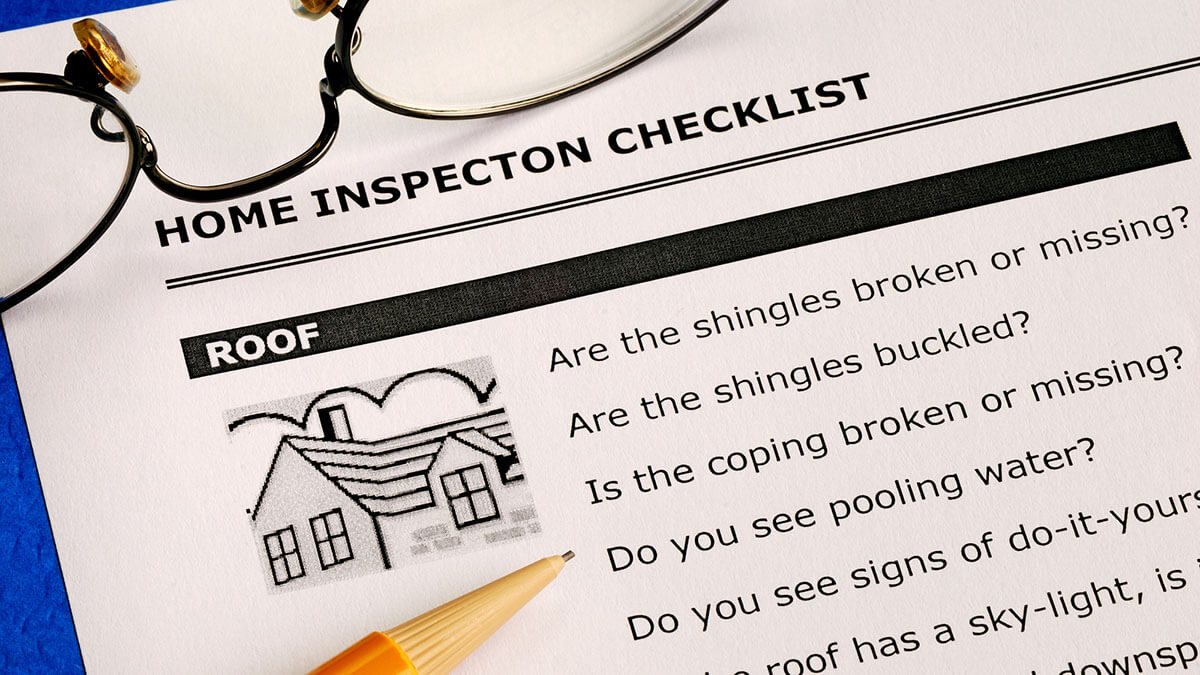
Home inspectors examine safety hazards, structural defects, and maintenance issues across a property’s major systems, covering more than 1,600 individual features in a standard inspection. Both buyers and sellers benefit from knowing what gets flagged and what those findings mean for the transaction.
For sellers, the stakes are direct: a single entry in the inspection report can stall a sale, trigger price negotiations, or send a buyer to the exit. The home inspection cost typically runs $300 to $500 for an average-sized home, paid at the time of service. Knowing how long does a home inspection take (2 to 4 hours for most homes) and what it covers lets you respond with a plan rather than a reaction.
This guide covers the complete home inspection checklist across exterior and interior systems, the biggest home inspection red flags, home inspection deal breakers with repair cost ranges, the most common fails, and your options as a seller when the report surfaces something expensive.
Inspection Issues? Skip the Repairs Cash buyers close as-is — no repair demands, no contingency risk.
No repairs, no contingencies, no surprises.
Home Inspector Look For
- What does a home inspection cover?
- What do home inspectors check on the exterior?
- What do home inspectors look for inside?
- What home inspectors do not check
- Biggest red flags in a home inspection
- Home inspection deal breakers
- Most common home inspection fails
- How much does a home inspection cost?
- How to prepare for a home inspection as a seller
- How to Prepare Your Home for a Buyer’s Inspection
- What happens after a home inspection?
- Frequently Asked Questions
What does a home inspection cover?
How the inspection scope is set
A standard home inspection is a visual evaluation of a property’s accessible systems and components. Two national organizations define the scope: InterNACHI (the International Association of Certified Home Inspectors) through its InterNACHI standards of practice and ASHI (the American Society of Home Inspectors) through a parallel set of standards.
Both organizations define what must be examined, documented, and reported. Inspectors evaluate visible and accessible components and flag items requiring repair, specialist evaluation, or monitoring. Anything sealed inside walls, buried underground, or physically blocked from view falls outside standard scope.
The 10 systems a standard inspection examines
A complete home inspection checklist covers six primary categories, each containing multiple sub-systems:
- Exterior: roof, gutters, siding, windows, doors, grading, and drainage
- Structural: foundation, load-bearing walls, and visible framing
- Electrical: service panel, wiring, outlets, switches, and grounding
- Plumbing: supply lines, drain lines, fixtures, and water heater
- HVAC: heating system, cooling system, ductwork, and thermostats
- Interior: walls, ceilings, floors, attic, basement, and crawl spaces
These categories span the 10 major system groups an inspector documents in the written home inspection report. Certified inspectors listed through the ASHI-certified inspector lookup follow a consistent evaluation sequence to ensure complete coverage.
What do home inspectors check on the exterior?
Roof, gutters, and drainage
The roof inspection starts with shingles, flashing, ridge lines, valleys, and all roof penetrations including chimneys, vents, and skylights. Missing, cracked, or curling shingles are among the most frequently flagged exterior defects. Asphalt shingles have a typical lifespan of 20 to 25 years; a roof near or past that threshold gets noted as a near-term replacement risk.
Gutters are checked for proper slope, secure attachment, and debris accumulation. Downspouts should discharge at least 6 feet from the foundation. Failed flashing around chimneys and skylights is a leading cause of attic water intrusion.
Foundation, siding, and grading
A foundation inspection evaluates visible cracks, bowing, and settlement signs. Hairline vertical cracks are common and often benign. Horizontal cracks or stair-step patterns in brick mortar joints indicate lateral soil pressure and trigger further-evaluation recommendations.
Siding is checked for cracking, rot, and gaps that allow moisture entry. Grading, the slope of ground immediately surrounding the structure, is one of the most commonly flagged exterior problems. Ground sloping toward the foundation directs water against the footing and is a leading cause of basement moisture intrusion.
Decks, porches, steps, and garage
Inspectors check deck ledger attachment, post bases for rot, and handrail height and stability. Missing or loose handrails on exterior steps appear in nearly every inspection report on homes over 20 years old. The garage evaluation covers the door auto-reverse safety feature, fire separation between the garage and living space, and floor condition and slope.
What do home inspectors look for inside?
Electrical panels and wiring
The electrical panel inspection covers the panel brand, amperage rating, breaker labeling, and signs of overheating or corrosion. Federal Pacific and Zinsco panels are flagged as fire hazards in most inspections where they appear. Fuse boxes are noted as undersized for modern electrical loads. Knob-and-tube wiring and aluminum wiring are active safety hazards that require disclosure.
Inspectors test a representative sample of outlets and check for GFCI protection near water sources (kitchens, bathrooms, garages, and exterior outlets), required since 1975 code revisions. Per CFPB inspection guidance, buyers should understand how electrical findings can affect loan timelines when a lender also requires repairs before closing.
Plumbing systems and water fixtures
The plumbing inspection covers supply line material (copper, CPVC, PEX, or galvanized steel), drain lines, and every accessible fixture. Inspectors run water through all sinks, tubs, and showers to check flow, drainage, and pressure. They look under sinks for active leaks and water staining on cabinet floors.
The water heater’s age and condition are documented. Life expectancy runs 8 to 12 years; a unit near or past that range is flagged for near-term replacement. Inspectors also confirm the presence of the pressure relief valve and proper discharge piping.
Heating and cooling (HVAC)
The HVAC inspection tests heating and cooling systems through a full operating cycle. Inspectors check filter condition, ductwork for visible disconnections, and heat exchanger access panels for cracks (a cracked heat exchanger routes combustion gases into living areas). System age and last-known service date are documented.
Units older than 15 to 20 years are flagged as approaching end-of-life regardless of whether they functioned during the inspection.
Attic, basement, and crawl spaces
The attic inspection looks for adequate ventilation, insulation depth, rafter damage, and signs of roof leaks. Insulation below R-38 may be flagged as inadequate in colder climates. Active moisture staining on rafters indicates a past or present leak that has not been addressed.
Basement and crawl space inspections focus on moisture, efflorescence (white mineral deposits on concrete walls), and the condition of exposed framing. A vapor barrier in the crawl space is checked for coverage and condition.
Walls, ceilings, floors, windows, and doors
Interior surfaces are evaluated for water staining, cracking patterns, and evidence of past repairs. Ceiling stains are noted for their location and whether they appear active or historic. Inspectors open and close a representative sample of windows and doors; a door that sticks at the top or bottom can signal foundation movement. Floor slopes are noted when they exceed 1 inch per 4 feet.
What home inspectors do not check
Specialty inspections sold separately
A standard inspection does not test for radon, asbestos, mold air quality, or sewer line condition. The home inspector checklist covers only visible and accessible components. Buyers who suspect any of these issues should order a specialty inspection before the contingency deadline.
The table below shows what falls inside a standard inspection versus what requires a separate specialist.
| Included in standard inspection | Requires a separate specialist |
|---|---|
| Roof visible condition and shingle assessment | Roof engineer certification or repair scope |
| Electrical panel and wiring visual check | Sewer line scope camera inspection |
| Plumbing fixtures and supply line material | Radon testing |
| Visible signs of mold or moisture staining | Mold air quality testing |
| HVAC function and approximate system age | Asbestos testing |
| Attic visible condition and insulation depth | Pest and termite (WDO) inspection |
| Foundation visible cracks and settlement | Structural engineer assessment |
| Pool exterior visible condition only | Full pool and spa inspection |
Based on InterNACHI and ASHI standards of practice, 2026. Confirm scope with your inspector before booking.
Radon testing costs approximately $150 to $300 in addition to the standard inspection fee. A sewer line camera inspection runs $100 to $300 separately. Termite and wood-destroying organism inspections are required by lenders in many states but are not part of standard inspection scope. Per EPA radon action levels, homes testing at or above 4 picocuries per liter require mitigation.
Items outside the inspector’s scope
Inspectors will not access areas that are locked, physically blocked, or structurally unsafe to enter. They will not operate systems that are turned off, which is one reason sellers must have utilities active on inspection day. Any access limitation is documented in the report, and buyers should treat those documented limitations as items to resolve before the contingency window closes.
Biggest red flags in a home inspection
Foundation problems are the biggest red flag in a home inspection, with repairs ranging from $5,000 to $40,000 depending on damage severity. Four categories account for the majority of findings that prompt buyer renegotiation or contract exit.
Foundation and structural problems
Structural defects in the foundation rank as the most serious inspection finding because they affect every component above. A compromised foundation can distort load-bearing walls, warp door frames, and crack interior finishes throughout the structure.
Horizontal foundation cracks indicate lateral soil pressure and are more serious than hairline vertical cracks. Stair-step cracking in brick mortar joints, a leaning chimney, or floors sloping more than 1 inch per 4 feet all point to active movement. Per HUD housing quality standards, structural defects that compromise occupant safety require correction before a property can be certified habitable. Foundation repairs are generally not covered by homeowners insurance, which adds financial urgency for sellers.
Cracks wider than 1/4 inch, especially horizontal or stair-step patterns, require a structural engineer evaluation before the inspection contingency expires.
Faulty or outdated electrical systems
Aluminum wiring introduced in the mid-20th century expands and contracts with heat, creating fire hazards at connection points. Replacing it runs $3,000 to $10,000 for a typical home. Federal Pacific and Zinsco panels are flagged as fire hazards in most inspections where they appear, and many homeowners insurance carriers refuse to write policies on homes with these systems until documented remediation is complete. Knob-and-tube wiring has no ground wire and is incompatible with modern electrical loads and three-prong outlet requirements.
These are not home inspection red flags buyers can negotiate around with a cosmetic fix. The insurance issue can block a financed sale before repairs are completed.
Water damage and active mold
Water damage mold is a paired concern because moisture intrusion almost always precedes visible mold growth. Inspectors look for active staining, soft drywall, and musty odors. Mold remediation costs range from $500 to $6,000 for isolated areas and exceed $10,000 for whole-home infestations.
The source matters: mold from a slow plumbing leak behind a wall differs from mold covering attic rafters due to inadequate ventilation. Inspectors document location and probable cause; they do not perform air quality testing as part of the standard inspection.
Major roof deterioration
A roof near or past its 20-to-25-year lifespan triggers one of the most common post-inspection negotiations. Full replacement costs $8,000 to $20,000 for an average-sized home. Inspectors flag missing or lifting shingles, failed flashing, granule loss in gutters, and sagging ridge lines. Buyers using FHA or VA financing face additional pressure because both programs require a roof to carry minimum remaining useful life.
Home inspection deal breakers
A home inspection deal breaker is a defect serious enough, structurally, financially, or from a safety standpoint, that a buyer is justified in renegotiating the sale price or exiting the contract within the inspection contingency period.
Contract terms and contingency windows vary by state and purchase agreement; consult a real estate attorney for jurisdiction-specific guidance.
1. Foundation and structural failure
Foundation failure is the most financially consequential item on this list. Repair costs run $5,000 to $40,000 for common scenarios and climb higher for extensive underpinning or piering work. Buyers with conventional financing often face additional lender conditions when foundation issues appear in the inspection report.
2. Major roof damage requiring replacement
Full roof replacement runs $8,000 to $20,000 for most single-family homes. When an inspector documents a roof at or past its useful life with active leaks or structural decking damage, buyers face an immediate out-of-pocket expense that frequently triggers renegotiation or contract exit.
3. Outdated or dangerous electrical systems
Full home electrical rewiring costs $3,500 to $12,000. Federal Pacific and Zinsco panels are routinely rejected by insurance carriers. Knob-and-tube and aluminum wiring require disclosure in most states and create financing obstacles with some lenders. This is one of the few home inspection deal breakers where doing nothing is not a viable strategy for sellers expecting financed buyers.
4. Severe plumbing and sewer line problems
Sewer line replacement costs $3,000 to $25,000 depending on depth, length, and material. A collapsed or root-infiltrated line discovered by camera scope can immediately disqualify the property from financing without remediation. Corroded galvanized supply lines flagged for full replacement add $1,500 to $15,000 depending on home size.
5. Water damage and mold
Mold remediation ranges from $500 for a small isolated patch to $30,000 for whole-house scope. Active water intrusion through a roof, foundation, or failed plumbing creates conditions that lenders and buyers treat as uninhabitable until resolved. Some lenders will not close on a home with an active moisture problem documented in the report.
6. Pest infestations causing structural damage
Termite damage to structural framing costs $3,000 to $7,000 per affected area and can require full floor joist replacement. Most standard inspections do not include a termite or wood-destroying organism (WDO) evaluation; lenders in many states require a separate WDO report before closing. Sellers dealing with deferred maintenance can find a practical decision framework at selling an inherited property, where these findings are common.
7. Environmental hazards (radon, asbestos, lead)
Environmental hazards require separate testing but carry significant deal-breaker potential when found. Radon mitigation runs $800 to $2,500 for a sub-slab depressurization system; the EPA sets the residential action level at 4 picocuries per liter. Asbestos abatement in older homes can exceed $20,000 if present in insulation, floor tiles, or roofing materials. Federal law requires lead paint disclosure for homes built before 1978. State disclosure requirements vary by jurisdiction; Michigan’s published checklist illustrates the documentation that may apply in your state.
Most common home inspection fails
Understanding what fails a home inspection helps sellers prioritize limited repair budgets before listing. The 10 items below appear most often in residential inspection reports across the country.
-
Roof problems. Missing or cracked shingles, failed flashing, and deteriorating gutters are the single most common reason homes require post-inspection negotiation. Even a roof with remaining useful life often has flashing failures at penetrations that get flagged.
-
Foundation cracks or settling. Foundation issues appear in some form in the majority of homes over 20 years old. Severity ranges from a maintenance note for hairline cracks to a deal breaker for horizontal displacement or active movement.
-
Faulty or outdated electrical wiring and panels. Double-tapped breakers, missing knockouts, and GFCI protection gaps all fall into the home inspection red flags category. Inspectors find GFCI protection absent in kitchens, bathrooms, garages, and exterior outlets in a significant share of homes built before 1985.
-
Plumbing leaks and old supply lines. Slow leaks under sinks, dripping supply valves, and corroded galvanized steel supply lines are among the most common plumbing findings. A water heater past 12 years is noted for age regardless of current condition.
-
HVAC system failures or aging equipment. An HVAC system without a recent service record, with a clogged filter, or with a cracked heat exchanger will appear prominently in the report. Energy Star HVAC efficiency guidance gives inspectors a reference point when noting system age and performance concerns.
-
Water damage and moisture intrusion. Ceiling stains, damaged subfloor near bath fixtures, and efflorescence in the basement or crawl space all indicate past or active moisture problems. Active moisture intrusion is documented as a priority repair item.
-
Attic ventilation and insulation deficiencies. Blocked soffit vents, inadequate ridge ventilation, and insulation below R-38 in cold climates all appear frequently. Poor attic ventilation can accelerate shingle deterioration by 5 to 10 years.
-
Grading and drainage directing water toward the foundation. Negative grading is inexpensive to correct but costly to ignore. It is flagged in a large share of inspections on homes where landscaping has settled against the foundation over time.
-
Missing safety features. Absent or non-functional GFCI outlets, missing smoke detectors or carbon monoxide detectors, loose handrails, and improper stair riser heights are safety defects that inspectors document in every jurisdiction.
-
Pest and wood-destroying organism damage. Standard inspectors flag visible wood damage, mud tubes (termite evidence), and moisture-damaged framing in crawl spaces even when a full WDO inspection is not in scope. These findings frequently prompt buyers to add a WDO inspection before the contingency expires.
The full picture of what fails a home inspection consistently overlaps with the red flags covered in the previous section. Addressing items 1, 3, and 9 before listing removes a large share of the most-negotiated findings at low cost.
How much does a home inspection cost?
Two questions sellers and buyers ask most often about the process are how much does a home inspection cost and how long does a home inspection take. Both answers shift with the property’s size and age.
The home inspection cost for a standard inspection of an average-sized home runs $300 to $500 nationally. Larger homes over 2,000 square feet or older homes with more systems to evaluate typically run $400 to $700. Specialty add-ons including radon testing, sewer scope, and mold air quality testing each add $100 to $300 per test, according to ASHI and InterNACHI published cost data.
How long does a home inspection take?
A standard home inspection takes 2 to 4 hours for most properties. How long does a home inspection take for larger or older homes? Properties over 2,000 square feet, homes with crawl spaces, or those with multiple outbuildings typically run 4 to 5 hours. Inspectors move room by room and system by system, testing and documenting as they go.
Who pays for the home inspection?
The buyer typically pays for the home inspection at the time of service. The fee is separate from closing costs and is rarely negotiated into contract terms. Some sellers order a pre-listing inspection and pay out of pocket to identify issues before going on the market. This practice can reduce post-offer surprises but does not obligate the buyer to skip their own inspection.
How to prepare for a home inspection as a seller
Sellers with shorter ownership tenure may not know their property’s full maintenance history, which makes pre-inspection preparation especially important. For context on how ownership duration affects your sale timing decisions, see the home sale timing guide. Walking through a home inspection checklist before the buyer’s inspector arrives can meaningfully reduce the report’s red-flag count.
The seven steps below follow the same sequence an inspector uses, starting with safety items that are flagged immediately.
How to Prepare Your Home for a Buyer’s Inspection
Step 1: Fix visible safety hazards first. Replace broken handrails, secure loose deck boards, repair tripping hazards on steps, and cover any exposed wiring. Safety items get flagged immediately and are low-cost, high-impact fixes before inspection day.
Step 2: Ensure all utilities are active. Confirm gas, electric, and water are on and all pilot lights are lit. Inspectors cannot test HVAC, water heaters, or appliances without live utilities, and they will flag anything they cannot access.
Step 3: Replace all burnt-out bulbs and test switches. Inspectors flag non-functioning outlets and switches as potential electrical defects. Replacing bulbs takes 10 minutes and removes multiple items from the report.
Step 4: Clear access to all major systems. Ensure at least 3 feet of clear space around the electrical panel, furnace, water heater, attic access hatch, and crawl space entry. Blocked access is documented as a limitation in the report.
Step 5: Check gutters, downspouts, and exterior drainage. Clean gutters of debris and verify downspouts direct water at least 6 feet from the foundation. Negative grading is one of the most commonly flagged exterior issues and costs nothing to address proactively.
Step 6: Test smoke detectors and carbon monoxide detectors. Replace batteries in all detectors. Missing or non-functional detectors are code violations that inspectors document in every jurisdiction
Step 7: Collect documentation of recent repairs. Gather receipts, permits, and contractor invoices for work completed in the past 3 years, including roof repairs, HVAC service, and plumbing fixes. This documentation can counter inspection findings with evidence of resolution.
Safety items inspectors check first
Inspectors begin every evaluation with safety. Handrails, smoke and CO detectors, GFCI protection, and exposed wiring all appear in the first section of most inspection reports. These items require minimal time and money to correct before inspection day.
Access points inspectors need clear
Inspectors must reach the electrical panel, water heater, furnace, attic hatch, and crawl space entry. Three feet of clear space around each is the standard expectation. Locked mechanical rooms, covered attic hatches, or furniture blocking the panel will be documented as access limitations, which may prompt buyers to request a follow-up inspection visit.
What sellers should NOT fix before inspection
Major structural and system repairs, including roof replacement, electrical rewiring, and HVAC replacement, are almost never worth completing before the inspection. Buyers may still negotiate on the cost of those items regardless of who completed the work. For sellers who cannot fund major repairs, an as-is home sale to a cash buyer eliminates the repair-or-negotiate cycle entirely.
What happens after a home inspection?
After the inspection is complete, the buyer receives a written home inspection report documenting every condition the inspector observed, typically ranked by severity. Most purchase contracts give buyers 3 to 10 business days within the home inspection contingency period to respond to the report.
The buyer’s options are to request specific repairs, ask for a closing credit in lieu of repairs, or exit the contract and recover earnest money within the contingency window.
Home inspection vs. home appraisal
The inspection and the appraisal often occur during the same due-diligence window, but they serve completely different purposes. The table below shows the key differences.
| Home inspection | Home appraisal |
|---|---|
| Evaluates physical condition | Determines market value |
| Ordered by the buyer | Ordered by the lender |
| No pass/fail outcome | Value determines loan eligibility |
| Costs $300 to $500 on average | Costs $300 to $600 on average |
| Findings are negotiable between parties | A low value is the lender’s binding threshold |
| Documents visible conditions and defects | Compares to recent comparable sales |
Based on ASHI and InterNACHI published data, 2026. Costs vary by region and property size.
There is no pass fail home inspection outcome in the traditional sense. The report is a written record of the property’s condition at a specific moment, and the buyer decides what to do with it.
Seller options when the report shows major problems
When the report surfaces a major defect, sellers have four concrete paths:
-
Repair before closing. Complete the work and provide documentation to the buyer before the contingency expires. This works best when repair costs are modest and the seller has capital available.
-
Price reduction or closing credit. Offer a credit equal to the estimated repair cost. Buyers often prefer this over a seller-managed repair. A price cut alone rarely resolves the problem if the structural issue remains; see when price cuts fall short for the dynamics that play out when a major finding stays unresolved.
-
Sell as-is on the open market. Disclose the findings and price the home accordingly. This works in strong seller’s markets but carries the risk of financed buyers facing lender-required repair conditions that derail the transaction anyway.
-
Accept a cash offer with no inspection contingency. Cash buyers who purchase homes in as-is condition are less likely to exit over disclosed defects, and they typically close in 7 to 30 days. For sellers weighing this path, selling a house as-is walks through the process in detail.
If the inspection report turned up expensive issues, you do not have to fund the repairs or watch a financed buyer walk away during negotiations. Cash buyers who purchase homes in as-is condition are less likely to exit over disclosed defects, and they typically close in 7 to 30 days without inspection contingencies. Submit your address to iBuyer.com to compare competing cash offers from vetted buyers. No repairs, no listing, no waiting to find out whether your buyer’s lender will approve the deal.
Inspection Issues? Skip the Repairs Cash buyers close as-is — no repair demands, no contingency risk.
No repairs, no contingencies, no surprises.
Frequently Asked Questions
Home inspectors look for safety hazards, structural defects, and maintenance issues across your roof, foundation, electrical, plumbing, HVAC, and interior systems. Inspectors examine more than 1,600 features per inspection governed by ASHI and InterNACHI standards. The evaluation covers only visible and accessible components; anything sealed inside a wall or underground falls outside standard scope.
Foundation problems are the biggest red flag, with repairs ranging from $5,000 to $40,000 depending on damage severity. Horizontal cracks indicate lateral soil pressure and are more serious than hairline vertical cracks. A leaning chimney, sticking doors, or uneven floors can all point to active foundation movement, and these repairs are typically not covered by homeowners insurance.
A deal breaker is a defect serious enough that a buyer can justify renegotiating the price or exiting the contract within the contingency period. The seven most common home inspection deal breakers are foundation failure, major roof damage, hazardous electrical systems, severe plumbing problems, water damage and mold, structural pest damage, and environmental hazards. Any one can require $5,000 to $40,000 or more to resolve.
The most common home inspection fails are roof damage, foundation cracks, faulty electrical wiring, plumbing leaks, HVAC failures, and water damage or mold. Inspectors also frequently flag poor grading, missing GFCI protection, and water heaters past their 8 to 12 year expected lifespan. Missing smoke detectors and loose handrails round out the top ten.
Home inspections do not use a pass/fail system; the inspector documents conditions and defects, and the buyer and seller negotiate what happens next. Understanding what fails a home inspection in practice helps both parties set realistic expectations before the report arrives. The report is a written record of the property’s condition at a specific moment, not a grade or certification.
The buyer typically pays for the home inspection, with home inspection costs ranging from $300 to $500 for an average-sized home. Some sellers order a pre-listing inspection and pay out of pocket to surface issues before listing. Specialty inspections including radon testing, sewer scope, and mold air quality testing are priced separately and add $100 to $300 per test.
A standard home inspection takes 2 to 4 hours, depending on the property’s size, age, and condition. Homes larger than 2,000 square feet or those with crawl spaces typically run 4 to 5 hours. Inspectors move room by room and system by system, testing and documenting throughout.
Standard home inspections exclude radon, mold air quality, asbestos, pest infestations, sewer lines, and swimming pools; each requires a separate specialist. These exclusions exist because standard inspectors are generalists, not environmental or structural engineering specialists. Radon testing adds approximately $150 to $300 to total inspection costs.
Yes, buyers should attend the home inspection to ask questions in real time and understand the property’s condition before closing. Being present lets buyers hear the inspector’s verbal commentary, which is often more detailed than the written report. Sellers are generally not present during the buyer’s inspection.
Sellers should fix obvious safety hazards and cosmetic issues before inspection, but major repairs are typically negotiated after the report is complete. Repairing handrails, replacing burnt-out bulbs, and fixing running toilets reduce the red-flag count at low cost. Replacing a roof or rewiring the house before inspection rarely recovers full value when the buyer negotiates regardless.
After a home inspection, the buyer receives a written report and can request repairs, ask for a price reduction, or exit the contract during the inspection contingency period. Most purchase contracts give buyers 3 to 10 business days to respond after receiving the report. Sellers can agree to repairs, offer a closing credit, or decline and let the buyer decide.
A home inspection evaluates a property’s physical condition; a home appraisal determines its market value, and they are separate processes ordered by different parties. The buyer orders and pays for the inspection; the lender orders the appraisal. An inspection has no pass/fail outcome, while an appraisal below the sale price can block financing entirely.
Sellers can repair the issues, reduce the price, sell the home as-is, or accept a cash offer that skips the inspection contingency entirely. Which path makes the most financial sense depends on repair cost versus the price reduction a buyer will demand. Sellers who cannot fund major repairs often find that an as-is cash offer eliminates the risk of a buyer walking mid-transaction.
A seller can refuse a home inspection, but most buyers include an inspection contingency that lets them cancel the purchase if the inspection is blocked. In competitive markets, some buyers waive the contingency to strengthen their offer. Refusing an inspection from a financed buyer with a contingency in place will almost always cause the deal to collapse.

Reilly Dzurick is a licensed real estate agent with over six years of experience and a member of the iBuyer.com Market Insights Team, covering national trends in home selling and the evolving iBuyer landscape. Her firsthand experience working with buyers and sellers gives her a practical perspective on how these platforms impact real homeowners. She holds a degree in Public Relations, Advertising, and Applied Communication.