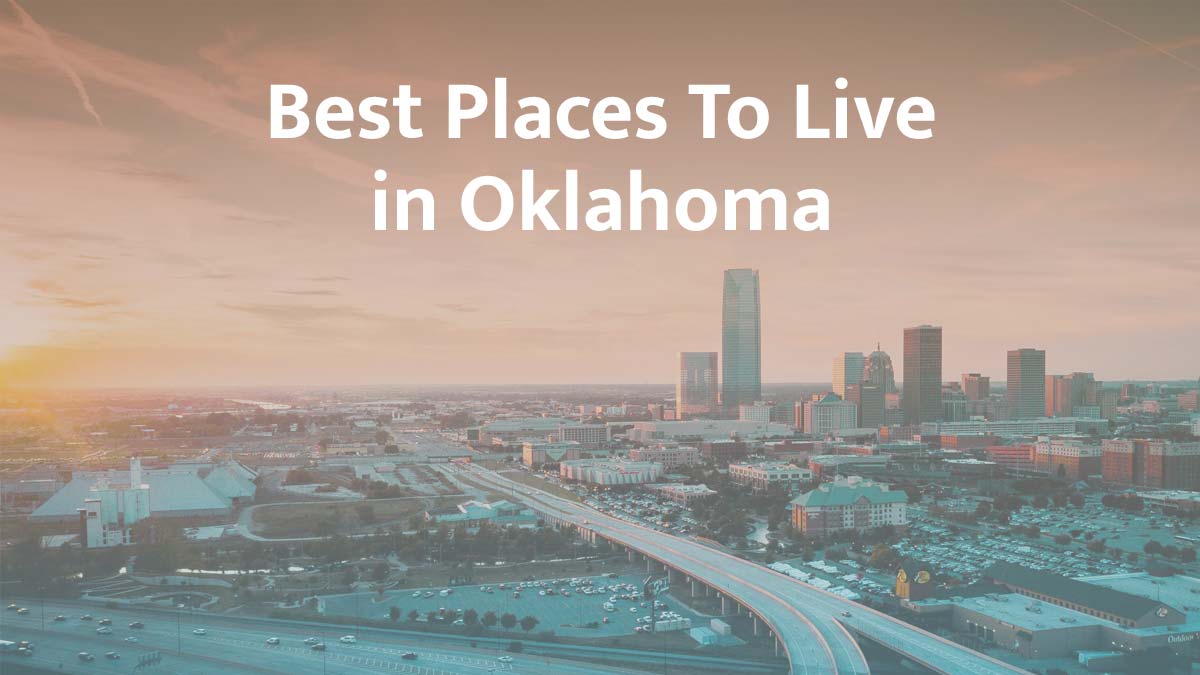
As we move through 2026, Oklahoma has become one of the most practical and underrated states for people looking to improve their quality of life without taking on the financial pressure found in many larger markets.
The state combines relatively low housing costs, manageable commute times, and a steadily diversifying economy that now extends beyond its traditional energy base into aerospace, healthcare, logistics, and remote-work-friendly urban centers. Oklahoma’s population reached about 4.12 million in 2025, up 4.1% from the 2020 Census estimate, reflecting continued growth and sustained interest from both residents and newcomers.
The appeal of living in Oklahoma is rooted in value. Compared with much of the country, Oklahoma remains one of the lowest-cost states by price level, with the Bureau of Economic Analysis placing its 2024 regional price parity at 87.8, among the very lowest in the nation. That means everyday costs, especially housing, tend to stretch further here than in many competing relocation destinations.
Whether you are considering the revitalized districts of Oklahoma City, the creative energy of Tulsa, or affordable towns for retirement such as Alva, Shawnee, Blackwell etc, Oklahoma offers a wide range of living environments for different budgets and lifestyles.
In this guide, you’ll discover the best places to live in Oklahoma in 2026, including the top cities for families, young professionals, retirees, and budget-conscious movers, along with key insights on affordability, job potential, and quality of life.
Instant Valuation, Confidential Deals with a Certified iBuyer.com Specialist.
Sell Smart, Sell Fast, Get Sold. No Obligations.
Best Places to Live
- Why Oklahoma Is Becoming a Better Place to Live
- Key Factors to Consider Before Moving to Oklahoma
- Top 10 Best Places to Live in Oklahoma in 2026
- Comparison Table
- Cost of Living in Oklahoma: What to Expect
- Best Places to Live in Oklahoma by Lifestyle
- Pros and Cons of Living in Oklahoma
- How to Choose the Best Place to Live in Oklahoma
- Conclusion
- Frequently Asked Questions
Why Oklahoma Is Becoming a Better Place to Live
Oklahoma stands out in 2026 because it offers a rare combination of affordability and economic resilience. The state’s labor market remains relatively stable, with Oklahoma’s seasonally adjusted unemployment rate at 3.9% in January 2026 and payroll employment posting a monthly increase, showing that job creation is still active.
The economy is no longer defined only by oil and gas; Oklahoma’s own commerce materials highlight aerospace and defense as one of the state’s fastest-growing sectors, while healthcare, transportation, warehousing, and manufacturing continue to play major roles.
Another major advantage is everyday livability. The state’s mean travel time to work is 22.4 minutes according to Census QuickFacts, which is well below what many movers are used to in larger coastal metros. For households trying to balance career, housing, and family life, that lower-friction daily routine can be a meaningful benefit.
Oklahoma also offers more lifestyle variety than it often gets credit for. Oklahoma City has undergone a long period of downtown and riverfront reinvestment, Tulsa has built a strong reputation for arts, architecture, and remote-worker recruitment, and suburban areas around both metros continue to attract families seeking better schools, more space, and quieter neighborhoods. Tulsa Remote, for example, still advertises a $10,000 grant for eligible remote workers who move to Tulsa, reinforcing the city’s role as a landing spot for distributed professionals.
Overall, Oklahoma is particularly well suited for a wide range of residents, including families looking for larger homes and strong suburban school options, young professionals seeking lower living costs and expanding career opportunities, retirees who prefer a slower pace of life with more affordable housing, and remote workers aiming to maximize their purchasing power without giving up access to urban amenities.
Key Factors to Consider Before Moving to Oklahoma
Before choosing where to live in Oklahoma, it’s important to compare cities carefully because the experience can vary significantly depending on whether you choose a major metro, a suburb, or a smaller city. One of the most important factors is the cost of living.
Affordability is one of Oklahoma’s biggest strengths, with the state’s 2024 regional price parity of 87.8 placing it among the least expensive in the country. Housing plays a major role in this, as the average home value statewide is around $216,242, with Oklahoma City near $203,329 and Tulsa around $212,757, all well below many major U.S. metros.
The presence and absence of employment opportunities in Oklahoma is another key consideration. Oklahoma’s economy is more diverse than it may appear at first glance, especially when viewed by metro area. Oklahoma City offers one of the broadest employment bases in the state, supported by sectors such as government, healthcare, logistics, and professional services, while Tulsa remains an important center for energy, advanced manufacturing, finance, and remote work. Additionally, aerospace and defense are emerging as significant growth industries across the state.
Safety and education are especially important for families. In general, suburban communities tend to offer better school quality, more stable neighborhoods, and lower crime exposure compared to denser urban cores.
Cities such as Edmond, Jenks, Broken Arrow, and Owasso are often preferred for their strong school systems, parks, and family-friendly infrastructure. For those looking into safety in more detail, official sources like OSBI and the FBI Crime Data Explorer provide reliable and up-to-date information.
Climate is another factor that should not be overlooked. Oklahoma experiences all four seasons, but weather can be intense at times. Summers are hot, severe storms are common, and tornado preparedness is an important part of living in the state. Residents are often advised to plan ahead rather than wait for storm season to begin.
Finally, lifestyle preferences play a major role in choosing the right location. Oklahoma offers a wide range of living environments, from walkable urban districts in Oklahoma City and Tulsa to well-planned suburban neighborhoods in Edmond or Jenks, as well as smaller towns that provide a quieter and more affordable way of life.
These urban areas are ideal for those who want easy access to jobs, entertainment, dining, and cultural activities within a compact, walkable setting. Suburban communities, on the other hand, often appeal to families due to their strong schools, safer neighborhoods, and spacious housing options. Smaller towns across the state offer even more affordability and a slower pace, making them attractive for retirees and remote workers seeking peace and space.
Ultimately, the best choice depends on what matters most to you, whether that is nightlife, schools, commute times, home size, or overall affordability.
Top 10 Best Places to Live in Oklahoma in 2026
Oklahoma City – Best Overall City in Oklahoma
Oklahoma City is the best overall place to live in Oklahoma for people who want the broadest combination of jobs, amenities, entertainment, and affordability. As the state capital and largest metro, it offers the most diversified economy in Oklahoma, while still remaining much more affordable than major cities in Texas, Colorado, or the coasts.The average home value in is about $203,329, which shows that market trends are favoring Oklahoma city buyers in recent times.
OKC is best suited for young professionals, couples, and households that want urban amenities without extreme housing costs. The city’s biggest advantages are career flexibility, sports and entertainment, and a relatively manageable cost structure.
Edmond – Best for Families and Schools
Edmond is one of the strongest all-around family destinations in Oklahoma. It benefits from proximity to Oklahoma City while offering a more suburban and structured living environment. The average home value in Edmond is about $349,726, which is notably higher than Oklahoma City itself, reflecting demand for its neighborhoods, schools, and overall quality of life.
Edmond is best for families who are willing to pay more for stability, better neighborhood consistency, and strong long-term livability.
Norman – Best College Town in Oklahoma
Norman offers a different appeal from Oklahoma City and Edmond. Home to the University of Oklahoma, it combines a college-town atmosphere with a more relaxed cost profile than some suburbs. Zillow places Norman’s average home value at roughly $257,977.
Norman is a strong fit for academics, university employees, students-turned-long-term residents, and anyone who wants a youthful, culturally active environment without full big-city intensity.
Tulsa – Best for Remote Workers and Creative Professionals
Tulsa stands out for people who want a more distinctive lifestyle mix. It has strong arts and culture, notable green space, historic districts, and a growing identity as a destination for remote workers. Tulsa Remote continues to offer a $10,000 relocation grant to eligible remote employees, which reinforces the city’s national visibility. The average home value in Tulsa is about $212,757, still highly accessible by national standards.
Tulsa can have its own upsides and downsides but overall it is ideal for remote workers, creatives, and buyers who want urban character at a lower cost than many peer cities.
Broken Arrow – Best for Safe Suburban Living
Broken Arrow is one of the best places to live in Oklahoma for people who want suburban stability, family-friendly neighborhoods, and access to Tulsa-area jobs. The average home value is about $283,474, which keeps it within reach for many middle-income buyers.
Broken Arrow is best for families and buyers who want a practical suburb with solid amenities and a calmer pace than central Tulsa.
Jenks – Best for Upscale Family Living
Jenks is one of the most desirable suburban communities in the Tulsa metro, especially for families prioritizing schools and higher-end residential appeal. Zillow reports an average home value of about $346,875.
Jenks is best suited for households that want a more polished suburban environment and are comfortable with a tighter housing market and higher entry costs than many other Oklahoma communities.
Stillwater – Best for Small-City Comfort
Stillwater offers a strong balance of affordability, identity, and community feel. Home to Oklahoma State University, it has the advantages of a college town without the scale of Oklahoma City or Tulsa. The average home value is about $258,914.
Stillwater is best for buyers who want a smaller city with a strong local culture, lower pressure, and steady housing costs.
Owasso – Best for Middle-Class Family Buyers
Owasso is a practical and increasingly popular choice for families who want suburban convenience without pushing into the highest-priced parts of the Tulsa metro. Zillow reports an average home value of about $313,439.
Owasso works best for households looking for safe-feeling neighborhoods, shopping access, and a more straightforward suburban lifestyle.
Bixby – Best for New Construction and Long-Term Growth
Bixby demographics has become one of the more attractive fast-growing suburban options near Tulsa. It appeals to buyers who want larger lots, newer homes, and a more modern residential feel. The average home value in Bixby is about $326,371.
Bixby is a good choice for families and move-up buyers who care more about space, newer housing stock, and suburban growth potential than immediate access to an urban core.
Moore – Best for Budget-Friendly Suburban Living
Moore is a highly affordable suburb of Oklahoma City, perfect for buyers looking for a suburban lifestyle with close proximity to the state’s capital. The average home value in Moore is approximately $182,870, making it one of the most budget-friendly areas in the Oklahoma City metro.
Moore is ideal for middle-income families and first-time buyers who want to be close to Oklahoma City’s job opportunities, schools, and entertainment options, while enjoying a more relaxed pace of life.
Moore is best for those seeking affordability and a practical, no-frills suburban lifestyle with quick access to Oklahoma City.
Comparison Table
| City | Best For | Home Value Snapshot | Cost of Living | Job Market | Safety | Lifestyle |
|---|---|---|---|---|---|---|
| Oklahoma City | Best overall | ~$203K | Low | Strong | Medium | Urban, growing |
| Tulsa | Remote work & culture | ~$213K | Low | Strong | Medium | Creative, historic |
| Edmond | Families & schools | ~$350K | Medium | Strong | High | Upscale suburb |
| Norman | College-town lifestyle | ~$258K | Low-Medium | Moderate | Good | Academic, youthful |
| Broken Arrow | Safe suburban living | ~$283K | Low-Medium | Moderate | High | Family-oriented |
| Jenks | Upscale family living | ~$347K | Medium | Moderate-Strong | High | Affluent suburb |
| Bixby | New construction | ~$326K | Medium | Moderate | Good | Spacious, modern |
| Stillwater | Small-city balance | ~$259K | Low-Medium | Moderate | Good | Relaxed, collegiate |
| Owasso | Practical family suburb | ~$313K | Medium | Moderate | Good | Stable, convenient |
Home value snapshots above use recent Zillow average home value pages rather than local median sale prices, so they are best treated as directional affordability markers, not exact transaction medians.
Cost of Living in Oklahoma: What to Expect
The cost of living in Oklahoma remains one of the state’s biggest competitive advantages in 2026. BEA data places Oklahoma among the lowest-price states in the country, and Census QuickFacts shows a statewide median value of owner-occupied housing units at $199,800 for 2020–2024, reinforcing how much lower housing costs remain relative to many other states.
Housing is where most residents feel the savings most clearly. In Oklahoma City and Tulsa, home values still hover a little above $200,000 on Zillow, while more suburban and premium communities such as Edmond and Jenks command higher prices. Even so, those suburbs are often still more attainable than comparable family-oriented suburbs in many Sun Belt metros.
Utilities and transportation are generally manageable, though summer cooling costs can rise because of the heat. Gas costs are often relatively favorable compared with higher-cost regions, and commute times are short by national standards. At the same time, Oklahoma remains car-dependent outside a few urban districts, so most households should assume vehicle ownership is necessary.
For families, childcare costs are also more affordable than the national average, providing additional savings for young parents. Groceries in Oklahoma are typically lower than in many other states, helping residents stretch their budgets further.
The state’s education system, while varying across regions, features several top-rated schools, especially in cities like Edmond and Jenks, where public schools consistently rank among the best in Oklahoma. Additionally, Oklahoma’s higher education institutions, such as the University of Oklahoma and Oklahoma State University, provide relatively affordable in-state tuition, making college education more accessible for residents. Many of these universities also offer strong research programs and a variety of degree options, enhancing the state’s overall educational opportunities.
Taxes are another part of the equation. Unlike Texas, Oklahoma does have a state income tax, but property taxes are typically lower than in some neighboring states that rely more heavily on them. Additionally, Oklahoma is a state that does not have an estate tax, along with 38 other states. That can make long-term ownership feel more manageable, especially for retirees and buyers focused on monthly carrying costs.
Overall, Oklahoma works especially well for people who want to keep housing costs low while maintaining access to metro amenities.
Best Places to Live in Oklahoma by Lifestyle
Different cities in Oklahoma cater to different lifestyles, making it important to align your choice with your priorities. For young professionals, Oklahoma City and Tulsa are the strongest options, with Oklahoma City offering a broader job market and Tulsa providing more character-driven neighborhoods along with a strong remote-work appeal through initiatives like Tulsa Remote.
For retirees, cities like Stillwater and parts of the Oklahoma City metro offer a more relaxed pace of life, lower housing costs, and convenient access to healthcare and essential services. Norman can also be an attractive option for those who enjoy a university-oriented atmosphere with cultural and community engagement. When it comes to affordability, Oklahoma City and Tulsa stand out at the metro level by combining relatively low housing costs with better job availability, while smaller cities like Stillwater provide strong value for those willing to trade size for lower expenses.
Pros and Cons of Living in Oklahoma
Living in Oklahoma comes with some clear benefits. Affordability is the biggest one: Oklahoma’s overall price level is among the lowest in the country, and statewide housing values remain accessible compared with many other states. Commutes are also shorter than in many large metros, and the state’s economy has more diversification than its older reputation suggests.
There are also disadvantages. Severe weather is a real factor, especially during storm season, and residents need to be proactive about preparedness. Some areas remain heavily car-dependent, and the difference in school quality and neighborhood conditions between communities can be significant enough that location choice matters a lot.
How to Choose the Best Place to Live in Oklahoma
Choosing the best place to live in Oklahoma depends on your priorities and what matters most for your lifestyle, career, and long-term goals. The state offers a wide range of living options, from large urban centers to quiet suburban neighborhoods and smaller towns, so understanding what you need on a daily basis is essential before making a decision. If your top concern is job access and career growth, Oklahoma City is usually the safest overall choice due to its size, diversified economy, and broader range of industries. On the other hand, if you are a remote worker or prefer a city with more cultural identity, artistic communities, and a slightly more distinctive feel, Tulsa is often a better fit, especially with its growing reputation as a remote-work hub.
For those focused on family living, suburbs such as Edmond, Jenks, Broken Arrow, and Owasso stand out for their strong school systems, safer neighborhoods, and family-oriented infrastructure, including parks, community centers, and well-planned residential areas. These locations tend to offer more space and a quieter environment, which can be ideal for raising children. If affordability is your main goal, cities like Oklahoma City, Tulsa, Norman, and Stillwater provide a strong balance between lower housing costs and access to jobs, healthcare, and everyday amenities, making them attractive for both first-time buyers and those relocating from higher-cost states.
Before moving, it is also important to think beyond just housing prices and consider your overall lifestyle before moving to Oklahoma. Factors such as commute times, access to healthcare, proximity to work, entertainment options, and even climate tolerance can significantly impact your day-to-day experience. Oklahoma’s weather, including hot summers and the possibility of severe storms, may also influence where you choose to live, especially if you prefer newer housing developments with updated safety features.
Ultimately, taking the time to evaluate these elements carefully will help ensure that you choose a location that not only fits your current needs but also supports your future plans.
Conclusion
Oklahoma in 2026 offers one of the strongest value propositions in the country for people who want affordability without giving up access to jobs, space, and everyday convenience. The state’s cost structure remains low, its labor market is stable, and its biggest metros continue to improve their livability and economic diversity.
For most people, Oklahoma City is the best overall choice because it provides the most balanced mix of affordability, jobs, and amenities. Tulsa is a close contender for remote workers and creatives. Edmond, Jenks, Broken Arrow, and Owasso are especially attractive for families, while Norman and Stillwater work well for buyers who want a more community-centered pace of life.
Ultimately, the best place to live in Oklahoma is the one that aligns with your budget, work, and preferred lifestyle.
Compare Cash Offers from Top Home Buyers. Delivered by Your Local iBuyer Certified Specialist.
One Expert, Multiple Offers, No Obligation.
Frequently Asked Questions
Oklahoma City is the best overall choice for most people because it combines the broadest job market with relatively affordable housing and urban amenities. Tulsa is especially attractive for remote workers and culture-focused buyers.
Among the larger, more commonly searched Oklahoma markets, Oklahoma City and Tulsa remain very affordable relative to national norms, with Zillow average home values near the low-$200,000 range. Smaller cities can be cheaper still depending on the market.
Yes. Many families are drawn to Oklahoma because of its relatively low housing costs, manageable commute times, and access to suburban communities such as Edmond, Broken Arrow, Jenks, and Owasso.
Oklahoma is one of the lowest-cost states by price level. The BEA’s 2024 regional price parity for Oklahoma was 87.8, placing it among the least expensive states in the country.
Oklahoma City generally has the broadest job base in the state, while Tulsa is also strong, especially for remote workers, energy, and creative-professional lifestyles.
Suburban communities such as Edmond, Broken Arrow, Jenks, and Owasso are commonly viewed as stronger safety picks than denser urban cores, though anyone making a move should still check the most recent OSBI and FBI crime data for specific neighborhoods.
Yes. Between low relative price levels, comparatively accessible housing, and short commutes, Oklahoma remains one of the more affordable states for households looking to maximize buying power.
Among the most discussed growth corridors in the state are the suburban areas around Oklahoma City and Tulsa, especially places like Edmond and Bixby, where housing demand and newer development remain active.
Oklahoma makes sense in 2026 if your priorities include affordability, manageable daily living costs, and access to either a growing metro or a stable suburb. It is especially compelling for remote workers, families, and buyers priced out of more expensive states.

Reilly Dzurick is a licensed real estate agent with over six years of experience and a member of the iBuyer.com Market Insights Team, covering national trends in home selling and the evolving iBuyer landscape. Her firsthand experience working with buyers and sellers gives her a practical perspective on how these platforms impact real homeowners. She holds a degree in Public Relations, Advertising, and Applied Communication.