The best places to live in South Carolina in 2026 include Greenville for overall quality of life, Fort Mill for families, Charleston for coastal culture and careers, Tega Cay for safety, and Columbia for affordability. Home prices vary dramatically, however, so the right choice depends on your budget, career, and preferred lifestyle.
South Carolina offers everything from growing Upstate cities to historic coastal communities and affordable inland markets. This guide compares 10 of the state’s best places using housing prices, cost of living, jobs, safety, and lifestyle.
Best Places to Live
- Key Takeaways
- Why South Carolina Is One of the Best States to Live In
- Key Factors to Consider Before Moving to South Carolina
- Top 10 Best Places to Live in South Carolina in 2026
- Best Places to Live in South Carolina: Comparison
- Cost of Living in South Carolina: What to Expect
- Best Places to Live in South Carolina by Lifestyle
- Pros and Cons of Living in South Carolina
- How to Choose the Best Place to Live in South Carolina
- The Bottom Line
- Frequently Asked Questions
Key Takeaways
- Greenville is our best overall choice, combining a growing job market, active downtown, outdoor recreation, and housing that remains cheaper than South Carolina’s premium coastal communities.
- Fort Mill and Tega Cay are standouts for families. Both provide access to the Charlotte employment market and strong safety, although buyers should expect home prices above $500,000.
- Columbia and Spartanburg stretch a housing budget further. Their median sale prices are substantially below Greenville, Charleston, Fort Mill, and Mount Pleasant.
- Charleston offers one of the state’s strongest combinations of jobs, culture, restaurants, beaches, and tourism, but its median sale price is above $640,000.
- Myrtle Beach offers a relatively affordable path to coastal living, while Hilton Head Island is better suited to buyers with a larger retirement or resort-living budget.
- Location matters more than statewide averages. The selected cities range from roughly $220,000 in Spartanburg to more than $900,000 in Mount Pleasant.
Instant Valuation, Confidential Deals with a Certified iBuyer.com Specialist.
Sell Smart, Sell Fast, Get Sold. No Obligations.
Why South Carolina Is One of the Best States to Live In
South Carolina combines relatively attainable housing in many inland markets with beaches, mild winters, growing employment centers, and several distinct lifestyles. Residents can choose historic Charleston, fast-growing Greenville, Charlotte-connected suburbs, university-centered Columbia, or beach communities along the Atlantic.
The state’s economy is another advantage. According to the U.S. Bureau of Labor Statistics, South Carolina had about 2.41 million nonfarm jobs in July 2026, up 1.3% from a year earlier. Construction employment increased 4.8%.
Greenville and Charleston are particularly important employment centers. Greenville-Anderson-Greer’s nonfarm employment grew 2.8% year over year in July, while Charleston-North Charleston employment increased 1.8%.
South Carolina is not inexpensive everywhere. Mount Pleasant, Hilton Head Island, Charleston, Tega Cay, and parts of Greenville require considerably larger housing budgets. For a broader look at taxes, climate, and everyday life, see our guide to living in South Carolina.
Key Factors to Consider Before Moving to South Carolina
Housing Costs
Housing costs vary significantly by location. Based on Redfin’s three-month period ending July 2026, median sale prices among our selections range from about $220,000 in Spartanburg to more than $910,000 in Mount Pleasant.
Buyers prioritizing affordability should look closely at Columbia, Spartanburg, and Myrtle Beach. See our guide to the cheapest places to live in South Carolina for additional options.
Jobs
South Carolina’s statewide unemployment rate was 4.2% in July 2026. Greenville and Charleston were both at approximately 3.7%, while Columbia was at 4.0%, according to BLS metropolitan employment data.
Greenville has a diverse manufacturing, healthcare, and professional-services economy. Charleston adds port-related activity, manufacturing, healthcare, and tourism. Columbia benefits from government, healthcare, and education, while York County residents can access the larger Charlotte employment market.
Safety and Schools
Safety varies considerably between communities and neighborhoods. Tega Cay, Fort Mill, and Mount Pleasant are particularly strong choices for buyers prioritizing safety. Tega Cay recorded approximately 0.21 violent crimes per 1,000 residents in our latest analysis.
See the complete ranking of the safest places to live in South Carolina for more detail.
Families should also research individual school attendance zones rather than relying on citywide reputations. Fort Mill and Tega Cay are especially popular family destinations, but that demand contributes to higher housing costs.
Climate and Natural Hazards
South Carolina has mild winters but hot, humid summers. Coastal residents also need to consider hurricanes, tropical storms, flooding, homeowners insurance, and possible flood insurance.
The Upstate generally has less direct hurricane exposure, making Greenville and Spartanburg attractive alternatives for buyers who want South Carolina’s climate without living directly on the coast.
Transportation
Most South Carolina communities are car-dependent. Charleston faces significant congestion, while rapid suburban development can create traffic problems around Fort Mill and other growing communities.
Rock Hill, Fort Mill, and Tega Cay are particularly attractive to people who need access to Charlotte.
Top 10 Best Places to Live in South Carolina in 2026
1. Greenville: Best Overall
Greenville earns our top spot because it balances jobs, recreation, restaurants, downtown amenities, and access to the Blue Ridge Mountains. Falls Park on the Reedy and the Swamp Rabbit Trail give the city an outdoor character that is difficult to match among South Carolina’s larger employment centers.
The median sale price was about $522,590 for the three months ending July 2026, down 3.2% year over year, according to Redfin housing-market data. The Greenville metro unemployment rate was 3.7% in July, while employment grew 2.8% year over year. Read our complete guide to living in Greenville, SC or explore the best neighborhoods in Greenville.
2. Fort Mill: Best for Families
Fort Mill combines suburban neighborhoods, family appeal, strong safety, and easy access to Charlotte. It is an especially practical choice for households that work in the Charlotte metro but prefer to live in South Carolina.
The median sale price was approximately $527,486 in the three months ending July 2026, down 8.1% year over year. Fort Mill is therefore no longer a low-cost Charlotte alternative, but it remains one of the state’s strongest family-oriented choices.
3. Charleston: Best for Coastal Culture and Careers
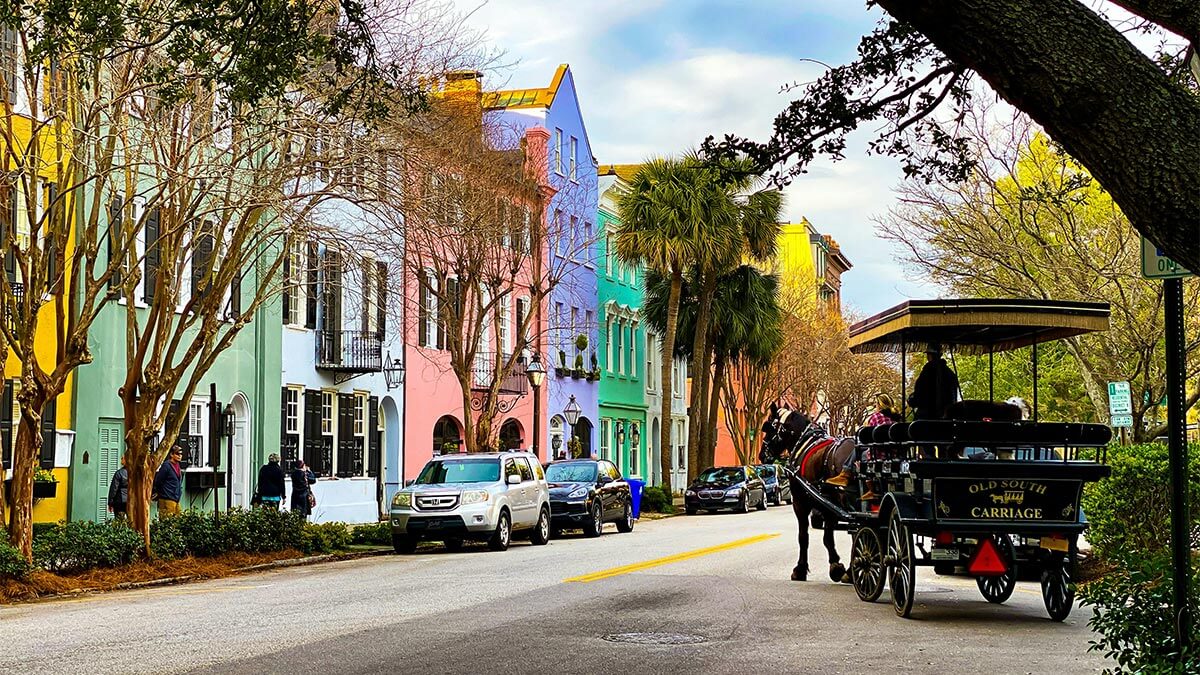
Charleston combines historic architecture, acclaimed restaurants, beaches, nightlife, tourism, and a diverse regional economy. The Charleston metro also had a 3.7% unemployment rate in July 2026.
The median sale price reached approximately $641,679, up 5.4% year over year. Housing costs, traffic, flood exposure, and insurance are important tradeoffs. Buyers considering the area can read more about living in Charleston and compare the best neighborhoods in Charleston.
4. Tega Cay: Best for Safety and Lake Living
Tega Cay combines Lake Wylie recreation with suburban living and access to Charlotte. Its exceptionally low violent-crime rate makes it particularly attractive to families and buyers who place safety near the top of their list.
That appeal comes at a price. The median sale price was approximately $614,692 in the three months ending July 2026, up 5.1% year over year. Tega Cay is best viewed as a premium Charlotte-area option rather than an affordability choice.
5. Columbia: Best for Affordable Big-City Living
Columbia offers one of the better combinations of affordability and employment stability among South Carolina’s larger cities. State government, the University of South Carolina, healthcare, and other institutions help support its economy.
The median sale price was approximately $279,860, up 1.8% year over year. The metro unemployment rate was 4.0% in July 2026. Columbia lacks Charleston’s beaches and Greenville’s mountain access, but its lower housing costs make it a practical choice for buyers prioritizing value.
6. Mount Pleasant: Best Premium Coastal Suburb
Mount Pleasant provides suburban neighborhoods, strong safety, Charleston access, and proximity to beaches. It works particularly well for higher-income households seeking coastal living without being in central Charleston.
Housing is the major barrier. The median sale price was approximately $911,543 in the three months ending July 2026, making Mount Pleasant the most expensive market in this ranking.
7. Rock Hill: Best Value Near Charlotte
Rock Hill offers access to Charlotte for considerably less than Fort Mill or Tega Cay. The city has grown into an appealing option for commuters and families who want more space without paying the area’s highest suburban premiums.
Its median sale price was approximately $324,837, roughly unchanged from a year earlier. Buyers should compare individual neighborhoods carefully because school performance and safety can vary across the city.
8. Spartanburg: Best Affordable Upstate City
Spartanburg provides access to the growing Upstate economy at a much lower housing price than Greenville. Manufacturing, logistics, healthcare, and redevelopment continue to support the area.
The median sale price was approximately $220,390, down 5.5% year over year. That makes Spartanburg the least expensive housing market among our top 10. The tradeoff is that neighborhood conditions and safety vary, so location-specific research is important.
9. Myrtle Beach: Best for Affordable Coastal Recreation
Myrtle Beach offers beaches, golf, entertainment, and relatively accessible coastal housing. Its median sale price was approximately $258,000 in the three months ending July 2026, down 6.2% year over year.
The metro job market remains heavily influenced by tourism. Employment increased 4.2% year over year in July 2026, including an 11.3% gain in leisure and hospitality, according to BLS Myrtle Beach data. Seasonal traffic, storm exposure, and tourism dependence are important drawbacks.
10. Hilton Head Island: Best for Premium Retirement
Hilton Head Island is ideal for buyers prioritizing beaches, golf, cycling, resort communities, and a slower coastal lifestyle. It is particularly popular with retirees and second-home owners.
The median sale price was approximately $752,623, down 4.7% year over year. The broader Hilton Head Island-Bluffton-Port Royal metro had a 3.8% unemployment rate in July 2026. High housing costs and coastal ownership expenses make it better suited to larger budgets.
Best Places to Live in South Carolina: Comparison
| City | Best For | Median Home Price | Cost of Living | Job Market | Safety | Lifestyle |
| Greenville | Overall | $522,590 | Moderate | Strong | Good | Downtown and outdoors |
| Fort Mill | Families | $527,486 | Medium-high | Strong regional access | Very good | Family-focused suburban |
| Charleston | Coastal culture and careers | $641,679 | High | Strong | Varies | Historic and coastal |
| Tega Cay | Safety and lake living | $614,692 | High | Strong regional access | Excellent | Lakefront suburban |
| Columbia | Affordable big-city living | $279,860 | Low-moderate | Stable | Varies | Urban and university |
| Mount Pleasant | Premium coastal suburb | $911,543 | Very high | Strong regional access | Very good | Upscale coastal |
| Rock Hill | Charlotte-area value | $324,837 | Moderate | Good regional access | Varies | Growing suburban |
| Spartanburg | Upstate affordability | $220,390 | Low | Moderate | Varies | Affordable and emerging |
| Myrtle Beach | Affordable coast | $258,000 | Moderate | Tourism-led | Varies | Beach and golf |
| Hilton Head Island | Retirement | $752,623 | High | Moderate | Generally good | Resort and golf |
Median home prices represent median sale prices for the three months ending July 2026.
Cost of Living in South Carolina: What to Expect
South Carolina can still provide good value, but costs depend heavily on location. A buyer considering Spartanburg or Columbia faces a very different housing budget from someone moving to Mount Pleasant or Hilton Head Island.
Housing is usually the largest difference. Owner-occupied primary residences can also receive favorable property-tax treatment in South Carolina, although homeowners should verify local rates and eligibility.
Coastal buyers need to budget beyond the purchase price. Homeowners insurance, wind exposure, hurricane deductibles, and flood insurance where applicable can increase ownership costs. Inland residents avoid some of these risks but still face transportation expenses and significant summer cooling costs.
Best Places to Live in South Carolina by Lifestyle
Best overall: Greenville. A strong combination of jobs, downtown amenities, recreation, and location.
Best for families: Fort Mill. Strong family appeal with Charlotte access. Tega Cay is an excellent premium alternative.
Best for safety: Tega Cay. Particularly strong safety numbers plus lake recreation and Charlotte access.
Best for young professionals: Greenville or Charleston. Greenville offers better value, while Charleston provides coastal culture and a larger tourism and hospitality scene.
Best for affordability: Spartanburg. Columbia is the better alternative for buyers who want a larger city.
Best for Charlotte commuters: Rock Hill. Fort Mill and Tega Cay are premium alternatives.
Best for retirees: Hilton Head Island. Myrtle Beach provides a considerably less expensive coastal alternative.
Best for coastal living: Charleston. Mount Pleasant is the premium suburban alternative.
Pros and Cons of Living in South Carolina
Pros
- Housing remains attainable in several inland markets.
- Greenville, Charleston, Columbia, and the Charlotte-adjacent communities provide different employment options.
- Winters are generally mild.
- Beaches, lakes, golf, and Upstate outdoor recreation offer considerable lifestyle variety.
- Buyers can choose between urban, suburban, college-town, lake, and coastal communities.
- York County provides convenient access to the Charlotte economy.
Cons
- Summers are hot and humid.
- Hurricanes and flooding are important concerns along the coast.
- Coastal insurance costs can raise the true cost of homeownership.
- Most communities are car-dependent.
- Charleston and rapidly growing suburbs can experience significant traffic.
- School quality and safety vary considerably by neighborhood.
- Premium markets such as Mount Pleasant and Hilton Head Island are expensive.
How to Choose the Best Place to Live in South Carolina
Start with your housing budget. Buyers below roughly $350,000 should focus more heavily on Spartanburg, Columbia, Rock Hill, and Myrtle Beach, while Charleston, Fort Mill, Tega Cay, Hilton Head Island, and Mount Pleasant generally require larger budgets.
Next, consider employment and lifestyle. Greenville works well for buyers wanting an inland city with outdoor access. York County makes sense for Charlotte workers. Charleston is better for people prioritizing coastal culture, while Myrtle Beach and Hilton Head cater more strongly to beach, golf, and retirement lifestyles.
Finally, research individual neighborhoods, school zones, commute times, insurance costs, and flood exposure before making a decision. Citywide averages are useful for narrowing the list, but they cannot tell you whether a specific home or neighborhood is right for you.
The Bottom Line
Greenville is our best overall place to live in South Carolina in 2026, thanks to its combination of employment growth, amenities, outdoor recreation, and housing options. Fort Mill is particularly attractive for families, Tega Cay stands out for safety, Columbia offers stronger affordability, and Charleston remains the state’s premier choice for buyers seeking a major coastal city.
If moving to South Carolina means selling your current property, understanding its value can help you establish a realistic relocation budget. iBuyer.com helps homeowners compare options and connect with buyers rather than acting as the home buyer itself. Sellers who prioritize speed can also explore options for selling a house fast or learn how cash home buyers work.
Compare Cash Offers from Top Home Buyers. Delivered by Your Local iBuyer Certified Specialist.
One Expert, Multiple Offers, No Obligation.
Know Your Local Market Before You List
Pull the last 12 months of real sales and buyer activity for your neighborhood.
Get My Market ReportFrequently Asked Questions
Greenville is our best overall choice because it combines a strong job market, downtown amenities, outdoor recreation, and more attainable housing than South Carolina’s premium coastal communities.
Tega Cay is one of South Carolina’s strongest choices for safety, with approximately 0.21 violent crimes per 1,000 residents in iBuyer.com’s latest analysis.
Spartanburg is the most affordable of these 10 locations based on housing prices, with a median sale price of approximately $220,390 for the three months ending July 2026.
Fort Mill is our top choice for families because of its family-oriented communities, safety, schools, and access to Charlotte. Tega Cay is another strong option for buyers with a larger housing budget.
Greenville and Charleston are strong choices for young professionals. Greenville offers a growing job market and better relative value, while Charleston combines employment opportunities with coastal amenities and nightlife.
Greenville is generally better for buyers seeking relative affordability, mountain access, and a growing inland economy. Charleston is better for coastal living, historic character, beaches, and cultural amenities, but housing is considerably more expensive.
Hilton Head Island is a strong premium retirement choice because of its beaches, golf, cycling, and resort communities. Myrtle Beach offers a more affordable coastal alternative.

Reilly Dzurick is a licensed real estate agent with over six years of experience and a member of the iBuyer.com Market Insights Team, covering national trends in home selling and the evolving iBuyer landscape. Her firsthand experience working with buyers and sellers gives her a practical perspective on how these platforms impact real homeowners. She holds a degree in Public Relations, Advertising, and Applied Communication.