Texas offers places to live for nearly every budget and lifestyle. Austin stands out for careers and entertainment, Plano and Frisco are strong suburban choices for families, San Antonio offers more affordable big-city living, and El Paso has some of the lowest home prices among major Texas cities.
Texas continues to attract new residents. The U.S. Census Bureau estimates the state had 31.7 million residents in July 2025, up 8.8% from its 2020 estimate base. Whether you are buying, renting, or relocating, comparing housing costs, jobs, safety, climate, and lifestyle can help narrow down the best place for you.
Best Places to Live
- Key Takeaways
- Why Texas Is One of the Best States to Live In
- Key Factors to Consider Before Moving to Texas
- How We Ranked the Best Places to Live in Texas
- Top 10 Best Places to Live in Texas in 2026
- Best Places to Live in Texas Comparison
- Cost of Living in Texas: What to Expect
- Best Places to Live in Texas by Lifestyle
- Pros and Cons of Living in Texas
- How to Choose the Best Place to Live in Texas
- Bottom Line
- Frequently Asked Questions
Key Takeaways
- Austin is a strong all-around choice for technology careers, entertainment, outdoor recreation, and young professionals, but housing remains expensive.
- Plano and Frisco work especially well for suburban families, with strong employment access and extensive parks, shopping, and community amenities.
- San Antonio combines big-city amenities with lower housing costs, with a July 2026 median sale price around $268,000.
- El Paso is one of the most affordable major Texas cities, with a median sale price around $257,000 in July 2026.
- Houston offers one of the state’s broadest job markets, especially in energy, healthcare, aerospace, manufacturing, and logistics.
- Texas has no state personal income tax, but homeowners still need to account for locally assessed property taxes, insurance, utilities, and transportation costs.
Instant Valuation, Confidential Deals with a Certified iBuyer.com Specialist.
Sell Smart, Sell Fast, Get Sold. No Obligations.
Why Texas Is One of the Best States to Live In
Texas combines a huge economy, diverse housing markets, major metropolitan areas, and a wide range of lifestyles. Residents can choose between technology-focused Austin, corporate Dallas, energy-driven Houston, historic San Antonio, smaller suburbs, Gulf Coast communities, and West Texas cities.
The labor market is large even though conditions vary by region. Texas had an unemployment rate of 4.5% in July 2026, according to the Bureau of Labor Statistics. The state’s employment base includes technology, energy, healthcare, finance, aerospace, manufacturing, logistics, education, and government.
Texas also offers plenty to do outside work. Travel and tourism generated a $201.8 billion economic impact in 2025and supported about 1.3 million Texas jobs, reflecting the state’s large number of attractions, parks, beaches, cultural destinations, and entertainment centers. Travel Texas
Key Factors to Consider Before Moving to Texas
Housing Costs
Housing prices differ significantly by city. Buyers comparing the Texas housing market should look beyond statewide averages because a home in Frisco or The Woodlands can cost more than twice as much as one in El Paso or San Antonio.
Market conditions have also become more favorable to buyers in several large Texas metros, giving shoppers more options and negotiating leverage than during the pandemic-era housing boom.
Cost of Living
Texas is not uniformly inexpensive. Housing tends to be more affordable in El Paso and San Antonio than in Austin, Plano, Frisco, or The Woodlands.
Utilities, transportation, insurance, and property taxes can also change the real monthly cost of living. Buyers focused primarily on affordability can compare the cheapest places to live in Texas separately.
Taxes
Texas has no state personal income tax. However, that does not mean homeownership is tax-free.
Texas also has no state property tax. Property taxes are assessed and collected by local governments and other taxing units, according to the Texas Comptroller.
Jobs
Where you live should partly depend on your industry. Austin is known for technology and government, Dallas-Fort Worth for finance and corporate employment, Houston for energy and healthcare, and San Antonio for healthcare, military, tourism, and cybersecurity.
Safety
Crime can vary considerably between neighborhoods even within the same city. Plano, Frisco, and The Woodlands generally appeal to people prioritizing suburban residential environments, while buyers considering larger cities should compare neighborhoods individually rather than relying on citywide averages.
Climate and Natural Hazards
Texas summers can be extremely hot. Gulf Coast residents also need to consider hurricanes, flooding, and windstorm exposure, while North Texas sees severe thunderstorms and hail.
These risks can affect both lifestyle and homeowners insurance costs.
How We Ranked the Best Places to Live in Texas
Our selections balance six factors: housing affordability, overall cost of living, employment opportunities, safety, lifestyle and amenities, and long-term desirability.
No city is best for everyone. The ranking favors places that offer a strong combination of these factors rather than simply choosing the cheapest or largest cities.
Top 10 Best Places to Live in Texas in 2026
1. Austin: Best Overall for Careers and Lifestyle
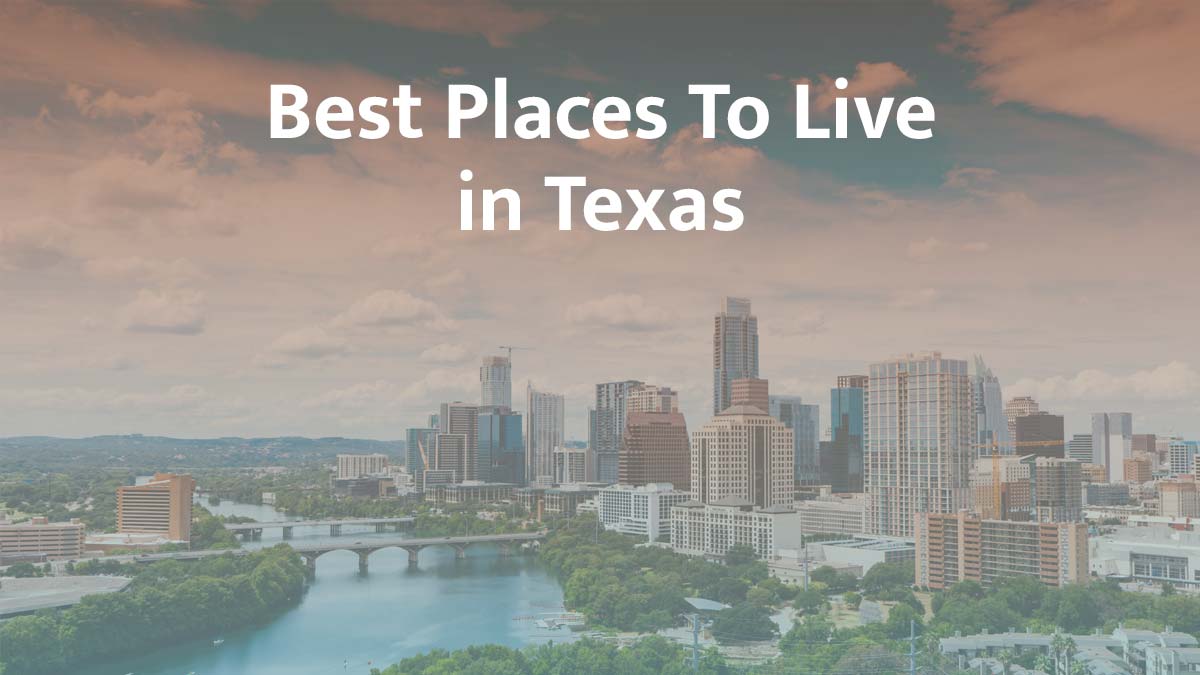
Austin combines technology jobs, state government, the University of Texas, restaurants, live music, and outdoor recreation. Barton Springs, Lady Bird Lake, and easy access to the Hill Country make it especially attractive to professionals who want both career opportunities and an active lifestyle.
The tradeoff is cost. Austin’s median sale price was about $562,000 in July 2026, up 0.8% year over year. Homes took around 52 days to sell, giving buyers more breathing room than during the city’s fastest-moving years.
Best for: Young professionals and career-focused movers
Cost of living: High
Main consideration: Housing costs and traffic
2. Dallas: Best for Career Growth
Dallas is one of Texas’ strongest choices for corporate and professional careers. Finance, technology, healthcare, telecommunications, logistics, and business services all have a major presence, while residents have access to professional sports, restaurants, museums, and entertainment.
The median home sale price was about $475,000 in July 2026, up 2.1% from a year earlier. Homes spent about 45 days on the market.
Best for: Professionals and business opportunities
Cost of living: Moderate to high
Main consideration: Traffic and long commuting distances
3. Houston: Best for Diverse Job Opportunities
Houston has one of the most diverse employment bases in Texas. Energy remains important, but healthcare, aerospace, manufacturing, international trade, and logistics also support the economy. Its restaurant and cultural scenes are among the strongest in the state.
Houston’s July 2026 median sale price was approximately $360,000, up 2.2% year over year. Homes sold in about 43 days. Buyers should pay close attention to neighborhood-specific flood history and insurance costs.
Best for: Jobs and big-city value
Cost of living: Moderate
Main consideration: Flood exposure, humidity, and traffic
4. San Antonio: Best for Affordable Big-City Living
San Antonio offers major-city amenities without Austin or Dallas-level housing prices. Healthcare, military installations, cybersecurity, and tourism support the economy, while the River Walk, Alamo, historic districts, and food scene give the city a distinct identity.
The median sale price was about $268,000 in July 2026, down 2.2% year over year. Homes spent around 59 days on the market, giving buyers more time to compare properties.
Best for: Families and affordable urban living
Cost of living: Low to moderate
Main consideration: Some industries offer fewer high-paying opportunities than Austin or Dallas
5. Fort Worth: Best for Space and DFW Access
Fort Worth gives residents access to the huge Dallas-Fort Worth employment market while maintaining its own identity. Aerospace, logistics, healthcare, manufacturing, the Stockyards, museums, and a growing restaurant scene all contribute to its appeal.
Homes sold for a median of about $340,000 in July 2026, essentially unchanged year over year, with a median 46 days on market.
Best for: Families and DFW workers wanting more space
Cost of living: Moderate
Main consideration: Car dependence and regional traffic
6. Plano: Best for Established Suburban Living
Plano is a mature Dallas suburb with major employers, parks, shopping, restaurants, and convenient access to jobs throughout North Texas. Its combination of high household incomes and suburban amenities makes it popular with professionals and families.
That popularity comes at a cost. The July 2026 median sale price was approximately $540,000, up 1.8% year over year. Homes took around 36 days to sell.
Best for: Families and established professionals
Cost of living: High
Main consideration: Home prices above the Texas average
7. Frisco: Best for Growing Families
Frisco has expanded rapidly with newer housing, parks, shopping, entertainment, and professional sports facilities. It also provides convenient access to employment centers across North Dallas.
Housing is among the most expensive on this list. Frisco’s median sale price was about $675,000 in July 2026, down 2.2% from the previous year. Homes spent around 50 days on the market.
Best for: Families wanting newer suburban amenities
Cost of living: High
Main consideration: Expensive housing and continued development
8. The Woodlands: Best for Nature and Suburban Quality of Life
The Woodlands offers a heavily landscaped, master-planned environment with extensive trails, parks, shopping, entertainment, and access to the Houston employment market. It is particularly attractive to residents who want suburban convenience without giving up outdoor recreation.
The median sale price was approximately $637,000 in July 2026, down slightly from a year earlier. Homes sold in about 22 days, making this one of the more competitive housing markets on the list.
Best for: Families and outdoor-oriented suburban living
Cost of living: High
Main consideration: Higher housing costs
9. El Paso: Best for Affordable Housing
El Paso combines comparatively inexpensive housing with a distinctive Southwestern lifestyle. Fort Bliss, healthcare, logistics, and cross-border trade support employment, while Franklin Mountains State Park gives residents unusual access to hiking and desert scenery within a major city.
The July 2026 median sale price was about $257,000, up 1.1% year over year. Homes took around 38 days to sell.
Best for: Affordable homeownership and outdoor living
Cost of living: Low
Main consideration: A smaller and less diverse employment base than Texas’ biggest metros
10. Corpus Christi: Best for Coastal Living
Corpus Christi is one of the strongest choices for people who want to live near the Gulf. The Port of Corpus Christi, energy industry, Naval Air Station Corpus Christi, and tourism support the local economy, while beaches and boating shape everyday recreation.
Homes sold for a median of about $269,000 in July 2026, down 0.5% year over year. Buyers should budget for hurricane, windstorm, and insurance risks associated with coastal living.
Best for: Coastal living and water recreation
Cost of living: Low to moderate
Main consideration: Storm exposure and insurance costs
Best Places to Live in Texas Comparison
| City | Best For | Median Home Price | Cost of Living | Job Market | Safety | Lifestyle |
| Austin | Careers and young professionals | $562,000 | High | Strong | Varies by area | Tech, music, outdoors |
| Dallas | Career growth | $475,000 | Moderate to high | Strong | Varies by area | Urban, business, arts |
| Houston | Diverse jobs | $360,000 | Moderate | Strong | Varies by area | Diverse, cultural, big-city |
| San Antonio | Affordable big-city living | $268,000 | Low to moderate | Good | Varies by area | Historic, family-friendly |
| Fort Worth | Space and DFW access | $340,000 | Moderate | Strong | Varies by area | Western culture, suburban-urban |
| Plano | Established families | $540,000 | High | Strong | Generally favorable | Suburban, parks, shopping |
| Frisco | Growing families | $675,000 | High | Strong | Generally favorable | Newer suburbs, sports |
| The Woodlands | Nature and families | $637,000 | High | Good | Generally favorable | Trails, greenery, suburban |
| El Paso | Affordable housing | $257,000 | Low | Moderate | Varies by area | Mountains, Southwestern |
| Corpus Christi | Coastal living | $269,000 | Low to moderate | Moderate | Varies by area | Beaches, boating |
Median sale prices are based on July 2026 housing-market data and are rounded to the nearest thousand dollars.
Cost of Living in Texas: What to Expect
The biggest cost difference between Texas cities is housing. Someone shopping in Frisco or The Woodlands may face prices well above $600,000, while median sale prices in El Paso and San Antonio were below $270,000 in July 2026.
Texas does not impose a state personal income tax, but homeowners should account for property taxes set by local taxing authorities. Insurance can also be significant, especially along the Gulf Coast or in areas exposed to hail, flooding, or severe storms.
Transportation is another consideration. Most Texas cities are car-oriented, which means fuel, insurance, maintenance, and commuting time should be part of a relocation budget. Buyers should also budget for substantial air-conditioning use during hot summers.
If you are planning a purchase soon, the best time to buy a house in Texas can depend on both local inventory and seasonal demand.
Best Places to Live in Texas by Lifestyle
Best for young professionals: Austin. Its technology economy, entertainment scene, and outdoor amenities make it one of the strongest choices for career-focused younger adults.
Best for families: Plano or Frisco. Both provide suburban amenities and access to the broader Dallas-Fort Worth job market, although housing costs are considerably higher than the state average.
Best for affordable big-city living: San Antonio. Buyers get a major metropolitan area, broad amenities, and lower housing costs than Austin or Dallas.
Best for career opportunities: Dallas. Its diversified corporate economy gives workers access to a wide range of industries. Houston is another strong choice, particularly for energy, healthcare, aerospace, and logistics.
Best for affordable housing: El Paso. Its median sale price is one of the lowest among Texas’ major cities.
Best for nature and suburban living: The Woodlands. Trails, parks, greenery, and easy access to Houston make it a distinctive suburban option.
Best for coastal living: Corpus Christi. Beaches, boating, and Gulf Coast access define the lifestyle.
Pros and Cons of Living in Texas
| Pros | Cons |
| No state personal income tax | Property taxes can add significantly to housing costs |
| Large and diverse job market | Very hot summers |
| Wide range of housing prices | Many communities require a car |
| Major metropolitan economies | Traffic in Austin, Houston, and DFW |
| Strong food, sports, and cultural scenes | Hurricane and flood risks in some areas |
| Beaches, lakes, parks, and Hill Country | Insurance costs can be high in risk-prone areas |
| Many suburban and urban lifestyle choices | Affordability varies widely by city |
How to Choose the Best Place to Live in Texas
Start with your total housing budget rather than purchase price alone. Include property taxes, homeowners insurance, utilities, transportation, and any flood or wind coverage you may need.
Then consider employment. Austin, Dallas, Houston, and San Antonio have very different economic strengths, so proximity to the right industry may matter more than statewide rankings.
Commute times and neighborhood choice are equally important. Texas metros cover large geographic areas, and two neighborhoods in the same city can offer very different housing prices, schools, amenities, and safety conditions.
Finally, think about lifestyle. Someone who wants music and nightlife may prefer Austin, while a buyer prioritizing space could choose Fort Worth. The Woodlands suits nature-oriented suburban living, El Paso offers mountain scenery, and Corpus Christi provides Gulf Coast access.
Bottom Line
The best place to live in Texas depends on what matters most to you. Austin and Dallas lead for careers, Plano and Frisco stand out for suburban living, San Antonio offers big-city value, El Paso keeps housing costs lower, and Corpus Christi provides a coastal alternative.
If a move to Texas also means selling your current property, review what is involved in selling a house in Texas or compare cash home buyers in Texas. Sellers who want to understand their starting point can also get a home value estimate or explore options for a cash offer.
Compare Cash Offers from Top Home Buyers. Delivered by Your Local iBuyer Certified Specialist.
One Expert, Multiple Offers, No Obligation.
Know Your Local Market Before You List
Pull the last 12 months of real sales and buyer activity for your neighborhood.
Get My Market ReportFrequently Asked Questions
Austin is one of the strongest overall choices for careers, entertainment, and outdoor recreation, but the best city depends on your budget and lifestyle. Plano and Frisco work well for suburban families, while San Antonio and El Paso offer lower housing costs.
Plano and Frisco are strong choices for families because of their suburban amenities, parks, employment access, and residential communities. Both have higher housing costs than many other Texas cities.
El Paso is one of the most affordable major Texas cities on this list. Its median home sale price was about $257,000 in July 2026, compared with roughly $562,000 in Austin and $675,000 in Frisco.
Dallas, Austin, and Houston offer some of the broadest career opportunities. Dallas has a diverse corporate economy, Austin is strong in technology and government, and Houston leads in energy, healthcare, aerospace, and logistics.
Texas can be affordable or expensive depending on the location. Housing is relatively inexpensive in cities such as El Paso and San Antonio, while Austin, Plano, Frisco, and The Woodlands have much higher home prices.
Texas can work well for retirees who value warm weather, no state personal income tax, and a wide choice of communities. Healthcare access, property taxes, insurance costs, summer heat, and proximity to family should all factor into the decision.
Compare housing costs, local property taxes, insurance, job opportunities, commute times, climate risks, and neighborhood-level safety before choosing a location. Costs and living conditions vary significantly across the state.

Reilly Dzurick is a licensed real estate agent with over six years of experience and a member of the iBuyer.com Market Insights Team, covering national trends in home selling and the evolving iBuyer landscape. Her firsthand experience working with buyers and sellers gives her a practical perspective on how these platforms impact real homeowners. She holds a degree in Public Relations, Advertising, and Applied Communication.