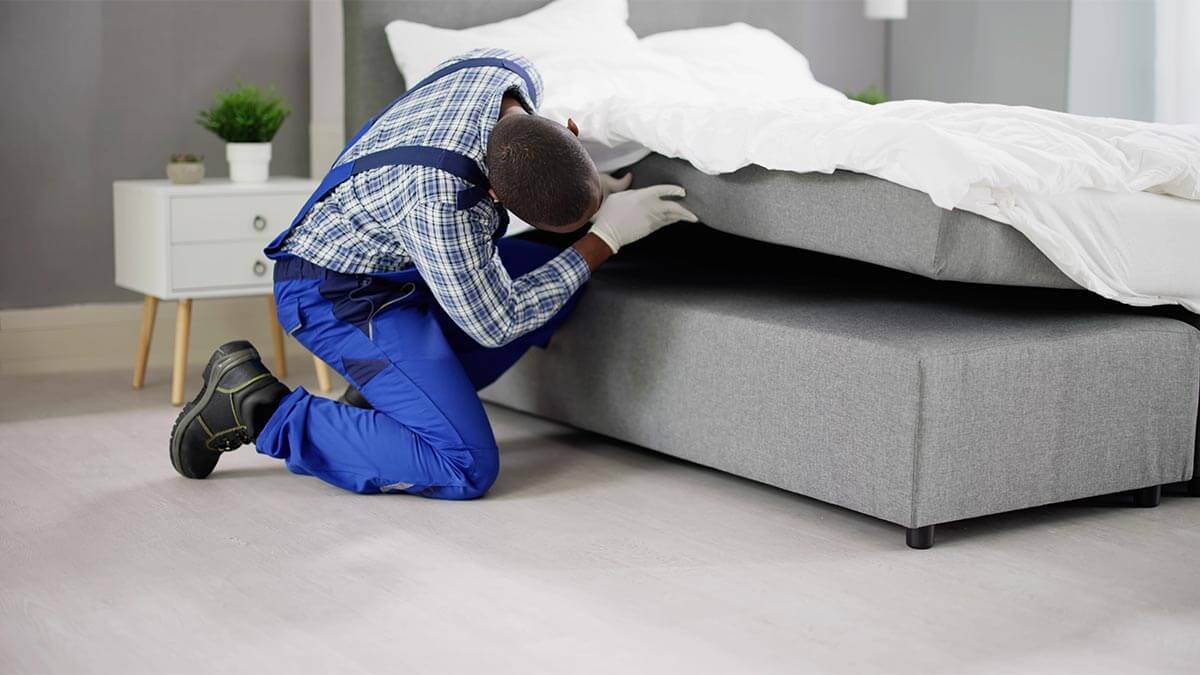
In most states, sellers are legally required to disclose a known bed bug infestation as a material defect before closing. There is no single federal rule, so the exact obligation depends on your state, but the pattern is consistent: selling with bed bugs is legal, concealing them is not.
Buyers pay 2% to 5% in closing costs; sellers pay a different kind of price when they skip disclosure. Courts across the country have ordered sellers to cover extermination costs, furniture replacement, temporary housing, and in some states, triple damages for willful concealment. The math almost always favors honesty.
This guide covers state-by-state disclosure rules, what to put in a disclosure statement, treatment costs, legal consequences of non-disclosure, how cash buyers handle pest conditions, and how bed bugs spread so you understand your liability during showings.
Table of contents
- Is It Legal to Sell a House With Bed Bugs?
- Bed Bug Disclosure Laws by State
- What Goes in a Bed Bug Disclosure Statement?
- Should You Treat Bed Bugs Before Selling?
- What Happens If You Don’t Disclose Bed Bugs?
- Selling As-Is With Bed Bugs: What to Expect
- How Bed Bugs Spread and Why It Matters for Sellers
- Disclosure in Practice: A Seller’s Scenario
- Frequently Asked Questions
Sell With Bed Bugs, No Repairs Required Cash buyers skip the inspection contingency that kills most pest-condition deals.
No repairs, no contingencies, no surprises.
Is It Legal to Sell a House With Bed Bugs?
No, it is not illegal to sell a house with bed bugs in the United States, but legality depends almost entirely on disclosure. There is no federal criminal statute that bans the sale of a home with an active infestation. The operative risk is civil, not criminal.
Think of it like selling a used car with a known mechanical problem. You can sell it, but if you hide the defect and the buyer discovers it later, you face fraud claims, not a parking ticket. The same logic applies to bed bugs in a real estate transaction.
Michigan offers a useful state-specific example. Under the Michigan Consumer Protection Act, sellers who misrepresent property conditions, including concealing a known pest issue, face civil liability beyond the standard disclosure statute. The principle holds broadly: disclosure removes your legal exposure; concealment creates it.
You can sell a house with bed bugs and close without issues. What you cannot do is pretend the problem doesn’t exist.
Bed Bug Disclosure Laws by State
There is no single federal disclosure law for bed bugs. Requirements come from state statutes, and they fall into two categories: states with explicit bed bug language and states that rely on a general material defect standard. The NAR seller disclosure consumer guide confirms this state-by-state variation applies to most pest-related conditions.
States with explicit bed bug disclosure rules
Some states name bed bugs or pest infestations directly in their disclosure requirements. These leave little room for interpretation.
- New York: Co-op and multifamily sellers must disclose bed bug history. Landlords are required to post a one-year bed bug history under NYC Administrative Code. Single-family sellers still face general disclosure obligations.
- California: The Transfer Disclosure Statement (Civil Code §1102) requires sellers to disclose known pest problems. A current or recent bed bug infestation falls squarely within that requirement.
- Illinois: The Illinois Residential Real Property Disclosure Act requires sellers to disclose known insect or pest infestations. Bed bugs are covered by name under this standard.
For additional context on how pest and environmental disclosures work alongside other state-specific landlord rules, state-by-state landlord pest disclosure rules from Nolo cover the tenant-side obligations that run parallel to seller duties in many jurisdictions.
States using the material defect standard
Most states do not mention bed bugs specifically but require disclosure of any known material defect. Courts have consistently interpreted active infestations as material defects.
| State | Explicit bed bug law? | Covered under material defect? | Key rule |
|---|---|---|---|
| California | Yes (pest disclosure) | Yes | Transfer Disclosure Statement; Civil Code §1102 |
| New York | Yes (multifamily/co-op) | Yes | NYC Admin Code bed bug history requirement |
| Illinois | Yes (insect/pest) | Yes | IL Residential Real Property Disclosure Act |
| Maryland | No | Yes | Latent defect disclosure law applies |
| Virginia | No | Yes | Residential Property Disclosure Act; material defect standard |
| Ohio | No | Yes | 5-year defect disclosure window applies to known conditions |
| Florida | No | Yes | “Environmental conditions” and material defect language |
| Texas | No | Yes | Seller’s Disclosure Notice; material defect category |
| Michigan | No | Yes | Michigan Consumer Protection Act applies to misrepresentation |
| Washington DC | No | Yes | DC Consumer Protection Procedures Act; latent defect standard |
Based on state statute review and published real estate disclosure guidance. Verify current requirements with a licensed real estate attorney in your state before transacting.
You can also review conditions that fall under the same material defect standard, such as selling a house with mold, which follows identical disclosure logic in most states.
What Goes in a Bed Bug Disclosure Statement?
A bed bug disclosure statement gives buyers the documented facts they need to make an informed decision. Whether it appears on your state’s official seller disclosure form or as a separate written addendum, the goal is the same: specific, dated, verifiable information.
Vague statements like “home had a pest issue” leave gaps that courts can fill against you. Specificity protects you. Here is what a thorough disclosure should include:
- Date or date range of the infestation
- Rooms or areas where bugs were found
- Treatment method used (heat treatment, chemical, or DIY) and the date it was performed
- Name of the pest control company, if professional treatment was done
- Whether any follow-up inspection was completed and the result
- Whether a pest control warranty exists and whether it transfers to the buyer
Sellers should also confirm whether a transferable warranty is available. Buyers increasingly order pest-specific inspections or canine detection services, especially in markets with known bed bug prevalence. According to the EPA’s bed bug detection guidance, the signs of an active infestation are often visible to a trained eye. Assuming bugs won’t be found is not a safe strategy.
A sample disclosure sentence that works as a starting point: “Seller discloses a bed bug infestation identified in the master bedroom and living room on [date]. Professional heat treatment was performed by [Company Name] on [date]. A follow-up inspection on [date] found no active infestation. A one-year warranty is transferable to the buyer upon request.”
Attach any inspection reports, extermination receipts, and warranty documents to the disclosure package before presenting it to buyers.
Should You Treat Bed Bugs Before Selling?
Treating before listing typically costs less than the price concessions, renegotiations, or post-close disputes that come from selling with an active infestation. But it isn’t always the right move for every seller.
Cost of professional extermination
Professional bed bug treatment runs $300 to $1,500 for most single-family homes, depending on square footage and method. According to professional extermination methods and costs from the National Pest Management Association, the most common methods are:
- Heat treatment: Typically $1,000 to $1,500 for a full home. Kills all life stages in a single visit without chemicals. Most buyers view a heat treatment receipt as strong evidence of a resolved issue.
- Chemical treatment: Usually $100 to $500 per visit. Often requires two or three appointments to break the egg-to-adult cycle. Total cost can rival heat treatment if multiple visits are needed.
- DIY treatment: Generally not effective for full infestations. Over-the-counter sprays rarely penetrate wall voids or mattress seams where eggs hide.
Some companies offer transferable warranties after treatment. That warranty becomes a selling tool: it gives buyers concrete assurance that a professional stands behind the work, which reduces post-close dispute risk considerably.
Buyers also weigh visible condition signals broadly. Carpet and flooring often need replacement after a significant infestation because bugs shelter in carpet fibers and baseboards. Understanding how flooring condition affects a home sale can help you decide whether a full-condition refresh or an as-is cash sale better fits your situation.
When skipping treatment makes sense
If your budget doesn’t allow treatment, Selling as-is to a cash buyer or investor is a viable path, provided you disclose fully and price to account for the remediation cost. Cash buyers typically build extermination estimates into their offer rather than using them as a reason to walk. Traditional buyers with financed offers are a different story: lenders on conventional loans can require a pest-free inspection before funding, which means a financed buyer may not be able to close on an active infestation even if they want to.
What Happens If You Don’t Disclose Bed Bugs?
Failing to disclose a known bed bug infestation exposes you to civil liability that can exceed the cost of treatment many times over. The legal bar buyers must clear is not whether bugs existed after closing. It is whether the seller knew, or should have known, and failed to say so.
Legal claims buyers can bring
Buyers in this situation typically pursue one or more of the following claims:
- Fraudulent misrepresentation: The seller actively stated there were no pest issues when they knew otherwise.
- Concealment: The seller omitted a material fact they had a duty to disclose.
- Breach of contract: The seller’s representations in the purchase agreement were false.
- Warranty of habitability: More common in rental disputes, but occasionally applied to residential sales in certain states.
The Maryland latent defect disclosure ruling illustrates how courts treat this: sellers who know about a latent defect and fail to disclose it face liability even when the defect was not visible during a standard inspection. That principle applies broadly across most jurisdictions.
Damages buyers can recover include extermination costs, furniture replacement (bed bugs render mattresses and upholstered items unusable), temporary housing costs if the home requires vacating for heat treatment, and emotional distress.
Can you sue a seller for not disclosing bed bugs?
Yes. If a seller knew about a bed bug infestation and failed to disclose it, a buyer can sue for fraudulent misrepresentation, concealment, or breach of contract. The buyer generally must prove the seller had actual or constructive knowledge, not merely that bugs were present after closing.
Some states allow treble (triple) damages for willful concealment. A seller who hid an active infestation to close at full price can face a judgment three times the actual damages. In extreme cases, courts have allowed rescission, meaning the buyer can force an unwinding of the sale entirely.
The consequences of concealment also extend to sellers who face parallel complaints about other hidden conditions. The legal exposure for selling a house with structural issues that were concealed follows the same framework: courts treat undisclosed material defects, whether pest-related or structural, as the same category of actionable harm.
Selling As-Is With Bed Bugs: What to Expect
Selling as-is with a disclosed bed bug condition is a practical option, particularly when time or budget limits your ability to treat before listing. The key phrase is “with a disclosed condition.” Selling as-is does not create an exception to disclosure requirements.
How cash buyers handle disclosed infestations
Cash buyers and real estate investors are the most receptive audience for an as-is pest-condition sale. They expect properties to have issues and factor remediation costs into their offer rather than using those costs as a reason to exit. For sellers with a disclosed infestation, a cash buyer eliminates the biggest transactional risk: a financed buyer walking during an inspection contingency window.
Conventional lenders can require pest inspections before funding, and an active infestation may trigger a loan denial or a mandatory repair requirement before closing. A cash sale removes that obstacle entirely.
If you are considering this route, read through selling a house as-is to understand how pricing, negotiation, and buyer expectations differ from a standard listed sale.
For sellers in states without explicit bed bug laws, the material defect standard still applies. Oklahoma, for example, uses a broad material defect disclosure framework with no bed bug-specific language. Understanding the rules for your specific situation before listing, including what the selling a house in poor condition framework requires at the state level, helps you structure your disclosure package correctly regardless of geography. Sellers selling a distressed home in Oklahoma or similar material-defect states should apply the same disclosure logic as any active pest condition.
As-is listing language that protects you
Use direct, factual language in your listing and all written communications with buyers:
- “Home sold as-is with known pest condition; seller disclosure attached.”
- “Active bed bug infestation disclosed; professional extermination estimate available upon request.”
- “Seller has completed professional heat treatment [date]; warranty transfers to buyer.”
Provide any inspection reports or treatment quotes with the disclosure package. This signals good faith and reduces the likelihood of a post-close dispute, because the buyer cannot claim they were surprised by a condition you documented in writing before they signed.
For investors experienced with distressed properties, the disclosed condition is expected. For financed buyers, it creates lender complications that often make a clean close impossible without prior treatment.
How Bed Bugs Spread and Why It Matters for Sellers
Understanding how bed bugs move from one location to another is directly relevant to your liability during the listing and showing period.
Do bed bugs spread person to person?
Bed bugs do not spread person to person the way a contagious illness does. According to bed bug transmission routes documented by Healthline, bed bugs do not live on the human body like lice. They are not parasites that travel on a host. They hitchhike on objects.
This distinction matters for sellers because it clarifies the mechanism of re-infestation risk after treatment.
Can a visitor bring bed bugs into your home?
Yes. According to how bed bugs travel between homes documented by Purdue Extension, bed bugs are expert hitchhikers that move between locations on clothing, luggage, backpacks, and used furniture. Common transmission routes include:
- Clothing or shoes from an infested location (a hotel, a friend’s apartment, a used furniture store)
- Bags, backpacks, or luggage set on an infested surface
- Shared walls, plumbing chases, or utility conduits in attached or multifamily buildings
For sellers who have completed professional treatment, the showing period creates a genuine re-infestation window. A buyer or agent who unknowingly carries bugs from another location can introduce them to your treated home before closing. Practical mitigation steps include limiting access to recently treated rooms during showings, requesting that visitors leave large bags at the door, and scheduling a follow-up inspection close to the closing date to confirm the treated condition persists.
Disclosure in Practice: A Seller’s Scenario
A seller in the Atlanta metro discovered a bed bug infestation in two bedrooms six weeks before a planned listing date. Rather than listing and hoping for the best, they contacted a pest control company for a professional inspection, completed heat treatment on both affected rooms for $1,100, and obtained a one-year transferable warranty.
The seller’s agent disclosed the infestation date, treatment date, method, and warranty details on the Georgia property disclosure form and attached the extermination receipt. Three offers came in within the first ten days: two from financed buyers and one from a cash buyer representing a local investment group. The financed buyers’ lender required a pest-clear letter, which the treatment receipt and follow-up inspection satisfied. The home closed in 22 days at 97% of list price.
The outcome matched a pattern observed across disclosed-condition sales: proactive disclosure with supporting documentation produces faster, cleaner closings than delayed disclosure or concealment. Buyers who are surprised by an infestation after closing are adversarial; buyers who received full documentation before signing are informed.
If you work with a real estate advisor, ask specifically about their experience with pest-condition disclosures in your market. The handling of the disclosure conversation with buyers often determines whether the deal proceeds or falls apart on emotion rather than fact.
A cash offer eliminates the biggest risk of a disclosed bed bug condition: a buyer walking away after their inspection contingency triggers. Cash buyers through iBuyer.com are experienced with as-is properties and don’t require you to treat before closing. Enter your address to receive competing cash offers and choose the closing date that works for your timeline — no repairs, no contingencies, no surprises.
Disclosed Infestation? Get a Cash Offer Multiple vetted buyers compete for your home — condition included, close in 7-30 days.
Compare offers, pick your close date, move on your terms.
Frequently Asked Questions
Yes — in most states, sellers are legally required to disclose a known bed bug infestation as a material defect before closing. There is no single federal disclosure law, so requirements depend on state statute. Some states name bed bugs explicitly; others require disclosure under broader material defect or environmental condition clauses. When in doubt, disclosure protects you from post-close liability.
No — selling a house with bed bugs is not illegal in any U.S. state, but failing to disclose a known infestation can expose you to civil liability. The legal risk is not the sale itself but concealment. Courts have sided with buyers who proved the seller knew about an infestation and omitted it from the disclosure form. Disclosure removes the legal exposure; concealment creates it.
Yes — a buyer can sue a seller for not disclosing bed bugs if the seller had knowledge of the infestation and failed to reveal it before closing. Legal claims typically include fraudulent misrepresentation, concealment, or breach of contract. Damages can include extermination costs, furniture replacement, temporary housing, and in some states, treble damages for willful concealment.
In most states, yes — bed bugs must appear on the seller disclosure form either through a specific pest question or under the broader material defect category. California’s Transfer Disclosure Statement covers pest problems directly. New York requires disclosure for co-ops and multifamily units. States like Florida and Texas use material defect language, which courts have interpreted to include active infestations.
If you knowingly conceal a bed bug infestation and the buyer discovers it after closing, you can be sued for damages including extermination costs, replacement furniture, and temporary housing. Some states allow triple damages for willful concealment. The legal threshold is actual or constructive knowledge — you do not have to have admitted awareness; circumstantial evidence is often sufficient.
No — not all states have explicit bed bug disclosure laws, but most require disclosure of any material defect, which courts have interpreted to include active infestations. New York and California have explicit rules. Illinois requires disclosure of known insect infestations under its residential disclosure act. Florida, Texas, and Ohio rely on general material defect language.
Professional bed bug extermination costs between $300 and $1,500, depending on home size and treatment method. Heat treatment kills all life stages in one visit and typically runs at the higher end of that range. Chemical treatments may cost less per visit but often require multiple appointments. Some pest control companies offer transferable warranties, which can reassure buyers and support your asking price.
Yes — you can sell a house with bed bugs as-is, but you must still disclose the infestation to the buyer before closing. Cash buyers and investors are the most receptive to as-is pest-condition sales; they typically price in the remediation cost and don’t require treatment before closing. Traditional buyers with financing contingencies are more likely to walk or renegotiate after a pest disclosure.
Standard home inspectors do not typically inspect for bed bugs unless signs are visually obvious during a walkthrough. Buyers who are concerned can hire a pest-specific inspector or a canine detection service, which are increasingly common in markets with known bed bug prevalence. Sellers should not assume the bugs won’t be discovered — disclosure remains the safer path regardless of inspection likelihood.
No — standard homeowner’s insurance policies do not cover bed bug extermination because infestations are classified as a maintenance issue, not sudden accidental damage. Some specialty pest policies exist but are uncommon. Sellers typically pay treatment costs out of pocket or factor them into sale negotiations. Confirm coverage details with your insurer before assuming any reimbursement.
Yes — a visitor or showing attendee can inadvertently introduce bed bugs into your home by carrying them on clothing, bags, or luggage from an infested location. Bed bugs do not live on human bodies like lice; they hitchhike on belongings. For sellers who have completed treatment, limiting access to treated rooms or requesting visitors leave bags at the door are practical steps to reduce re-infestation risk before closing.
A bed bug disclosure statement should include the date of the infestation, the rooms affected, the treatment method used, and whether any follow-up inspection or warranty is in place. Be specific rather than vague — courts view precise disclosures more favorably than general statements. Attach any pest inspection reports or extermination receipts as supporting documentation when you present the disclosure to buyers.

Reilly Dzurick is a licensed real estate agent with over six years of experience and a member of the iBuyer.com Market Insights Team, covering national trends in home selling and the evolving iBuyer landscape. Her firsthand experience working with buyers and sellers gives her a practical perspective on how these platforms impact real homeowners. She holds a degree in Public Relations, Advertising, and Applied Communication.