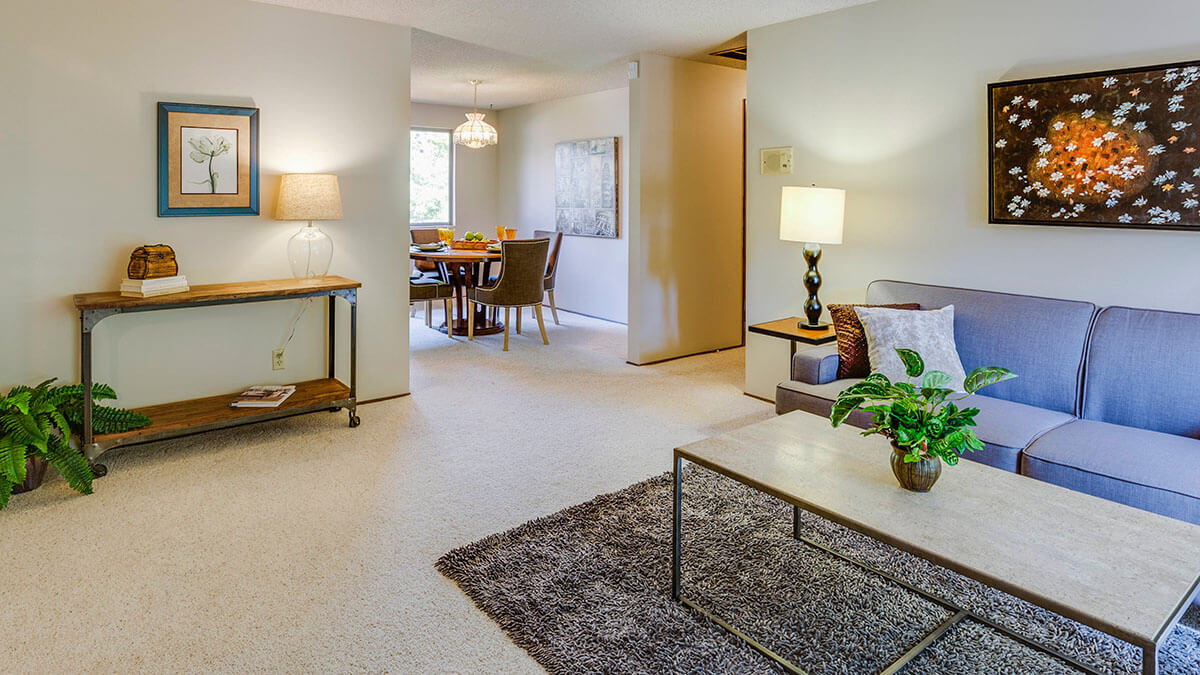
An open house is a scheduled event, typically 1 to 3 hours on a weekend afternoon, when a home for sale is open for public viewing without an appointment. Buyers walk through at their own pace while the listing agent answers questions and collects visitor contact information. The seller vacates the property. No booking, no mortgage pre-approval, and no buyer’s agent required to walk through the door.
For sellers, the number that changes the decision is this: according to NAR’s annual Profile of Home Buyers and Sellers, only 2% of buyers find the home they ultimately purchase through an open house or yard sign. That figure shapes every real choice about whether hosting one makes sense, when to do it, and when to skip it entirely.
This guide covers what is an open house and how it differs from a broker event, the five-stage process for buyers and sellers, open house etiquette for buyers, a direct answer to the question do open houses work based on NAR data, how to prepare your home for an open house, and what alternatives exist when the traditional listing path isn’t right.
Open House
- What is an open house?
- How do open houses work?
- Do you just show up to an open house?
- Open house etiquette for buyers
- Why don’t realtors like open houses?
- Open houses vs. private showings
- How to prepare your home for an open house
- Do open houses actually sell homes?
- Alternatives to hosting an open house
- Frequently Asked Questions
Skip the Showings, Get Competing Offers Compare cash offers from vetted buyers without staging, open houses, or agent fees
No prep, no strangers, no obligation.
Know Your Local Market Before You List
Pull the last 12 months of real sales and buyer activity for your neighborhood.
Get My Market ReportWhat is an open house?
What is an open house in practice? A scheduled home viewing event open to any buyer during a posted time window, typically 1 to 3 hours on a Saturday or Sunday afternoon, with no appointment required. The listing agent hosts the event. The seller is not present. Visitors sign in, walk through at their own pace, and can ask the agent questions about the property.
Some sellers hold their own open houses as part of a for-sale-by-owner strategy, managing the event without a real estate agent. These events require more coordination from the seller and may draw less traffic because the listing typically reaches a narrower marketing network than an agent-listed property does.
What makes an open house different from a private showing
Understanding the open house vs private showing difference is the starting point for most buyers choosing between the two formats. A private showing is a one-on-one, scheduled home tour arranged through a buyer’s agent at a specific time. The agent hosts only that buyer and their party. At an open house, the listing agent manages multiple visitors simultaneously, and every conversation within earshot can be heard.
The practical difference matters: at a private showing, you can speak freely about your impressions, timeline, and offer strategy. At an open house, the listing agent is listening and will relay attendee reactions to the seller in the post-event debrief.
Broker open houses vs. public open houses
A broker open house is a private, agent-only event held before the public listing goes live or in the first week on market. The listing agent invites local buyer’s agents to walk through so they can recommend the home to their own buyer clients. These events typically run around 1 hour on a weekday morning.
The listing agent uses feedback from attending agents to identify pricing or condition concerns before the public event. Sellers rarely attend a broker open house. The public event follows, usually on the first available weekend after the home lists.
How do open houses work?
The five-stage process runs from scheduling and preparation through post-event seller debrief. Buyers need to understand stages three through five. Sellers need to own all five.
How to Attend an Open House as a Buyer
-
Find Upcoming Open Houses
Search for open houses in your target neighborhoods on real estate websites or ask your buyer’s agent for the latest schedule. Most open houses are advertised on the MLS and syndicated to major real estate platforms one to two weeks before the event.
-
Arrive During the Scheduled Open House
Visit the property during the posted open house hours. Arriving early gives you more time to explore the home carefully and ask questions before the event becomes crowded.
-
Sign In With the Listing Agent
Provide your name and contact information on the sign-in sheet or digital registration form. If you are represented by a buyer’s agent, share their contact information so all future communication is directed through them.
-
Tour the Home Carefully
Walk through every room and evaluate the home’s layout, condition, natural light, storage space, and overall maintenance. Check for signs of water damage, unusual odors, or visible repair issues while respecting the seller’s property.
-
Ask Questions About the Property
Ask the listing agent about the age of major systems, recent updates, how long the property has been on the market, whether offers have been received, and any other information that may influence your decision.
-
Request the Seller’s Disclosure
If you are seriously considering the home, request a copy of the seller’s disclosure documents before leaving. Reviewing these disclosures early can help you identify known property issues before making an offer.
-
Review the Property With Your Buyer’s Agent
Discuss your impressions with your buyer’s agent soon after the open house. They can review comparable sales, evaluate the home’s value, and help you decide whether to schedule a private showing or prepare an offer.
Step 1: Scheduling and preparing the home
The listing agent schedules the open house 1 to 2 weeks out. That window supports full marketing deployment. The seller deep-cleans, completes minor repairs, arranges home staging, and makes a plan for where to be during the event. Pets leave the property entirely, not just a single room.
Step 2: Marketing the event
The listing agent posts the open house to the MLS, which feeds automatically to Zillow, Realtor.com, and Redfin. Per open house marketing overview, agents also share the event on social media, email the local agent network, and place yard signs in the surrounding neighborhood 24 to 48 hours before the event. The MLS syndication and yard signs together drive most of the foot traffic.
Step 3: What happens on the day
The listing agent arrives early, opens all blinds, turns on interior lights, and sets up the sign-in sheet near the entry or kitchen. The agent greets each visitor at the door, describes the home’s layout, and stays available for questions throughout the home tour. Sellers do not attend.
Step 4: Sign-in and touring
Every visitor is expected to sign in with their name and contact information. A walk-through at an open house typically takes 15 to 30 minutes. Buyers can ask about list price history, neighborhood sales data, and the seller’s timeline. The agent cannot and should not discuss the seller’s minimum acceptable price.
Step 5: Post-event follow-up
Within 24 to 48 hours after the event, the listing agent follows up individually with every attendee who provided contact information, gauges interest level, and compiles feedback for the seller. That debrief covers price reaction, condition concerns, and layout impressions. The seller uses it to decide whether to adjust the asking price, make additional repairs, or schedule another open house. This step is consistently missing from buyer-focused open house guides, and it is the part of the process that gives sellers the clearest picture of where they stand.
Do you just show up to an open house?
Yes. For most public open houses, you can arrive during posted hours without an appointment. The standard process is to walk up, knock or ring the bell if the front door is closed, and sign in when the agent asks. Per open house visitor guide, no booking, no pre-approval documentation, and no buyer’s agent is required to walk through a publicly listed open house.
What to do when you arrive
Knock before entering even if the door appears open, particularly if you arrive at the very start of the event. The agent may still be setting up. Sign in when asked, introduce yourself, and let the agent know if you’re already working with a buyer’s agent. That disclosure ensures all follow-up goes to your representative. You are not required to bring mortgage pre-approval documentation to attend any public open house.
What if the front door is closed?
Ring the doorbell or knock firmly. Some agents close the door between visitors for security. If no one answers within a minute, check the yard signs and the listing to confirm the address and scheduled hours. Do not enter through any door other than the front without the agent’s direction.
Open house etiquette for buyers
Good open house etiquette protects you as a buyer by preventing you from accidentally sharing information with an agent whose job is to represent the seller’s interests. The guidelines below cover open house etiquette from arrival through departure.
When you arrive: sign-in and introductions
Sign in when asked. The listing agent uses the sign-in sheet to follow up with each attendee, and the seller uses it to track who viewed the home. Per open house sign-in guide, signing in is standard practice at every open house and is considered a basic courtesy regardless of whether a specific state legally requires it.
Disclose your buyer representation. If you have a buyer’s agent, say so when you sign in. This prevents the listing agent from treating you as an unrepresented buyer or attempting to represent both sides of a potential transaction.
While touring: what you can and cannot do
Ask before photographing. Most sellers and agents allow photos and short video, but asking first is expected. Some sellers have security cameras running inside during the event.
Avoid opening private drawers, cabinets, or closed doors unless the listing agent specifically invites you to. Closets and kitchen cabinets are generally open for inspection. Nightstands, filing cabinets, and anything behind a closed door the agent hasn’t pointed you toward are not.
Remove shoes or use booties if requested. Agents frequently provide disposable booties near the entrance for homes with hardwood floors, new carpet, or light-colored rugs.
Keep negative comments to yourself. The listing agent reports attendee reactions to the seller after every event. Critical remarks made inside the home can surface in those reports and affect negotiating dynamics if you later submit an offer.
Questions worth asking the listing agent
Ask about the age of the roof, HVAC system, and water heater. Ask how long the home has been listed and whether any offers are currently pending. Ask whether a seller’s disclosure packet is available to take with you. These questions are routine and appropriate. Asking about the seller’s personal motivation, financial situation, or minimum acceptable price is not.
What to avoid saying at an open house
Don’t discuss your financial position or offer strategy. The listing agent represents the seller, not you. Mentioning your pre-approval amount, your willingness to go above the list price, or your timeline hands the seller’s agent information that will be used in negotiation.
Don’t sign a buyer representation agreement on the spot with the listing agent. Post-NAR settlement (August 2024), buyer representation agreements are required in many states before agents tour homes with buyers. At a public open house, you attend independently and no agreement is required from you. If the listing agent asks you to sign any document at the event, have your own attorney or buyer’s agent review it before signing.
Why don’t realtors like open houses?
Skepticism among experienced agents is grounded in data, not personal preference. The question of whether do open houses work more for the agent’s prospecting pipeline than for the seller’s bottom line has real evidence behind it.
The effectiveness problem: what NAR data shows
Only 2% of buyers find the home they ultimately purchase through an open house or yard sign, according to NAR buyer search data. By contrast, 96% of buyers use the internet to begin their home search, and just 1% named an open house as their first home-search step. These figures come from NAR’s annual Profile of Home Buyers and Sellers, tracking buyer behavior across hundreds of thousands of transactions.
If 98% of buyers who purchase homes find them through channels other than open houses, the open house functions as supplementary marketing at best, not as a primary sales mechanism.
Security and safety risks for sellers
Open houses admit unverified strangers to a seller’s private space. Before any event, sellers should remove all prescription medications and store them off-site or in a locked container. Firearms, financial documents, and high-value personal items (jewelry, laptops, external hard drives) should also be secured or removed. Even with the listing agent present, a busy open house with 15 to 20 visitors makes simultaneous monitoring of every room impossible.
Who open houses really benefit
Open house effectiveness review highlights a documented dynamic: open houses generate new buyer client leads for the listing agent more reliably than they generate offers on the specific home being shown. Agents meet 10 to 20 buyers over two hours, collect sign-in contact information, and leave with a warm prospecting list, regardless of whether any buyer submits an offer on that home. This is worth understanding as a seller who is cleaning, staging, and vacating for the event.
When an open house is still worth doing
Open houses perform best in the first 1 to 2 weeks of listing, in competitive markets where buyer urgency is already high. When multiple serious buyers view the home in the same time window, a competitive bidding situation can develop on the spot. In a seller’s market with low inventory, an early open house can accelerate the offer timeline. In a buyer’s market, or after 30 or more days on market, additional open houses rarely generate meaningful new interest.
Open houses vs. private showings
The open house vs private showing decision comes down to where the buyer is in their search process. An open house works for a low-friction first look. A private showing is for focused evaluation before an offer.
| Factor | Open House | Private Showing |
|---|---|---|
| Appointment required | No | Yes |
| One-on-one agent time | Limited (shared with other visitors) | Full access |
| Other buyers present | Yes | No |
| Available on weekdays | Rarely | Yes |
| Seller present | Usually no | Usually no |
| Best for | First look, casual browsing | Serious buyers close to offering |
Per lending resource open house buyer guide, private showings are arranged through a buyer’s agent and give the buyer the listing agent’s full, undivided attention. The open house vs private showing distinction matters most for buyers who want to speak freely about impressions and financial position before committing to a full evaluation.
Serious buyers typically attend an open house for an initial impression, then request a private showing if the home remains a strong candidate. In competitive markets, some buyers attend an open house specifically to submit a same-day cash offer before a private showing can be arranged on the same property.
How to prepare your home for an open house
Sellers who know how to prepare for an open house correctly have a measurable advantage. The results of the event are largely determined before the first buyer walks through the door.
Cleaning, decluttering, and staging
Deep-clean every surface, including baseboards, windows, and ceiling fans. Remove at least one-third of the furniture in each room to give buyers clear sight lines and make spaces feel larger. Part of how to prepare for an open house is neutralizing strong scents from pets, cooking, or heavy air fresheners before guests arrive.
Home staging, the practice of arranging furniture and decor to highlight a home’s best features, can shorten time on market and reduce the need for price reductions. According to the National Association of Realtors, staged homes spend fewer days on market than non-staged comparables in many price ranges. A listing agent can often recommend a local staging consultant for sellers who want a professional assessment.
Securing valuables and personal documents
Remove all prescription medications from medicine cabinets and store them off-site or in a locked container. Secure or remove firearms. Collect all financial documents, including bank statements, tax returns, and mail, and lock them away or take them with you during the event. Unplug any visible devices that store passwords or sensitive data. Family photos are worth removing for privacy, and their absence also helps buyers visualize themselves in the space.
Working with your agent on marketing
Confirm with your listing agent that the open house date has been posted to the MLS at least 7 days before the event. That posting feeds automatically to Zillow, Realtor.com, and Redfin. Confirm that yard signs will be placed in the surrounding neighborhood 24 to 48 hours before the event. Ask your real estate agent whether they plan to email the local agent network and promote on social media. A well-marketed open house typically draws significantly more foot traffic than one announced only through the MLS.
The day before and the morning of
The night before, finish all cleaning and move all valuables off the property. Confirm with your agent where you will be during the event and plan to stay away for at least 2 hours after the posted end time. The morning of: open all blinds and curtains, turn on every interior light, replace any burnt-out bulbs, and set the thermostat to a comfortable temperature. Arrange for pets to leave the property entirely, not just to be secured in one room.
Do open houses actually sell homes?
Do open houses work as a primary sales strategy? The data says rarely, but timing and market conditions make a meaningful difference.
What the research shows
Open house analysis frames open houses primarily as marketing events rather than direct sales mechanisms. The 2% NAR figure is the clearest evidence. The more actionable framing for sellers: if 10 or more buyers attend an open house and no offers arrive in the 72 hours following, the issue is almost certainly price, condition, or location, not the event format. The open house generated the exposure. The listing’s fundamentals are the obstacle.
Open houses contribute most to a sale when three conditions align: the home lists in weeks 1 or 2, buyer competition in the market is high, and the list price reflects actual market value. When all three are present, an open house can accelerate a timeline that would otherwise require multiple private showings across several weeks.
Markets where open houses perform best
Competitive markets with low inventory benefit most. When buyers know a home is attracting attention, urgency increases. Sellers in hot markets sometimes time open houses deliberately to concentrate buyer interest in a single window, encouraging same-day competing offers. In buyer’s markets, open houses tend to attract curious neighbors and early-stage researchers rather than committed buyers ready to submit.
Signs your open house strategy isn’t working
If you’ve held two or more open houses with low attendance and no offers, shift the conversation from event format to listing fundamentals. Check how many online views your listing is receiving on major platforms. If online traffic is high but open house attendance is low, buyers are finding the listing but self-selecting out, which usually points to pricing or listing photos. If both traffic and attendance are low, the marketing reach needs to expand.
When showings don’t produce offers covers the next decisions sellers face when standard listing tools, including open houses, are not generating results.
Alternatives to hosting an open house
Sellers who have asked “do open houses work?” and concluded the answer doesn’t justify the effort have three concrete alternatives. Sellers deciding between a traditional listing with open houses and a faster path often face the same timing question: how long before selling is actually the right move. Timing and format are connected. The longer you hold the property, the more the traditional open house path costs in prep expenses and carrying costs.
Virtual tours and 3D walkthroughs
Virtual tours (commonly using Matterport 3D scanning) let buyers walk through a home online before scheduling any in-person visit. Buyers who have toured virtually in advance tend to be more committed when they arrive in person, having already self-screened for layout and size. Virtual tours reduce low-intent foot traffic and make each in-person visit more productive, though they work best alongside private showings rather than as a complete replacement.
Private showings by appointment only
Some sellers restrict access to appointment-only private showings, requiring buyers to schedule through their buyer’s agent and, in some cases, to submit mortgage pre-approval documentation before a showing is granted. This reduces total traffic but significantly improves visitor quality. The tradeoff is potentially missing buyers who want a low-pressure look before fully committing to their home search.
Selling to a cash buyer: no showings required
Cash buyers eliminate the showing process entirely. No cleaning, no home staging, no vacating, no sign-in sheet. Sellers submit property details online, receive a cash offer typically within 24 to 48 hours, and can close in 7 to 30 days. Sell with a buy-back option is one structured alternative for sellers who want speed but also want the option to repurchase after closing.
For sellers who cannot or don’t want to invest in preparation, an as-is cash sale skips repairs, staging, and every step of the traditional showing process.
Is selling to a cash buyer worth it?
Selling to a single iBuyer typically yields a price below open-market value once service fees and repair deductions are factored in. The tradeoff is speed, certainty, and zero preparation. For sellers who value time and convenience over maximum net proceeds, cash buyers offer a clear path that bypasses the weeks of prep work the traditional open house process requires.
The most favorable version of the cash-buyer approach uses a marketplace that generates competing cash offers from multiple buyers, rather than a single take-it-or-leave-it bid. Competing offers narrow the price gap while keeping the no-showings, fast-close convenience.
| Factor | Traditional listing with open house | Cash buyer marketplace |
|---|---|---|
| Time to offer | 2 to 6 weeks typical | 24 to 48 hours |
| Showings required | Yes (open houses and private) | None |
| Repairs required | Usually | No |
| Close timeline | 30 to 60 days | 7 to 30 days |
| Agent commission | 2.5% to 3% typical | Varies by buyer |
| Competing offers | Possible if market is hot | Built into the process |
If the prep, the cleaning, and the uncertainty of who shows up sounds like more effort than the result justifies, there is a direct alternative. Through iBuyer.com, you can receive competing cash offers from multiple vetted buyers without scheduling a single showing, staging a single room, or accepting the first number you receive. Offers typically arrive within 24 to 48 hours, and closing timelines run 7 to 30 days. You compare the offers and decide. [See what competing buyers would pay for your home.]
Skip the Showings, Get Competing Offers Compare cash offers from vetted buyers without staging, open houses, or agent fees
No prep, no strangers, no obligation.
Frequently Asked Questions
An open house is a scheduled event, typically 1 to 3 hours long, when a home is open for public viewing without an appointment. Most open houses run on weekends and are hosted by the listing agent, who greets visitors and collects contact information. Some for-sale-by-owner sellers host their own open houses without a listing agent.
Yes, for most public open houses you can arrive during posted hours without an appointment, sign in, and begin your home tour. Some listings note “by appointment only,” so check the listing details before going. If the front door is closed when you arrive, knock before entering. You do not need a buyer’s agent or mortgage pre-approval to attend.
Most open houses run 1 to 3 hours, with a 2-hour afternoon window on Saturday or Sunday being the most common format. Broker open houses for real estate agents only typically run about 1 hour on weekday mornings. Public open houses in competitive markets sometimes extend to 3 hours to handle higher foot traffic.
Sign in when asked, avoid opening private drawers or closed doors, ask before photographing, and keep negative comments about the home to yourself. Remove your shoes or use booties if the agent requests it. Avoid sharing your financial situation or offer strategy with the listing agent, who works for the seller. If seriously interested, request a seller’s disclosure packet before leaving.
No, you can attend any public open house without a buyer’s agent, but avoid signing any buyer representation agreement on the spot with the listing agent. Post-NAR settlement (August 2024), representation agreements are required in many states before agents tour homes with buyers. At a public open house, you attend independently and no agreement is required. If an agent asks you to sign anything, have your own attorney or buyer’s agent review it first.
Most agents are skeptical of open houses because NAR data shows only 2% of buyers find their purchased home through an open house or yard sign. A second concern is security: open houses admit unverified strangers to a seller’s private space. Agents also observe that open houses generate buyer client leads for the listing agent more reliably than they generate offers on the specific home being shown.
An open house is a public walk-in event with no appointment; a private showing is a scheduled one-on-one home tour arranged through a buyer’s agent. At a private showing, you have the listing agent’s full attention and can speak freely about your impressions. At an open house, the agent manages multiple visitors simultaneously and other buyers are present.
Open houses rarely close sales directly, since NAR data shows only 2% of buyers find their purchased home through an open house or yard sign. They perform best in the first 1 to 2 weeks of listing and in competitive markets where buyers may submit same-day offers after viewing. In slower markets, open houses tend to attract neighbors and casual browsers rather than committed buyers.
Yes, you can submit a purchase offer after attending an open house, but your buyer’s agent should handle the negotiation rather than the listing agent. The listing agent represents the seller and is not a neutral party. Your agent can submit an offer on your behalf whether you attended an open house or a private showing.
Sellers should clean, declutter, arrange home staging, remove valuables and personal documents, and plan to vacate the property during the event. Following the key steps of how to prepare for an open house starts with securing prescriptions, firearms, and financial documents before guests arrive. Turn on all lights, open all blinds, and arrange for pets to leave the property entirely.
A broker open house is a private event for real estate agents only, held before the public open house, typically on a weekday morning. The listing agent uses the event to familiarize buyer’s agents with the property so they can recommend it to their own clients. Feedback from attending agents helps identify pricing or condition concerns before the public event opens.
Selling to a single iBuyer like Opendoor typically yields a price below open-market value once service fees and repair deductions are factored in. The tradeoff is speed and certainty: no open houses, no showings, and a possible close in 14 to 21 days. Whether that works depends on how much you value time over net proceeds. A marketplace generating competing offers from multiple cash buyers can narrow the price gap while keeping the same convenience.
Low attendance usually signals the home is priced too high, the event was poorly marketed, or competing listings are drawing buyers away. Ask your agent how many people viewed the listing online versus how many attended in person. If online traffic is strong but open house attendance is low, the listing photos or price may be the issue, not the open house format itself.

Reilly Dzurick is a licensed real estate agent with over six years of experience and a member of the iBuyer.com Market Insights Team, covering national trends in home selling and the evolving iBuyer landscape. Her firsthand experience working with buyers and sellers gives her a practical perspective on how these platforms impact real homeowners. She holds a degree in Public Relations, Advertising, and Applied Communication.