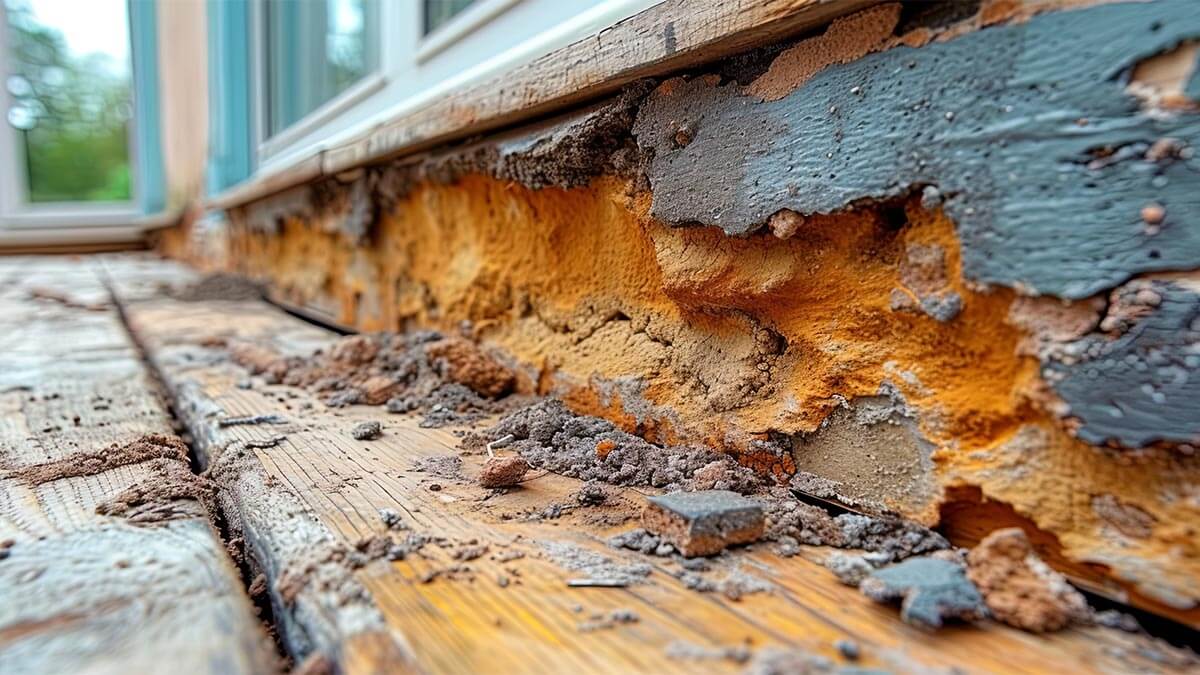
In most U.S. states, sellers are legally required to disclose known termite infestations or damage as a material defect affecting property value. This obligation applies whether the damage is active or historical, and it survives an as-is sale clause.
Sellers must typically reveal five things about termite history:
- Whether an active infestation currently exists
- When the infestation was first discovered and which areas were affected
- What treatment method was used and by which licensed company
- Whether structural repairs were made and the extent of the damage
- Whether the problem has recurred since treatment
Selling “as-is” does not eliminate the requirement. It limits your obligation to repair, not your obligation to disclose what you already know. This guide covers what sellers must reveal, how termite disclosure requirements vary by state, what happens if you stay silent, how damage affects value, and what options you have when selling a house with termite damage.
Termite Disclosure Scaring Off Buyers? Cash buyers skip lender pest clearance requirements — disclosed history rarely kills the deal.
No repairs required, no commission, no contingency risk.
Disclose Termites When Selling
- What Sellers Must Reveal About Termites
- State Termite Disclosure Requirements
- Are Termite Inspections Required to Sell a House?
- What Happens If You Don’t Disclose Termites?
- How Much Does Termite Damage Lower Home Value?
- Selling a House With Termites: Your Options
- How to Complete Termite Disclosure When Selling Your House
- When a Cash Buyer Changes the Math
- Frequently Asked Questions
What Sellers Must Reveal About Termites
Seller disclosure for termites flows from two legal sources: your state’s formal property disclosure statement and the common-law duty to disclose any material defect. According to the NAR guide to seller disclosure obligations, a material defect is any condition that could affect a buyer’s decision to purchase or the price they’re willing to pay. Termites qualify on both counts.
Per Investopedia’s definition of what qualifies as a material defect in real estate, the standard is objective: would a reasonable buyer consider this information significant? For termites, the answer is always yes.
Current Infestation vs. Past Termite History
Both require disclosure. A seller who discloses an active infestation faces a harder negotiation, but a seller who conceals a past infestation faces a lawsuit. Most states require disclosure of current or past issues you know about, because prior infestation is still a material defect affecting structural integrity and buyer perception.
A seller who discovered termites three years before listing and never treated them faces greater liability than one who treated, documented, and repaired. Both must disclose, but documentation lowers litigation risk considerably.
Structural Damage and Required Repairs
Your real estate disclosure form must describe not just the infestation itself but the damage it caused. Buyers need to know whether load-bearing joists, beams, or foundation elements were affected. Structural damage disclosure is a separate line item from pest presence in most state forms. If you had repairs done, include the contractor’s name, scope of work, and completion date.
Treatment Records, Warranties, and Re-Inspection
A termite treatment warranty (typically 1 to 5 years of coverage from a licensed pest control company) can transfer to the buyer and meaningfully reduces post-sale claims. Include the company name, treatment method, date of service, and warranty terms in your disclosure package. If the property was re-inspected after treatment and cleared, include that report too. Buyers and their lenders view documented clearance very differently from a verbal “we had it treated.”
State Termite Disclosure Requirements
No federal statute governs residential termite disclosure. Requirements come from state real estate law, standard contract forms, and lender overlays. The table below maps the landscape across key jurisdictions.
| State | Mandatory WDO Inspection? | Termite Disclosure on Standard Form? | Key Rule |
|---|---|---|---|
| California | Yes (most lender-financed sales) | Yes | Section 1 clearance required before close; Section 2 conditions must be disclosed but are negotiable |
| Florida | No state mandate; lender may require | Yes, As Is contract includes termite section | Buyer has inspection period; seller must disclose known history |
| Texas | No state mandate | Yes, TREC Seller’s Disclosure Notice includes pest section | Disclosure is an affirmative obligation; no mandatory clearance |
| Georgia | No state mandate | Yes, GAR contract includes WDO letter provision | WDO letter from licensed inspector commonly requested at closing |
| Virginia | No state mandate | Yes, general material defect disclosure applies | FHA/VA loans trigger lender-required pest clearance |
| Alabama | No state mandate | General material defect law applies | High subterranean termite pressure; industry standard is to inspect |
| Louisiana | No state mandate | General material defect law applies | Among highest Formosan subterranean termite pressure in the U.S.; buyer scrutiny is elevated |
| Most other states | No explicit statute | General material defect disclosure applies | Known termite history triggers disclosure duty under common law |
Based on state real estate commission rules and NAR state disclosure data, 2026. Verify current form editions before transacting.
If you’re selling in North Carolina, the state uses a general material defect standard with no explicit termite statute. Sellers there navigate the same latent-defect framework as most unlisted states. For the full picture on selling a distressed property in that market, see selling a distressed home in North Carolina.
States With Mandatory WDO Inspections
California is the most prescriptive. A licensed Structural Pest Control (SPC) report is required for most lender-financed transactions. The report separates findings into Section 1 (active infestation or visible damage) and Section 2 (conditions likely to lead to infestation). Most lenders require Section 1 clearance before funding the loan. Per California pest control inspection report rules from journal.firsttuesday.us, the SPC report must be delivered to the buyer within a specific window under Civil Code 1102. Confirm that window with your agent before listing.
California’s Section 1 vs. Section 2 Rules
Section 1 findings include active drywood termites, subterranean termites, and wood damage caused by active infestation. These typically require treatment and repair before a lender will fund. Section 2 findings include earth-to-wood contact, faulty grade levels, or conditions that could attract termites but haven’t yet. Section 2 items must be disclosed but remediation is negotiable between buyer and seller. In an as-is home sale in California, Section 2 items often become a credit or price adjustment rather than a seller repair.
Loan Type and Its Effect on Inspection Requirements
FHA and VA lenders require WDO clearance as a loan condition in all 50 states regardless of state law. This is a lender overlay, not a statute. Conventional loans have no built-in pest inspection requirement, but buyers can add a termite inspection contingency to their purchase agreement. If your buyer is using FHA or VA financing, budget for the WDO inspection process regardless of your state’s disclosure statute.
Louisiana sellers face elevated scrutiny even on conventional deals because of widespread Formosan subterranean termite activity. For context on the broader sale process there, see selling a distressed home in Louisiana.
Are Termite Inspections Required to Sell a House?
If you have an FHA or VA loan buyer, a termite inspection clearance is required before closing in all 50 states. With a conventional loan, you don’t need one by default, though it may be added as a contract contingency.
This distinction matters more than most sellers realize. A financed buyer can require a termite inspection through their purchase contract terms even when state law doesn’t mandate one. The seller has no ability to waive that buyer right once it’s written into the agreement.
When Your Lender Requires a WDO Report
A wood destroying organism report is the standard industry document for this purpose. It must be prepared by a state-licensed pest control company. For FHA and VA transactions, the WDO inspection report identifies active infestation, structural damage, and risk conditions. A finding of active infestation typically requires treatment and a clearance re-inspection before the lender will issue final loan approval.
Per when pest inspections are legally required before sale, an inspection finding does not automatically require treatment in every state. Treatment is mandatory when a lender requires clearance (FHA/VA) or when state law mandates it (California Section 1). In other situations, the inspection result informs the disclosure and negotiation but does not trigger an automatic repair obligation.
Buyer-Requested Inspections and Contract Terms
Buyers in most markets have an inspection contingency period, typically 7 to 17 days, during which they can order a WDO inspection at their own expense. If the inspection reveals active termites or structural damage, the buyer can request treatment, repairs, a price credit, or walk away entirely. Sellers cannot waive the disclosure obligation based on the buyer’s inspection outcome. The disclosure must come before the contract is signed; the buyer’s inspection happens after.
What Happens If You Don’t Disclose Termites?
A buyer can sue for rescission, repair costs, or fraud if the seller knew about termite damage and failed to disclose it before closing.
Rescission: The Buyer Can Cancel the Sale
Rescission unwinds the entire transaction. The buyer returns the property; the seller returns the purchase price. In a rescission claim, the seller may also owe the buyer’s transaction costs, including agent commissions paid, loan origination fees, and moving expenses. Per home buyer rights in real estate transactions from the CFPB, buyers have legal protections when sellers fail to disclose known material defects.
Damages and Repair Cost Recovery
If the buyer keeps the property, they can sue for the cost to remediate and repair what was concealed. Courts typically award the difference between the home’s value as disclosed and its value as actually delivered, or the actual cost of remediation. Per seller liability for undisclosed latent defects from Whitney Firm, Maryland specifically recognizes latent defect liability for termites, and buyers have won non-disclosure lawsuit claims years after closing. Real estate agents with knowledge of the concealed defect can face professional liability and license risk alongside the seller.
Fraud Liability for Willful Concealment
Willful concealment of a known infestation can rise to fraud in some jurisdictions. Fraud claims open the door to punitive or treble damages beyond the cost of remediation. The statute of limitations for real estate non-disclosure claims runs 2 to 6 years in most states, measured from when the buyer discovered the defect, not from the closing date. That discovery-rule timing means a seller who conceals termites is not protected simply because years pass before the buyer notices.
How Much Does Termite Damage Lower Home Value?
Active, untreated termite damage can reduce a home’s sale price by $20,000 or more. A treated infestation with a current termite treatment warranty and documented structural repairs has minimal impact on value when disclosed properly.
Treatment Costs vs. Structural Repair Costs
Treatment costs depend on infestation type and severity. Localized chemical barrier or bait treatment for subterranean termites typically runs $1,000 to $3,000. Tent fumigation for a severe drywood termite infestation runs $5,000 to $15,000 depending on home size, per termite control methods and treatment types from the EPA.
Structural repair costs vary widely. Minor joist repair: $500 to $2,000. Replacing structural beams: $10,000 to $50,000. Foundation-level structural damage: $50,000 to $100,000 or more. These ranges shift with labor and material costs; get a current contractor estimate before pricing your home.
How to Price a Home With Termite History
A treated and documented infestation with an active warranty has minimal value impact. Buyers are purchasing a remediated property with coverage. An active, undisclosed, or untreated infestation typically produces a price concession of $20,000 to $30,000 on a median-priced home, or deal failure at the inspection contingency.
Buyers who discover undisclosed termites during their inspection almost always request either full remediation paid by the seller or a price credit of 1.5 to 2.5 times the estimated repair cost. That multiplier reflects the buyer’s risk premium for assuming the repair responsibility themselves.
Selling a House With Termites: Your Options
Sellers with known termite history have three paths. Each has a different risk profile, timeline, and cost structure.
Treat and Repair Before Listing
Sellers who treat before listing and provide documentation of clearance and warranty typically recoup 80 to 90 percent of treatment costs through reduced buyer negotiation. A cleared WDO inspection report removes the lender contingency that most commonly collapses financed deals. The tradeoff is upfront cost and listing delay while treatment and repairs are completed.
Disclose and Adjust Your Asking Price
Pricing 1 to 3 percent below comparable homes with no termite history is a common approach for disclosed-but-treated properties in competitive markets. This path requires accurate repair-cost documentation so buyers have a number to work with rather than a fear premium. Sellers in competitive urban markets, including New York, often take this route rather than absorbing treatment costs before listing. See selling a distressed home in New York for pricing and offer strategy context in that environment.
Sell As-Is to a Cash Buyer
Cash buyers do not require lender WDO clearance, which removes the most common deal-killing contingency for sellers with active or recent termite history. No lender review means no WDO clearance requirement, no treatment contingency, and no deal collapse waiting on an underwriter’s pest inspection sign-off.
For sellers with termite damage, this is often the fastest path to closing with certainty. Termite-damaged homes qualify as distressed properties, and the same fast-close options available to other condition-challenged sellers apply here. For a full look at those options, see selling a home in poor condition.
How to Complete Termite Disclosure When Selling Your House
How to Sell a House With Termite Damage
When a Cash Buyer Changes the Math
When you disclose termite history, financed buyers face a lender requirement for WDO clearance before their loan closes. That contingency collapses deals. Cash buyers operate without a lender, so they evaluate your disclosed history without that pressure point. Submit your address at iBuyer.com, receive competing cash offers within 24 to 48 hours, and choose a closing date in as few as 7 days. No repairs required, no agent commission, no deal-collapse anxiety over a pest inspection report.
Termite Disclosure Scaring Off Buyers? Cash buyers skip lender pest clearance requirements — disclosed history rarely kills the deal.
No repairs required, no commission, no contingency risk.
Frequently Asked Questions
Yes. In most U.S. states, sellers are legally required to disclose known termite infestations or damage as a material defect affecting property value. The legal obligation flows from state property disclosure laws and common-law material defect rules. Selling “as-is” does not eliminate the requirement; it only limits your obligation to repair. Failing to disclose what you know can expose you to rescission claims and fraud liability.
Yes. Most states require disclosure of past termite damage even if fully treated and repaired, because prior infestation is a material fact affecting value. Buyers use past infestation history to evaluate structural risk and negotiate price. A treatment record and active termite treatment warranty typically satisfy buyers and reduce negotiation friction. Omitting repaired damage carries the same legal risk as omitting active damage.
A buyer can sue for rescission, repair costs, or fraud if the seller knew about termite damage and failed to disclose it before closing. Rescission unwinds the entire transaction. Willful concealment can be characterized as fraud in some jurisdictions, opening the door to punitive or treble damages. The statute of limitations runs from when the buyer discovered the defect, not the closing date.
FHA and VA loans require termite inspection clearance before closing in all 50 states; conventional loans do not require an inspection by default. The FHA loan termite inspection requirement is a lender overlay, not a state statute, so it applies everywhere those loan types are used. In California, most lender-financed transactions require a Structural Pest Control report. Buyers on conventional financing can add a termite inspection contingency to their purchase contract.
No. Selling as-is does not exempt you from disclosing known termite infestations; it only limits your obligation to treat or repair them. An as-is clause shifts repair responsibility to the buyer, but you must still disclose known defects before contract. A buyer who discovers undisclosed termites after an as-is closing can still sue for fraud or rescission if the seller had prior knowledge.
Yes. A buyer can sue a seller for failing to disclose known termite damage, with claims including rescission, compensatory damages, and fraud. Claims succeed most often when the buyer can show the seller had actual knowledge through inspection records, treatment invoices, or prior disclosure. In Maryland and several other states, latent defect liability for undisclosed termites has been enforced years after closing.
Not necessarily. Many buyers proceed after termite disclosure, especially when the seller provides treatment records, a current warranty, and documentation of any structural repairs. What kills deals is an active infestation with no treatment plan and no price concession. Buyers using FHA or VA financing are most likely to walk because lenders require WDO clearance; cash buyers are not subject to that constraint.
Active, untreated termite damage can reduce a home’s sale price by $20,000 or more; treated damage with a current warranty has minimal impact. Treatment costs run $1,000 to $3,000 for localized chemical treatment and $5,000 to $15,000 for tent fumigation of severe drywood termite infestations. Structural repairs range from $500 for minor joist work to $50,000 or more for structural beam replacement.
Treatment responsibility is negotiable, but sellers typically pay when a lender or state law requires clearance before closing. In California, Section 1 clearance is almost always paid by the seller because lenders will not fund the loan without it. In other states, buyers and sellers negotiate treatment and repair costs as part of the purchase agreement.
A WDO (Wood Destroying Organism) report is a licensed inspector’s written assessment of termite activity, structural damage, and infestation risk on a property. WDO inspections are required by FHA and VA lenders before a loan closes. In California, the equivalent document is a Structural Pest Control report, which classifies findings as Section 1 clearance items (active or visible damage) or Section 2 conditions (risk factors requiring disclosure but not mandatory remediation).
State rules vary significantly: some mandate a WDO inspection, others include termites on a standard real estate disclosure form, and a few have no explicit statute. California has the most prescriptive rules, requiring a licensed SPC report and clearance of Section 1 items before close in most lender-financed transactions. States without explicit termite statutes still impose disclosure obligations under general material defect law. See the state comparison table above for a row-by-row breakdown.
Sellers remain liable for undisclosed termite damage for 2 to 6 years in most states, measured from when the buyer discovered the defect. The discovery rule means the clock starts when the buyer finds the termites, not when the sale closed. A buyer who discovers concealed damage four years later can still file within the limitations period in many states. Consult a real estate attorney in your state if you receive a demand letter or non-disclosure lawsuit related to termite disclosure.

Reilly Dzurick is a licensed real estate agent with over six years of experience and a member of the iBuyer.com Market Insights Team, covering national trends in home selling and the evolving iBuyer landscape. Her firsthand experience working with buyers and sellers gives her a practical perspective on how these platforms impact real homeowners. She holds a degree in Public Relations, Advertising, and Applied Communication.