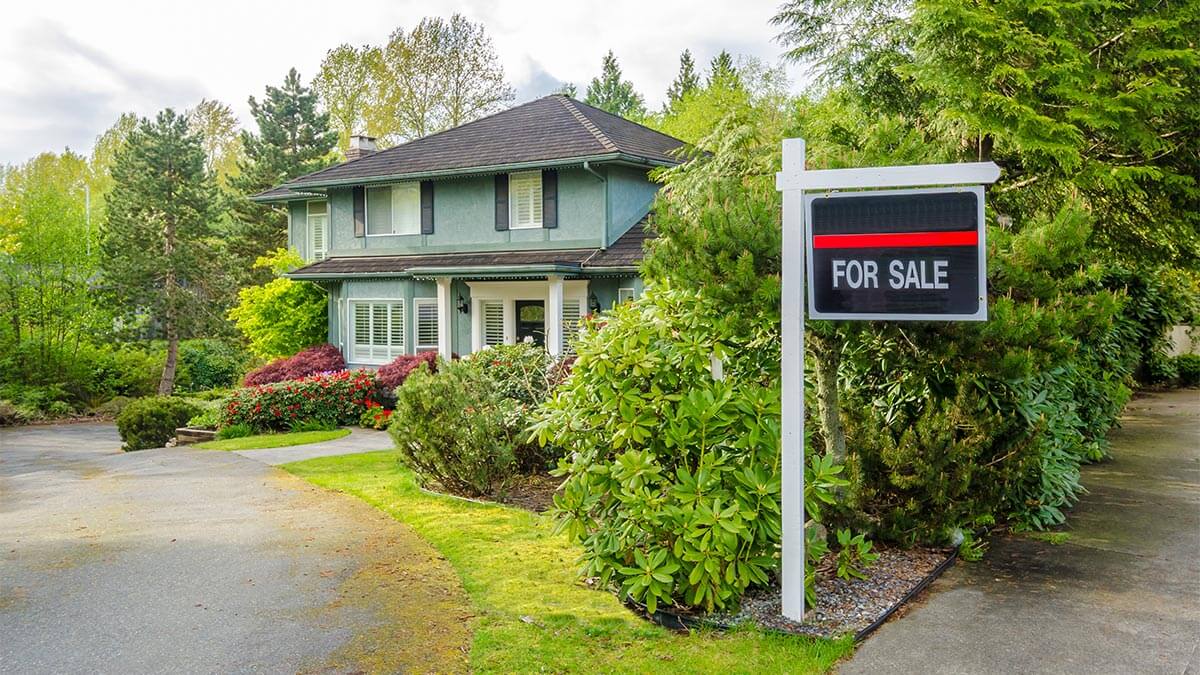
The best house buying companies in 2026 fall into four categories: iBuyers, franchise investor networks, direct buyer marketplaces, and buy-before-you-sell programs. The right one depends on your home’s condition, your timeline, and how much price you’re willing to trade for speed.
Cash transactions now account for nearly 30% of all U.S. home sales, per National Mortgage Professional, and the range of companies competing for those sales has grown substantially. The problem is that “cash buyer” covers business models with very different offer levels, from 50% of fair market value for franchise investors to 85% for iBuyers in strong markets. Accepting the first offer without comparing can cost a seller tens of thousands of dollars.
This guide covers how each type of buyer works, which situation each one fits best, what they actually pay, and the red flags to watch before signing. Use it to match your situation to the right buyer category first, then evaluate specific companies inside that category.
Table of contents
- How Cash Home Buying Companies Work
- Which Type of Cash Buyer Is Right for Your Situation?
- How We Evaluated the Best Cash Home Buying Companies
- Quick Comparison: Best Companies That Buy Houses for Cash
- Best Companies That Buy Houses for Cash in 2026
- How Much Do Companies That Buy Houses for Cash Actually Pay?
- Pros and Cons of Selling Your Home to a Cash Buyer
- What’s the Process? How to Sell Your House for Cash
- Red Flags to Watch for When Comparing Cash Home Buying Companies
- Alternatives to Companies That Buy Homes for Cash
- How to Choose the Best Home Buying Company for Your Situation
- The Bottom Line: Is Selling for Cash Right for You?
- Find cash home buyers in your state
- Frequently Asked Questions
Compare Competing Cash Offers Multiple vetted buyers bid on your home — no agent, no repairs, no obligation.
One process, multiple offers, no pressure.
How Cash Home Buying Companies Work
Cash home buying companies purchase properties using their own capital rather than relying on mortgage financing. That distinction removes the two biggest sources of delay in a traditional sale: lender-required appraisals and loan approval timelines.
The process is straightforward. You share basic property details, either online or by phone. The company reviews your information against local market data and sends an initial offer, often within 24 to 48 hours. If you’re interested, they schedule a walkthrough or virtual inspection to confirm the home’s condition. After that, they present a final offer that accounts for any repairs, their service fee, and closing costs. If you accept, closing typically happens within 7 to 30 days.
The tradeoff is price. Most companies that buy houses for cash pay less than a fully marketed listing would bring, because they absorb the risk of resale, the cost of repairs, and the carrying costs of holding the property. How much less depends on the type of buyer.
Types of Cash Buyers and What They Typically Pay
Not all cash home buying companies operate the same way, and the type of buyer you work with directly affects what you can expect to receive.
iBuyers like Opendoor and Offerpad use automated valuation models to price homes and purchase them directly. They tend to buy homes in good-to-fair condition and typically offer 70% to 85% of fair market value, minus a service fee of 5% to 7%. Closing timelines usually range from 14 to 60 days, with the seller choosing the date.
“We Buy Houses” companies and franchise-based investors, such as HomeVestors (We Buy Ugly Houses) and We Buy Houses, focus on distressed, inherited, or dated properties that need significant work. These buyers typically offer 50% to 70% of fair market value, but they cover closing costs, buy as-is, and can close in as little as 7 to 14 days.
Cash offer marketplaces and comparison platforms, including iBuyer.com and HomeLight Simple Sale, connect sellers with multiple cash buyers simultaneously. By generating competing offers, these platforms can push final prices higher than what any single buyer would offer on their own.
Buy-before-you-sell companies like Orchard and Knock provide bridge financing that lets homeowners purchase a new property before selling the current one. These aren’t direct cash buyers in the traditional sense, but they remove the contingency problem and can result in a higher final sale price since the home is ultimately listed on the open market.
Real estate investors operating locally may be flippers, buy-and-hold landlords, or wholesalers. Their offers vary widely, from 30% to 80% of market value, depending on property condition, investor strategy, and local competition.
Which Type of Cash Buyer Is Right for Your Situation?
The most useful question isn’t “which company is best?” It’s “which type of buyer fits my situation?” The four categories serve different seller needs, and mixing them up leads to wasted time and worse offers.
| Your situation | Best buyer type | Typical offer | Typical timeline |
|---|---|---|---|
| Close fast (under 30 days) | Franchise investor | 50, 70% FMV | 7, 21 days |
| Home needs significant repairs | Franchise investor or investor marketplace | 50, 70% FMV | 7, 30 days |
| Maximize cash offer | Marketplace (competing offers) | Varies by buyer | 14, 60 days |
| Buy before selling | Buy-before-you-sell program | Market value (listed) | 30, 90+ days |
FMV = Fair Market Value. Ranges are estimates based on publicly available data and vary by property condition and location.
You need to close in under 30 days
For sellers who need to close in under 30 days, franchise investors like HomeVestors and We Buy Houses are typically the fastest option, with closings in 7 to 21 days. They can move quickly because they don’t rely on lender timelines and their offers don’t require lengthy approval chains. The tradeoff is price: offers in this category generally run 50% to 70% of fair market value. If speed is the priority and price flexibility exists, this is the right starting point.
Your home needs significant repairs
If your home needs a new roof, foundation work, or major system replacements, most iBuyers will either decline or issue a steep repair credit that effectively reduces the net offer anyway. Franchise investors and investor marketplaces are built for this situation. They price the cost of repairs into their offer upfront, buy as-is, and don’t require you to complete any work before closing. Getting multiple offers through a marketplace like iBuyer.com or Sundae can help drive competition even on distressed properties.
You want the highest possible cash offer
Marketplaces that generate competing bids from multiple buyers produce the highest cash offers in this category. A single buyer has no reason to bid aggressively. When two or three investors are competing for the same property, the dynamic shifts in the seller’s favor. This approach takes 14 to 60 days, longer than a direct franchise offer, but the net proceeds are typically higher. Comparing at least two or three offers before committing is the single most effective thing a seller can do to close the gap between a cash sale and full market value.
You’re buying another home at the same time
Buy-before-you-sell programs like Orchard and Knock are designed for this situation. They provide bridge financing that lets you unlock equity and make a non-contingent offer on your next home before your current one sells. The existing home is then listed on the open market at market value rather than sold at a cash-buyer discount. These programs involve more complexity and cost than a direct cash sale, but they protect you from being stuck in a contingent purchase position in a competitive market.
How We Evaluated the Best Cash Home Buying Companies
This ranking is based on a review of national and multi-market companies that purchase homes for cash or connect sellers with cash buyers. We evaluated each company across four criteria.
Offer transparency. Does the company clearly disclose its service fees, repair deductions, and how the final offer is calculated? Companies that present a clear breakdown before the seller commits scored higher.
Closing reliability. How consistently does the company close within its stated timeline? We looked at review patterns for mentions of delays, cancellations, or last-minute changes.
Fee structure. What percentage of the home’s value goes to service fees, repair credits, or other deductions? Lower and more predictable fee structures ranked higher.
Seller flexibility. Can the seller choose a closing date? Are cancellation terms fair? Does the seller have time to compare other options before committing?
We also factored in geographic coverage, third-party review ratings on platforms like Trustpilot, the Better Business Bureau, and Google, and whether the company has a consistent operating model versus a franchise structure where experiences can vary by location.
Quick Comparison: Best Companies That Buy Houses for Cash
The table below shows each company side by side. Net proceeds after fees and repair deductions is the number that matters, not the initial offer. Offer ranges are estimates and vary based on property condition, location, and market demand.
| Company | Type | Typical Offer Range | Service Fee | Closing Timeline | Coverage |
|---|---|---|---|---|---|
| iBuyer.com | Marketplace | Varies by buyer | No seller commission | Flexible | National (multi-market) |
| Opendoor | iBuyer (direct) | 70, 85% FMV | ~5% service fee | 14, 60 days | Major U.S. metros |
| Offerpad | iBuyer (direct) | 70, 85% FMV | ~5, 6% service fee | 8, 60 days | 15+ states, 1,700+ cities |
| We Buy Ugly Houses | Franchise investor | 50, 70% FMV | No fee (built into offer) | 7, 21 days | 46 states, 1,100+ franchises |
| We Buy Houses | Franchise investor | 50, 70% FMV | No fee (built into offer) | 7, 14 days | 200+ markets nationwide |
| HomeLight Simple Sale | Marketplace | Varies by buyer | No seller fee | Depends on buyer | National (multi-market) |
| Sundae | Investor marketplace | 50, 70% FMV | No seller fee | 10, 60 days | Select U.S. markets |
| MarketPro Homebuyers | Regional direct buyer | 50, 70% FMV | No fee (built into offer) | 10, 21 days | Mid-Atlantic (MD, VA, PA, DC) |
| Orchard | Buy-before-you-sell | Market value (listed) | Varies | 30, 90+ days | Select U.S. markets |
| Knock | Buy-before-you-sell | Market value (listed) | Varies | 30, 90+ days | 75+ metros |
FMV = Fair Market Value. Offer ranges are estimated based on publicly available data and may differ by property condition and location.
Best Companies That Buy Houses for Cash in 2026
Choosing the right cash buyer depends on your priorities: speed, price, convenience, or some combination. Some companies listed here are national platforms with tech-driven pricing. Others are franchise networks with local operators. And some focus on connecting you with competing buyers so you can pick the strongest offer. Here is a closer look at the top options.
1. iBuyer.com
- Online request for a cash-offer estimate
- No traditional agent commissions
- Flexible closing timelines depending on buyer
iBuyer.com is a national real estate platform that helps homeowners explore cash-offer options without listing on the MLS. Instead of buying homes directly, the platform connects sellers with iBuyer-style and investor buyers who may be able to make cash offers based on the property’s location, condition, and market demand.
Sellers start by submitting basic property details online. From there, iBuyer.com provides an estimate and, when applicable, facilitates introductions to buyers who can move forward with a walkthrough and formal offer. Final pricing is typically confirmed only after the home’s condition is reviewed.
The marketplace model is what sets iBuyer.com apart from single-offer companies. Rather than accepting one take-it-or-leave-it bid, sellers can evaluate competing cash-style offers through a single process. When multiple buyers are interested in the same property, that competition tends to push prices higher than what a single direct buyer would offer. Sellers also work with a local iBuyer Certified Specialist, an assigned point of contact who manages the offer process, answers questions, and helps compare options, so no one has to navigate competing buyers alone.
This approach can work well for homeowners who prioritize speed, simplicity, or an as-is sale, and who want to compare cash-style options before deciding whether to list traditionally.
Common reasons sellers consider iBuyer.com include:
- Compare cash-offer style options without listing publicly
- Avoid showings, open houses, and buyer financing delays
- Potential to sell as-is, depending on buyer criteria
- No traditional real estate agent commissions
- Flexible closing timelines once an offer is accepted
- Competitive offers driven by multiple buyers rather than a single bid
As with any cash-offer route, the final number can change after a walkthrough, so sellers often compare at least one additional option before committing.
iBuyer.com has a presence on third-party review platforms, including Trustpilot, where reviewers often mention ease of use, responsive communication, and the ability to explore cash-offer options without pressure.
As with most platforms that facilitate investor-style offers, experiences can vary depending on the buyer, property condition, and local market. Sellers are encouraged to read recent reviews and confirm all terms, including fees, repair deductions, and cancellation rights, before moving forward.
iBuyer.com works with buyers across many U.S. markets. Availability depends on property type, condition, and local demand, so coverage can vary by city and state. See our state-level guides for Texas, Florida, Colorado, and more.
2. Opendoor
- Direct cash offers from a national iBuyer
- Service fee (~5%) and repair credits deducted from offer
- Typical closing window: 14, 60 days
Opendoor is a publicly traded real estate technology company that purchases homes directly using a data-driven pricing model. Instead of listing on the open market, sellers can request an online offer by submitting basic property details and completing a home assessment.
After the initial estimate, Opendoor typically conducts a walkthrough or virtual inspection to confirm the home’s condition. The final offer usually reflects a service fee of around 5%, estimated repair costs, and standard closing expenses, all of which are disclosed before the seller commits.
Opendoor generally targets homes in good-to-fair condition, typically valued between $100,000 and $600,000 depending on market. Homes with major structural issues, large lots, or unusual property types may not qualify.
This option is often a fit for homeowners who want a predictable, step-by-step process and are comfortable trading some price upside for convenience and a defined timeline.
Sellers commonly consider Opendoor for the following reasons:
- Request a cash offer online without listing publicly
- No showings or open houses while evaluating the offer
- Clear breakdown of service fees and repair credits
- Choose a closing date within a typical 14, 60 day range
- Certainty of closing once final terms are accepted
Because pricing is finalized after the home assessment, many sellers compare Opendoor’s net proceeds with at least one other cash or listing option before deciding.
Opendoor is widely reviewed on third-party platforms, including Trustpilot, where sellers frequently mention convenience, transparency, and a structured process.
Some reviews also reference offer adjustments after inspections or repair credits that reduced the final payout, which is common with iBuyer-style transactions. Reading recent reviews and understanding how final pricing is calculated can help set realistic expectations.
Opendoor operates in many major U.S. housing markets, including Phoenix, Atlanta, Dallas, Charlotte, Raleigh, and Las Vegas. Availability depends on location, property type, and local market conditions, so not all homes or cities are eligible.
3. Offerpad
- Direct cash offers from a national iBuyer
- Service fees (~5, 6%) and repair credits deducted from offer
- Typical closing window: 8, 60 days
Offerpad is a national iBuyer that purchases homes directly using an online pricing model. Sellers begin by submitting basic property information and receiving an initial estimate, followed by a home assessment to confirm condition and finalize pricing.
After the walkthrough, the final offer typically reflects service fees of around 5% to 6%, estimated repair credits, and standard closing costs. These details are presented before the seller decides whether to move forward. Offerpad also offers a hybrid option that combines an upfront cash component with a traditional market listing, which may appeal to sellers who want some price upside while still having a guaranteed fallback.
Offerpad serves more than 1,700 cities and towns across 15 states, making it one of the more widely available iBuyer options. The company generally buys single-family homes, condos, and townhomes built after 1950 in good-to-fair condition.
Sellers commonly look at Offerpad for:
- Requesting a cash offer online without listing publicly
- No showings or open houses during the evaluation stage
- Clear disclosure of service fees and repair deductions
- Ability to choose a closing date, with some closings possible in as few as 8 days
- Structured process with fewer moving parts than a traditional sale
- Optional hybrid path that combines a cash offer with market exposure
Because pricing is finalized after the home assessment, many sellers compare Offerpad’s net proceeds with at least one other cash or listing option before committing.
Offerpad is reviewed on third-party platforms such as Trustpilot. Reviewers often mention the convenience of the online process and defined timelines, while some feedback references price adjustments after inspections or repair credits.
As with other iBuyer-style transactions, experiences can vary by market and property condition. Reading recent reviews and understanding how final pricing is calculated can help set realistic expectations.
Offerpad operates in multiple U.S. housing markets, including Phoenix, Denver, Atlanta, Indianapolis, Las Vegas, Charlotte, Dallas, Houston, and Nashville. Availability depends on location, property type, and local market conditions.
4. We Buy Ugly Houses (HomeVestors)
- Franchise-based cash buyer operating in 46 states
- Focus on distressed, inherited, and as-is properties
- Typical closing window: 7, 21 days
We Buy Ugly Houses is the consumer-facing brand of HomeVestors of America, a franchise network with more than 1,100 independently owned offices across 46 states. The company has purchased over 150,000 homes since 1996, making it one of the longest-running and most recognized names in the cash home buying space.
HomeVestors franchises specialize in properties that other buyers typically pass on: homes needing significant repairs, inherited properties, or houses in financial distress. The model is built around buying at a discount, renovating, and reselling or renting. Each franchise operator is an independent investor, which means offer amounts, communication quality, and closing timelines can vary by location.
Sellers receive an initial offer after sharing property details, followed by a walkthrough to finalize the price. There is no service fee charged separately, but the discount from market value is how the investor builds in their margin. Most closings happen within two to three weeks.
Sellers commonly consider We Buy Ugly Houses for:
- Selling a home in poor condition without making any repairs
- Fast closing timelines, often within two to three weeks
- No service fees or agent commissions charged to the seller
- Closing costs typically covered by the buyer
- Free cancellation within the first few days of accepting an offer
Because each franchise operates independently, sellers should request offers from multiple HomeVestors locations if possible, and compare with at least one other cash buyer.
HomeVestors has reviews on the Better Business Bureau and Google. Many franchisees have strong local reputations, with sellers mentioning speed and simplicity. However, some reviews reference low offers and high-pressure tactics from certain operators.
Since each franchise is independently run, review quality varies significantly by location. Checking the specific local franchise’s reviews is more useful than relying on the national brand reputation alone.
We Buy Ugly Houses operates in 46 states through more than 1,100 franchise locations. Coverage is strongest in metro areas and mid-sized cities.
5. We Buy Houses
- Franchise network of independent investors
- Buys homes as-is in 200+ markets
- Typical closing window: 7, 14 days
We Buy Houses operates as a network of independent offices across more than 200 markets in the United States. Similar to HomeVestors, each office is run by a local real estate investor who purchases properties directly for cash, often to renovate and resell or hold as rental investments.
The process starts with a property submission online or by phone. After reviewing basic details, the local We Buy Houses operator schedules a walkthrough and presents a cash offer. If the seller accepts, closing is typically completed within one to two weeks. Sellers are not required to make repairs, clean the property, or stage it for showings.
Because each office is an independent business operating under a shared brand, offer amounts and service quality depend on the individual investor. This model provides local market expertise but introduces variability that sellers should account for by comparing multiple offers.
Sellers commonly consider We Buy Houses for:
- Very fast closings, often within 7 to 14 days
- Ability to sell a home in any condition, including properties with deferred maintenance or code violations
- No service fees or agent commissions
- Closing costs typically handled by the buyer
- Local investor who may understand neighborhood-specific factors
As with any franchise model, experiences vary by operator. Sellers are encouraged to compare at least one additional offer before committing.
We Buy Houses has reviews across Google and the Better Business Bureau. Positive reviews frequently cite fast and straightforward transactions. Some negative reviews mention low initial offers or difficulty reaching the local operator after the first contact.
Checking reviews specific to the local office is more informative than the brand as a whole.
We Buy Houses has independent offices in more than 200 markets across the United States. Coverage depends on local investor availability.
6. HomeLight Simple Sale
- Marketplace connecting sellers with cash buyers
- No public listing required
- Closing timelines depend on buyer and market
HomeLight Simple Sale is a cash-offer marketplace operated by HomeLight that helps homeowners explore off-market selling options without listing on the MLS. Rather than purchasing homes directly, the platform connects sellers with a network of cash buyers who may be interested based on property details and location.
Sellers begin by submitting basic information about their home. If the property qualifies, Simple Sale introduces potential buyers who can make cash offers, typically followed by a walkthrough or inspection before final terms are confirmed.
HomeLight also offers traditional agent matching alongside the cash-offer marketplace, which gives sellers the ability to compare a cash route with a full listing through a single platform.
Sellers commonly look at HomeLight Simple Sale for:
- Ability to explore cash offers without listing publicly
- Potential to sell a home as-is, depending on buyer criteria
- No showings or open houses during the evaluation stage
- Access to both cash-offer and traditional agent options through one platform
- No-obligation offer with no seller fee
Because offers come from third-party buyers, pricing and timelines can vary. Many sellers compare Simple Sale offers with at least one direct buyer or MLS listing before making a decision.
HomeLight and its Simple Sale program are reviewed on third-party platforms such as Sitejabber. Reviewers often mention ease of use and access to multiple selling options, while some feedback notes that cash offers may be lower than what a fully marketed listing could achieve.
As with other marketplace-style platforms, seller experiences can vary based on the buyer, property condition, and local demand.
HomeLight Simple Sale operates across many U.S. markets. Availability depends on property type, location, and buyer participation in a given area.
7. Sundae
- Marketplace-style cash offers from investors
- Focus on as-is and distressed properties
- Flexible closing timelines depending on buyer
Sundae is a real estate marketplace that helps homeowners sell properties in need of repairs by connecting them with a network of investors. Rather than purchasing homes directly, Sundae facilitates an off-market bidding process where qualified buyers can submit cash offers.
Sellers begin by sharing property details online. If the home fits Sundae’s criteria, the property may be presented to investors, who place offers based on condition, location, and resale potential. The seller can then review offers and choose whether to move forward.
This model can generate competing bids on a single property, which may push final pricing higher than what a single investor would offer. Sundae does not charge the seller a fee; costs are typically absorbed by the buyer.
Sellers commonly consider Sundae for:
- Exposure to multiple investor offers through a single process
- Ability to sell a home as-is, including properties needing significant repairs
- No showings or open houses during the evaluation stage
- Potential flexibility on closing timeline depending on the selected buyer
- No service fee charged to the seller
Because offers are investor-driven, pricing can vary widely. Many sellers compare Sundae’s offers with at least one direct cash buyer or traditional listing option before deciding.
Sundae is reviewed on third-party platforms such as Reviews.io. Reviewers often mention the convenience of selling as-is and the simplicity of the process, while some feedback notes that investor offers may be below what a renovated, listed home could achieve.
As with most investor marketplaces, seller experiences can vary by market, property condition, and level of buyer interest at the time of sale.
Sundae operates in select U.S. markets, primarily in California. Availability depends on location, property type, and investor demand.
8. MarketPro Homebuyers
- Direct cash buyer focused on Mid-Atlantic markets
- Buys homes as-is, including properties needing repairs
- Flexible closing timelines depending on situation
MarketPro Homebuyers is a regional cash home buyer that operates primarily across the Washington, DC metro area and surrounding Mid-Atlantic markets. The company purchases homes directly and typically works with sellers who want to avoid listing, repairs, and prolonged timelines.
After reviewing basic property details, MarketPro Homebuyers may schedule a walkthrough to confirm condition and finalize an offer. Purchased homes may be renovated and resold, held as rentals, or transferred to other investors depending on the property and market conditions.
This option is commonly considered by homeowners dealing with inherited properties, deferred maintenance, or time-sensitive situations where certainty and speed matter more than maximizing list price.
Sellers typically consider MarketPro Homebuyers for:
- Ability to sell a home as-is, including properties needing repairs or clean-out
- No traditional real estate agent commissions
- Direct buyer model rather than a public listing
- Potential for faster closings compared to a traditional sale
- Regional focus may mean stronger knowledge of local property values
As with most direct cash buyers, the final offer depends on the home’s condition, location, and resale potential. Many sellers compare MarketPro’s offer with at least one other cash or listing option before deciding.
MarketPro Homebuyers has reviews on third-party platforms such as the Better Business Bureau. Reviewers often mention a straightforward process and responsive communication, while some feedback references offers that reflect the convenience and speed of a cash sale.
Reading recent reviews and confirming all terms, including pricing assumptions and closing timelines, can help sellers set appropriate expectations.
MarketPro Homebuyers operates in select Mid-Atlantic markets, including parts of Maryland, Virginia, Pennsylvania, and the Washington, DC area. Coverage depends on property type and local demand.
9. Orchard
- Buy-before-you-sell model using bridge financing
- Traditional listing supported by Orchard agents
- Not a direct cash buyer
Orchard is a real estate platform that helps homeowners buy a new home before selling their existing one. Rather than making a cash offer to purchase the home outright, Orchard provides bridge financing that allows sellers to unlock equity and make a non-contingent offer on their next property.
After the new home is secured, Orchard works with sellers to list the original home on the open market, typically using an Orchard-affiliated real estate agent. The goal is to sell the home traditionally while avoiding the timing pressure of needing to sell before buying.
This model is generally considered by homeowners who want to maximize sale price and flexibility, and who qualify financially for a bridge-loan-style solution rather than a direct cash sale.
Homeowners typically consider Orchard for:
- Ability to buy a new home before selling the current one
- Making stronger, non-contingent purchase offers
- Traditional market exposure rather than an off-market cash sale
- Integrated services that combine financing and agent support
Because Orchard involves listing the home rather than selling directly for cash, timelines, fees, and final proceeds differ from investor or iBuyer options.
Orchard is reviewed on third-party platforms such as Trustpilot. Reviewers often mention the convenience of the buy-before-you-sell structure, while some feedback references variability in agent experience and overall costs compared with other selling options.
Because Orchard combines financing and traditional listing services, experiences can vary depending on market conditions, agent performance, and individual financial situations.
Orchard operates in select U.S. housing markets. Availability depends on location, property value, and borrower qualifications, so not all sellers or homes are eligible.
10. Knock
- Buy-before-you-sell model with guaranteed backup offer
- Traditional listing with bridge loan support
- Not a direct cash buyer
Knock offers a Home Swap program that allows homeowners to purchase a new property before selling their current one, similar to Orchard. The company provides bridge financing and a guaranteed backup offer on the existing home, which gives sellers a defined floor price even if the property doesn’t sell through traditional channels within a set period.
After the new home is purchased, Knock works with the seller to list the original property on the open market. If the home doesn’t sell within the agreed timeframe, typically up to 180 days, Knock will buy it at the guaranteed offer price, which is usually below full market value.
This approach is designed for homeowners in strong financial positions who want the convenience of a coordinated move without being forced to accept a low cash offer upfront.
Homeowners typically consider Knock for:
- Buying a new home before selling, with a guaranteed backup offer
- Making competitive, non-contingent purchase offers
- Full market exposure through a traditional listing
- Coverage in 75+ metro areas across the U.S.
Because the guaranteed backup offer is below market value, Knock works best for sellers who expect their home to sell on the open market and view the backup as insurance rather than a primary selling strategy.
Knock is reviewed on third-party platforms including Google and Trustpilot. Reviewers mention the convenience of coordinating a buy-and-sell transaction, while some feedback notes that the overall costs, including service fees and bridge loan interest, can be higher than a standard listing.
Knock operates in more than 75 metropolitan areas across the United States. Availability depends on location, home value, and borrower qualifications.
These home buying companies cover a range of situations, from sellers who need to close in a week to homeowners who want to buy their next house before selling the current one. Some, like Opendoor and Offerpad, bring data-driven pricing and structured timelines. Others, like We Buy Ugly Houses, specialize in speed and buying homes in as-is condition.
The most important step is to compare more than one offer. Look at the net proceeds after all fees and repair deductions, not just the initial number. A difference of a few percentage points can mean thousands of dollars, especially on higher-value properties.
Alongside the major platforms, Homes2x offers a simple and efficient way for homeowners to receive fast cash offers without traditional hassles.
How Much Do Companies That Buy Houses for Cash Actually Pay?
This is the question most sellers want answered first, and the honest answer is: it depends on the type of buyer and the condition of the property.
Franchise investors and “We Buy Houses” companies generally offer 50% to 70% of fair market value. These buyers target homes that need work and build in a margin that covers renovations, carrying costs, and profit. On a home with a fair market value of $300,000, this could mean an offer between $150,000 and $210,000.
iBuyers like Opendoor and Offerpad typically offer 70% to 85% of fair market value, but they also deduct a service fee (usually 5% to 7%) and repair credits based on the home inspection. On the same $300,000 home in good condition, a seller might net roughly $230,000 to $255,000 after fees and repairs.
Cash offer marketplaces that generate competing bids from multiple investors can push offers higher than what any single buyer would pay. The competitive dynamic is the seller’s biggest advantage when using a platform like iBuyer.com rather than approaching one investor directly.
Individual cash buyers who are not investors but are simply purchasing with personal funds tend to pay closest to full market value. Finding these buyers usually requires listing on the open market with an agent, which introduces its own costs and timelines.
The general rule is: the faster and more convenient the sale, the wider the gap between the offer and full market value. Sellers who prioritize speed and simplicity should still compare multiple offers to close that gap as much as possible.
Does Opendoor lowball you?
Opendoor’s offers run approximately 8 to 9 percent below the home’s eventual resale price, based on a third-party analysis of 410 transactions published by Real Estate Witch. That gap represents the cost of convenience: Opendoor absorbs resale risk, repair uncertainty, and carrying costs, and prices those into the offer.
The FTC consent order on Opendoor pricing found that the overwhelming majority of sellers who used the platform received below-market-value offers and paid higher total costs than in a typical market sale. The middle 50% of sellers in the Real Estate Witch analysis received 4% to 13% less than Opendoor’s eventual resale price.
This pricing pattern is not unique to Opendoor. All iBuyers price offers below resale value because that margin is how the business model works. The most effective way to reduce this gap is to generate competing offers from multiple buyers rather than relying on a single iBuyer bid.
Pros and Cons of Selling Your Home to a Cash Buyer
Selling your house to a cash buyer can be a relief, but it’s not always the best financial move. Understanding the tradeoffs helps you decide whether the convenience is worth the cost.
Why Many Sellers Choose Cash Buyers
Fast closings. Cash deals can close in as little as 7 days. Without lender involvement, there are no appraisal delays, no underwriting holdups, and no risk of financing falling through at the last minute.
No repairs or showings. Most cash buyers take homes as-is. You don’t have to invest in repairs, staging, or professional photography. The home sells in its current condition.
No agent commissions. Selling directly to a cash buyer means you skip the 5% to 6% in agent commissions that a traditional listing typically costs. On a $300,000 home, that’s $15,000 to $18,000 in savings, though some of that may be offset by a lower offer price.
Less risk of the deal collapsing. Since there’s no mortgage involved, there’s a much lower chance of the sale falling through at closing. According to industry data, more than 14% of pending home sales fell through in early 2026, often due to financing issues.
What You May Be Giving Up
Lower sale price. Cash buyers typically pay less than what a fully marketed listing would bring. The discount ranges from 15% for iBuyers to 30% to 50% for franchise investors, depending on property condition and market.
Service fees and hidden deductions. Some companies advertise “no fees” but build their margin into a lower offer. Others charge an explicit service fee of 5% to 7%. Either way, the net proceeds are what matter, not the headline offer.
Less competition. Selling to a single cash buyer eliminates the bidding dynamic that can drive prices up in a traditional sale. Using a marketplace that generates competing offers can partially offset this.
Offer changes after inspection. One of the most common seller complaints is that the initial offer changes significantly after the walkthrough. Repair credits and condition adjustments are standard, but the gap between the preliminary and final offer can be frustrating if you’re not expecting it.
What’s the Process? How to Sell Your House for Cash
The process of selling a home for cash follows a predictable sequence, though the details vary by company.
Step 1: Share your property details. Submit your address, home size, condition, and any updates online or by phone. No staging, photos, or repairs needed.
Step 2: Receive a preliminary offer. The company reviews your information against local comparable sales and sends an initial cash offer, typically within 24 to 48 hours.
Step 3: Complete the walkthrough. The buyer schedules an in-person or virtual inspection to confirm the home’s condition. This is where final pricing is adjusted for repairs.
Step 4: Review the final offer and all terms. Before committing, get a written breakdown of the offer price, service fees, repair credits, closing costs, and who pays what. Compare this number against at least one other offer.
Step 5: Close the sale. Sign the purchase agreement. The buyer handles title work and scheduling. Closing typically happens within 7 to 30 days; payment arrives by wire transfer or certified check.
No open houses. No loan approvals. No waiting around.
Red Flags to Watch for When Comparing Cash Home Buying Companies
Not all cash offers are created equal. Before accepting, watch for these warning signs that can affect your final payout or your ability to walk away.
Large price drops after the walkthrough. Some adjustment after the inspection is normal. But if the final offer comes in significantly below the preliminary number without a clear, itemized repair breakdown, that’s a concern. A legitimate buyer should be able to explain exactly what changed and why.
Vague or missing fee disclosures. If a company can’t clearly tell you what’s being deducted and for what reason before you sign, it becomes difficult to compare offers or understand your true net proceeds. Ask for a written breakdown of every deduction.
Contract assignment clauses. Some contracts allow the buyer to transfer the agreement to another party before closing. This means the person or company you negotiated with may not be the one actually purchasing the home. Know upfront who controls the closing.
High-pressure tactics. Short acceptance deadlines, repeated calls, or insistence that you sign before reviewing the terms are warning signs. A reputable buyer will give you time to compare options and consult with a professional.
One-sided cancellation terms. Contracts that penalize the seller for backing out while allowing the buyer to cancel freely shift risk in ways that aren’t obvious at first glance. Review cancellation clauses carefully before signing.
When evaluating regional or local buyers, independent review checks help separate legitimate operators from problem franchisees. Myers Home Buyers Reviews and similar buyer-specific pages show what the range of experiences actually looks like across franchise and local investor models.
Alternatives to Companies That Buy Homes for Cash
Selling to a cash buyer isn’t the only way to move fast or simplify the process. Depending on your situation, you might want to explore other options before committing to a cash deal.
Trade-in programs. Companies like Orchard and Knock let you buy your next home before selling your current one. You get flexibility on timing and a backup cash offer if your home doesn’t sell within a set period. The tradeoff is added fees and a more complex process.
Bridge loans. A bridge loan gives you short-term financing based on your home’s equity, allowing you to purchase a new property while your current home is still on the market. This option involves more paperwork and interest costs, but gives you greater control over pricing and timeline.
Renovate and list. Some companies will front the cost of repairs and get paid back at closing. If your home needs work, this can be a way to capture a higher sale price without spending out of pocket. Make sure the added value justifies the extra time and fees.
Traditional listing with a real estate agent. This route takes longer but typically brings the highest sale price, especially in competitive markets where bidding wars can drive prices up. If your home is in good condition and you’re not under time pressure, listing on the open market is still the benchmark for maximizing proceeds.
Local market conditions also shape which option makes sense. In markets like Aurora, Colorado, for example, seller timelines and buyer competition vary significantly by zip code. A guide focused on Sell Home 80019 Aurora shows how those local dynamics play out at the neighborhood level.
How to Choose the Best Home Buying Company for Your Situation
With so many options, narrowing down the right cash buyer comes down to a few practical steps.
Compare at least two or three offers. The single most effective thing a seller can do is get multiple offers and compare them side by side. Look at net proceeds after all deductions, not just the initial offer price. A higher headline number can still result in lower take-home pay once fees and repair credits are applied.
Check reviews on multiple platforms. Look at Google, the Better Business Bureau, and Trustpilot. Search for the specific local office or operator, not just the national brand. Pay attention to patterns: do sellers consistently mention fair offers and smooth closings, or do complaints about last-minute price reductions come up repeatedly?
Ask how the final offer is calculated. A trustworthy buyer will explain their pricing methodology, what comparable sales they’re using, how they estimate repairs, and what fees are built in. If the answer is vague or the company can’t provide a written breakdown, that’s a signal to look elsewhere.
Review cancellation terms before signing. Make sure you can walk away without penalty if the final offer doesn’t match the preliminary. Some contracts include non-refundable deposits or fees for cancellation.
Understand who is actually buying your home. Some companies purchase directly. Others act as intermediaries, matching you with a third-party investor. Knowing who the actual buyer is helps you assess closing risk and accountability.
Before choosing a home-buying company, it also helps to understand what’s happening inside the iBuying industry and how these business models shape the offers sellers receive. For Texas-specific buyers, Texan Home Buyer Reviews covers one regional operator’s track record in detail.
The Bottom Line: Is Selling for Cash Right for You?
The right house-buying company depends on your priorities. If speed and simplicity matter most, a direct buyer or iBuyer can close the deal within weeks. If you want to compare multiple offers and create competition among buyers, a marketplace platform like iBuyer.com can help you find the strongest option without committing upfront.
If your home needs repairs and you don’t want to invest in renovations before selling, franchise investors like We Buy Ugly Houses and We Buy Houses specialize in buying properties as-is. And if you’re trying to coordinate a purchase and sale at the same time, buy-before-you-sell services like Orchard and Knock can bridge the gap, though at a higher overall cost.
Before signing any agreement, compare at least two offers side by side. Understand how the final price is calculated after the walkthrough, what fees or repair deductions apply, and how the cancellation terms work for both parties. Taking the time to evaluate these details can mean the difference between a good deal and a great one.
Getting multiple cash offers is the single most effective thing you can do to close the gap between a cash sale and full market value. iBuyer.com connects you with vetted cash buyers who compete for your property, so instead of contacting five companies separately and negotiating alone, you run one process and compare the results side by side. A local iBuyer Certified Specialist manages the offers and helps you evaluate the net proceeds after fees. Enter your address to see what competing buyers will pay.
Compare Competing Cash Offers Multiple vetted buyers bid on your home — no agent, no repairs, no obligation.
One process, multiple offers, no pressure.
Find cash home buyers in your state
Frequently Asked Questions
Most cash home buying companies pay between 50% and 85% of a home’s fair market value, depending on the buyer type and the property’s condition. iBuyers like Opendoor and Offerpad typically offer on the higher end (70% to 85%) but deduct service fees of 5% to 7%. Franchise investors like We Buy Ugly Houses tend to offer 50% to 70% and absorb their margin in the offer itself. Using a marketplace that generates competing offers can push the price closer to the higher end of these ranges.
Yes, most established cash home buying companies are legitimate businesses with verifiable operating histories and third-party reviews. Companies like HomeVestors, Opendoor, and We Buy Houses have been operating for years. However, because some operate on franchise or affiliate models, service quality can vary by location. Check reviews on Google and the Better Business Bureau, request proof of funds, ask for a written offer breakdown, and avoid anyone who pressures you to sign without time to review the terms.
Most cash buyers can close within 7 to 30 days, depending on the company and how quickly title work is completed. Franchise investors can close in as few as 7 days if the title is clean. iBuyers like Opendoor and Offerpad typically work within a 14 to 60 day window, with the seller choosing the date.
iBuyers use technology and data to price homes algorithmically and typically target properties in good-to-fair condition, charging an explicit service fee with structured timelines. “We Buy Houses” companies are usually local or franchise-based investors who purchase homes in any condition, including those needing major repairs, without a separate fee, but their offers are lower to account for renovation costs and profit margins.
iBuyers generally present non-negotiable offers based on their pricing model, while franchise investors may have some flexibility. The most effective form of negotiation is creating competition by getting multiple cash offers and using them as leverage. Platforms that connect you with several buyers at once give you the strongest position.
It’s common for the final offer to be adjusted after the walkthrough, especially if the inspection reveals repair needs not apparent from the initial details. A legitimate buyer will provide an itemized breakdown of the changes. If the adjustment feels excessive or isn’t clearly explained, you should be free to walk away, always confirm cancellation terms before accepting the preliminary offer.
Many “We Buy Houses” companies and franchise investors cover all closing costs as part of their offer. iBuyers may deduct closing costs from your proceeds along with their service fee and repair credits. Always ask for a full net proceeds breakdown so you know exactly what you’ll receive at closing.
Most preliminary offers are no-obligation, meaning you can walk away before signing the purchase agreement. Once you sign a contract, cancellation terms vary, some companies allow free cancellation within a set period (often 3 to 5 days), while others may charge a fee or require forfeiture of a deposit. Review the cancellation clause carefully before signing.
Neither option is universally better, selling for cash is faster, more certain, and less hassle, but you’ll typically receive less than full market value. Listing with an agent takes longer and involves commissions, repairs, and showings, but can result in a significantly higher sale price, especially in competitive markets. The right choice depends on whether you prioritize speed and convenience or maximizing your proceeds.
Focus on net proceeds, the amount you actually receive after all deductions. Ask each buyer to provide a written breakdown showing the offer price, any service fees, estimated repair credits, who pays closing costs, and the expected closing date. Compare the bottom-line numbers side by side, not the headline offers, and check each buyer’s cancellation terms.
Independent analysis of 410 Opendoor transactions found the company paid sellers approximately 8 to 9 percent below the home’s eventual resale price, per Real Estate Witch. An FTC consent order found that the overwhelming majority of sellers who used Opendoor received below-market-value offers and paid higher total costs than in a typical market sale. The middle 50% of sellers received 4% to 13% less than Opendoor’s eventual resale price. Getting competing offers from multiple buyers is the most effective way to reduce this gap.
Most cash buyers purchase single-family homes, but coverage extends to condos, townhomes, duplexes, and in some cases mobile homes. iBuyers tend to have stricter criteria around home age, condition, lot size, and value. “We Buy Houses” companies and local investors are typically more flexible and will consider properties in poor condition, with title issues, or in unusual situations like foreclosure or probate.
Yes, in markets with strong demand and low inventory, cash buyer offers tend to be closer to market value because there’s more competition among investors for available properties. In slower markets or areas with high inventory, offers may be lower because buyers have more options and less urgency. Location-specific factors like rental demand, appreciation trends, and renovation costs all affect what a cash buyer is willing to pay.

Reilly Dzurick is a licensed real estate agent with over six years of experience and a member of the iBuyer.com Market Insights Team, covering national trends in home selling and the evolving iBuyer landscape. Her firsthand experience working with buyers and sellers gives her a practical perspective on how these platforms impact real homeowners. She holds a degree in Public Relations, Advertising, and Applied Communication.